Public-Private Collaboration Enhances Chemical Safety Compliance Through CIMS and CATCH Workshop
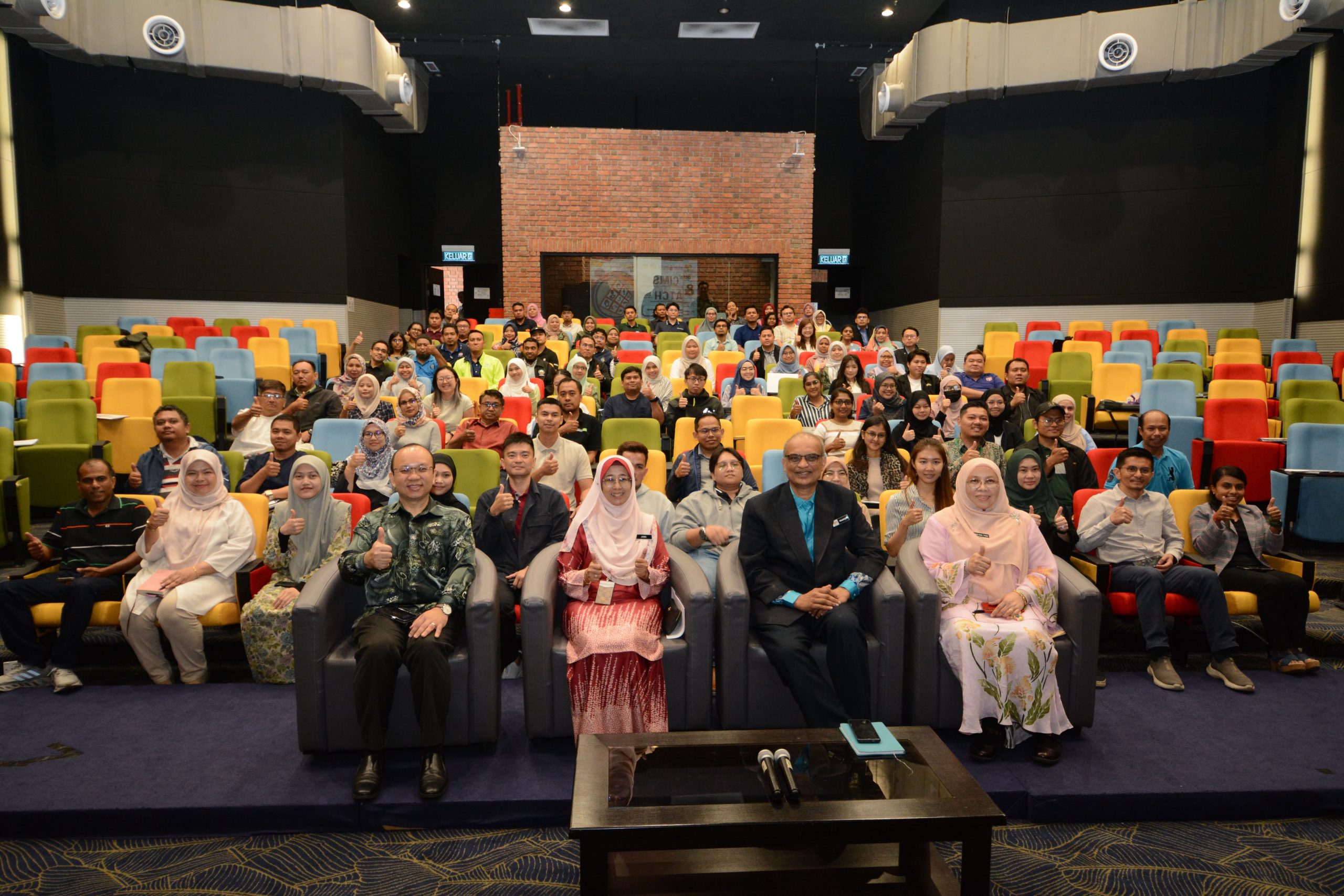
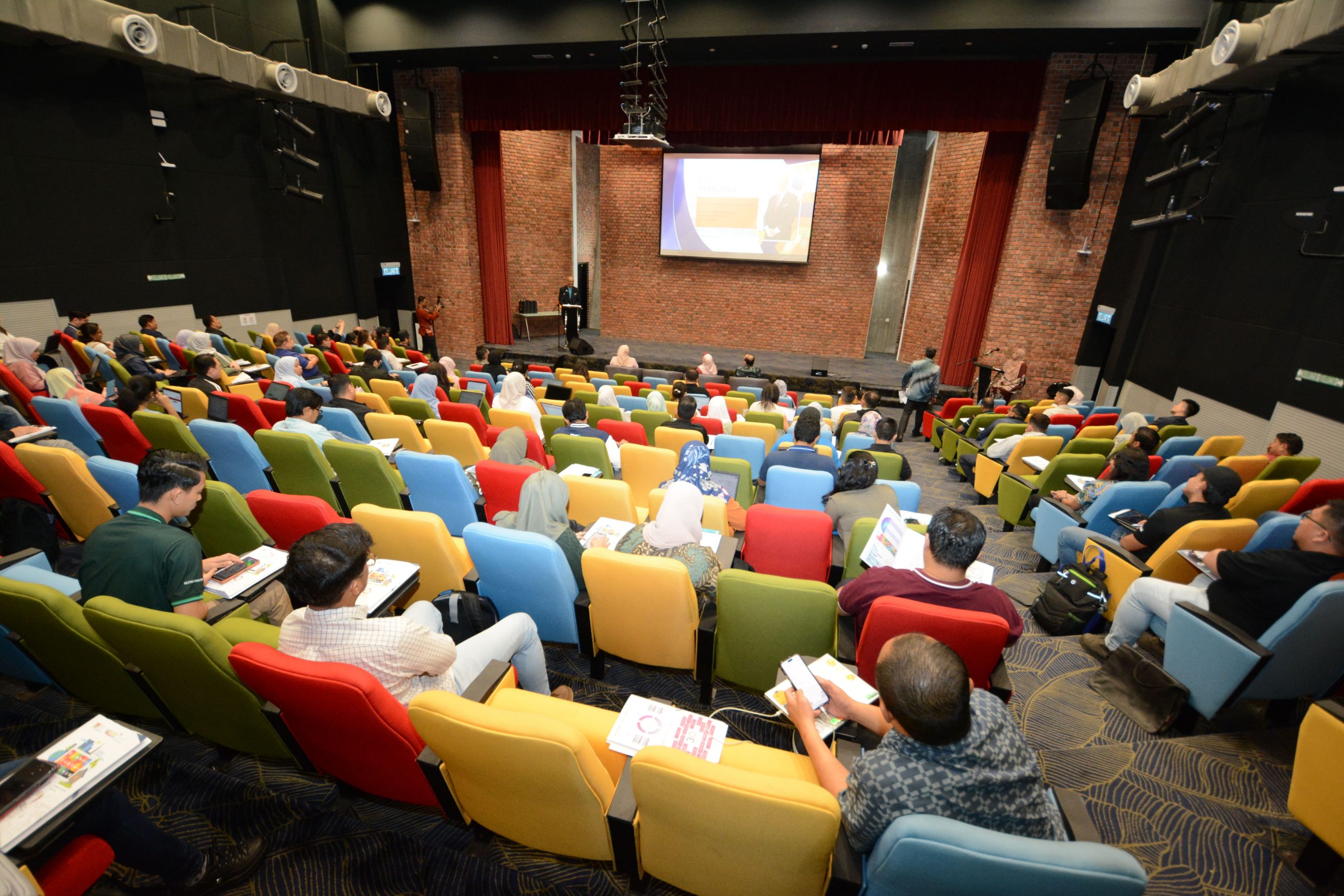
Bangi, 31 July 2025 — Universiti Kebangsaan Malaysia (UKM), through the Chemicals Management Research Group (CMRG) under the Institute for Environment and Development (LESTARI), successfully organized the Workshop on Chemical Information Management System (CIMS) and Classification Tool for Chemical Mixture (CATCH) 2025 (Central Zone) in collaboration with the Department of Occupational Safety and Health (DOSH) Malaysia.
The workshop aimed to enhance industry understanding and implementation of the Occupational Safety and Health (Classification, Labelling, and Safety Data Sheet of Hazardous Chemicals) Regulations 2013 (CLASS 2013). By equipping stakeholders with knowledge and access to CIMS and CATCH, the event supported national efforts to improve workplace chemical safety and regulatory compliance.
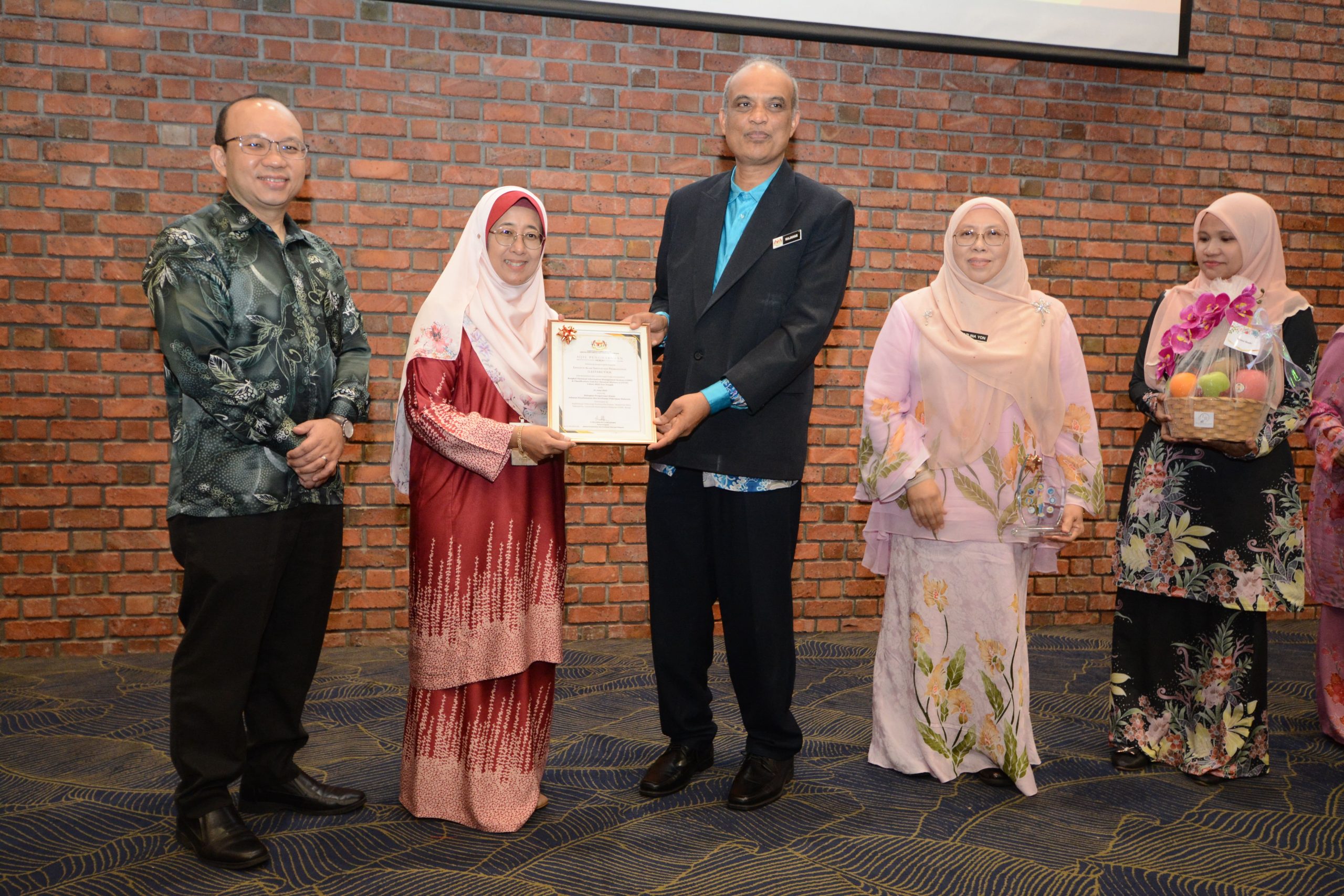
The official opening address was delivered by Prof. Dr. Jamia Azdina Jamal, Deputy Vice-Chancellor (Research and Innovation), and the workshop was officiated by Ir. Ts. Dr. Haji Majahar Bin Abd. Rahman, Deputy Director General (Occupational Health), DOSH Malaysia. Distinguished attendees included Prof. ChM. Dr. Goh Choo Ta, Director of LESTARI, and Ir. Ts. Hajah Hazlina binti Yon, Director of the Chemical Management Division, DOSH Malaysia.
A total of 100 representatives from major industrial organizations—including BASF, PETRONAS, Sime Kansai Paint, Henkel, Akzo Nobel Paint, and Petron—participated in the workshop. As a commitment to cultivating a strong safety culture, participants pledged the Occupational Safety and Health Integrity Oath, contributing to Malaysia’s goal of securing 350,000 pledges ahead of the ASEAN Worker Safety & Health Summit on 4 August 2025.
Throughout the program, participants received hands-on exposure to CIMS and CATCH systems, along with detailed briefings on legal cases relevant to CLASS 2013 compliance. An open forum, moderated by Pn. Norhidayah binti Nazammudin from DOSH, provided a platform for discussion and clarification on the use of these tools within regulatory frameworks.
The workshop underscores UKM’s commitment to translating academic research into practical applications that benefit society. This Public-Private Partnership model demonstrates how collaborative efforts can effectively address national challenges in occupational safety and health, further positioning UKM as a leading contributor to policy-relevant research and stakeholder engagement.