Advancing Sustainability in Structural Engineering and Construction

Kuala Lumpur
About Kuala lumpur
Kuala Lumpur has a cityscape filled with gleaming skyscrapers and colonial architecture. The capital of Malaysia is widely recognized for numerous landmarks, including Petronas Twin Towers (twin skyscrapers with a sky bridge and observation deck), the Petaling Street flea market, and Batu Caves, which is over 400 million years old.
The city’s main hub is called the Golden Triangle, which comprises Bukit Bintang, KLCC, and Chinatown. Expansive shopping malls like Pavilion KL and Suria KLCC are among the biggest attractions in the city. These grand shopping places host a wide range of upmarket labels from all over the world. Foodies have plenty of good reasons to love Kuala Lumpur. The city’s thousands of hawker stalls, cafes, and restaurants serve every type of delicacy imaginable. Beyond Kuala Lumpur’s glass, steel, and concrete, you’ll find plenty of green spaces and natural attractions for a respite. Just a short drive from the city, you can explore lush forested hills with hiking trails leading to waterfalls.
10 Best Things to Do in Kuala Lumpur
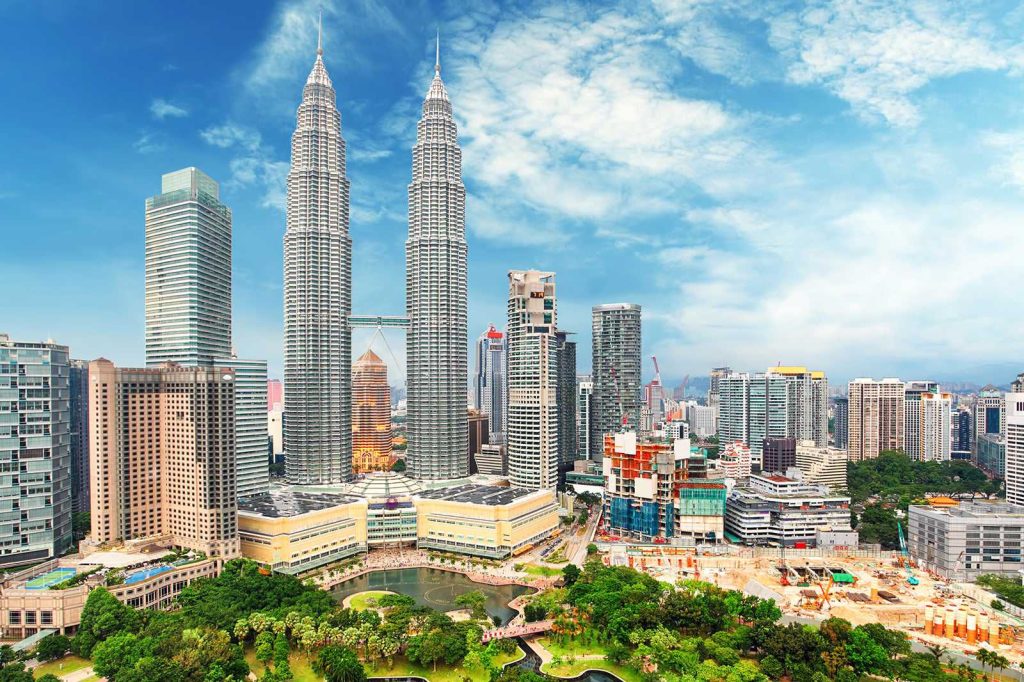
The Petronas Twin Towers are among the most prominent landmarks in Kuala Lumpur. The 88-storey chrome and steel towers are joined at the 41st and 42nd floors (175 meters above street level) by the 58-metre-long and double-decker Skybridge.
Hailed as the Twin Jewels of Kuala Lumpur, a visit to the Malaysian capital isn’t complete unless you have visited these skyscrapers.

Menara Kuala Lumpur (KL Tower) soars above KL Eco City Park at 421 meters. Aside from being one of the tallest freestanding towers in the world, it’s also an important architectural marker in the city.
Boasting spectacular views of Kuala Lumpur, the viewing deck is at least 100 meters higher than the Petronas Tower’s Skybridge.

The National Mosque of Malaysia in Kuala Lumpur is an important place of worship for the local Muslim community. The mosque’s stunning design was influenced by the Grand Mosque in Mecca, with a towering 73-metre minaret and an umbrella-shaped main dome covered with thousands of green and blue tiles.
You are welcome to visit the mosque and its lovely surrounding gardens outside of prayer times. Note that non-worshippers are not permitted to enter the worship hall. Also, dress appropriately when visiting – head coverings and robes are provided at the mosque if needed.

Chinatown is a vibrant neighbourhood in Kuala Lumpur that’s deeply immersed in oriental cultures, heritage and history, It is undoubtedly one of the most popular tourist spots in Malaysia, and holds its own against its more glamorous neighbours, KLCC and Bukit Bintang.
Representing Malaysia’s multi-hued multicultural background perfectly, you can find all sorts of stuff in Chinatown. Chinese herbs, souvenirs, clothes and street food are just some of the best things to get here.
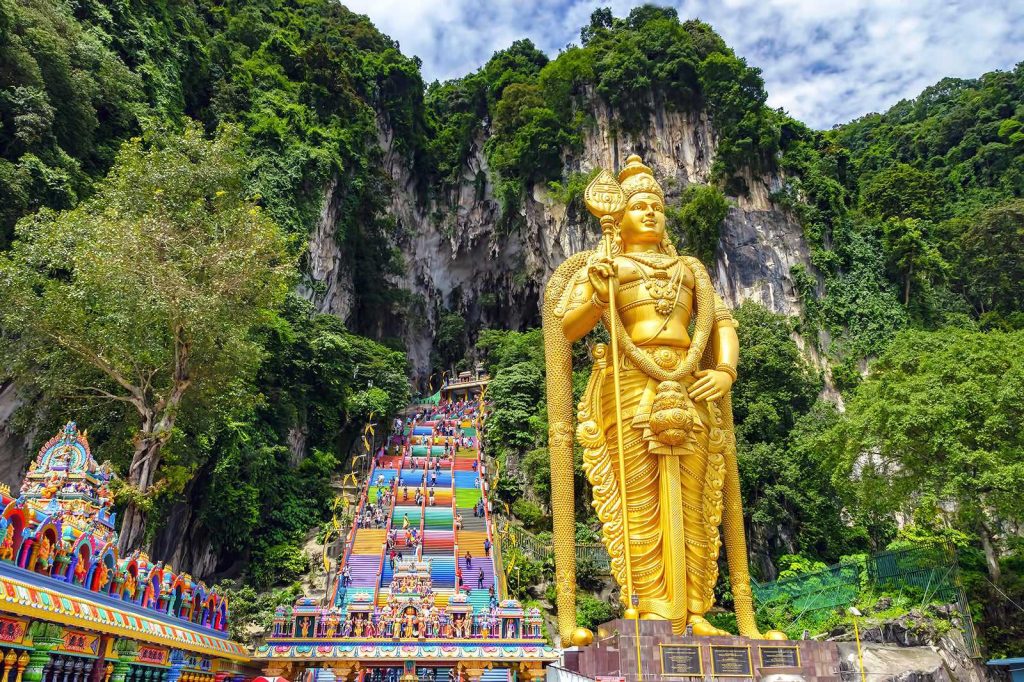
Batu Caves is a 400 million-year-old limestone hill with a 100-year-old temple incorporated within it. It’s best known as the focal point of the annual Hindu festival of Thaipusam. The celebration attracts thousands of visitors who come to see the colorful spectacle of devotees who pay homage by carrying ornately-decorated kavadis (frameworks) combined with various metal hooks and skewers, which are used to pierce the skin, cheeks and tongue.
Batu Caves is in Gombak, around 13 km north of Kuala Lumpur. You can take the Intrakota bus No 11D from the Central Market or the Cityliner bus No 69 at Jalan Pudu to get to the caves. Taxi cabs are available anywhere around the city.

The Exchange TRX is a world-class experiential lifestyle destination that sits at the heart of Tun Razak Exchange, Kuala Lumpur’s international financial district. With over 400 of the world’s leading retailers, The Exchange TRX blends together an immersive retail journey together with the beauty of nature through the 10-acre TRX City Park. Discover retail reimagined at The Exchange TRX.

Berjaya Times Square is a twin-tower complex with 48 floors that span the lengthy Jalan Imbi boulevard. It’s one of the largest buildings in the world, with over 1,000 retail stores and 65 food outlets. First opened in 2003, adjacent to the 700,000 square-metre mall is the 4-star Berjaya Times Square Hotel – a high-rise venture with 650 rooms, a pool, gym, sauna room, rooftop garden, and squash courts.
Inside each 203-metre-high tower, you can find a variety of affordable, small-time retail boutiques. When it comes to entertainment, this is where the mall really shines – there is a 9-screen movie theater, one of Asia’s largest indoor theme parks (with 14 specially-designed rides, including a thrilling roller coaster), an archery range, and a 48-lane bowling alley. It is connected to the Kuala Lumpur Imbi Monorail station via a footbridge.
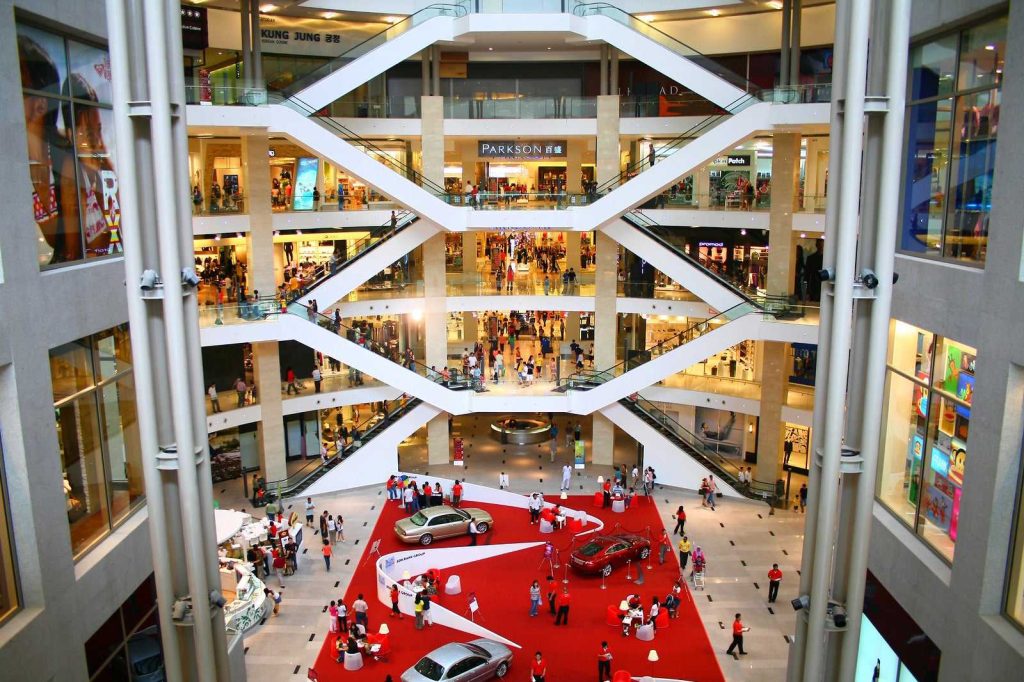
Pavilion Kuala Lumpur is a sprawling 150,000-square meter shopping complex at the center of the uber-trendy Bukit Bintang district. It consists of 2 retail malls, an office block, and 2 residential towers.
Pavilion Kuala Lumpur is a sprawling 150,000-square meter shopping complex at the center of the uber-trendy Bukit Bintang district. It consists of 2 retail malls, an office block, and 2 residential towers.

Mid Valley Megamall is one of the largest shopping malls in Southeast Asia. It’s home to over 430 stores spread across its 5 floors. Anchor tenants include Golden Screen Movie theaters, Metrojaya and Harvey Norman.
Mid Valley Megamall also has a convention center, an 18-screen Golden Screen Movie theater, and a bowling center on the 5th floor. Additionally, there’s a spacious MPH bookstore outlet – one of the largest in the city. Situated beside the KL Komuter Mid Valley station, it’s fairly easy to get to the shopping mall.

Sunway Lagoon is a vast theme park that offers an extensive range of exciting rides suitable for the entire family. It features dizzying and thrilling water slides, a tranquil ‘river’ ride, a surf beach, a wave pool, and a revolving pirate ship.
Constructed on the site of a former tin mine and quarry, Sunway Lagoon consists of different zones, including Water Park, Scream Park, Amusement Park, Extreme Park, and Wildlife Park. The theme park is located in Bandar Sunway, approximately a 30-minute drive from Kuala Lumpur City Centre.
How to Get Around in Kuala Lumpur
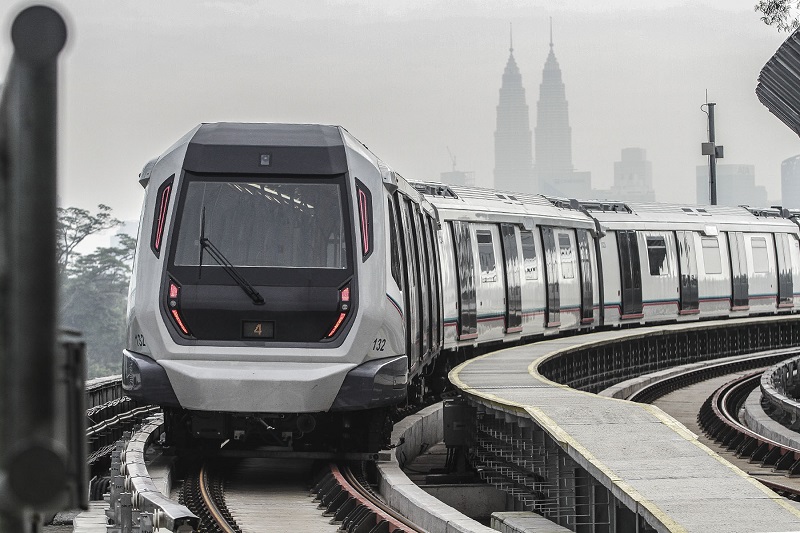
One of the best ways to get around Kuala Lumpur is by using the city’s public transportation system. The system is well-developed and consists of trains, buses, Light Rail Transit (LRT), and Mass Rapid Transit (MRT) services. The public transportation system in Kuala Lumpur is affordable, efficient, and reliable, making it an ideal option for both tourists and locals.
Buses are another excellent option for getting around Kuala Lumpur. The city’s bus network is extensive, with routes covering all parts of the city. The buses are frequent, and the fares are affordable.

Taxis are a convenient way to get around Kuala Lumpur, especially if you’re travelling in a group or have lots of luggage. Taxis are available all over the city and are metered, which means you don’t have to negotiate fares. However, it’s essential to ensure that the taxi driver uses the meter before starting your journey.

If you prefer to explore Kuala Lumpur on your own, you can hire a car. Many international car rental companies have offices in the city, and there are also several local rental companies. Hiring a car gives you the flexibility to explore the city at your own pace and convenience.
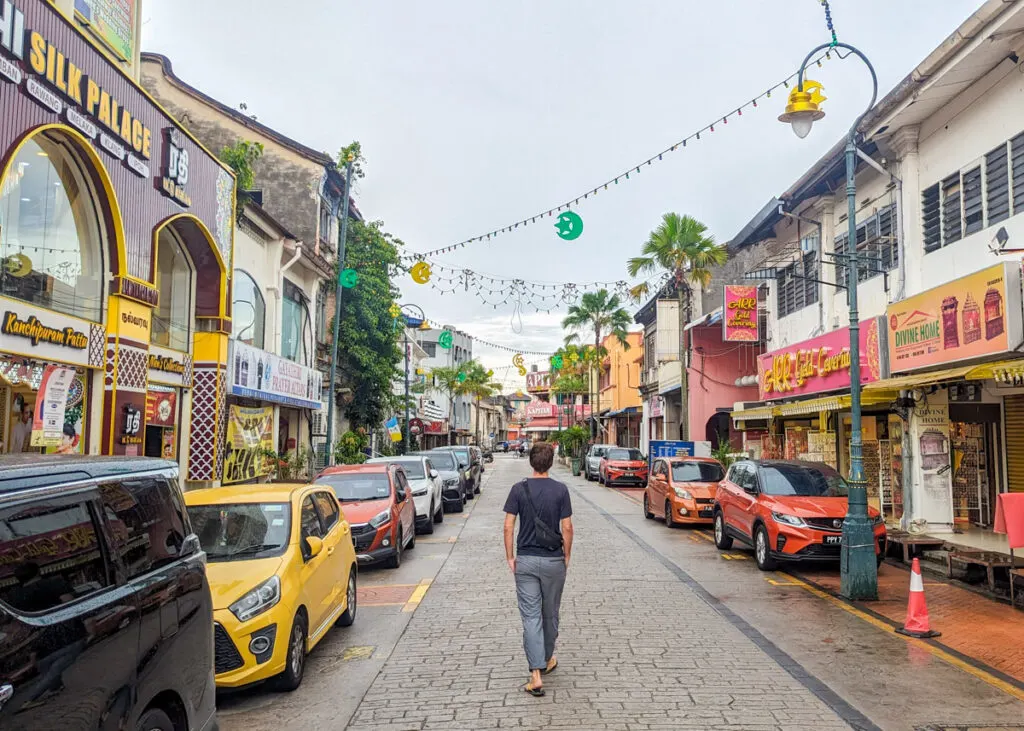
If you’re staying in the city centre, walking or cycling is an excellent option for getting around. Walking is a great way to explore the city’s narrow streets and alleyways, and it’s also an excellent way to get some exercise. Cycling is another option, and there are several bike rental companies in the city.

Ride-hailing apps like Grab and MyCar are popular in Kuala Lumpur, and they offer a convenient way to get around the city. These apps allow you to book a ride, track your driver’s location, and pay for your trip using your smartphone. Ride-hailing apps are affordable and offer a level of convenience that traditional taxis can’t match.
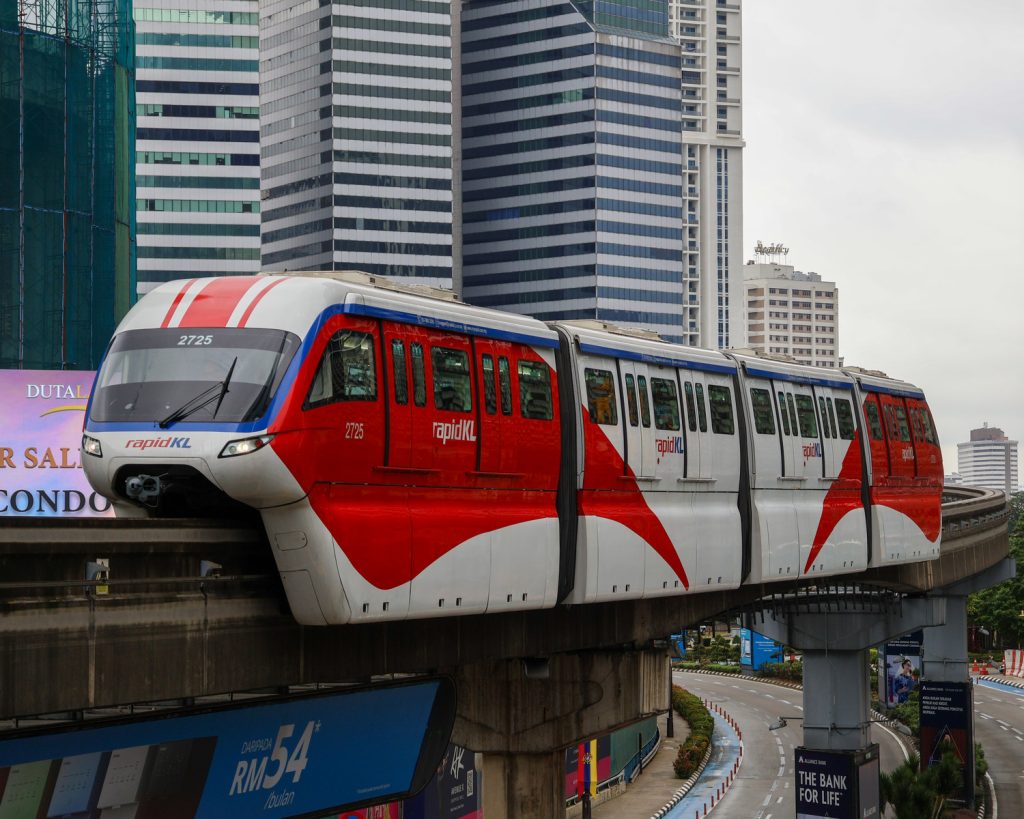
The Monorail is a unique way to explore Kuala Lumpur, and it’s an excellent option for tourists. The Monorail runs from Titiwangsa to Bukit Bintang, and it passes through some of the city’s most popular attractions, including the KL Tower and the Petronas Twin Towers.

The Hop-On, Hop-Off bus is a great way to explore Kuala Lumpur’s main attractions. The bus covers over 20 stops, including the Petronas Twin Towers, KL Tower, and Chinatown. You can hop on and off the bus as many times as you like during the day, making it a great option for tourists who want to see as much of the city as possible.
Visa Information
For tourism, many nationalities can enter Malaysia visa-free for up to 90 days. However, for longer stays or other purposes, a visa is required. The Malaysian Immigration Department offers an eVISA system for simplified online applications. You can also apply for visas through Malaysian embassies or consulates.
Visa-Free Entry:
- Many nationalities can enter Malaysia for tourism or business purposes without a visa for stays of up to 90 days.
- At the border, you will typically receive a “social visit pass” (visa) allowing you to stay for 90 days.
- Your passport must be valid for at least six months beyond your arrival date.
eVISA:
- The Malaysian Immigration Department offers an online eVISA system for eligible applicants.
- You can apply for an eVISA online through Jabatan Imigresen Malaysia (Malaysian Immigration Department).
- You’ll need to provide documents like your passport, passport photo, and flight information.
- The eVISA is valid for a single entry within a specified period (usually 3 months).
- You will receive your eVISA as an A4 printout that you need to print out and present at the entry checkpoint.