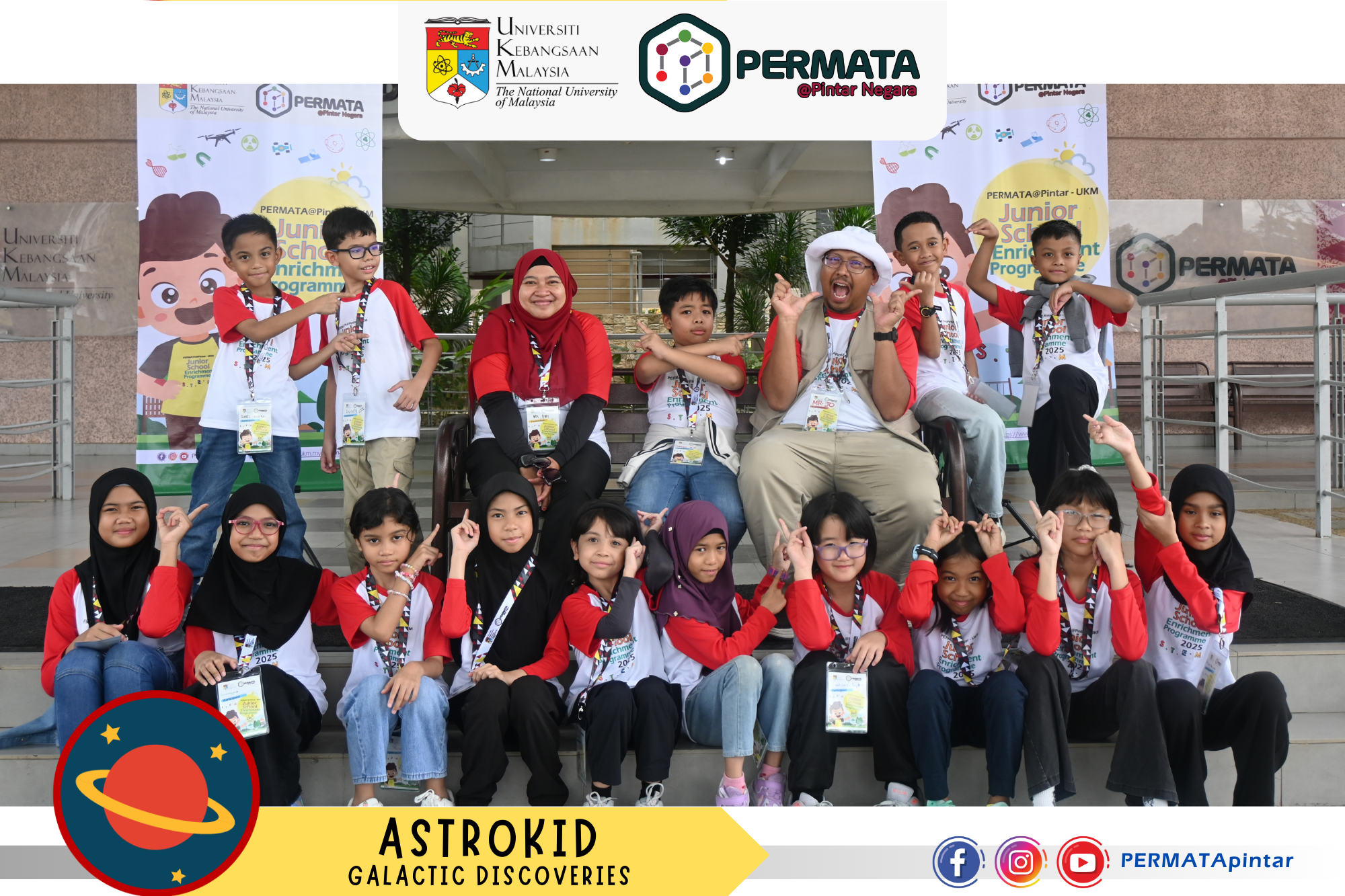
This course was designed to provide students with the opportunities to discover and understand astronomy and astrophysics through both theoretical and practical/observational approaches. Throughout the course, the student will be exposed to the fundamental knowledge of celestial objects and how astronomers or astrophysicists observed and obtained the data. Students can also experience how astronomers and astrophysicists work through student projects which require them to utilize the skills they have learned. At the end of the course, students not only learn in- depth about stars but they can also experience how scientists or astrophysicists work firsthand.
This course was designed to provide students to exposed to DNA Barcoding tool, to identify the species of insects. Students were allowed to catch their insect of interest from the school compound as a sample of their research. Students got chance to extract the insect’s DNA, multiply the DNA through polymerase chain reaction (PCR) technique and detection of their DNA through gel electrophoresis.
This course provides an early to Explore the skies in our Drone Technology . Over two weeks, students dive into the world of drones, discovering their mechanics, principles, and applications. From basic aerodynamics to hands-on flight maneuvers, participants learn the essentials of drone operation and safety. Engaging sessions cover coding for drone control, aerial photography, and mapping. Practical challenges develop skills in piloting and problem-solving. The course culminates in a project where students design and execute a drone mission. By the end, young learners gain a comprehensive understanding of drone technology and its real-world implications. Throughout this 10-day learning journey, students will able to experience new learning processes and pedagogy, such as pre- and post-test, think-pair-share, group discussion, individual and group presentation, daily hands-on activities, coding laboratory works as well as field trip!

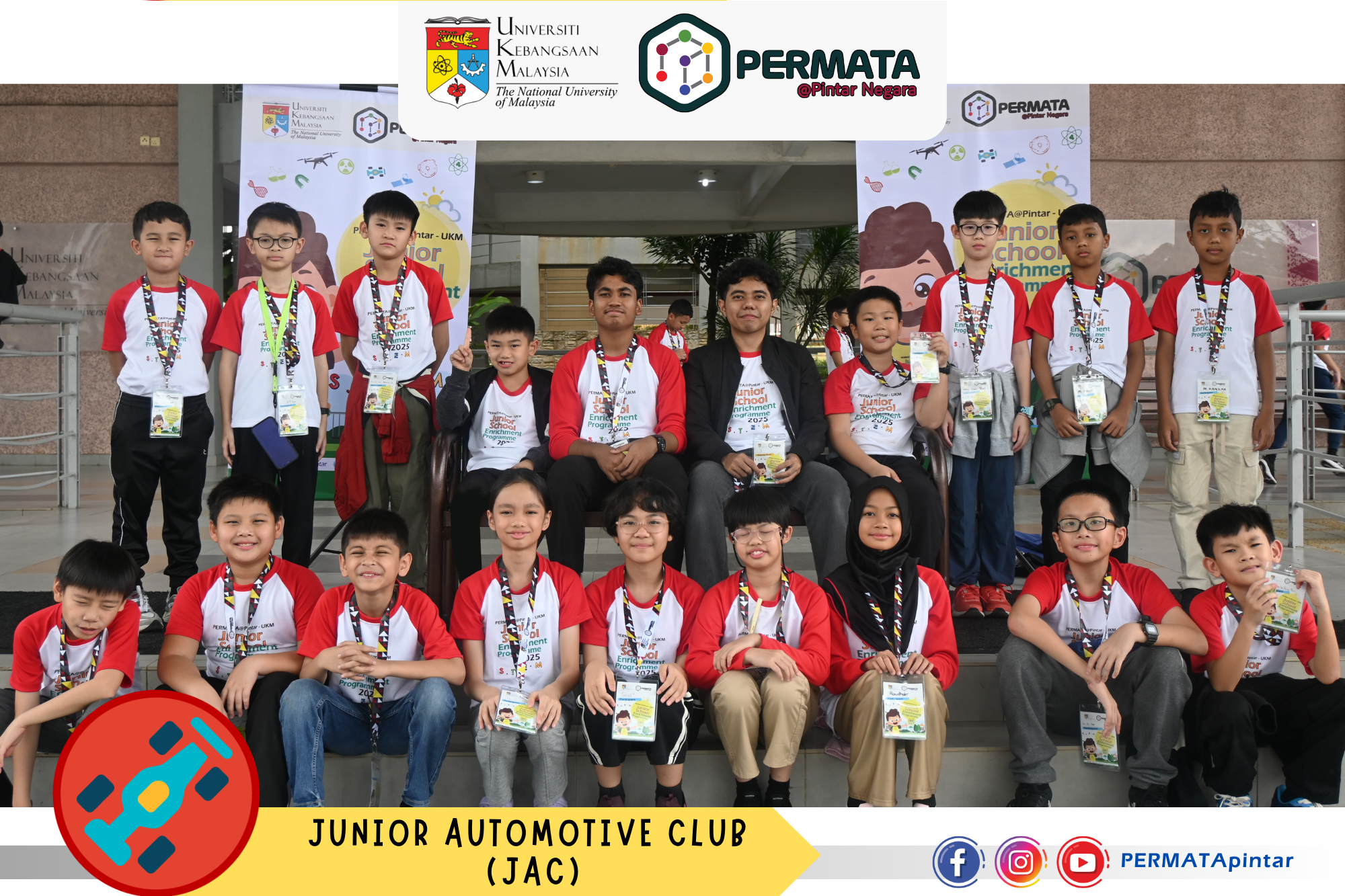
The automotive industry is one of the largest in the world. In order to achieve optimum efficiency, automotive design and manufacturing play important roles. The automotive sector encompasses design, powertrain, high speed, and performance. To nurture young engineering talent, STEM competitions based on the Formula 1 competition have been introduced worldwide. This course uses automotive design and engineering based on the STEM Racing competition to encourage participants to explore all areas of the curriculum while designing, making, testing, and racing a miniature car powered by compressed air. Participants then use their understanding of the science of speed to design an efficient bodyshell . A series of testing and modifying of designs is needed to finally produce the best miniature car that will be judged based on fastest speed and engineering knowledge.