
Our Startup
We are excited to announce the launch of our new startup, Roobah Sdn. Bhd., officially registered in 2024. At Roobah, our mission is to advance sustainable practices through innovative services that transform local biomass resources into valuable materials. Using cutting-edge technologies, we convert agricultural and industrial waste into high-quality raw materials, significantly reducing environmental impact while supporting local economies. Our state-of-the-art facilities manufacture biopolymers derived from renewable resources, providing an eco-friendly alternative to traditional plastics.
Understanding that every project has unique requirements, we offer customized material solutions tailored to specific needs. In the rapidly evolving field of additive manufacturing, our renewable materials are compatible with modern 3D printing technologies. Designed for exceptional performance and eco-friendly attributes, our materials are ideal for a wide range of applications.
Join us at Roobah Sdn. Bhd. as we lead the way in sustainable innovation and make a positive impact on our environment and communities.

Our Product
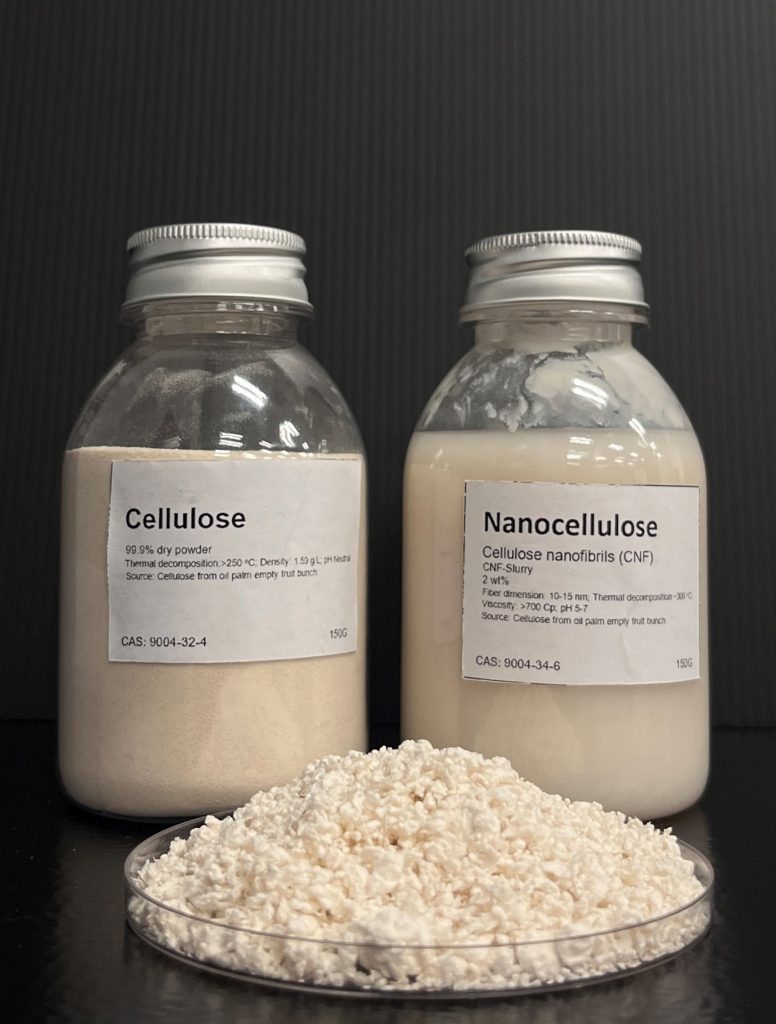
CELLULOSE & NANOCELLULOSE
Sources: Oil palm biomass, kenaf
Cellulose and nanocellulose are extracted from lignocellulosic agricultural biomass, specifically oil palm and kenaf, using our innovative green methods
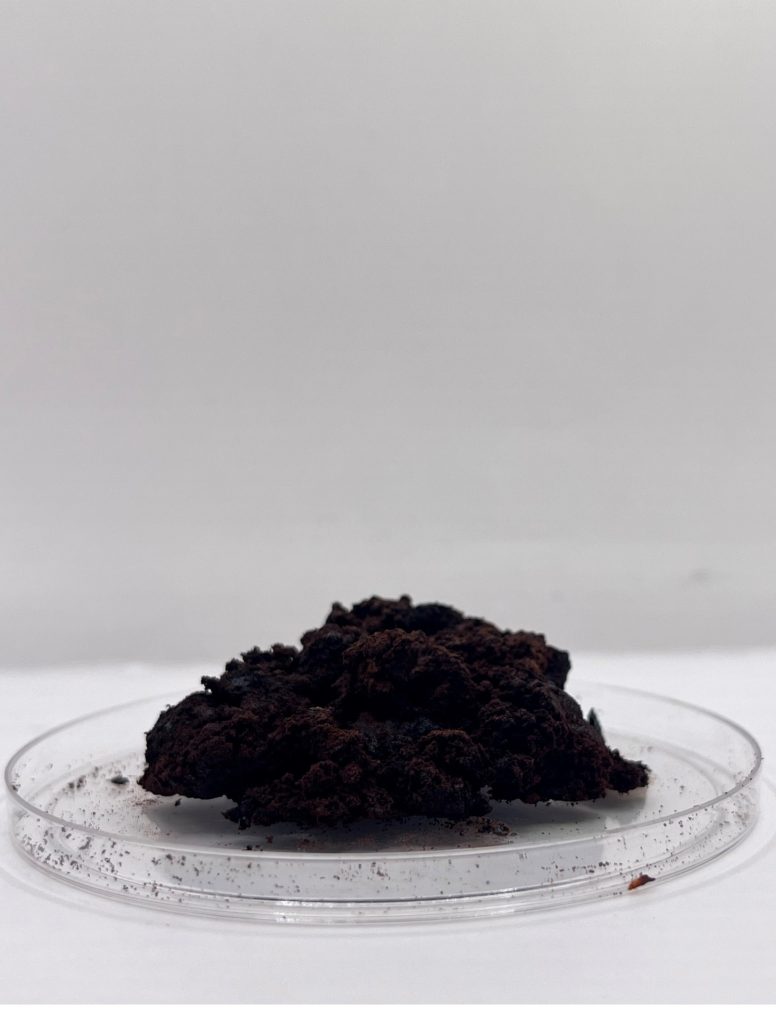
LIGNIN
Sources: Oil palm biomass, kenaf
Lignin was isolated using the organosolv extraction method and purified multiple times to achieve high purity.
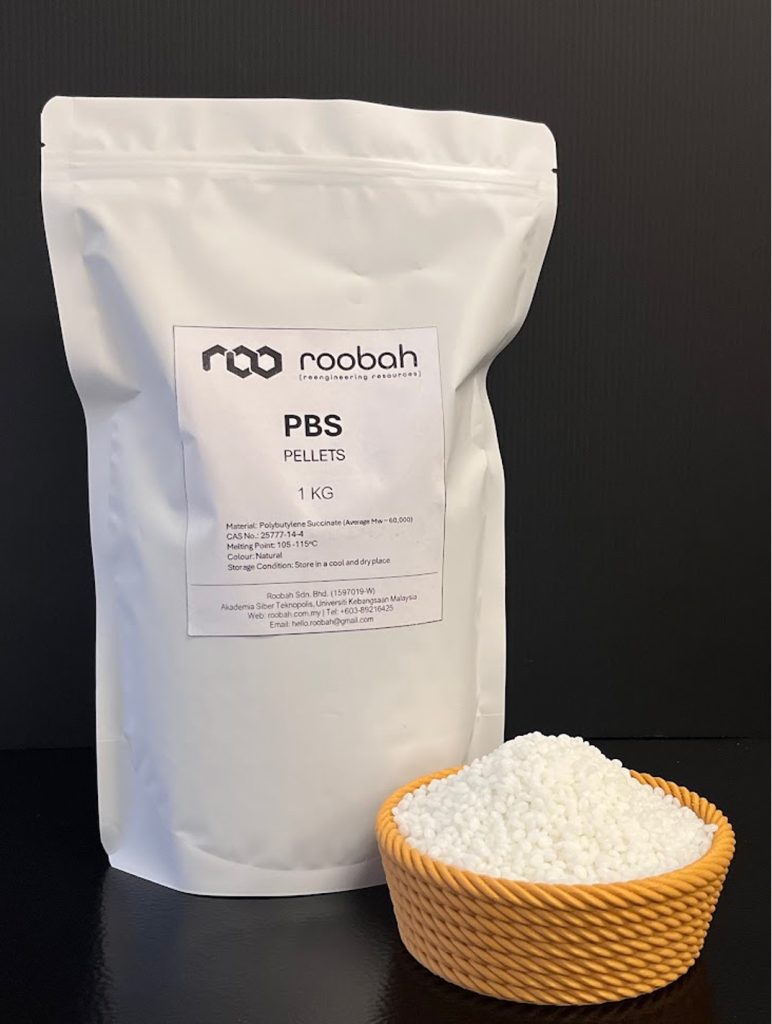
POLYBUTYLENE SUCCINATE
Sources: Succinic acid (SA), BioSA
A thermoplastic polyester made from succinic acid and 1,4-butanediol, supplied as small, moldable pellets.
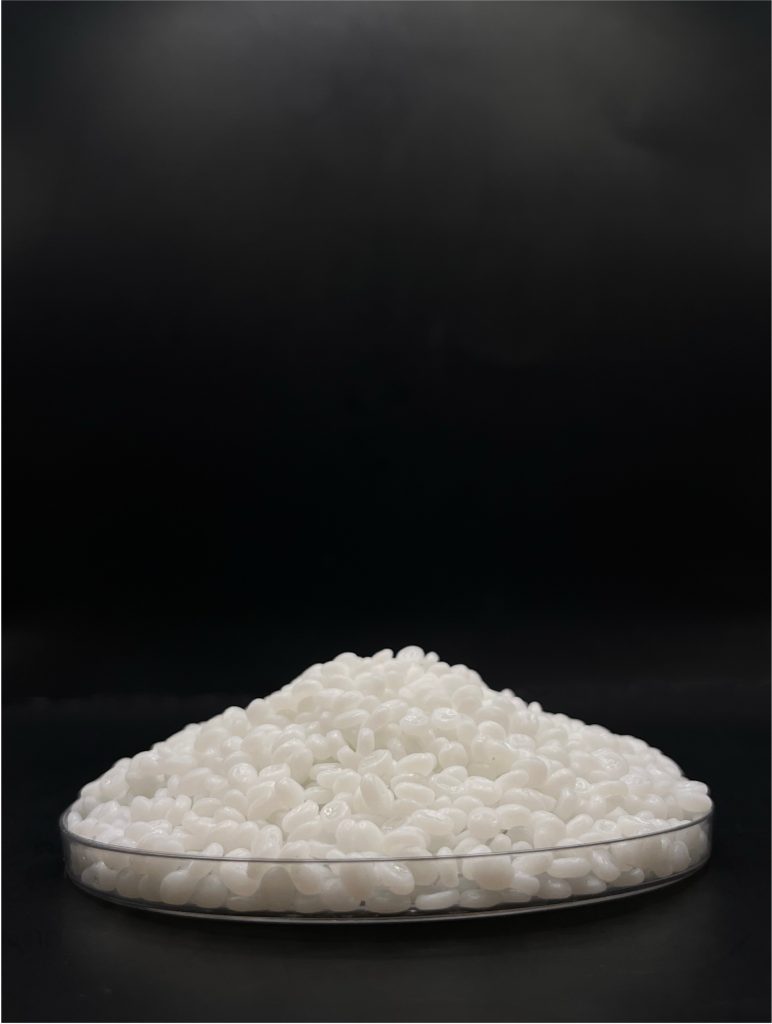
COMMERCIAL BIOPOLYMER
Commercial biopolymer pellets are an eco-conscious, biodegradable thermoplastic resin—processable like conventional plastics (PBAT, PLA), yet designed for sustainable applications ranging from packaging to agricultural and biomedical materials
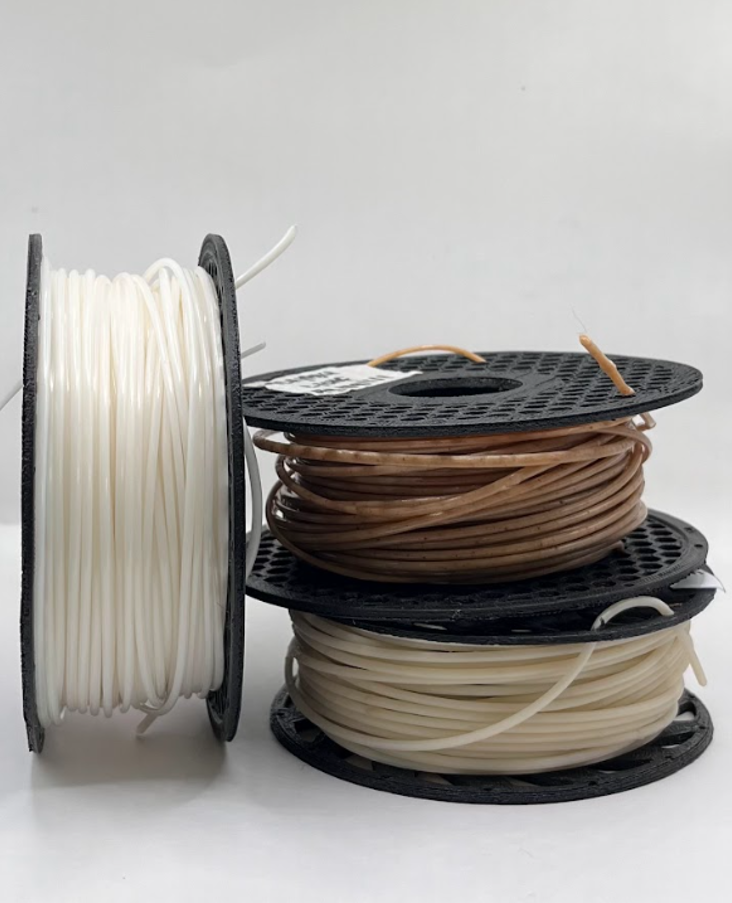
BIODEGRADABLE 3DP FILAMENT
Sources: Polybutylene succinate (PBS)
Our in-house biodegradable 3D printing biopolymer is derived from local biomass through a fermentation process to produce biosuccinic acid and then used to create polybutylene succinate.
Our Services
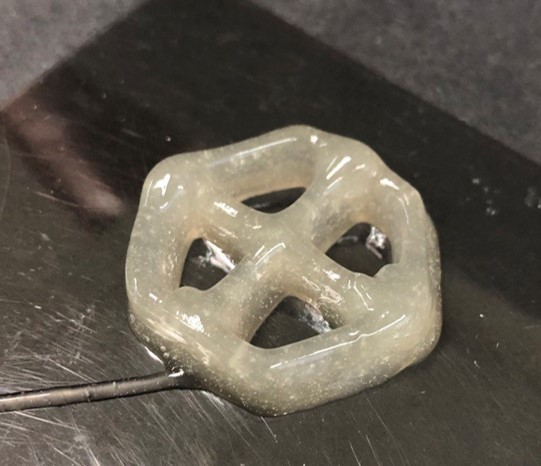
3D PRINTED HYDROGEL
Sources: Hydrogel-based material i.e. cellulose, nanocellulose
We have technical expertise in hydrogel 3D printing techniques. For example, cellulose hydrogel can be printed as a scaffold for biocultivation methods.
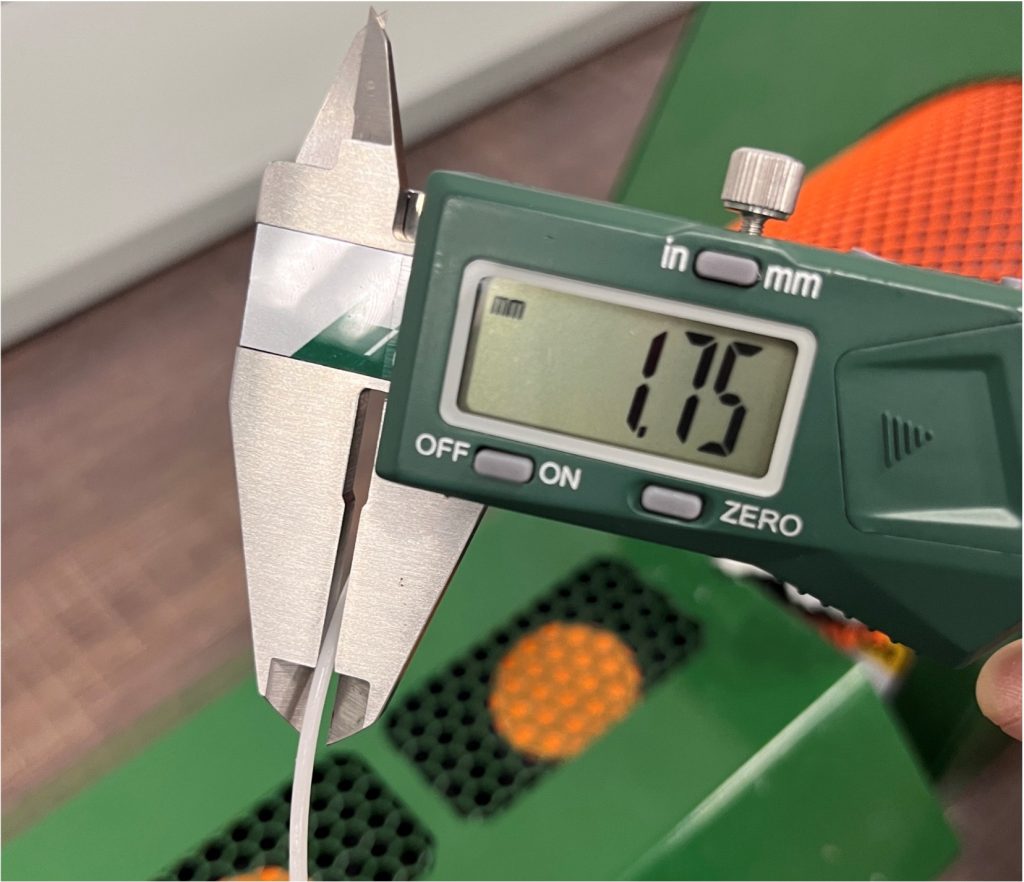
FILAMENT MAKING
Sources: Polymer pellets, Crushed plastic
We have the expertise and facilities to optimize 3D printing filament production parameters to meet industrial standards
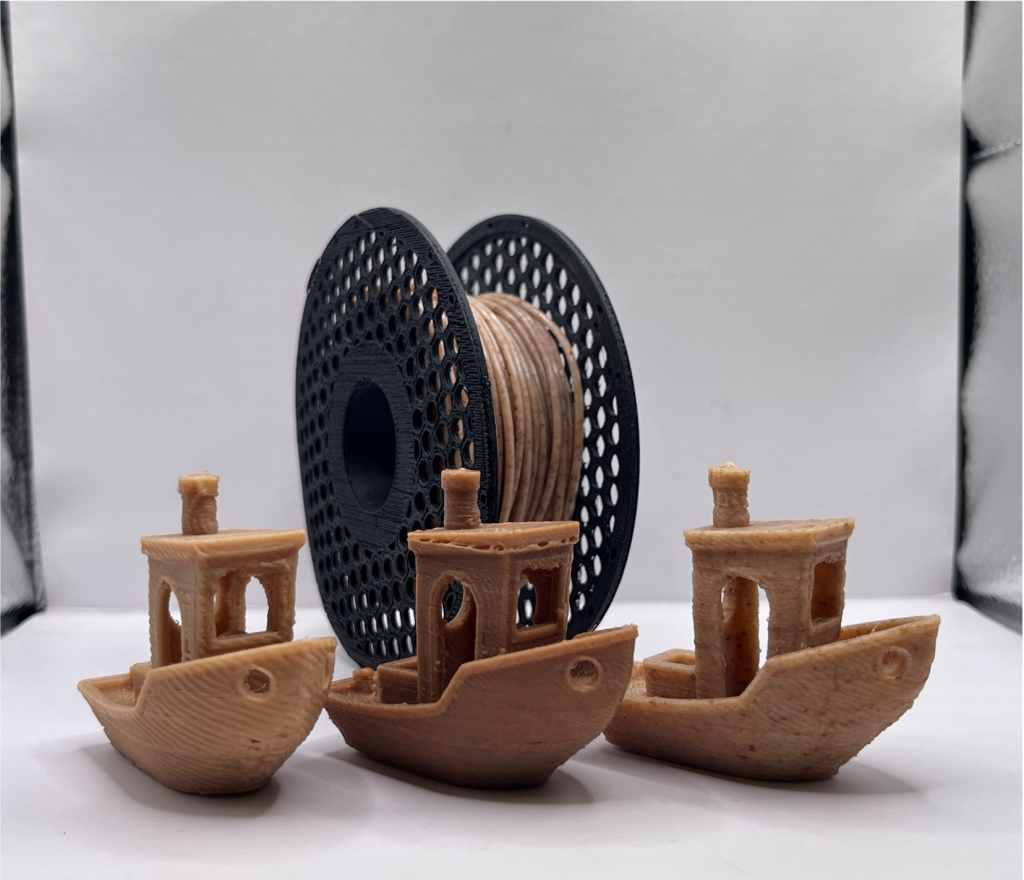
3D PRINTED COMPOSITES
Sources: Composites materials
By combining nanocellulose, lignin, and other biofillers, we can tailor the composition to create 3D-printed biocomposites that are highly useful for high-end applications.
Please Contact Us
E: hello.roobah@gmail.com
P: +601125244124