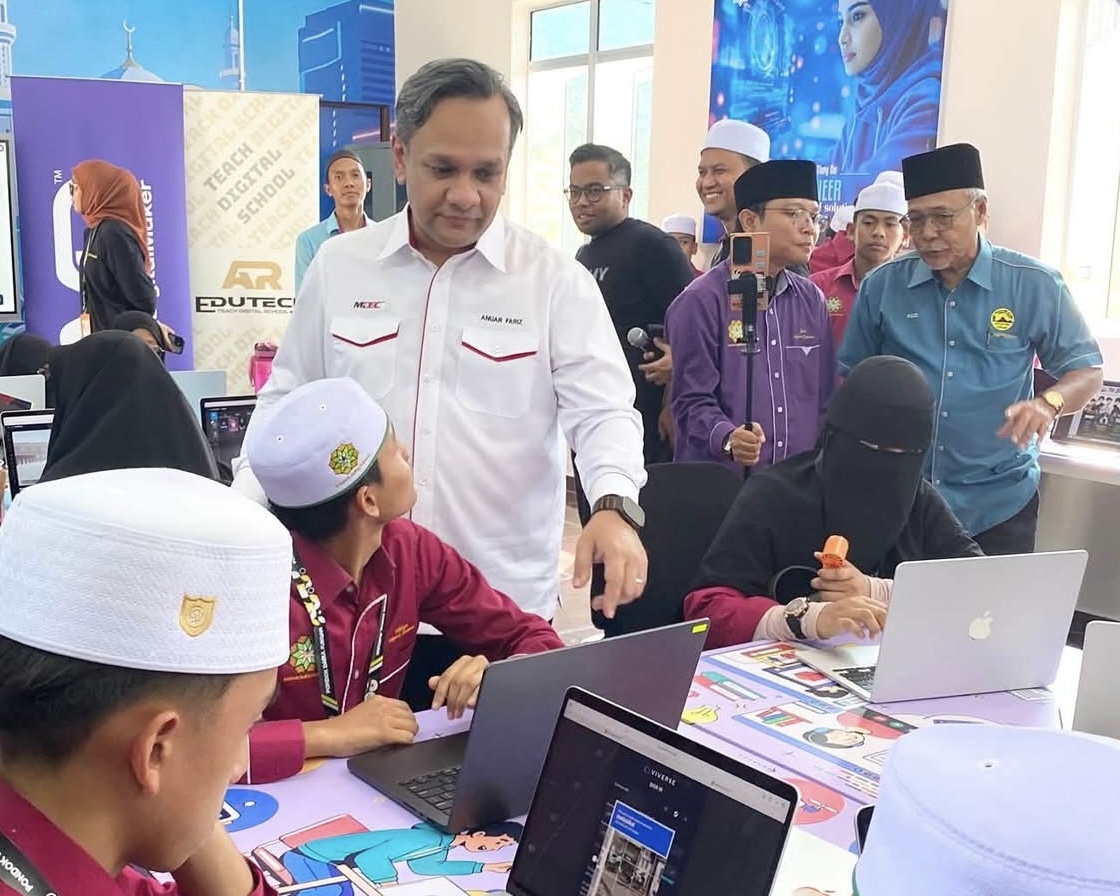
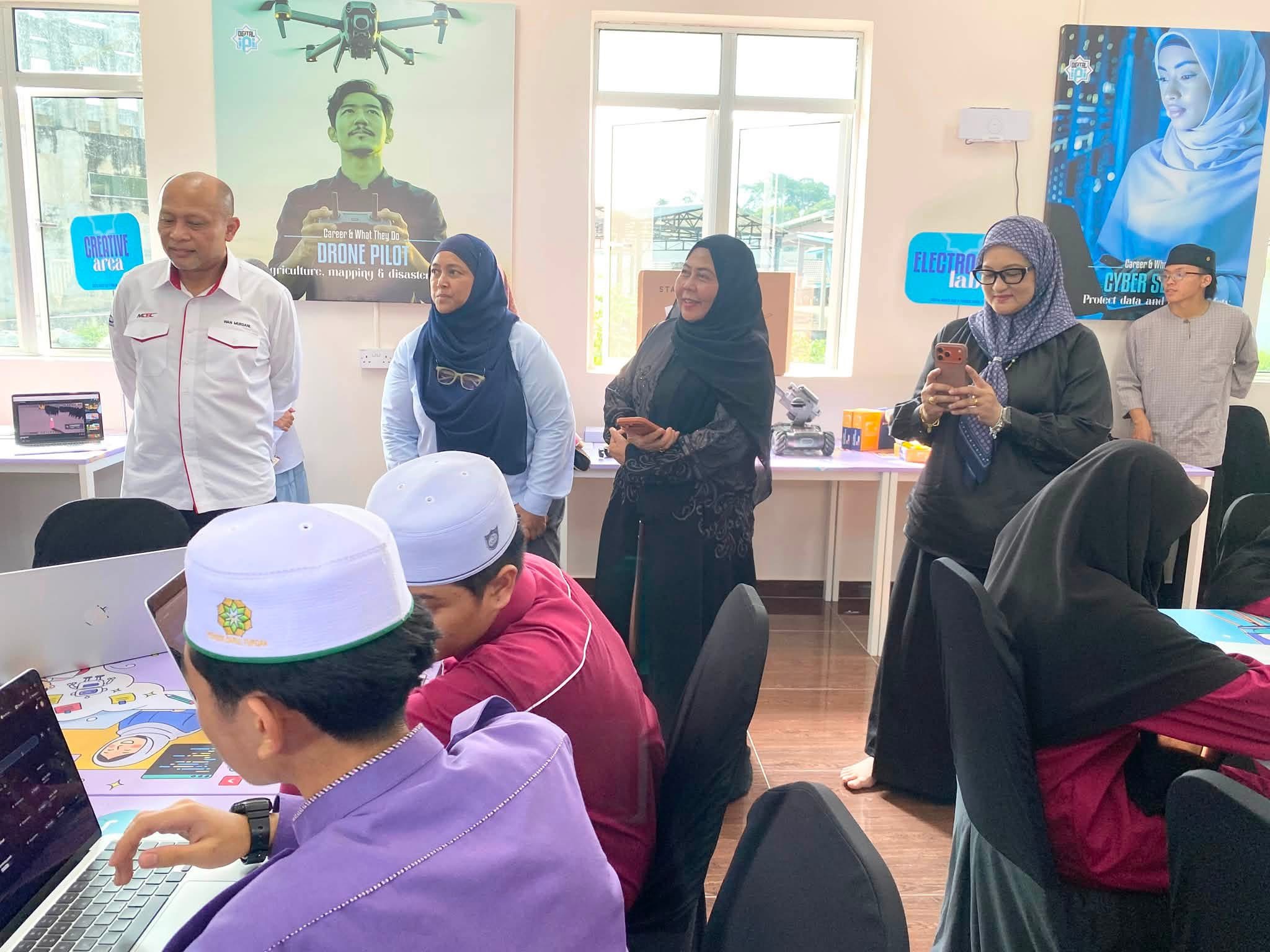
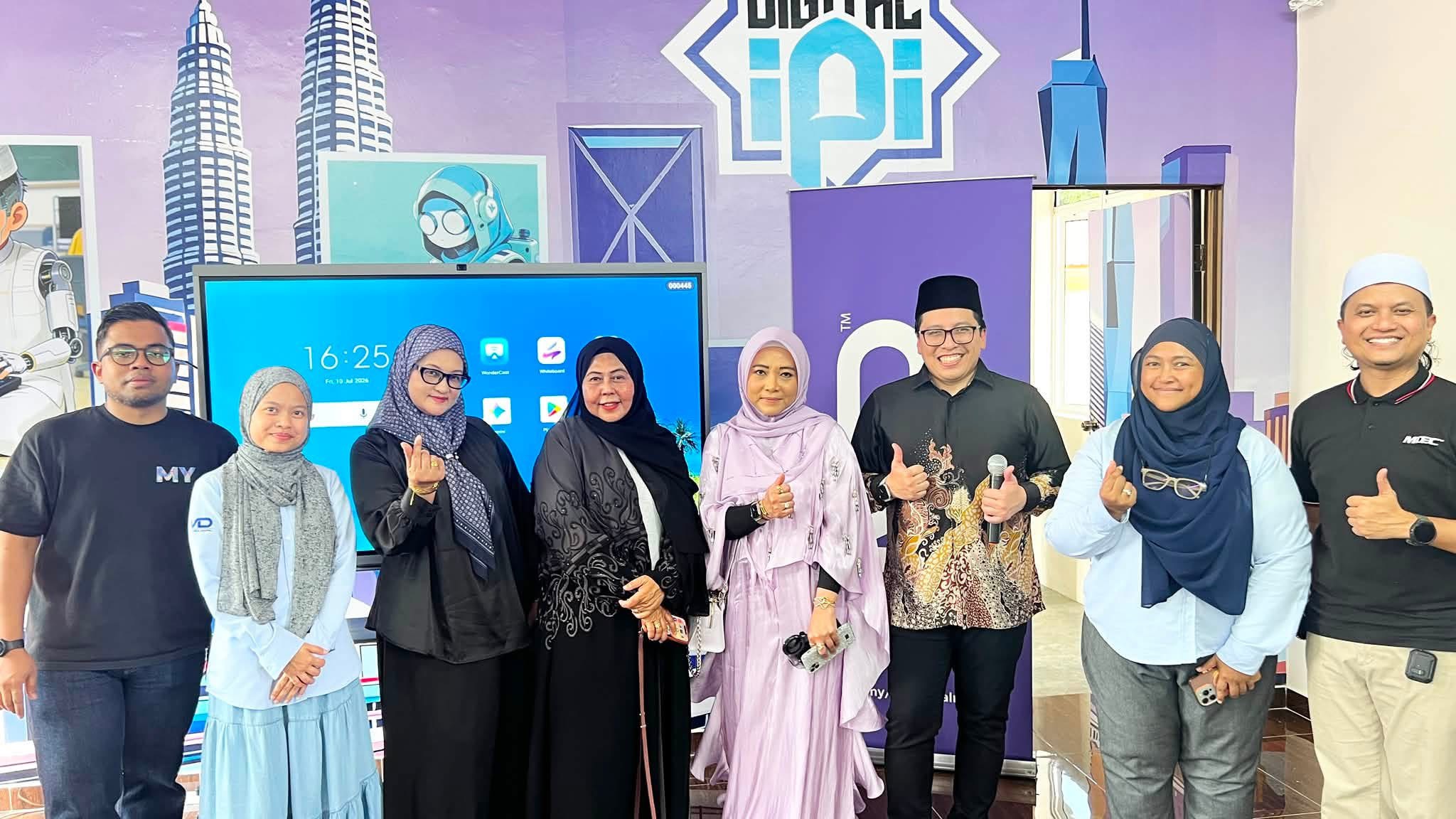
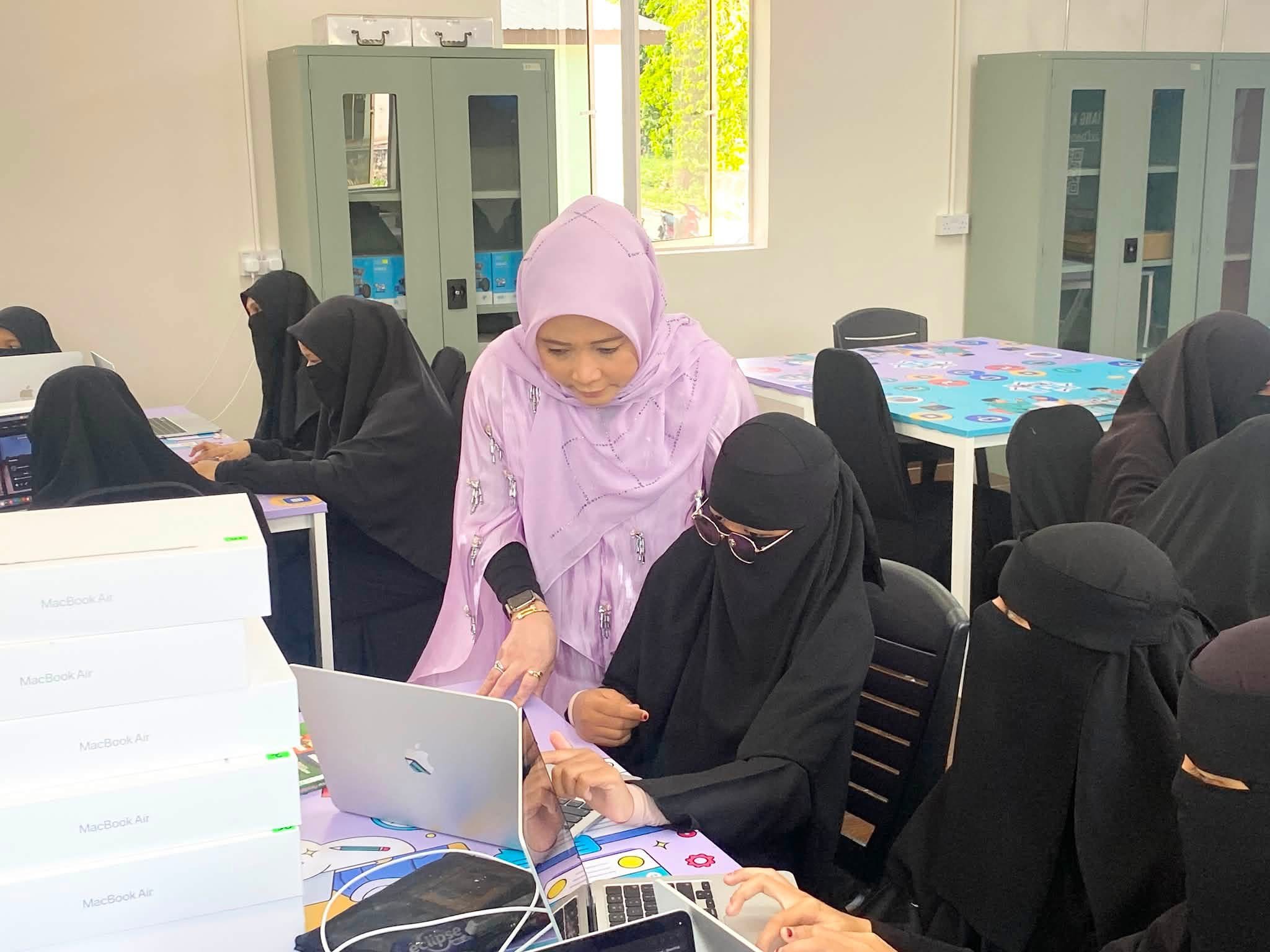
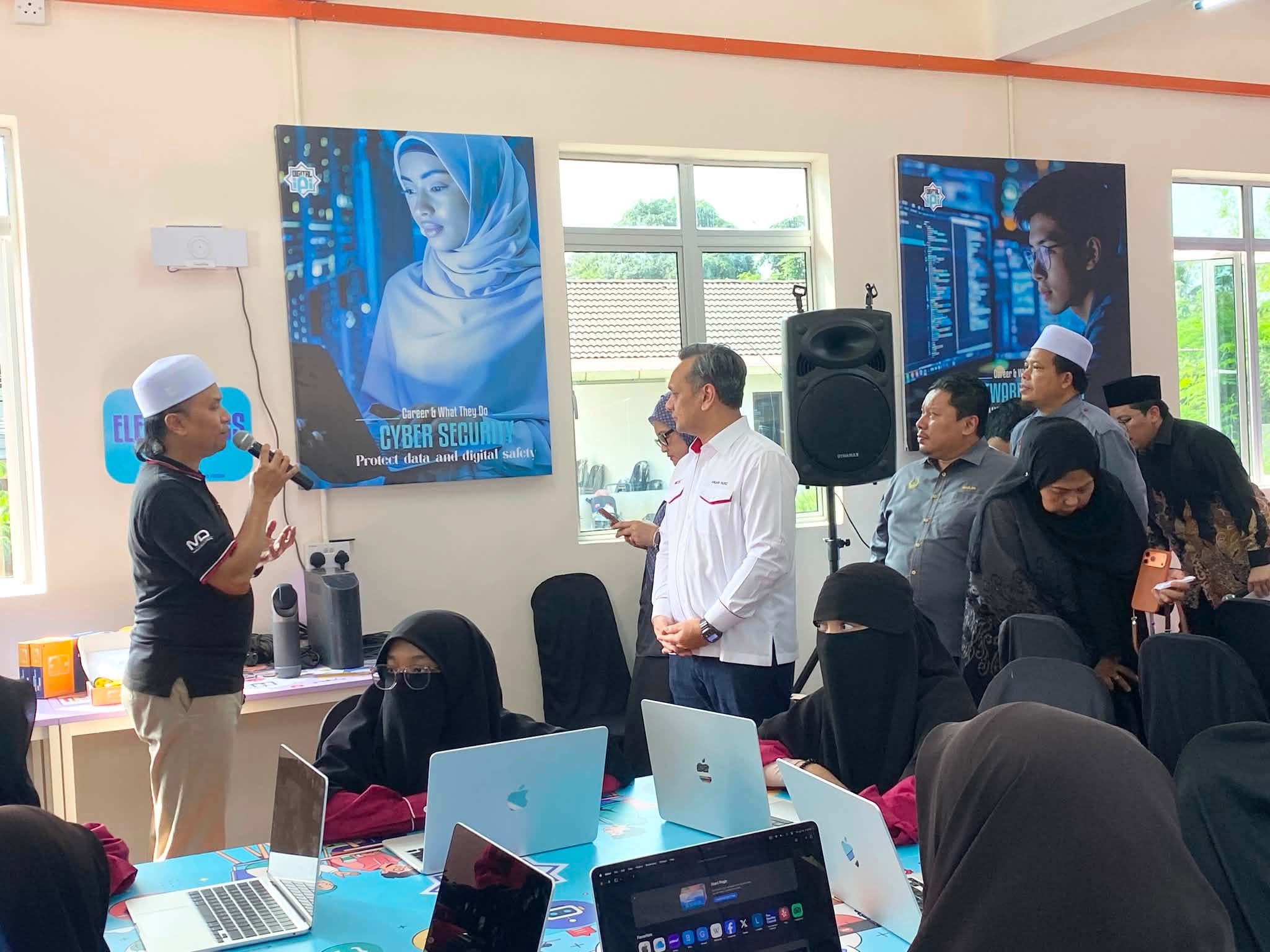
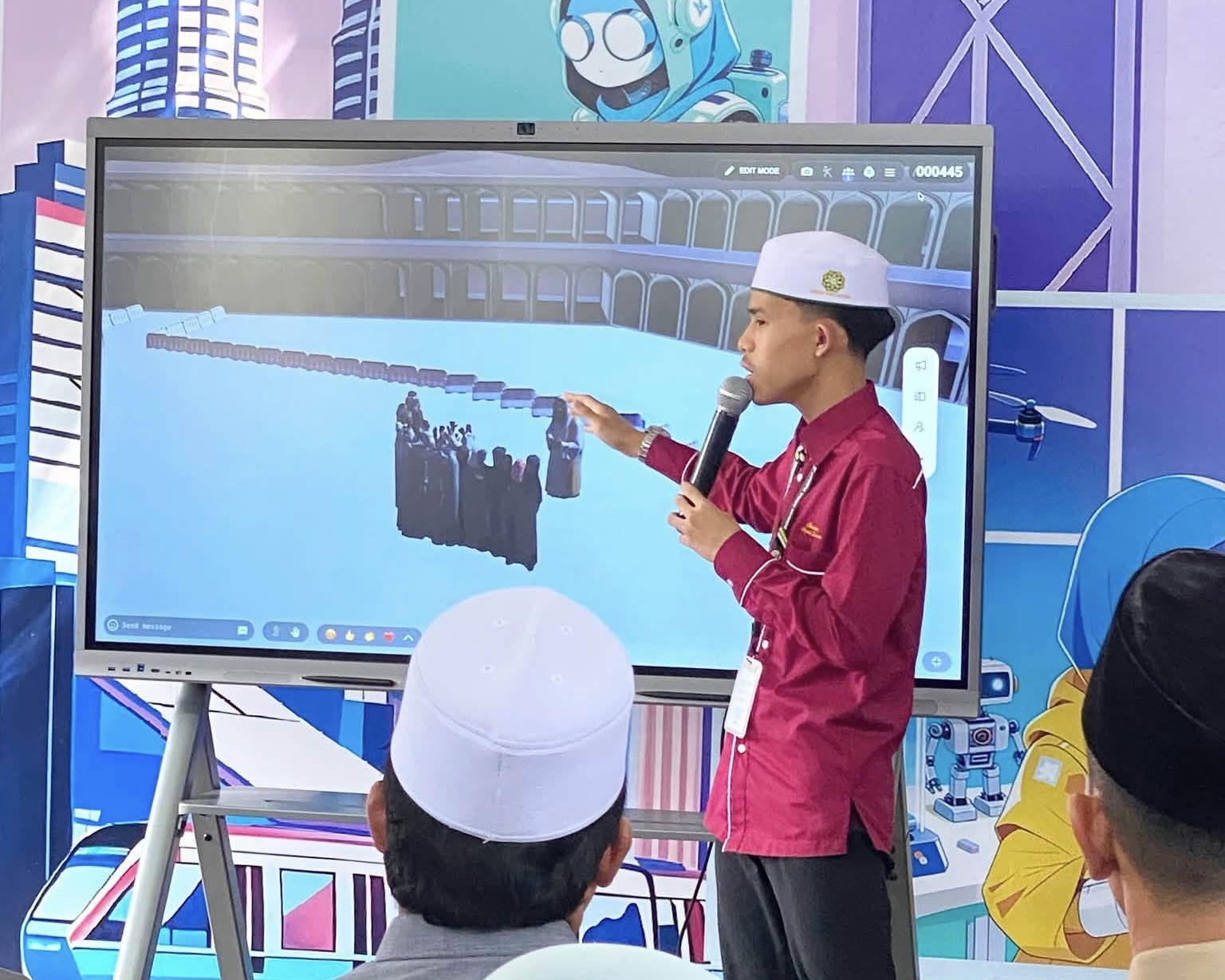
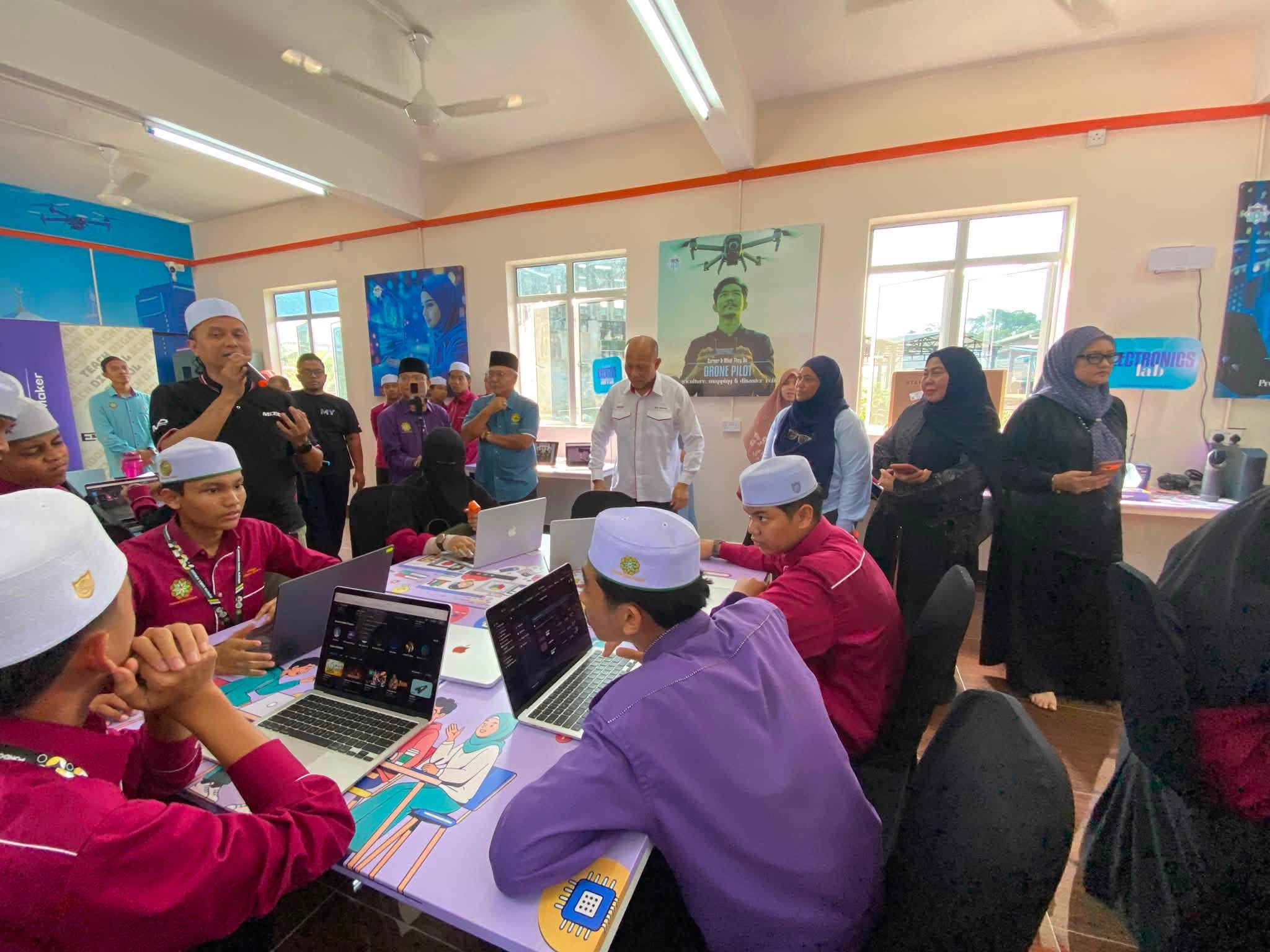
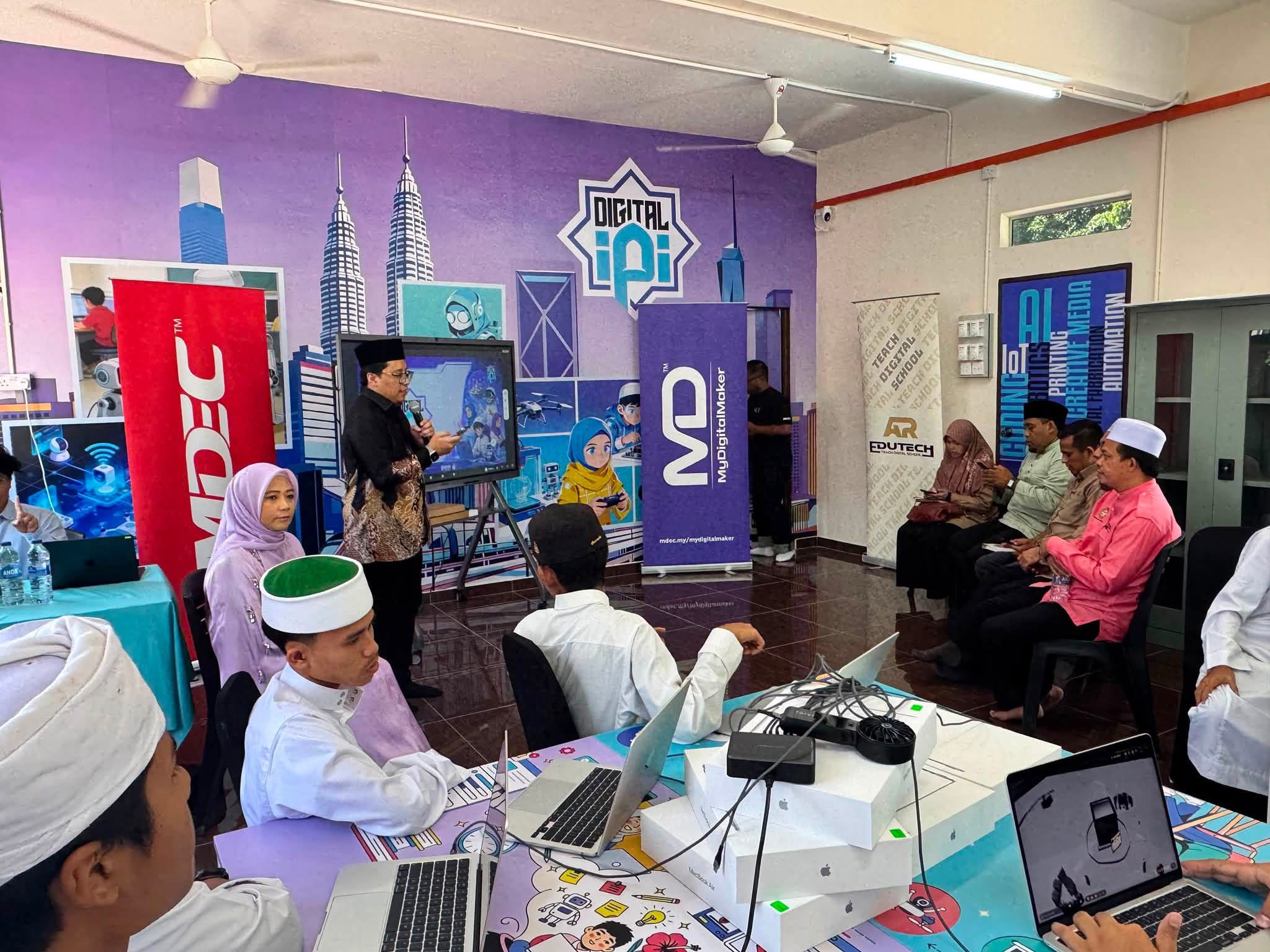
On 9–10 July 2026, the MetaSkool@Digital IPI (Institusi Pendidikan Islam) training programme was successfully conducted with educators and students from Sekolah Pondok Darul Furqan, Ipoh, Perak. This pilot initiative represents a significant milestone in Malaysia’s commitment to digital transformation within the Islamic education sector, bringing together the Malaysia Digital Economy Corporation (MDEC), the Department of Islamic Development Malaysia (JAKIM), and Universiti Kebangsaan Malaysia (UKM) in a collaborative effort to modernise teaching and learning methodologies across sekolah pondok and tahfiz institutions.
As MDEC’s strategic partner, UKM co-developed both the MetaSkool programme and the Metaverse Learning Framework for Education—a comprehensive pedagogical model grounded in contemporary educational research and informed by best practices in technology integration. This collaborative approach ensures that technological innovation remains aligned with sound pedagogical principles, maximising learning outcomes while maintaining the distinctive values and intellectual rigour central to Islamic education. The partnership reflects a shared vision to position Islamic educational institutions at the forefront of Malaysia’s digital economy, enabling them to harness emerging technologies as powerful vehicles for enhanced student engagement, knowledge retention, and critical thinking development.
Throughout the two-day workshop, participants engaged in both theoretical exploration and hands-on practical experience. Educators and students explored the potential of metaverse-based learning environments, discovering how three-dimensional, interactive virtual spaces can be leveraged to create engaging and contextualised educational experiences. Sessions focused on practical strategies for integrating digital tools into existing Islamic curricula while maintaining pedagogical authenticity, alongside capacity-building activities designed to develop educator competencies in designing and facilitating immersive learning experiences. Students participated in interactive activities that built digital literacy and collaborative problem-solving skills within a contextualised, culturally grounded educational setting.