CRISPedia – CRISPR Interactive Site

Explore the science of gene editing

Learn how DNA base pairs work, how mutations arise, and how CRISPR-Cas9 finds and cuts disease-causing genes, all through interactive simulations.

Understanding DNA

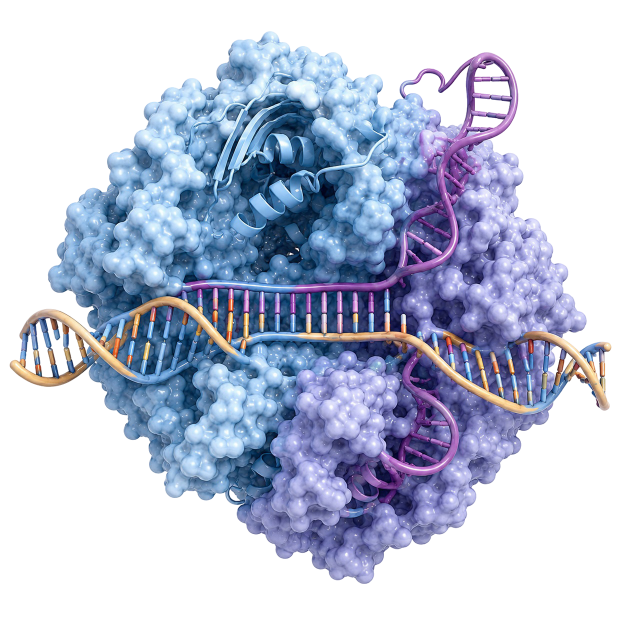
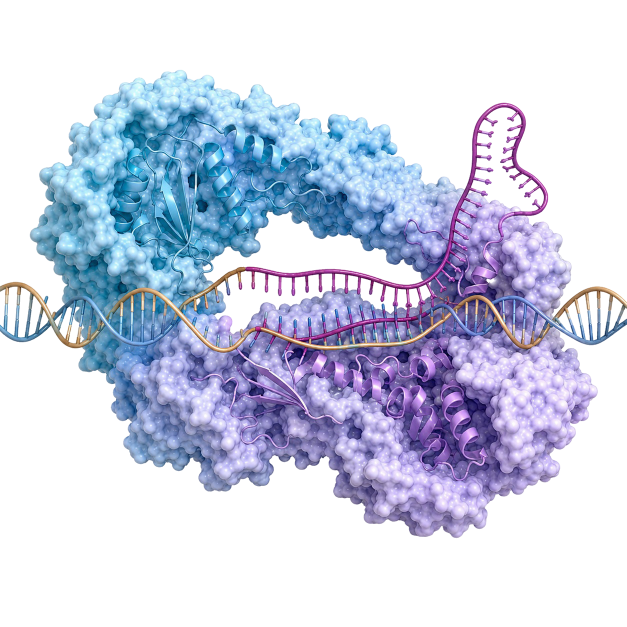
Meet the Gene Editing Tool

Find. Cut. Repair.

01
Find

A designed guide RNA carries a sequence that complements the DNA target.

~20 nt target
02
Bind

The guide RNA partners with the Cas9 protein and scans DNA for the matching site.

PAM required
03
Cut

Cas9 makes a double-strand break at the programmed genomic location.

DSB at target
04
Repair

The cell repairs the break, disrupting a gene or installing a designed change.

Edit created

Not one tool. A whole toolbox.

Select a platform to compare how today’s CRISPR systems change or detect genetic information.

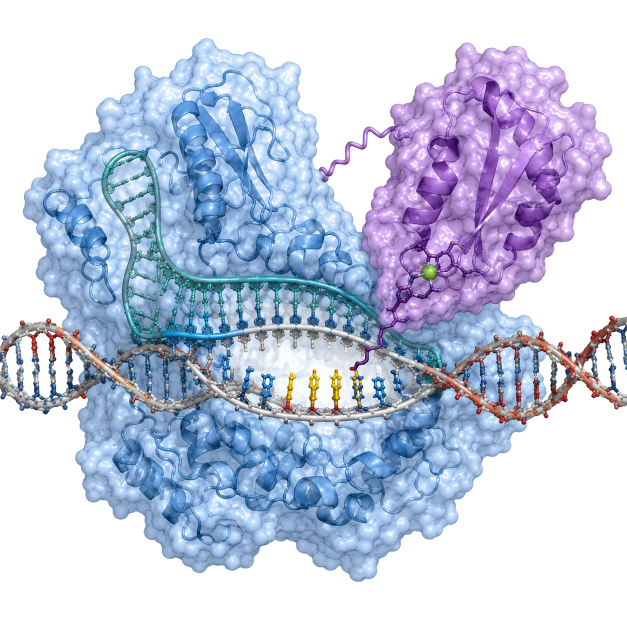
The original workhorse

Cas9 uses a guide RNA to recognize a matching DNA sequence beside a PAM, then cuts both strands. Cellular repair can disable a gene or install new DNA.

BEST SUITED TO: 

A compact,
staggered cut

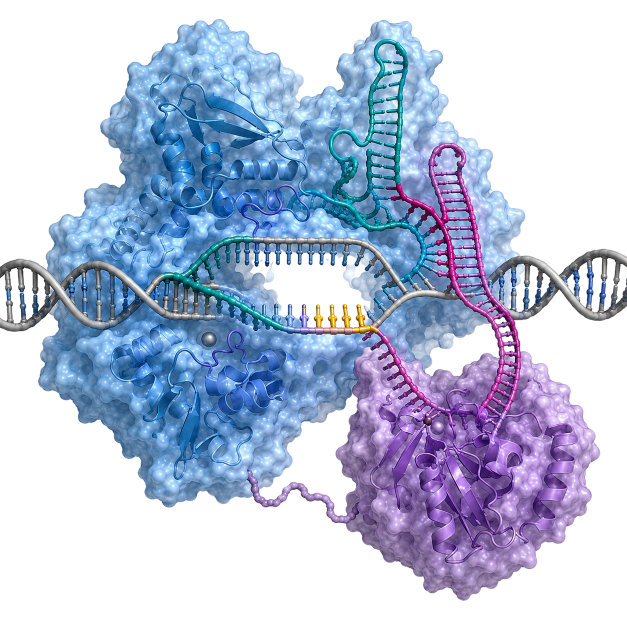
Cas12a recognizes a different PAM, needs only a crRNA and leaves staggered DNA ends. Its collateral cleavage activity also powers sensitive diagnostics.

BEST SUITED TO: 

Change one letter

A catalytically altered Cas protein positions an enzyme over a short editing window, enabling selected single-base conversions without a double-strand break.

Write a designed sequence

Prime editing combines a Cas9 nickase, reverse transcriptase and prime-editing guide RNA to write substitutions, small insertions or deletions.

BEST SUITED TO: 

Discover How CRISPR Is Changing Our World

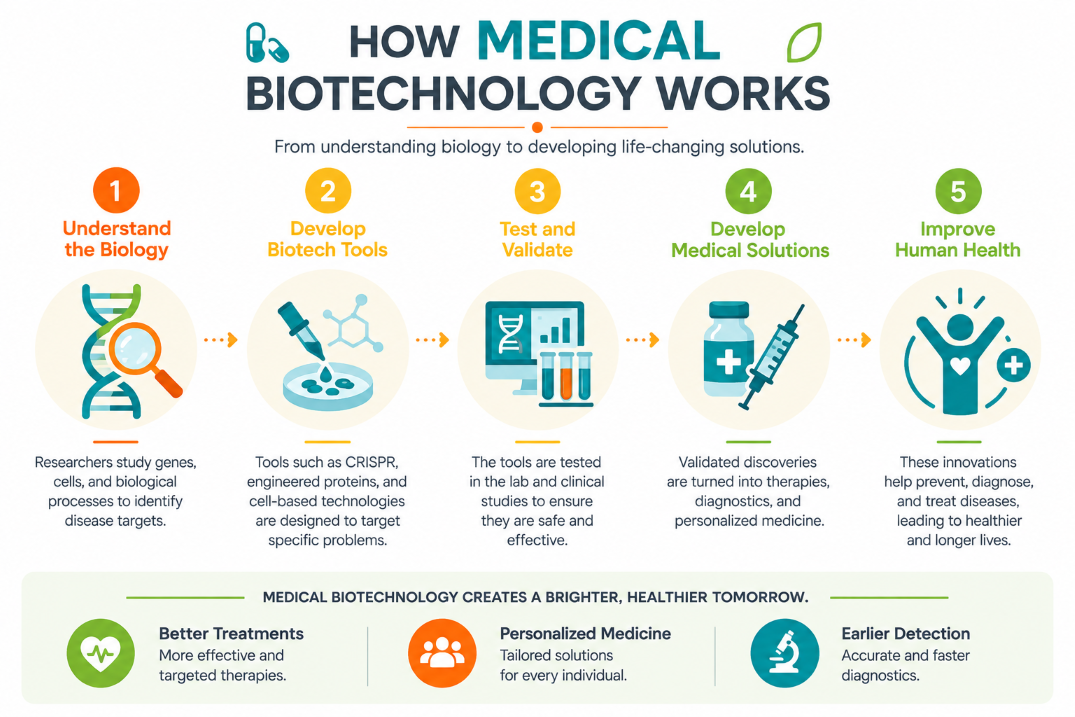
Medical Biotechnology

CRISPR is transforming modern medicine by enabling researchers to study genes, develop targeted therapies, and improve the diagnosis and treatment of genetic diseases.

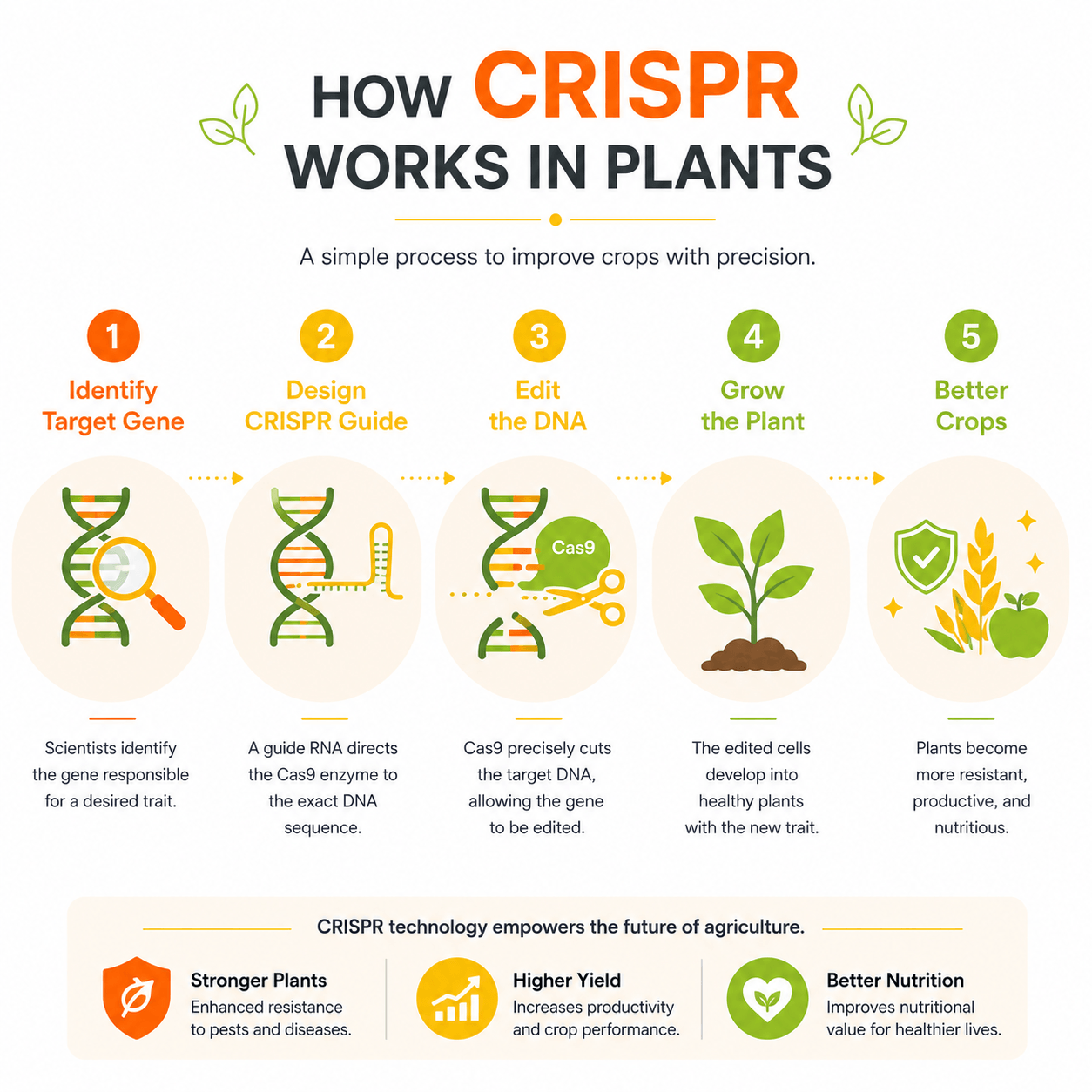
Plant Biotechnology

CRISPR enables precise modifications to plant DNA, helping scientists develop crops that are more productive, nutritious, and resilient to environmental challenges.

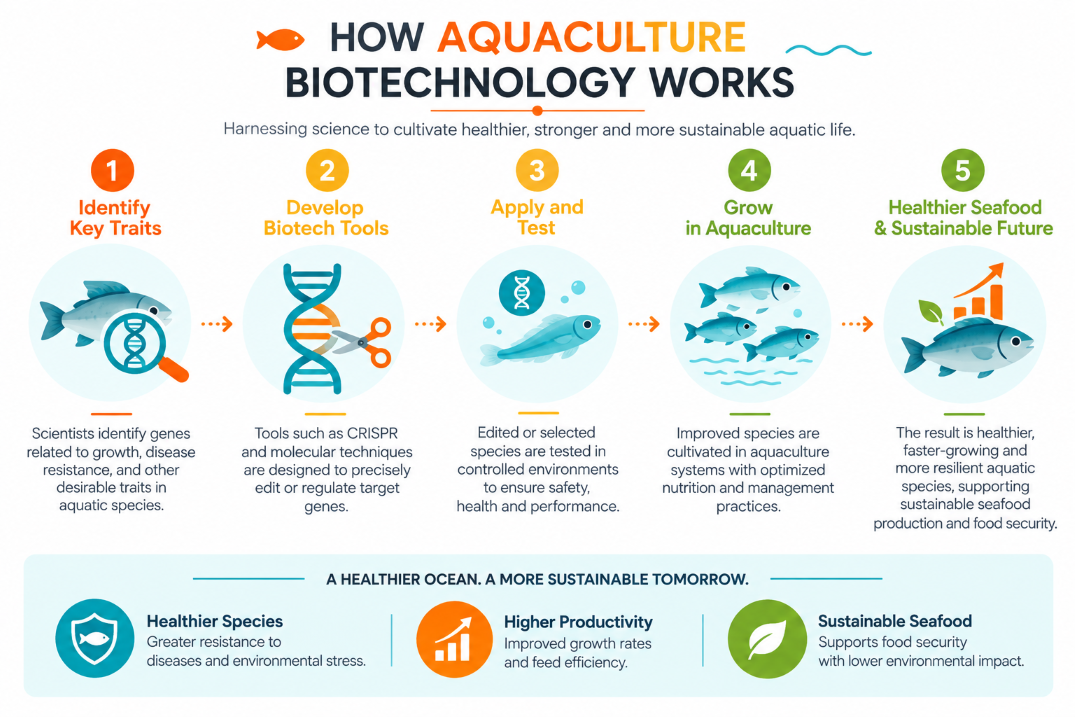
Aquaculture Biotechnology

CRISPR supports sustainable aquaculture by improving the health, growth, and resilience of aquatic species while reducing environmental impact.

Discover How CRISPR Is Changing Our World

Medical Biotechnology

CRISPR is transforming modern medicine by enabling researchers to study genes, develop targeted therapies, and improve the diagnosis and treatment of genetic diseases.

Plant Biotechnology

CRISPR enables precise modifications to plant DNA, helping scientists develop crops that are more productive, nutritious, and resilient to environmental challenges.

Aquaculture Biotechnology

CRISPR supports sustainable aquaculture by improving the health, growth, and resilience of aquatic species while reducing environmental impact.

Simulate Gene Outcomes

Reference
Normal HBB Gene
Healthy
Normal red blood cells
Healthy Biconcave RBCs
HBB Gene Sequence (Exon 1)
ATG GTG CAC CTG ACT CCT GAG GAG AAG GCT GCC GTC ACC GGC
Clinical Presentation
O₂ delivery: 95% — optimal oxygen transport
RBC lifespan: 90–120 days — normal
Cell shape: Biconcave disc — flexible and efficient
Symptoms: None — no disease
The healthy HBB gene produces normal haemoglobin A (HbA). Red blood cells maintain their biconcave disc shape — ideal for passing through narrow capillaries and maximising oxygen exchange.

Everything You Need to Know

What does CRISPR stand for?

CRISPR stands for Clustered Regularly Interspaced Short Palindromic Repeats — sequences found in bacterial DNA that form part of their adaptive immune system. The gene-editing tool uses the Cas9 protein paired with a guide RNA to cut specific DNA sequences with high precision.

CRISPR is considered safe under rigorous clinical protocols. The primary concern is off-target edits — unintended cuts elsewhere in the genome. The FDA approved Casgevy in 2023 for sickle-cell disease after extensive safety trials. Ongoing research focuses on improving delivery, precision, and long-term safety monitoring.

Somatic editing affects only the treated patient’s non-reproductive cells — edits are not inherited by offspring. Germline editing changes embryos, eggs, or sperm — edits pass to all future generations. Somatic editing is used clinically (e.g. Casgevy). Germline editing is largely banned or heavily restricted worldwide due to ethical and safety concerns.

CRISPR is being actively researched for cancer treatment. Approaches include engineering T-cells to better recognise tumour antigens (CAR-T therapy enhanced by CRISPR), disabling oncogenes, and restoring tumour suppressor function. Several early-phase clinical trials are ongoing for blood cancers with promising early results.

Key concerns include: germline editing creating heritable changes without consent of future generations; enhancement editing (designer babies); access inequity — Casgevy costs over $3M, limiting availability to wealthy nations; gene drives that could irreversibly alter wild ecosystems; and misuse for non-medical enhancement or bioweapons.

This simulator is designed for schools, universities, museums, and public science events. It teaches DNA base pairing, mutation detection, and the CRISPR mechanism through interactive modules. Educators use it for guided lab sessions or self-paced learning to make abstract molecular biology tangible and memorable.
Scroll to Top