
Our Programme
- programme
Professional Certificate In CRISPR Technology
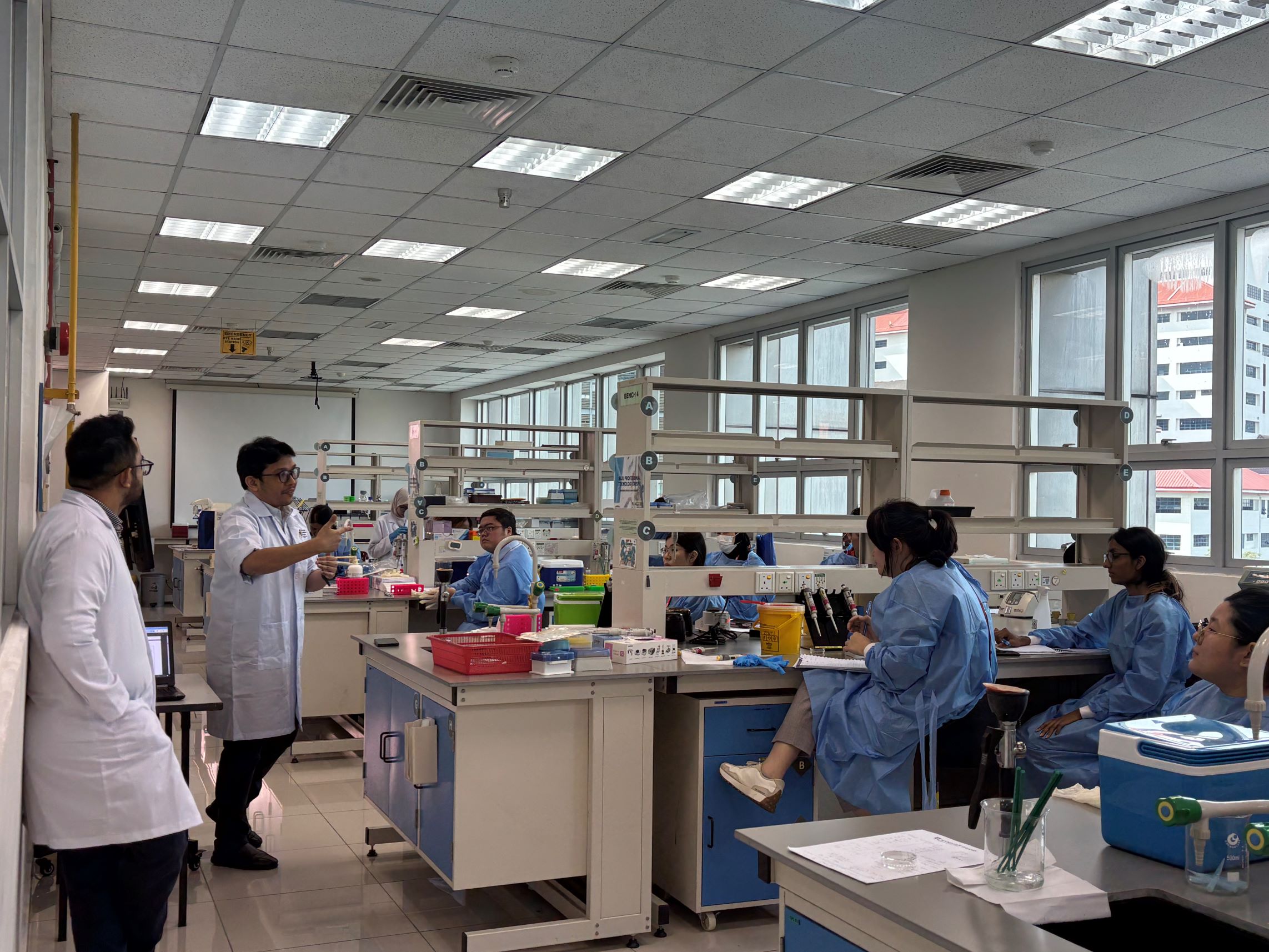
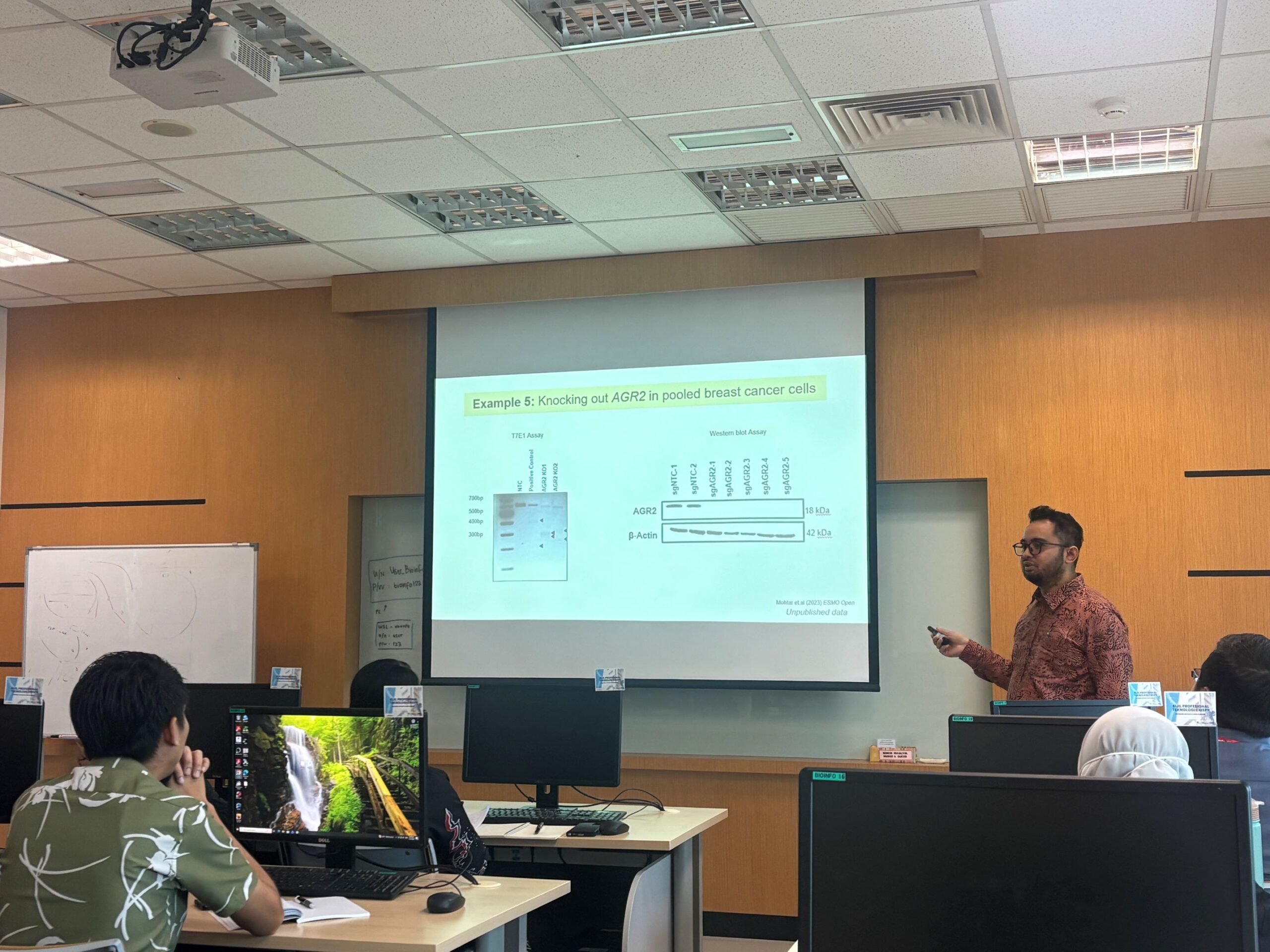
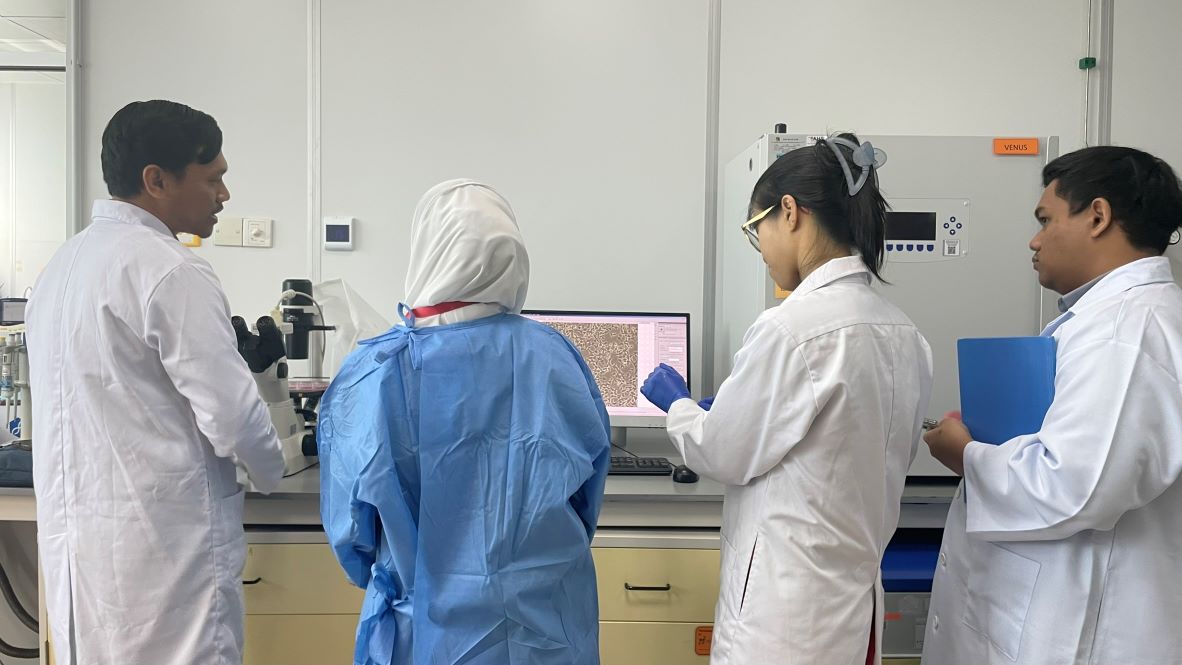
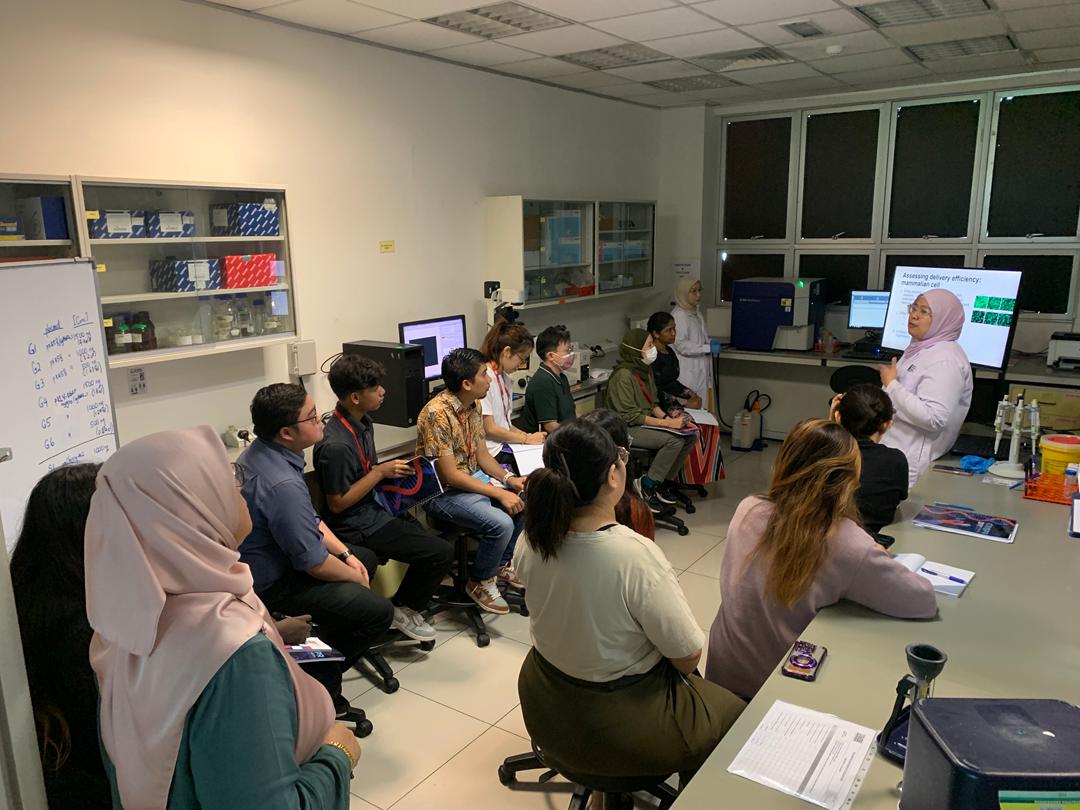
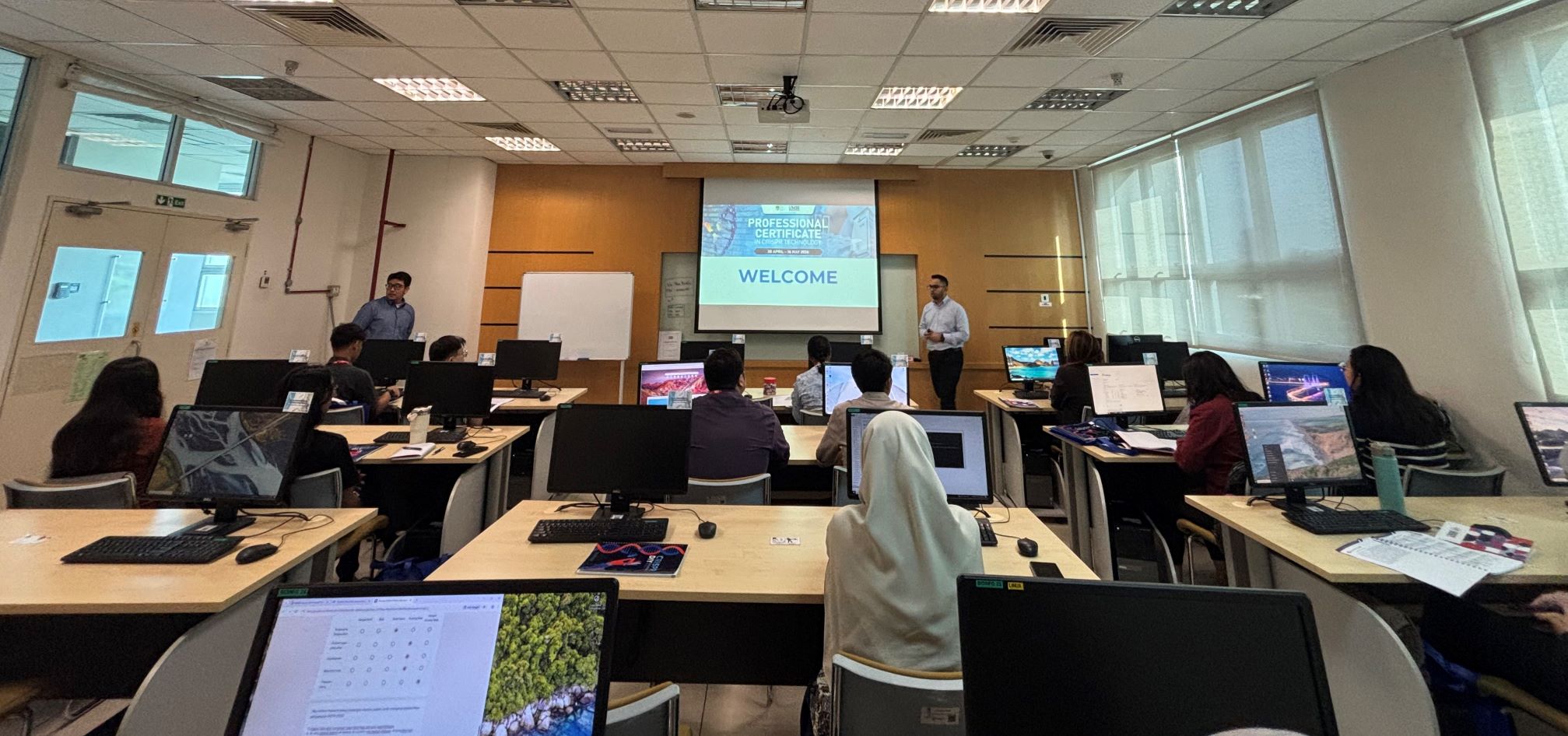
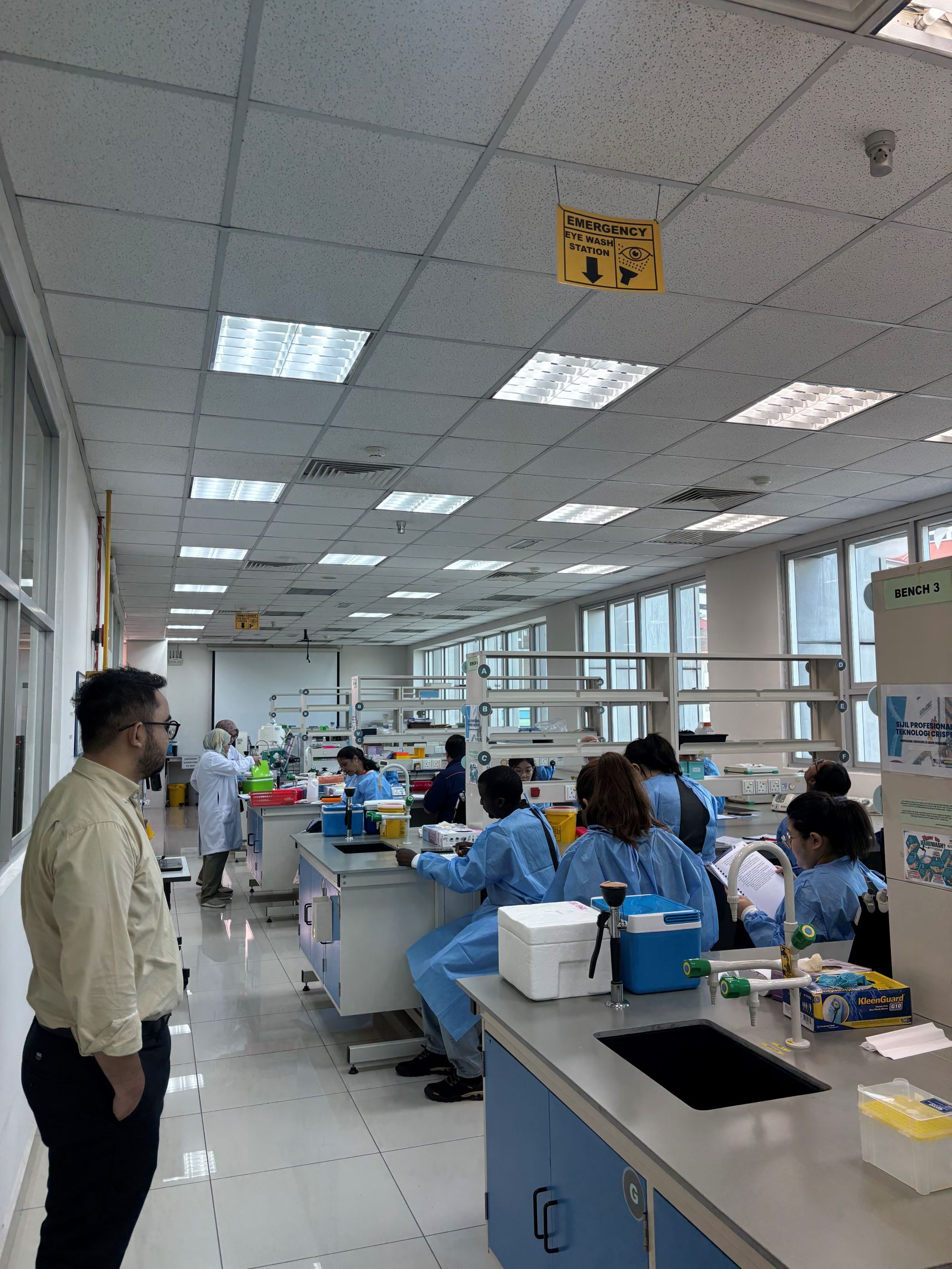
This Professional Certificate is designed to provide participants with both theoretical knowledge and practical laboratory experience in CRISPR Technology. The programme consists of two courses with a combined value of 3 credits, covering the fundamentals of CRISPR and hands-on gene editing techniques.
Open for Malaysian & Foreigner Candidates.
Learning Outcomes:
HPP1: To discuss the principle and mechanism of gene editing and modulations using CRISPR technology
HPP2: To elaborate the experimental workflow and technical aspects of CRISPR technology-mediated gene editing and modulations
HPP3: To design the experimental workflow for editing gene in cell line using CRISPR technology
HPP4: To conduct gene editing experiment in eukaryotic cells using CRISPR technology.
Entry Requirements:
The following prerequisites apply to admission:
1. A bachelor’s degree in an area related to Biology, Genetics, or such; OR
2. A bachelor’s degree in another field with at least two years of relevant job experience; OR
3. Possess a diploma and at least three years of work experience in a relevant industry.

- our researchers
Pioneering CRISPR Research
Ts. Dr. Mohamad Aimanuddin Mohtar
Research Fellow
Cancer Biology and Functional Proteomics
BSc. Biotechnology (H. Hons) (USA), MSc. Molecular Biology (Uni of Pennsylvania, USA), PhD Molecular & Clinical Medicine (Uni of Edinburgh,UK)

Ts. Dr. Saiful Effendi Syafruddin
Research Fellow
Cancer Biology and Functional Proteomics
BSc. (Hons) Biotechnology (RIT, USA), MSc. Molecular Genetics (Uni of Pennsylvania, USA), PhD Medical Sciences (University of Cambridge)

- gallery
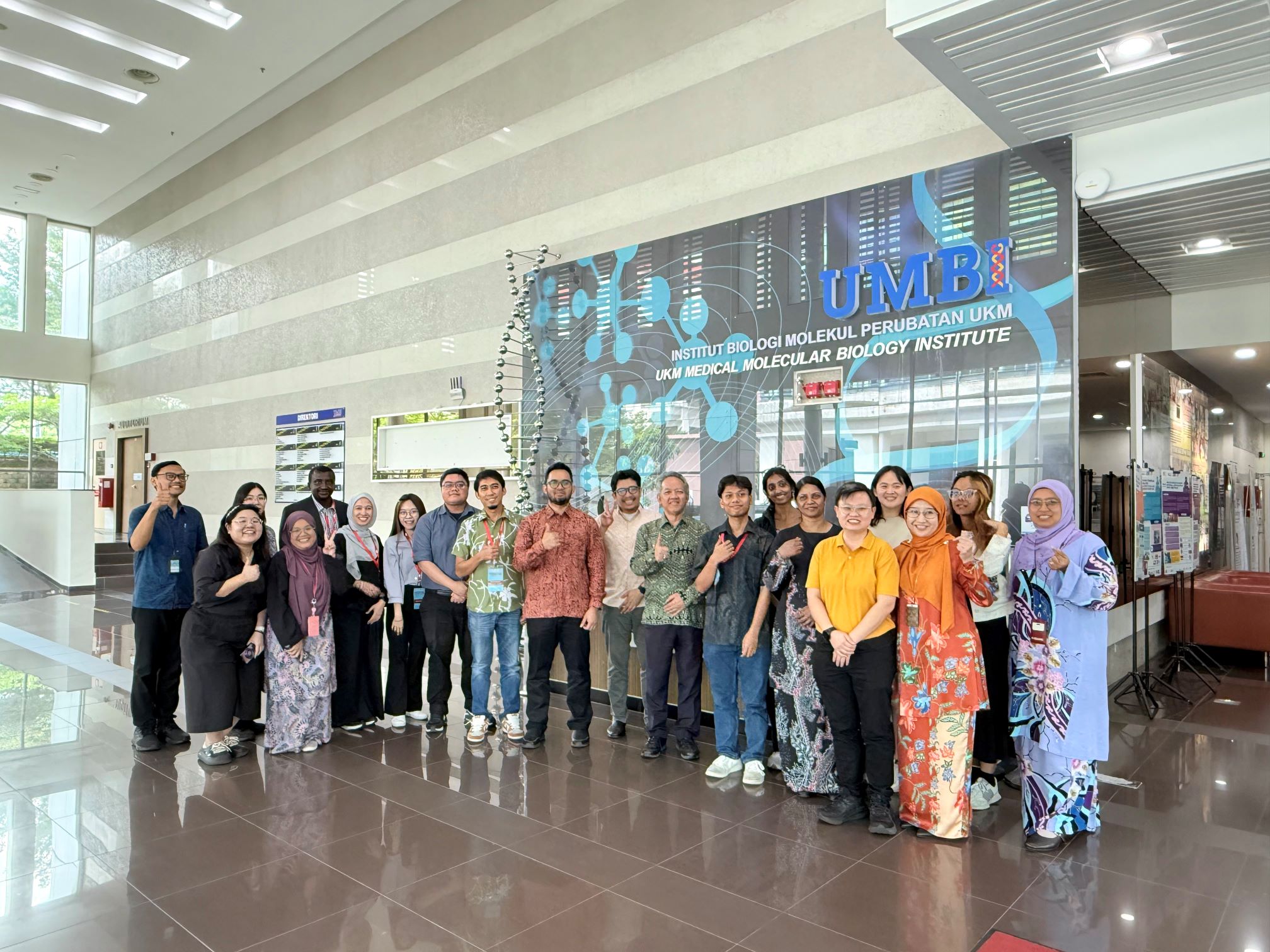
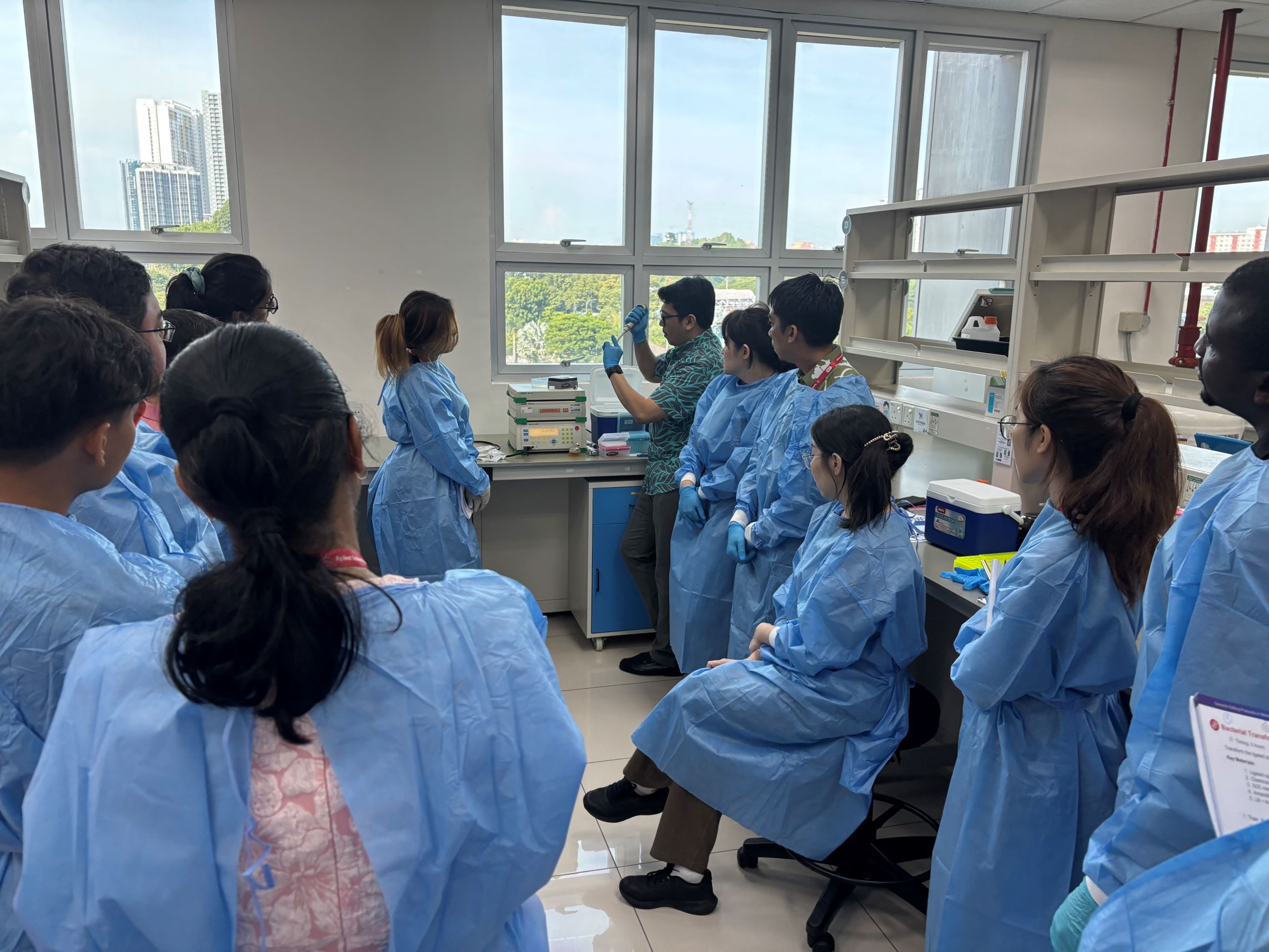
Our Learning Journey
- publication
Advancing Knowledge Through Research
- 1. Mohtar, M. A., Fessart, D., Cai, C. Y., Zahari, S., Syafruddin, S. E., Abdullah-Zawawi, M.-R., Morvan, V. L., Taouji, S., & Hupp, T. (2026). Genetic regulatory axis between AGR2 and ESR1 promotes breast cancer progression. PLOS ONE, 21(7), e0351873.
- 2. Zamberi, N. N. M., Abuhamad, A. Y., Yusuf, S. N. H. M., Rahman, N. Q. A. A., Mohtar, M. A., & Syafruddin, S. E. (2026). Perturbation of BRD4 and p300 activity suppresses super enhancer‑driven KLF6 expression in renal carcinoma. Oncology Reports, 55(6), 113.
- 3. Naes, S. M., Ab-Rahim, S., Mazlan, M., Syafruddin, S. E., Mohtar, M. A., Abuhamad, A. Y., & Rahman, A. A. (2025). CRISPR/Cas9 mediated ENT2 gene knockout altered purine catabolic pathway and induced apoptosis in colorectal cell lines. PLOS ONE, 20(8), e0329501.
- 4. Zamberi, N. N. M., Alias, M. R., Mohtar, M. A., & Syafruddin, S. E. (2025). Teknologi Penyuntingan Genom CRISPR/CAS9 dan Penyuntingan Perdana Dalam Kajian Biologi Molekul dan Kefungsian Gen. Jurnal Sains Kesihatan Malaysia (Malaysian Journal of Health Sciences), 23(2).
- 5. Abuhamad, A. Y., Mohamad Zamberi, N. N., Sheen, L., Naes, S. M., Mohd Yusuf, S. N. H., Ahmad Tajudin, A., Mohtar, M. A., Amir Hamzah, A. S., & Syafruddin, S. E. (2022). Reverting TP53 Mutation in Breast Cancer Cells: Prime Editing Workflow and Technical Considerations. Cells, 11(10), Article 10.
- 6. Abuhamad, A. Y., Mohamad Zamberi, N. N., Vanharanta, S., Mohd Yusuf, S. N. H., Mohtar, M. A., & Syafruddin, S. E. (2023). Cancer Cell-Derived PDGFB Stimulates mTORC1 Activation in Renal Carcinoma. International Journal of Molecular Sciences, 24(7), Article 7.
- 7. Chia, Y. C., Syafruddin, S. E., & Mohtar, M. A. (2026). Strategi Terapeutik Berasaskan CRISPR: Sempadan Baru Dalam Rawatan Kanser Payudara (CRISPR-Based Therapeutic Strategies: A New Frontier in Breast Cancer Treatment). Jurnal Sains Kesihatan Malaysia (Malaysian Journal of Health Sciences), 24(1).
- 8. Mohamad Zamberi, N. N., Abuhamad, A. Y., Low, T. Y., Mohtar, M. A., & Syafruddin, S. E. (2024). dCas9 Tells Tales: Probing Gene Function and Transcription Regulation in Cancer. The CRISPR Journal, 7(2), 73–87.
- 9. Rahman, N. S. A., Zahari, S., Syafruddin, S. E., Firdaus-Raih, M., Low, T. Y., & Mohtar, M. A. (2022). Functions and mechanisms of protein disulfide isomerase family in cancer emergence. Cell & Bioscience, 12(1), 129.
- 10. Sicari, D., Centonze, F. G., Pineau, R., Le Reste, P.-J., Negroni, L., Chat, S., Mohtar, M. A., Thomas, D., Gillet, R., Hupp, T., Chevet, E., & Igbaria, A. (2021). Reflux of Endoplasmic Reticulum proteins to the cytosol inactivates tumor suppressors. EMBO Reports, 22(5), e51412.
- 11. Wong, P. K., Cheah, F. C., Syafruddin, S. E., Mohtar, M. A., Azmi, N., Ng, P. Y., & Chua, E. W. (2021). CRISPR Gene-Editing Models Geared Toward Therapy for Hereditary and Developmental Neurological Disorders. Frontiers in Pediatrics, 9.
- 1. M. Aiman Mohtar. Penyuntingan Baka Secara Tidak Terkawal Lahirkan Manusia Mutan. Berita Harian 20th December 2023.
- 2. Mohtar MA, Syafruddin SE, Amir Hamzah AS (2019). Teknologi penyuntingan gen CRISPR dan teknik terbaharu pengesanan COVID-19.
- 1. A practical manual for designing single-guide RNA in CRISPR genome editing experiment (UKM Medical Molecular Biology Institute) M. Aiman Mohtar (2026).
- 2. Mohtar, M. A., Syafruddin, S. E., Abdullah-Zawawi, M.-R., Abdul Jalal, M. I., Low, T. Y., & Tan, S. C. (n.d.). Integrated Approach to Precision Oncology (pp. 1–21). Springer International Publishing.
- 3. Abdullah-Zawawi, M.-R., Tan, S. C., Mohtar, M. A., Syafruddin, S. E., Low, T. Y., & Abdul Jalal, M. I. (2025). Unveiling Cancer Complexity: Machine Learning Insights into Multi-omics Data. In N. Rezaei (Ed.), Artificial Intelligence and Bioinformatics in Cancer: An Interdisciplinary Approach (pp. 51–69). Springer Nature Switzerland.
1. Geran Universiti Penyelidikan, (GUP)
Fluorescence-based LAMP–CRISPR assay for blood-based screening of high-risk HPV genotypes linked to cervical cancer. GUP-2025-036
2. MAKNA Cancer Research Award
Harnessing Ligand-Based AGR2 Chimeric Antigen Receptors for Solid Tumors Targeting. JJ-2024-004
3. The france-MalaYsia collaboraTIon proGramme for joint rEseaRch 2023 (MyTIGER 2023)
Investigation of AGR2-breast cancer secretome for innovative therapy. MT51-03 / GPS-DPK-2023-001
4. Geran Universiti Penyelidikan (GUP)
Elucidating the crosstalk between HIF2α-VEGFA and KLF6-PDGFβ axes in driving renal carcinoma hypervascularization. (GUP-2023-005)
5. Fundamental Research Grant Scheme (FRGS)
CRISPR-based technologies for the identification of transcriptional regulatory elements in driving AGR2 gene overexpression in breast cancer. FRGS/1/2022/SKK10/UKM/02/8
6. Dana Impak Perdana (DIP, High Impact Grant)
CRISPR-based technologies for the identification of transcriptional regulatory elements in driving AGR2 gene overexpression in breast cancer. FRGS/1/2022/SKK10/UKM/02/8
7. Annies Fahmi Initiative Sdn Bhd Research Grant
Elucidating the functional link between proximal super enhancer locus and NR3C1 transcriptional regulation in clear cell renal cell carcinoma.. JJ-2021-001.
8. International Centre for Genetic Engineering and Biotechnology (ICGEB)
CRISPRi genetic screen in identifying surfaceome addiction in glioblastoma multiforme. CRP/MYS19-04_EC. JJ-2019-001.
9. Fundamental Research Grant Scheme (FRGS)
Elucidating the upstream regulatory elements that support the super enhancer associated KLF6 expression in clear cell renal cell carcinoma (ccRCC). FRGS/1/2020/ SKK0/UKM/03/3
10. Geran Galakan Penyelidik Muda (GGPM, Young Investigator Grant)
Functional validation of CRISPR-Cas9 genetic screening hit HSF4 in supporting clear cell renal cell carcinoma pathogenesis. GGPM-2020-035
11. Geran Penyelidikan Perubatan Dr. Ranjeet Bhagwan Singh.
Investigating the glucocorticoid receptor NR3C1 role in supporting clear cell renal cell carcinoma (ccRCC) pathogenesis. JJ-2020-005
12. Majlis Kanser Negara (MAKNA)
Elucidating the mode of PDGFB-mediated activation of mTORC1 signalling pathway in clear cell renal cell carcinoma. JJ-2020-001
13. Fundamental Research Grant Scheme (FRGS)
Quantitative mass spectrometry analysis of cell surface proteins of cancer cell induced by the reconstitution of the pro-oncogenic anterior gradient-2 protein. (FRGS/1/2018/STG04/UKM/03/1)
14. Principal Investigator: (Geran Galakan Penyelidik Muda, GGPM)
(Geran Galakan Penyelidik Muda, GGPM): Devising synthetic anti-cancer tools targeting pro-oncogenic AGR2 protein. (GGPM-2018-043) (2018-2020)
15. Principal Investigator: (Dana Impak Perdana,DIP)
Elucidating the mechanism of secretion for pro-metastatic AGR2 protein. (DIP-2018-011) (2018-2020).
- 1. Invited Speaker (2025). Rewriting the Code of Life: Exploring the Power of CRISPR-Cas9. Malaysian Bioscience Scholar (MBIOS)
- 2. Invited Speaker (2024). Mass spectrometry based proteomics and Gene editing. Introduction to proteomics and metabollomics. Institute of Medical Research, National Institute of Health, Institute
- 3. Guest Speaker (2024). Basics of Cancer Biology. UiTM Collaborative Learning Session – BIO411- Cell Biology.
- 4. Keynote Speaker (2022). CRISPR-Cas9 Genome Editing Technology Webinar 2022. Invited by Ningbo Mingzhou Biotechnology Co. Ltd.
- 5. Speaker: M.A Mohtar (2018). CRISPR Gene Editing & CRISPR-Cas9 Experience in My Research. Pre-conference Workshop: CRISPR Gene Editing & Multiplex Immunoassay International Conference on Drug Discovery and Translational Medicine 2018 (ICDDTM '18) 3rd Dec 2018.
- 1. Co-Chairman/Speaker/Facilitator. CRISPR Genome Editing Workshop 2022. UKM Medical Molecular Biology Institute, Kuala Lumpur (2022).
- 2. Speaker/Facilitator. Hands-on CRISPR-Cas9 Gene Editing 2022. Institute of Medical Research (IMR), Setia Alam, Selangor (2022).
- 3. Speaker: CRISPR-Cas9 Gene Editing Technology. Pre-conference Workshop: CRISPR-Cas9 Gene Editing Technology. International Conference on Drug Discovery and Translational Medicine 2018 (ICDDTM '21) 7th Dec 2021
- 4. Chairman/Speaker/Facilitator. CRISPR Gene Editing Workshop. UKM Medical Molecular Biology Institute, Kuala Lumpur (2019).