Case Control Study O Risk Factors for Chronic Kidney Disease Among Type 2 Diabetes Mellitus: Preliminary Findings from the Malaysia Cohort Study
By: Norfazilah Ahmad (norfazilah@ppukm.ukm.edu.my)
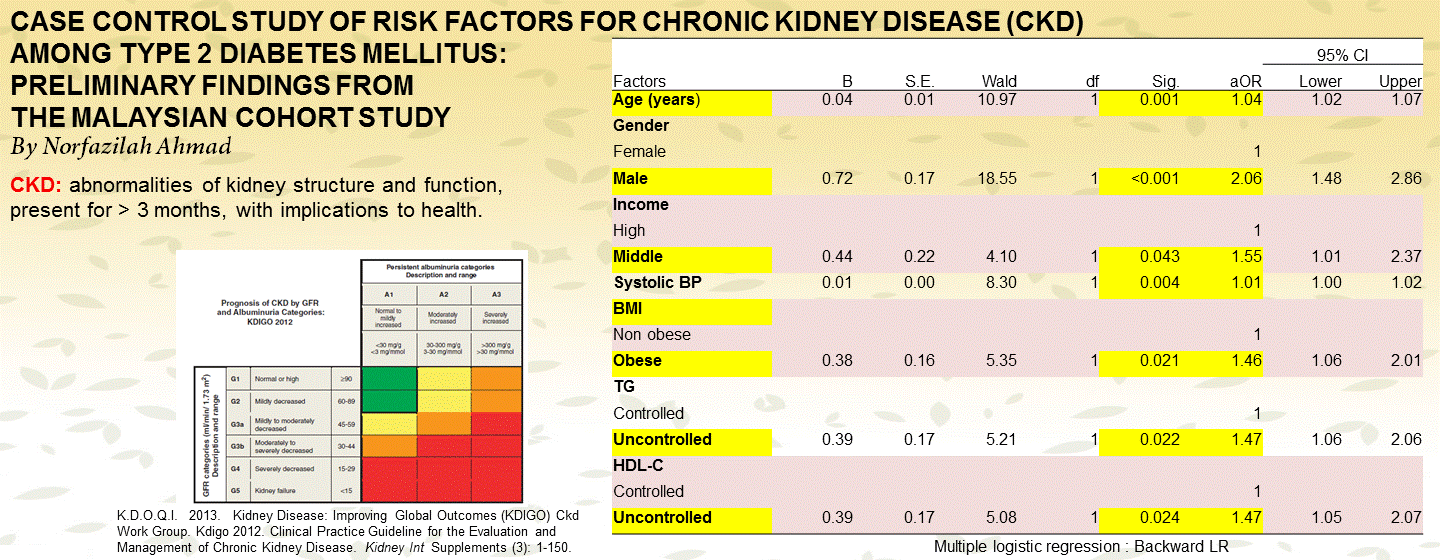
Type 2 Diabetes Mellitus (T2DM) is a chronic disease causing significant mortality and morbidity. The prevalence of patients having complications due to this disease is alarmingly high. Chronic kidney disease (CKD) is one one of the most common complications related to this disease. CKD is a becoming a major public health problem globally with an increasing incidence and prevalence. These complications will result in increasing economic burden due to hospitalization, patient medication and loss of productivity. A case control study among 355 CKD (stages 1-5) cases and 339 non-CKD controls among the partipants of the follow up phase of The Malaysian Cohort (TMC) was conducted. Risk factors for CKD cases included increased age (aOR 1.04; 95% CI 1.02, 1.07), male gender (aOR 2.06; 95%CI 1.48,2.86), having middle income compared to high income (aOR 1.55; 95% CI 1.01, 2.37), increased systolic blood pressure (aOR 1.01; 95% CI 1.00, 1.02), obesity (aOR 1.46; 95% CI 1.06, 2.01), uncontrolled triglyceride (aOR 1.47; 95% CI 1.06, 2.06) and uncontrolled HDL-cholesterol levels (aOR 1.47; 95% CI 1.05, 2.07). Determining the environmental risk factors for CKD is important as these factors can be the focal points for public health prevention, especially for primary and secondary preventions. CKD can be considered a classic example of human complex disease caused by genetic factors, environment factors and interaction between these factors. The promises of personalized medicine will be fulfilled when studies can successfully identify genetic variants that can modify the effect of environment on CKD risk.