Fakulti Kejuruteraan dan Alam Bina

Fakulti Kejuruteraan & Alam Bina
Universiti Kebangsaan Malaysia
SDG 11 : BANDAR DAN KOMUNITI MAMPAN
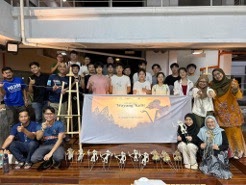
SummerCamp@FKAB 2024
Tarikh: 12 – 14 December 2024
Masa: 8.30 p.m. & 9.30 p.m.
Lokasi: FKAB Courtyard, UKM
Pengenalan
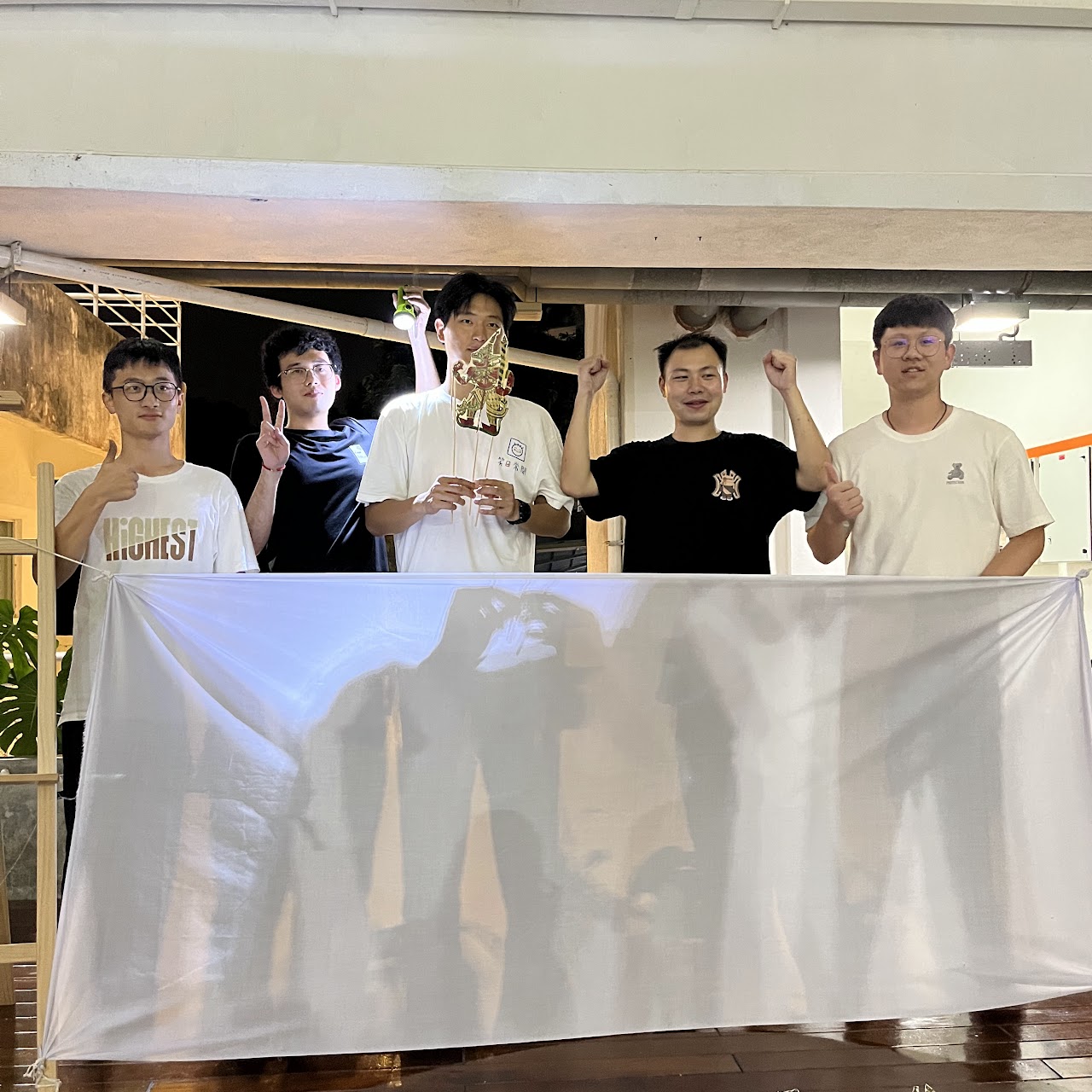
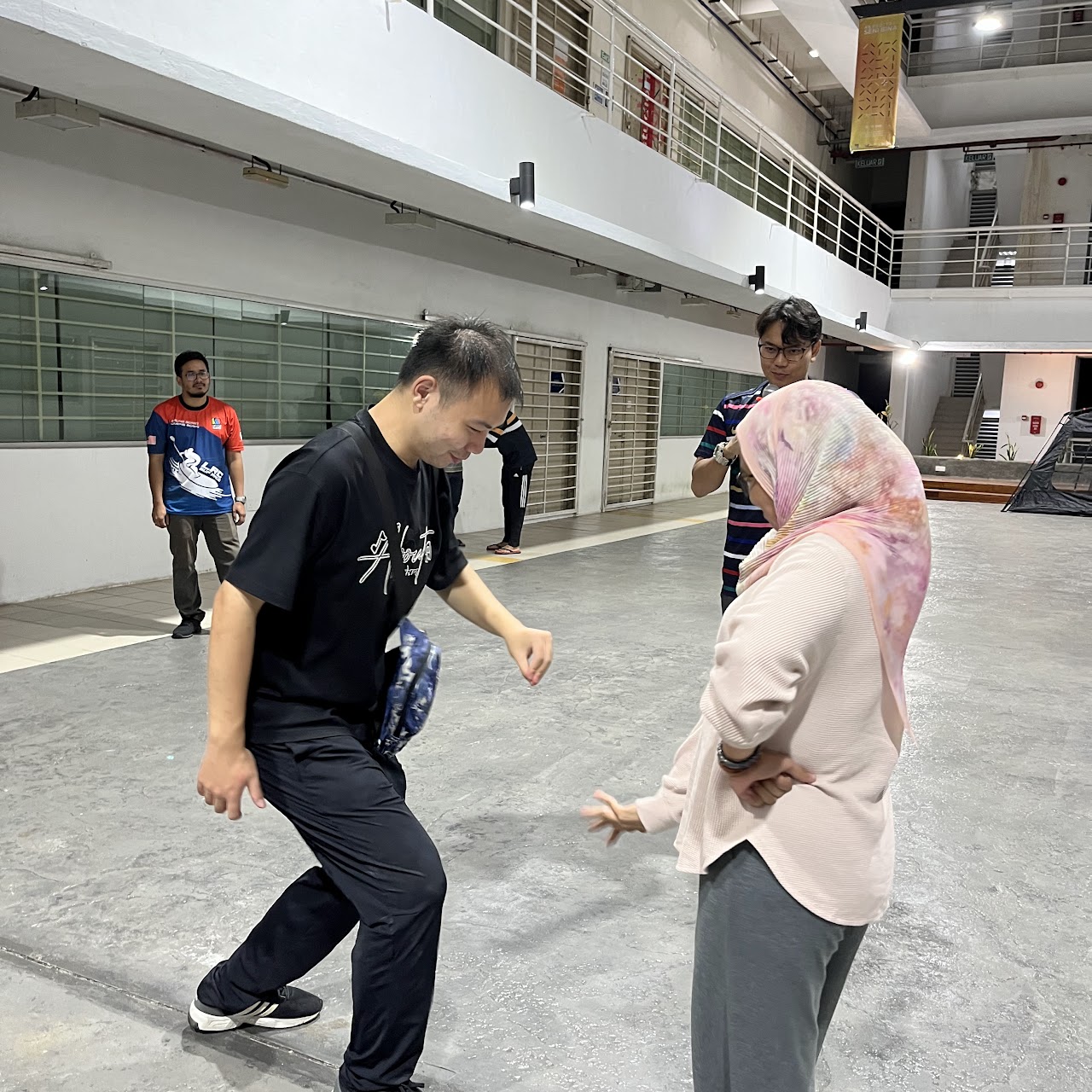
SummerCamp@FKAB 2024 was designed to provide mobility students from Hangzhou Dianzi University (HDU), China, with an enriching cultural experience in Malaysia. The programme immerses students in traditional Malaysian heritage through interactive cultural activities and experiential learning.
Objektif
- Foster cross-cultural understanding between Malaysian and Chinese students.
- Provide mobility students with exposure to Malaysia’s cultural heritage.
- Preserve and promote intangible heritage through interactive activities like Galah Panjang and Wayang Kulit.
Ringkasan Program
SummerCamp@FKAB is part of the HDU mobility programme, combining cultural exploration and hands-on experiences. Students participated in traditional Malaysian games and arts, and visited cultural landmarks such as Pasar Seni and Putrajaya. The programme was organized with the support of PMK and HEJIM Secretariat, ensuring a smooth and impactful implementation.
Kerjasama & Penglibatan
- Hangzhou Dianzi University (HDU), China
- PMK
- HEJIM Secretariat
Statistik Program
- Participants: 24 HDU Mobility Students
- Level: Global
- Finance: RM 8,563
Impak
The programme contributed to preserving Malaysia’s intangible cultural heritage by promoting inclusivity and cross-cultural exchange. Students gained intercultural adaptability and appreciation of Malaysian traditions, sharing their experiences beyond local communities and fostering sustained interest in cultural practices.
Kesimpulan
SummerCamp@FKAB 2024 highlighted FKAB’s commitment to cultural heritage preservation, diversity, and international collaboration. It successfully engaged international students in Malaysia’s rich traditions, strengthening global awareness and appreciation for cultural diversity.
Gambar & Pautan
Sumber: SDG 11 – SummerCamp@FKAB 2024.docx (UKM SDG template & programme details).
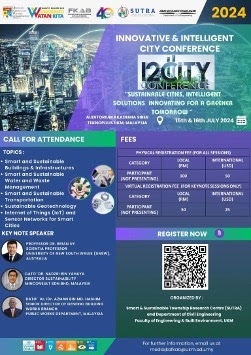
Innovative Intelligent City International Conference 2024 (I2CITY 2024)
Tarikh: 15 – 16 July 2024
Masa: 8.00 a.m. – 5.00 p.m.
Lokasi: Akademia Siber Teknopolis (AST), FKAB, UKM
Pengenalan
I2CITY 2024 is the first Innovative & Intelligent City International Conference organised by SUTRA-FKAB. It serves as a platform for forward-thinkers, practitioners, and enthusiasts to exchange ideas, share research findings, and explore the latest innovations in building smarter, more sustainable cities.
Objektif
- Provide a knowledge-sharing platform for diverse research in urban development.
- Foster collaborations in intelligent and sustainable city practices.
- Promote innovations that support greener, smarter, and more resilient cities.
Ringkasan Program
With the theme “Sustainable Cities, Intelligent Solutions: Innovating for a Greener Tomorrow”, the conference featured presentation sessions and proceedings covering Smart and Sustainable Buildings, Infrastructure, Water & Waste Management, Transportation, Sustainable Geotechnology, and IoT & Sensor Networks.
The event gathered researchers, policymakers, and industry leaders to discuss best practices, share expertise, and explore practical solutions for advancing sustainable urban living.
Kerjasama & Penglibatan
- Prof. Dr. Jiantao Wu – Hohai University, China
- Dato’ Sri Ir. Dr. Judin Abdul Karim – Vice Executive President, MRCB
- Dato’ Dr. Nadzri Yahaya – Director Sustainability, Minconsult Sdn. Bhd.
- Dato’ Ar. Idr. Azman Md. Hashim – Senior Director, Public Works Department Malaysia
Statistik Program
- Participants: 89
- Level: Global
- Finance: RM 11,000
Impak
The conference promoted sustainable urban development by encouraging adoption of green building technologies, energy-efficient solutions, and resilient infrastructure. It empowered stakeholders to design smarter cities that reduce environmental impact, enhance urban livability, and build resilience for the future.
Kesimpulan
I2CITY 2024 provided a crucial platform for knowledge exchange and innovation, aligning with SDG 11 by promoting sustainability, efficiency, and quality of life in urban communities.
Gambar & Pautan
Sumber: SDG 11 – I2CITY 2024.docx (UKM SDG template & programme details).
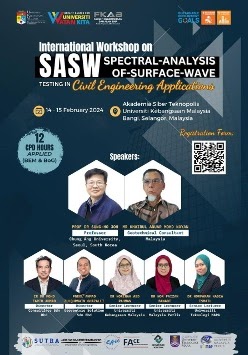
The International Workshop on Spectral-Analysis-of-Surface-Wave (SASW) Testing in Civil Engineering Applications
Tarikh: 14 – 15 February 2024
Masa: 8.00 a.m. – 5.00 p.m.
Lokasi: Akademia Siber Teknopolis (AST), FKAB, UKM
Pengenalan
The SASW Workshop focused on exchanging experiences and ideas between universities and industry on the latest developments in site investigation technology, design, and forensic engineering. It served as a knowledge-sharing platform to highlight advancements in civil engineering and related fields.
Objektif
- Promote the enhancement of knowledge and research environments in engineering and science.
- Establish and expand networking between academics, researchers, and industry professionals.
- Highlight new research findings with practical applications in industry.
Ringkasan Program
Spectral-Analysis-of-Surface-Wave (SASW) is a non-destructive geophysical method used to assess the mechanical properties of soils, concrete, pavements, and tunnels. It involves generating surface waves with a seismic source and recording them using geophones or accelerometers.
By analysing dispersion characteristics, such as phase velocity versus frequency, engineers can estimate shear wave velocity profiles of subsurface materials. This allows assessment of structural conditions without damaging sites—an advantage over traditional destructive testing methods.
Kerjasama & Penglibatan
- Prof. Dr. Sung-Ho Joh – Chung Ang University, Seoul, South Korea
- Mr. Khairul Anuar Mohd Nayan – Geotechnical Consultant, Malaysia
- Ir. Dr. Mohd Farid Ahmad – Director, Consultface Sdn. Bhd.
- P.Geol. Ahmad Zulqurnain Ghazalli – Director, Geoventure Solution Sdn. Bhd.
- Dr. Norfarah Nadia Ismail – Senior Lecturer, Universiti Teknologi MARA
- Dr. Nor Faizah Bawadi – Senior Lecturer, Universiti Teknologi MARA
Statistik Program
- Participants: 40
- Level: Global
- Finance: RM 19,000
Impak
The workshop advanced knowledge in civil engineering by facilitating academia–industry exchanges, promoting interdisciplinary collaboration, and strengthening professional skills. It introduced cutting-edge methods for site investigation and forensics, contributing to safer and more sustainable infrastructure while supporting resilient city planning.
Kesimpulan
SASW 2024 provided a vital platform for knowledge exchange and innovation in civil engineering. By bridging academia and industry, it promoted research collaboration, fostered professional development, and encouraged sustainable infrastructure practices that benefit both the engineering community and society.
Gambar & Pautan
Sumber: SDG 11 – SASW Workshop 2024.docx (UKM SDG template & programme details).
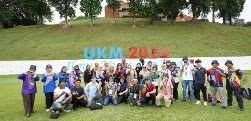
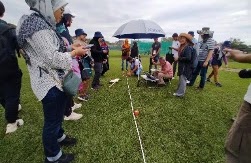
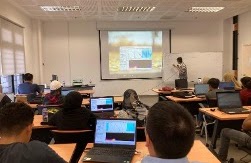
Bangku-Thon Innovation at Denai Sungai Langat UKM
Tarikh: April 2024 – April 2025
Lokasi: Denai Sungai Langat, UKM
Pengenalan
The Bangku-Thon programme is a year-long initiative designed to equip UKM students with 5-C skills through innovation and experiential learning. By developing and installing rest benches along the Denai Sungai Langat trail, the programme enhances user comfort while fostering student innovation and community engagement.
Objektif
- Apply 5-C skills (critical thinking, communication, collaboration, creativity, and citizenship) to UKM students.
- Empower students to design and innovate rest benches benefiting Langat River Trail users.
- Promote sustainable and impactful community projects led by youth.
Ringkasan Program
Running from April 2024 to April 2025, the programme involves 87 participants who designed and installed rest benches along the Denai Sungai Langat. With a budget of RM7,000, and in collaboration with Jabatan Pengairan Saliran (JPS) Hulu Langat, the initiative highlights the role of student-led projects in sustainable public space development.
Kerjasama & Penglibatan
- Universiti Kebangsaan Malaysia (UKM)
- Jabatan Pengairan Saliran Hulu Langat (JPS)
Statistik Program
- Participants: 87
- Level: Local
- Finance: RM 7,000
Impak
The programme successfully provided students with 21st-century competencies while improving user comfort at Denai Sungai Langat UKM. It also demonstrated the importance of student involvement in high-impact community projects, fostering innovation, responsibility, and sustainable practices.
Kesimpulan
Bangku-Thon exemplifies how academic-industry-government collaboration can benefit both communities and the environment. It empowered students, improved public facilities, and contributed to sustainable urban development aligned with SDG 11.
Gambar & Pautan
Sumber: SDG 11 – Bangku-Thon Innovation.docx (UKM SDG template & programme details).
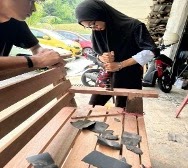
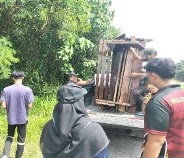
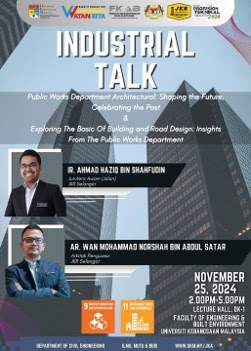
Industrial Talk: Public Works Department Architecture & Exploring the Basics of Building and Road Design
Tarikh: 25 November 2024
Masa: 2.00 p.m. – 5.00 p.m.
Lokasi: FKAB, UKM
Pengenalan
This industrial talk, led by the Public Works Department (PWD), aimed to provide comprehensive insights into the role of PWD in shaping national infrastructure. It explored the historical evolution of architectural and road design practices while highlighting key projects that have influenced modern developments.
Objektif
- Enhance participants’ understanding of PWD’s contributions to infrastructure development.
- Bridge theoretical knowledge with real-world applications through expert case studies.
- Highlight sustainability, innovation, and best practices in urban planning and civil engineering.
- Encourage students to explore career opportunities within the public sector.
Ringkasan Program
The session covered the evolution of architectural and road design principles, featuring expert presentations on design standards, construction practices, and sustainable innovations. Real-world case studies illustrated the challenges and opportunities in public infrastructure projects. The programme provided a valuable platform for knowledge exchange between students, academicians, and industry experts.
Kerjasama & Penglibatan
- Public Works Department (PWD)
- Universiti Kebangsaan Malaysia (UKM)
Statistik Program
- Participants: 35
- Level: National
- Finance: –
Impak
The talk enhanced participants’ understanding of public infrastructure development, particularly in architecture and road design. It broadened students’ perspectives on career opportunities in the public sector, fostered critical thinking about challenges in urban development, and highlighted sustainability in civil engineering practices.
Kesimpulan
The Industrial Talk bridged academic learning with industry expertise, inspiring future professionals to pursue careers in public infrastructure. By showcasing the role of PWD in shaping national infrastructure, the event encouraged innovation, excellence, and sustainability in urban development.
Gambar & Pautan
Sumber: SDG 11 – Industrial Talk.docx (UKM SDG template & programme details).
Program Pendidikan Pengomposan Sisa Makanan Komuniti Peringkat MPAJ
Tarikh: 28 August 2024
Masa: 10.00 a.m.
Lokasi: Pusat Anaerobic Digester, MPAJ, Ampang Jaya
Pengenalan
This programme aimed to educate 200 primary and secondary school students from Ampang Jaya on the importance of sustainable food waste management. It aligns with the National Cleanliness Policy, which emphasizes reducing waste through recycling and composting as a means to prevent pollution.
Objektif
- Raise awareness among students and residents about sustainable food waste management.
- Promote recycling and composting to reduce pollution from local communities.
- Provide hands-on exposure to food waste composting technology and BSF breeding.
Ringkasan Program
The programme, organised by the Jabatan Pengurusan Sisa Pepejal dan Pembersihan Awam MPAJ, included four participating schools: Pandan Indah, Taman Keramat, Bukit Indah, and Seri Keramat National Secondary Schools. Activities featured a briefing on composting using Anaerobic Digester and Black Soldier Fly (BSF) machines, conducted by MPAJ’s Assistant Health and Environment Officer and UKM’s Dr. Irfana Kabir Ahmad.
Students were also introduced to BSF breeding and management, enhancing their practical knowledge of sustainable waste handling methods.
Kerjasama & Penglibatan
- Jabatan Pengurusan Sisa Pepejal dan Pembersihan Awam, Majlis Perbandaran Ampang Jaya (MPAJ)
- Universiti Kebangsaan Malaysia (UKM)
Statistik Program
- Participants: 200
- Level: Local
- Finance: –
Impak
The programme provided students and the community with knowledge and practical skills in food waste separation, composting, and BSF breeding. It demonstrated innovative approaches to recycling food waste into valuable resources and reinforced environmental responsibility. By engaging both schools and residents, the initiative supported the National Cleanliness Policy, contributing to a cleaner and greener community.
Kesimpulan
The Food Waste Composting Education Programme empowered participants with awareness and hands-on skills, fostering long-term sustainable practices. It strengthened the community’s collective effort to reduce pollution and encouraged environmentally conscious living aligned with SDG 11.
Gambar & Pautan
Sumber: SDG 11 – Food Waste Composting Education Programme.docx (UKM SDG template & programme details).