

TEACHING MODULE
YEAR 1, SEMESTER 1 :
FFFF1213 - Body Tissue Module
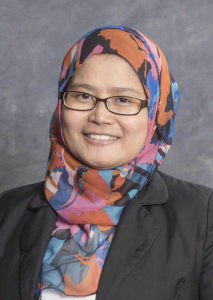
Module Leader : Dr. Taty Anna Kamarudin
The cell is the functional unit of all living organisms. The goal of this module is to explain to students about the human body, based on cells, classification of basic tissues, and derivatives formed from embryos.
This knowledge can then be used to relate the basics of diseases at the cellular level. This module helps in studying the structure of body tissues that consist of cells.
Structure is closely related to cell function. Together with knowledge from physiology, biochemistry, pathology, and other basic sciences, the study of body tissues provides powerful tools in understanding the normal function of the body and also the disease processes.
YEAR 1, SEMESTER 2 :
FFFF1424 - Musculoskeletal System Module
Module Leader : Dr. Isma Liza Mohd Isa

The goal of this module is to enable students to acquire the basic principles of the structure of bones, joints, muscles, neurovascular supply, and their functions. Emphasis will be placed on the application of basic knowledge to common clinical disorders and diseases of the musculoskeletal system.
Additionally, clinical correlations in the fields of radiology and orthopedic disciplines will be introduced to enhance students’ knowledge and abilities in this module. Students will learn through lectures on concepts, practical sessions, Problem-Based Learning (PBL) packages, and self-directed learning (SLP).
YEAR 2, SEMESTER 1 :
FFFF2214 - Cardiovascular System Module
Department Representative : Dr. Mohamad Fairuz Yahaya
The goal of this module is to expose students to the disease processes that affect the cardiovascular system. The module is built upon an understanding of the structure, function, and metabolism of the heart and blood vessels.
Students will gain knowledge about the basic mechanisms and principles of managing cardiovascular diseases, enabling them to integrate basic science knowledge and clinical concepts related to the system.
FFFF2313 - Respiratory System Module
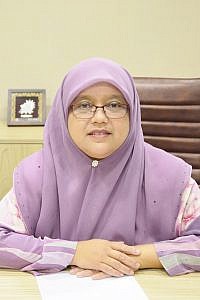
Department Representative : Prof. Madya Dr. Teoh Seong Lin
The goal of this module is for students to understand the structure of the respiratory system and relate the structure to its function.
Basic science knowledge acquired in Year 1, such as infection and immunity, disease mechanisms, and pharmacokinetics of drugs, will help students understand how diseases commonly affect the respiratory system, as well as the medications used in respiratory diseases.
FFFF2433 - Urinary System Module
Department Representative : Prof. Madya Dr. Elvy Suhana Mohd Ramli
The objectives of this module are:
Firstly, students should have sufficient knowledge of the macroscopic and microscopic structure of the excretory system to understand normal function and common clinical problems.
Secondly, students should understand the role of the kidneys in regulating the volume and composition of body fluids and how they respond to abnormal volumes, electrolyte concentrations, and systemic hemodynamics.
Thirdly, students should understand the details of renal cell function and also be able to identify the basics of related therapies.
Fourthly, students should be able to explain normal excretion, the causes of oliguria, and conditions such as glomerulonephritis, pyelonephritis, urinary tract infections, kidney stones, hematuria, proteinuria, and both acute and chronic kidney failure.
YEAR 2, SEMESTER 2 :
FFFF2125 - Gastrointestinal & Hepatobiliary System Module
Department Representative: Prof Madya Dr. Teoh Seong Lin
Department Representative: Dr. Taty Anna Kamarudin
The goal of this module is to guide students in studying and understanding the development (embryology), structure, relationships, radiology, and histology (anatomy), function (physiology), and metabolism (biochemistry) of the gastrointestinal tract and hepatobiliary system. It also emphasizes the pathological aspects in terms of epidemiology, etiology, pathogenesis, clinical manifestations (pathology, microbiology, and parasitology), as well as the basic principles of management and control (pharmacology & public health) of gastrointestinal diseases and infections.
FFFF2242 - Endocrine System Module
Department Representative: Dr. Taty Anna Kamarudin
he goal of this module is to enable students to acquire basic knowledge about the endocrine system, which includes the anatomy of endocrine glands, the hormones secreted, including their synthesis and degradation, mechanisms of action, secretion regulation, and also the mechanisms and pathophysiology of endocrine disorders. It will also help students understand the signs and symptoms of common endocrine disorders and enable them to interpret related test results for diagnosing these disorders. This module will also cover the pharmacological management of several common endocrine disorders.
FFFF2325 - Neuroscience System Module
Department Representative : Dr. Mohamad Fairuz Yahaya
The goal of the Neuroscience Module is to prepare medical students for the study of the structure and function of the main components of the nervous system, as well as the disorders that affect them. They will also gain an understanding of tests and imaging related to the nervous system and connect them to patient problems.
Students will understand the importance of basic diagnostic concepts, such as upper and lower motor neuron disorders, peripheral and central nervous system disorders, and related conditions, in greater detail. Additionally, the focus will also include the examination of discrete functional damage, the global function of the cerebral cortex, and other parts of the nervous system, as well as their relationship with brain neurochemistry.
Students will also learn about common nervous system infections, including toxoplasmosis, prevention, and medications used in treatment. Furthermore, they will understand the medications used in degenerative diseases, drug abuse, hypnotics, sedatives, anesthetics, anticonvulsants, antidepressants, and antipsychotics. Additionally, students will study cerebrum neoplasia, its effects, and complications. Similarly, they will understand the effects of tumors on the nervous system.
FFFF2443 - Reproductive System Module
Department Representative : Dr. Mohamad Fairuz Yahaya
The objective of this module is for students to understand the human reproduction process, from gamete production to the birth of a baby. Students will study and understand common problems and disorders of the male and female reproductive systems, contraceptive mechanisms, and the transmission of sexually transmitted infections.