Sustainable Use, Conservation and Restoration of Land
Universiti Kebangsaan Malaysia (UKM) has established a clear institutional policy framework to ensure the conservation, restoration, and sustainable use of terrestrial ecosystems associated with the university, as outlined in the UKM Sustainability Strategic Plan 2030, which was developed in 2022 and had been reviewed in 2025. This strategic plan demonstrates UKM’s long-term commitment to environmental stewardship by integrating ecosystem conservation into campus operations, research, and community engagement. The plan aligns with Sustainable Development Goal 15 (Life on Land), which emphasizes the protection of biodiversity, sustainable land management, and restoration of degraded ecosystems, including forests, mountains, and drylands.
Under the Sustainable Campus Pillar of the UKM Sustainability Strategic Plan 2030, the university prioritizes the sustainable management of land and green spaces within and surrounding its campuses. This includes initiatives to preserve biodiversity, maintain ecosystem balance, and protect natural landscapes that serve both educational and ecological purposes. The plan calls for the development of flora and fauna inventories, tree-planting programs, and restoration activities aimed at rehabilitating degraded land areas. UKM’s policy also highlights the importance of biodiversity monitoring, policy formulation for flora and fauna conservation, and community-based reforestation and awareness campaigns, thereby fostering a culture of shared environmental responsibility among students, staff, and local communities.
Furthermore, UKM’s commitment extends beyond policy statements into practical actions. The university manages areas of land used for sustainable agricultural and research purposes, such as the UKM oil palm research plot, where sustainable cultivation practices are applied in alignment with environmental guidelines. UKM also supports eco-campus initiatives and green infrastructure development, ensuring that land development and construction projects adhere to ecological sensitivity standards and minimize environmental impact. These initiatives are complemented by the university’s efforts to integrate sustainability into teaching, research, and campus management, transforming UKM into a living laboratory for sustainability and ecosystem management.
The UKM Sustainability Policy 2030, which complements the Strategic Plan, reinforces this institutional commitment by emphasizing ecosystem well-being, conservation, and restoration as key components of university governance. The policy ensures that campus development respects natural habitats, encourages responsible land use, and integrates biodiversity protection into planning and operations. Through this approach, UKM not only safeguards terrestrial ecosystems under its care but also positions itself as a national leader in environmental conservation and sustainability education.
UKM’s policies and strategic frameworks provide a comprehensive and actionable approach to the sustainable use, conservation, and restoration of land ecosystems. By embedding sustainability principles into all aspects of university management, ranging from land use and biodiversity monitoring to educational outreach and research UKM exemplifies its dedication to protecting terrestrial ecosystems for future generations. These commitments underscore UKM’s role as a university that not only advances knowledge but also acts as a guardian of Malaysia’s natural heritage.
1. UKM Sustainability Strategic Plan 2030
UKM is dedicated to the sustainable use, conservation, and restoration of land as a core element of its UKM Sustainability Strategic Plan 2030. Aligned with Objective 8 under Sustainability Pillar 4, which emphasizes biodiversity and natural resource conservation, UKM commits to enhancing the health of existing ecosystems and biodiversity on its campus. This strategic framework drives UKM initiatives to support ecosystem sustainability through rigorous research, educational programs, and community engagement. By fostering a culture of ecological stewardship, UKM actively involves students and faculty in biodiversity research to understand local ecosystems and their responses to environmental pressures. Beyond preservation, UKM collaborates with local communities, governmental bodies, and conservation organizations to implement effective conservation and restoration strategies. This approach not only raises public awareness of biodiversity’s importance but also supports the recovery of degraded ecosystems. Through these comprehensive efforts, UKM reinforces its role as a leader in sustainable land use and biodiversity conservation, contributing to national sustainability goals and the protection of natural heritage for future generations.
- Conserving and preserving the ecosystem and biodiversity including flora and fauna:
UKM prioritizes the sustainable use, conservation, and restoration of land by actively preserving the diverse ecosystems and species on its campus. This commitment includes developing a comprehensive inventory of plant and animal species, allowing UKM to accurately identify and monitor its biological resources. By maintaining detailed records and tracking ecosystem health, UKM ensures that conservation efforts are both informed and effective, enhancing the protection and resilience of its natural habitats. These initiatives reflect UKM’s dedication to preserving ecological integrity and promoting sustainable land management practices.
- Increasing ecosystem conservation and preservation activities as well as flora and fauna biodiversity:
UKM is committed to sustainable land use, conservation, and restoration through diverse programs aimed at preserving biodiversity. These initiatives include tree planting campaigns in collaboration with government agencies and NGOs, which enhance community engagement and raise public awareness about ecological balance. By actively involving local communities and stakeholders, UKM not only strengthens its conservation efforts but also cultivates a culture of environmental stewardship and responsibility, reinforcing sustainable practices that protect and restore natural ecosystems.
- Creating a Policy on flora and fauna:
UKM is strengthening its commitment to sustainable land use, conservation, and restoration by developing comprehensive policies and guidelines for managing and preserving campus flora and fauna. These policies will establish best practices for biodiversity conservation, ensuring that UKM approach to ecosystem management is systematic and aligned with national and global sustainability goals. By formalizing these guidelines, UKM not only reinforces its dedication to protecting biodiversity but also creates a structured framework for ongoing improvements in conservation, setting a strong foundation for future ecological stewardship.

Source: https://www.ukm.my/kelestarian/data/publications/UKM-SUSTAINABILITY-STRATEGIC-PLAN-2030.pdf
- Policy Created: 2022
- Policy Review: 2025
2. UKM Sustainable use, conservation and restoration of land
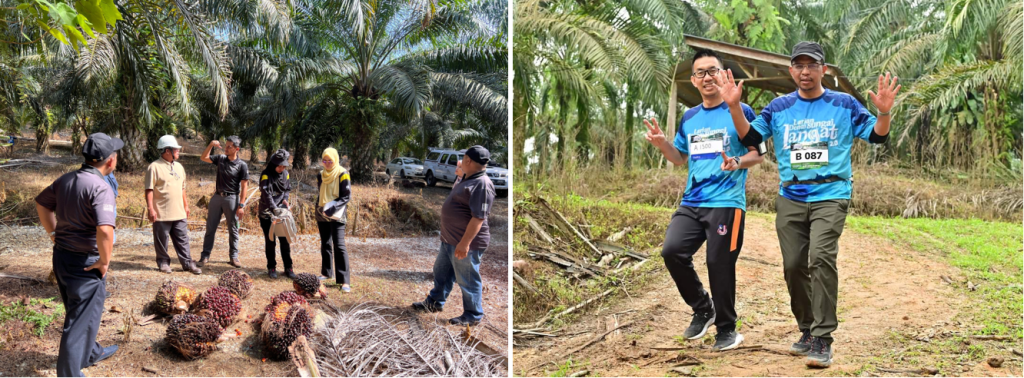
UKM owns and oversees two agricultural lands dedicated to oil palm cultivation, which are managed under an agreement with a licensed company. This company is responsible for all operational aspects of the plantations, including revenue collection, plantation maintenance, and implementing sustainable agricultural practices such as fertilization, pruning, and infrastructure upkeep. The partnership not only ensures the efficient management of these lands but also provides UKM staff and students with access to the plantations for research, educational activities, and recreational purposes, fostering an environment for practical learning and sustainable agricultural development.
Location:
1. Kuala Pilah Oil Palm Plantation
2. UKM Bangi Oil Palm Plantation
Operations:
- The company is responsible for revenue collection and the upkeep of the oil palm plantation, including tasks such as fertilization, frond pruning, and road maintenance.
- UKM staff and students are permitted to conduct various activities on the plantation, such as research and recreational activities like running.
UKM’s Oil Palm Plantation is accessible for research visits and community engagement activities, providing a valuable platform for collaborative learning and knowledge exchange. This initiative allows researchers, students, and community members to explore sustainable agricultural practices, participate in hands-on projects, and gain insights into oil palm management. By opening the plantation for educational and collaborative purposes, UKM fosters community involvement and supports research that contributes to sustainable land management and environmental stewardship.