
End poverty in all its forms everywhere
SDG 1 Indicator
1.4 – Community anti-poverty programmes
1.4.1 – Local Start-up Assistance
In 2025, Universiti Kebangsaan Malaysia (UKM) demonstrated its commitment to poverty reduction and inclusive economic empowerment through seven community-focused initiatives that supported the development of financially and socially sustainable businesses. Implemented through UKM’s research institutes, faculties, entrepreneurship centre and student organisations, these initiatives provided entrepreneurship education, practical training, knowledge transfer, technological exposure and business development resources to underserved communities, particularly micro-entrepreneurs, single mothers, homemakers, rural youth and agricultural communities.
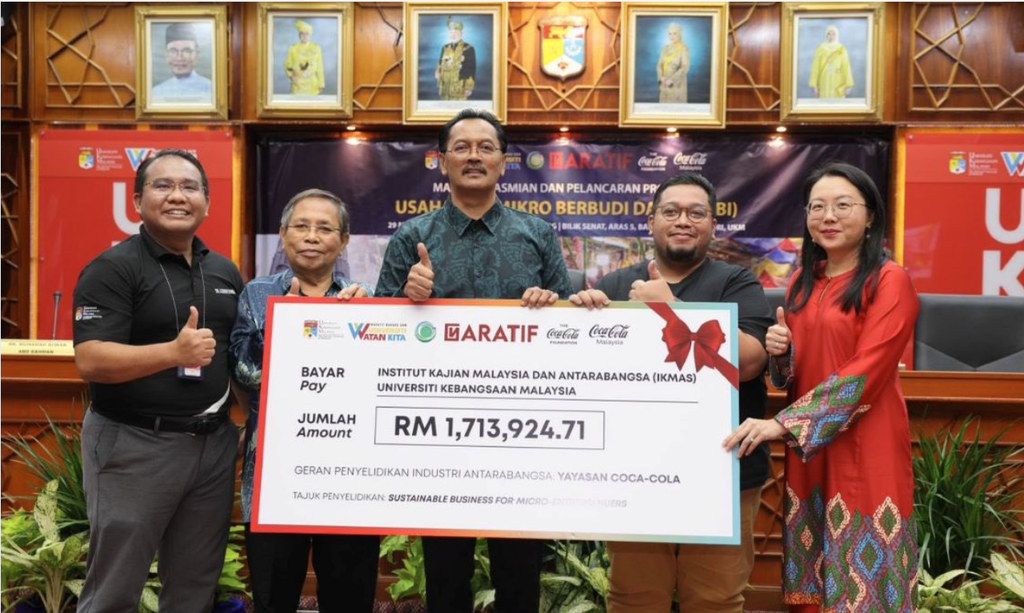
A major initiative was the Usahawan Mikro Berbudi Daya (UMBI) Project, implemented by the Institute of Malaysian and International Studies (IKMAS) with RM1,713,924.71 in funding from The Coca-Cola Foundation. Through its RUMBI entrepreneurship development framework, the project promotes financial management, business planning, operational efficiency and entrepreneurial resilience, supported by community engagement and business assessments across seven geographical zones. Meanwhile, the UKM-CESMED Rural Youth Agropreneurship Programme delivered five knowledge-transfer workshops, recording 105 participant attendances, including specialised training in Internet of Things (IoT) and Black Soldier Fly (BSF) technologies.
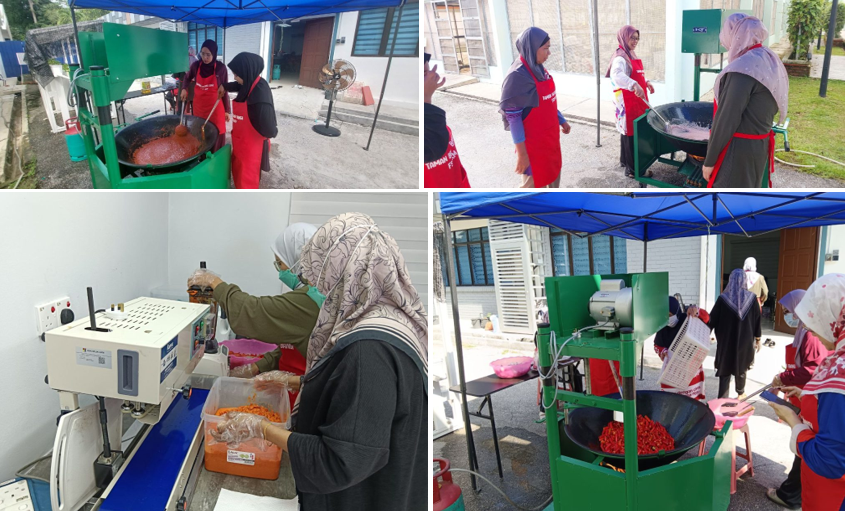
Complementing this initiative, UKM’s Botanica Sambal Production Workshop, UniMADANI Programme for Single Mothers and Homemakers, and Suritani Club Sambal Penyet Production Programme equipped local women with practical competencies in food processing, product development, hydroponic farming, packaging and marketing, creating opportunities for home-based entrepreneurship and sustainable income generation.
UKM further strengthened rural economic empowerment through its Smart Agriculture Initiative, implemented by LESTARI in collaboration with the Kemubu Agricultural Development Authority (KADA), engaging 200 local community participants across six farmers’ organisations. The initiative generated research-based insights into factors influencing agricultural technology adoption, supporting more informed approaches to rural capacity building. The Gemerlap Sinergi Siswa programme complemented these efforts through community engagement, educational activities and assistance to vulnerable rural households, reinforcing the social inclusion dimension of UKM’s outreach.
Collectively, these initiatives strengthened access to entrepreneurial knowledge, practical skills, institutional expertise and technological resources, helping communities build capabilities relevant to business establishment, income diversification and long-term economic resilience.
UKM’s Community Entrepreneurship and Empowerment Programmes
| No. | Programs |
| 1. | Empowering Sustainable Micro-Entrepreneurship through the Usahawan Mikro Berbudi Daya (UMBI) Project |
| 2. | UKM-CESMED’s Rural Youth Agropreneurship Programme 2025: Empowering Sustainable Agricultural Entrepreneurship through Knowledge Transfer and Technology |
| 3. | Botanica Sambal Production Workshop |
| 4. | UniMADANI Programme for Single Mothers and Homemaker |
| 5 | Suritani Club Sambal Penyet Production Programme |
| 6. | Empowering Rural Farmers through Smart Technology: Initiative towards Sustainable Agriculture |
| 7. | Gemerlap Sinergi Siswa |
1. Empowering Sustainable Micro-Entrepreneurship through the Usahawan Mikro Berbudi Daya (UMBI) Project
UKM through its Institute of Malaysian and International Studies (IKMAS), actively supports local community entrepreneurship through the Usahawan Mikro Berbudi Daya (UMBI) Project, an initiative designed to strengthen the capacity, financial sustainability and long-term resilience of micro-entrepreneurs in Malaysia. Officially launched on 29 May 2025, the project is supported by an international research grant of RM1,713,924.71 from The Coca-Cola Foundation, reflecting UKM’s commitment to leveraging academic expertise and industry partnerships to promote inclusive and sustainable economic development.
The UMBI Project adopts a comprehensive approach to entrepreneurship development by integrating business education, practical training, mentoring, community engagement and performance assessment. Through its Revolusi Usahawan Mikro Berbudi Daya (RUMBI) programme, the initiative introduces six strategic approaches aimed at strengthening business management capabilities, improving operational efficiency, enhancing income-generating opportunities and promoting sustainable business practices among micro-entrepreneurs. The programme particularly focuses on small-scale traders, hawkers and food and beverage operators who require additional knowledge, skills and resources to establish, formalise or expand their businesses.
A key component of the initiative is the provision of structured entrepreneurship education and capacity-building opportunities through the RUMBI programme. The programme is designed to equip participants with essential business knowledge, including financial management, operational planning, business registration, sales improvement and long-term business sustainability.
By combining academic expertise with practical industry perspectives, UMBI seeks to help micro-entrepreneurs address common challenges in managing small businesses. The programme also incorporates business guidance and performance monitoring to support participants in applying their entrepreneurial knowledge to real business environments.
Throughout 2025, UMBI conducted community engagement and field assessment activities across seven geographical zones in Malaysia, namely the Northern, Southern, Eastern, Central, Sabah, Sarawak and Labuan zones. Field activities were scheduled between June and August 2025, covering locations such as Kota Kinabalu, Tawau, Sandakan, Kuantan, Kuala Terengganu, Kota Bharu, Putrajaya, Bangi, Melaka, Johor and other areas. These activities enabled the research and assessment teams to engage with micro-entrepreneurs, identify business challenges, assess operational needs and gather information to support the development of appropriate entrepreneurship interventions. The initiative also incorporates the CAHAYA Model, a structured monitoring and impact assessment framework designed to evaluate business performance, entrepreneurial progress and sustainability outcomes.
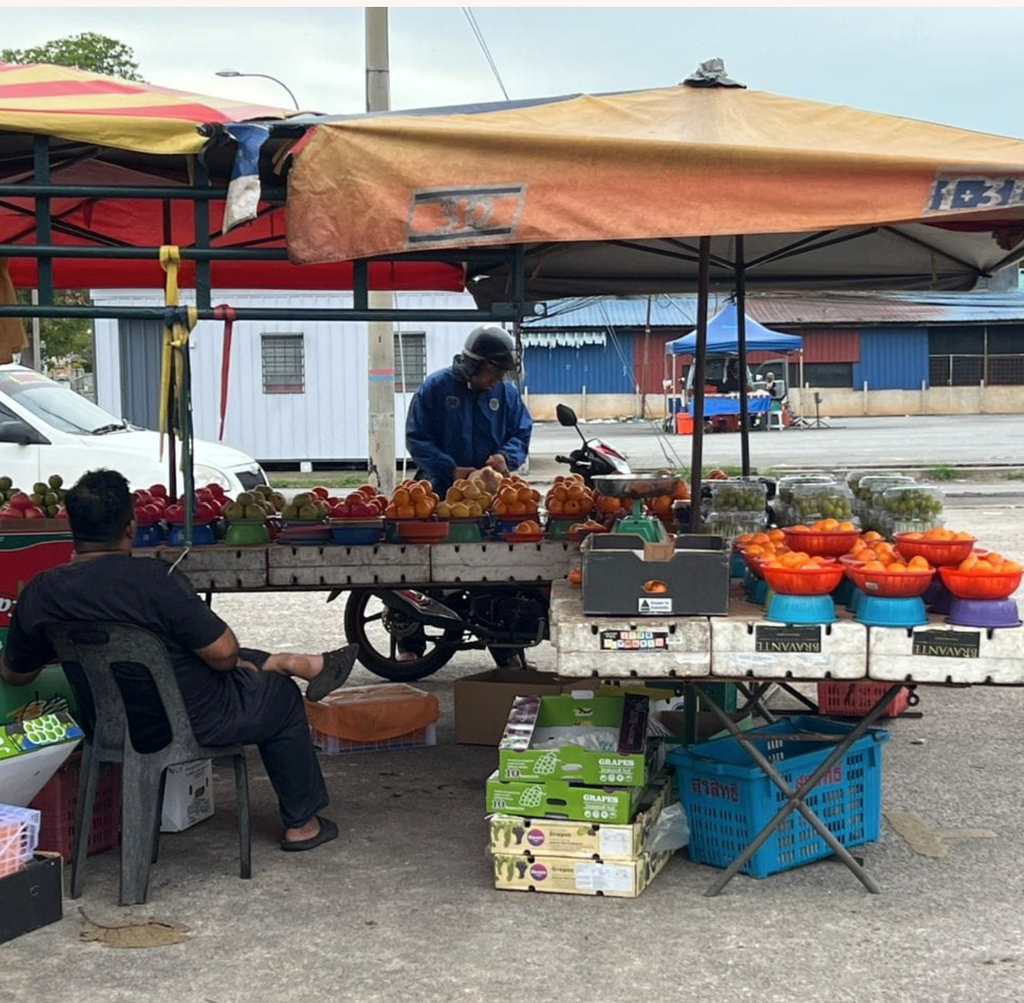
Through entrepreneurship education, practical business guidance, research-based interventions and community engagement, the UMBI Project aims to strengthen the entrepreneurial capabilities of local communities, particularly individuals operating small and micro-enterprises. The initiative promotes financial sustainability by encouraging improved business management, income generation and operational resilience, while contributing to social sustainability through inclusive economic participation and opportunities for community empowerment. By integrating university expertise, international funding and community-based entrepreneurship development, UKM demonstrates its commitment to supporting sustainable businesses and strengthening local economic resilience.
Source: https://umbi.com.my/tentang-program/
2. UKM-CESMED’s Rural Youth Agropreneurship Programme 2025: Empowering Sustainable Agricultural Entrepreneurship through Knowledge Transfer and Technology
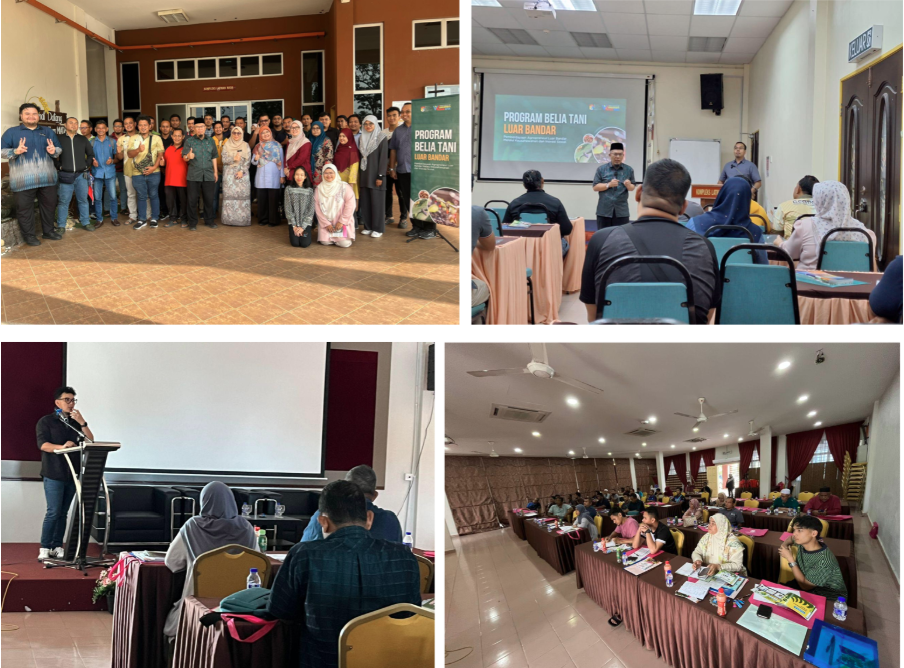
UKM through its Centre for Entrepreneurship and SME Development (UKM-CESMED), supports rural community entrepreneurship through the Rural Youth Agropreneurship Programme (Program Agroprenur Belia Luar Bandar). In 2025, the programme delivered five knowledge-transfer workshops across Malaysia, providing practical agricultural education, entrepreneurship-related learning resources and exposure to agricultural technologies to strengthen the capabilities of rural youth and agricultural communities.
Between January and October 2025, the programme recorded 105 participant attendances across five workshops, organised in collaboration with agricultural organisations and hosted at farmers’ association facilities. The activities were conducted in the Central Zone (Lenggeng, Negeri Sembilan), Northern Zone (Alor Setar, Kedah), East Coast Zone (Kota Bharu, Kelantan), and additional technical training sessions at Sungai Korok and Alor Setar.
The programme included three regional knowledge-transfer workshops, conducted on 10 January, 13 February and 21 May 2025, reaching 25, 26 and 40 participants respectively. These workshops provided opportunities for participants to access educational materials, learn from facilitators and strengthen their knowledge relevant to agricultural entrepreneurship and business development.
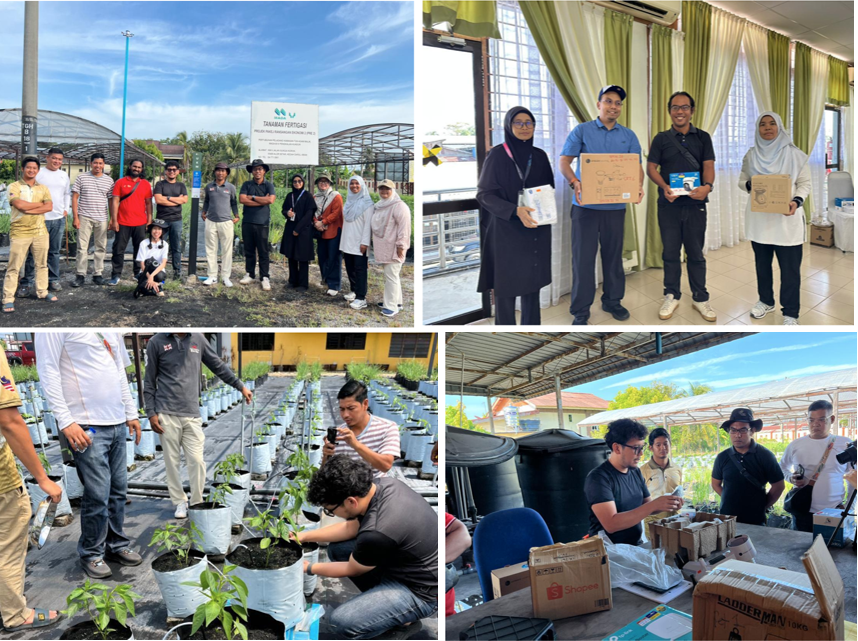
In addition, two specialised technical workshops were organised to introduce practical agricultural technologies. On 20 August 2025, six participants attended an Internet of Things (IoT) Installation Knowledge Transfer Workshop at Pertubuhan Peladang Sungai Korok, involving practical exposure to technology applications in agricultural operations. Subsequently, on 16 October 2025, eight participants attended a Black Soldier Fly (BSF) Installation Knowledge Transfer Workshop at MADA, Alor Setar, introducing a technology-related agricultural learning component.
3. Botanica Sambal Production Workshop
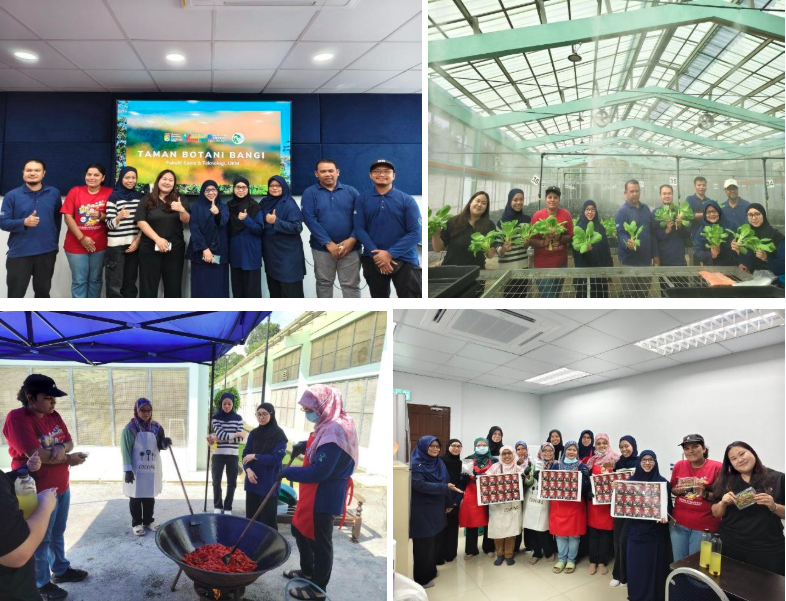
Conducted on April 30, 2025, the “Botanica Sambal Making Workshop and The All-Party Parliamentary Group Malaysia (APPGM) Visit to UKM Botanical Garden (TBB)” was a community-empowerment initiative organized by the UKM Faculty of Science and Technology at the TBB. The event showcased high-quality, traditional sambal produced by Persatuan Suritani, local women and included a tour of the greenhouse and chili farm to explore the economic potential of urban agriculture. Engaging 12 participants, the initiative delivered a profound impact on the local community by specifically empowering single mothers and housewives through practical skill development and income-generating opportunities. By strengthening women’s capacity in community-based entrepreneurship and promoting the sustainable use of local herbal resources, the program successfully fostered community resilience, elevated the visibility of locally produced goods, and drove sustainable economic development.
4. UniMADANI Programme for Single Mothers and Homemakers
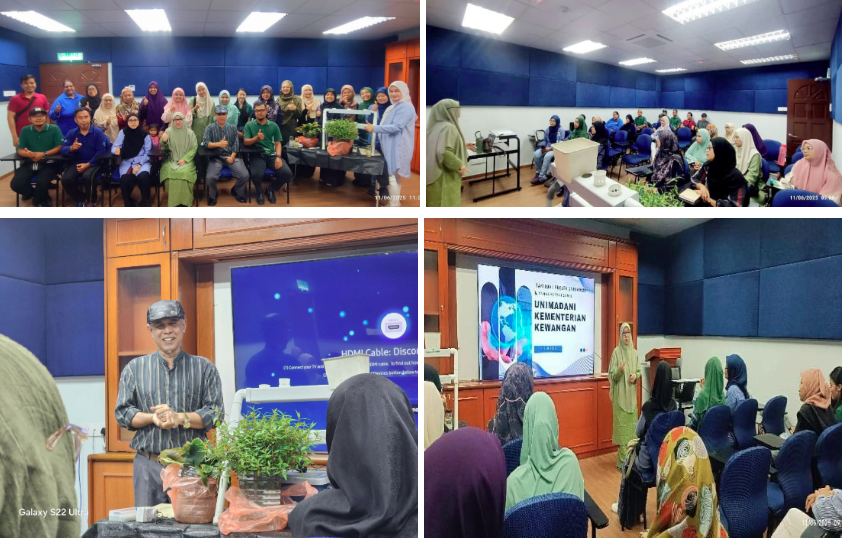
Held on June 11, 2025, the “UniMadani Program with Single Mothers and Housewives in the Bangi Area” was a targeted educational outreach activity hosted at the Plant House Complex of the Bangi Botanical Garden. The program engaged 22 participants from the local community in modern agricultural education. The session featured an introductory workshop on hydroponic systems and sustainable agricultural products like “Mr Molec. Strongly aligning with sustainable food production goals (such as SDG 2: Zero Hunger), this initiative generated a significant social impact by equipping vulnerable community members—particularly single mothers and housewives—with practical, hands-on urban farming skills. This direct transfer of modern agricultural knowledge successfully empowered these women to explore new avenues for food security and personal income generation, thereby strengthening community resilience and advancing sustainable urban agricultural practices.
5. Suritani Club Sambal Penyet Production Programme
On 5 November 2025, the Suritani Club Sambal Penyet Production Programme was conducted under the UniMADANI–Bangi Botanical Garden initiative. Participants received comprehensive training in food product development, including raw material selection, recipe preparation, food hygiene and safety, packaging, labelling, and basic marketing strategies. The programme enhanced participants’ entrepreneurial knowledge and practical skills, enabling them to develop value-added food products and strengthen their capacity to establish sustainable community-based businesses.
6. Empowering Rural Farmers through Smart Technology: Initiative towards Sustainable Agriculture
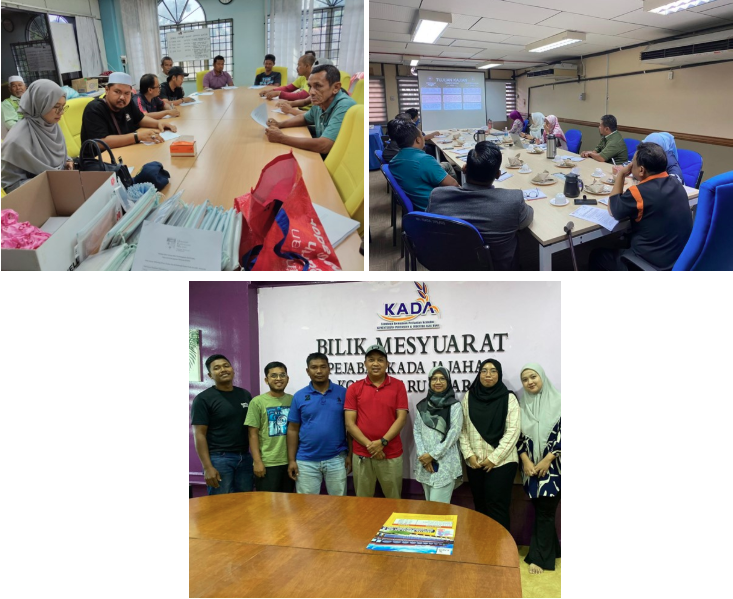
Conducted across two phases from 10 to 14 January and 23 to 26 February 2025, the free “Empowering Rural Farmers through Smart Technology: Initiative towards Sustainable Agriculture” was a high-impact community outreach and field research program organized by the Institute for Environment and Development (LESTARI). Executed in strategic collaboration with the Kemubu Agricultural Development Authority (KADA) in Kelantan, the initiative successfully engaged 200 local community participants across six Area Farmers’ Organizations (PPK). The program focused on identifying the critical factors that influence the acceptance of smart agricultural technologies among rural farmers, successfully highlighting eight key drivers such as ease of use, infrastructure access, resources, and training. This initiative delivered a profound societal impact by providing essential evidence-based data to improve policy formulation, educational strategies, and rural agricultural infrastructure. By doing so, it directly empowered rural agricultural communities to overcome structural poverty and build income resilience, advancing the national targets of SDG 1 (No Poverty) and SDG 2 (Zero Hunger).
7. Gemerlap Sinergi Siswa (GSS)
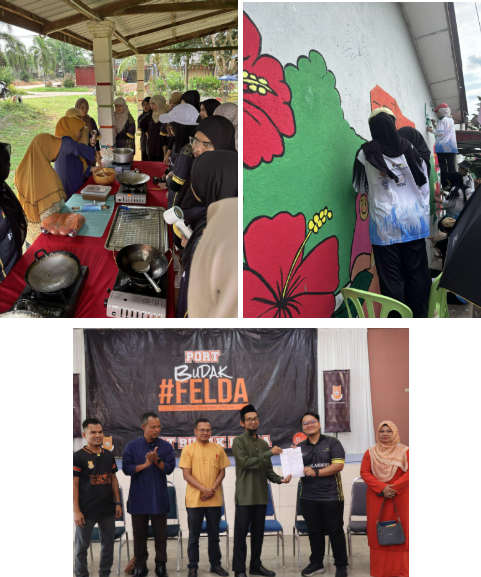
Held from 9 to 12 May 2025 at Felda Palong 8 in Gemas, Negeri Sembilan, the “Gemerlap Sinergi Siswa (GSS) 01” (Student Synergy Sparkle 01) was a four-day immersive community engagement program organized by the Volunteer and Recreation Club (KESUKRES) of Ibrahim Yaakub Residential College, UKM. The program successfully engaged 84 student participants in strategic collaboration with the local Youth Association of Felda Palong 8 (Persatuan Belia Felda Palong 8) and the Felda Palong 8 National School (SK Felda Palong 8). Through hands-on activities such as educational workshops, community clean-ups, home improvements for underprivileged families, and the distribution of vital food aid, the initiative delivered a profound dual impact. For the local community, it directly eased the daily burdens of vulnerable groups and significantly improved their living conditions. For the participating university students, the immersive experience of living with local host families cultivated a deep understanding of rural socio-economic challenges, effectively nurturing empathetic, socially conscious leaders who are dedicated to inclusive community development, poverty reduction, and positive social change.
Collectively, these initiatives demonstrate UKM’s practical contribution to community enterprise development through education, technical knowledge and business guidance. Entrepreneurship support helps participants understand business operations, while production workshops and technology demonstrations build skills relevant to developing products and managing small enterprises. Collaboration with community organisations, agricultural agencies and funding partners extends access to these opportunities. Together, these measures provide a foundation for aspiring entrepreneurs to explore viable business models and for existing micro-enterprises to strengthen their capabilities, supporting SDG 1: No Poverty and SDG 8: Decent Work and Economic Growth.