

End poverty in all its forms everywhere
SDG 1 Indicator
1.3 – University anti-poverty programmes
1.3.3 – Low Income Student Support
UKM demonstrates its strong commitment to supporting students from low-income families through comprehensive financial and welfare assistance that reduces barriers to completing higher education. Through subsidised tuition fees, affordable accommodation, food assistance, transportation support and legal aid services, UKM addresses essential needs that may affect students’ academic progress. Supported by government funding and strategic partnerships with industry, NGOs and community organisations, these initiatives help alleviate financial hardship, promote student well-being and ensure that disadvantaged students have greater opportunities to continue and successfully complete their university studies.
UKM’s initiatives to support low income students
| No. | Initiatives |
|---|---|
| 1. | Subsidised Tuition Fees |
| 2. | Affordable and Subsidised Student Accommodation for Low-Income Students |
| 3. | Food Support Initiative |
| 4. | Transportation Support Initiatives |
| 5. | Literacy And Legal Aid Clinic (KLBG) |
1. Subsidised Tuition Fees
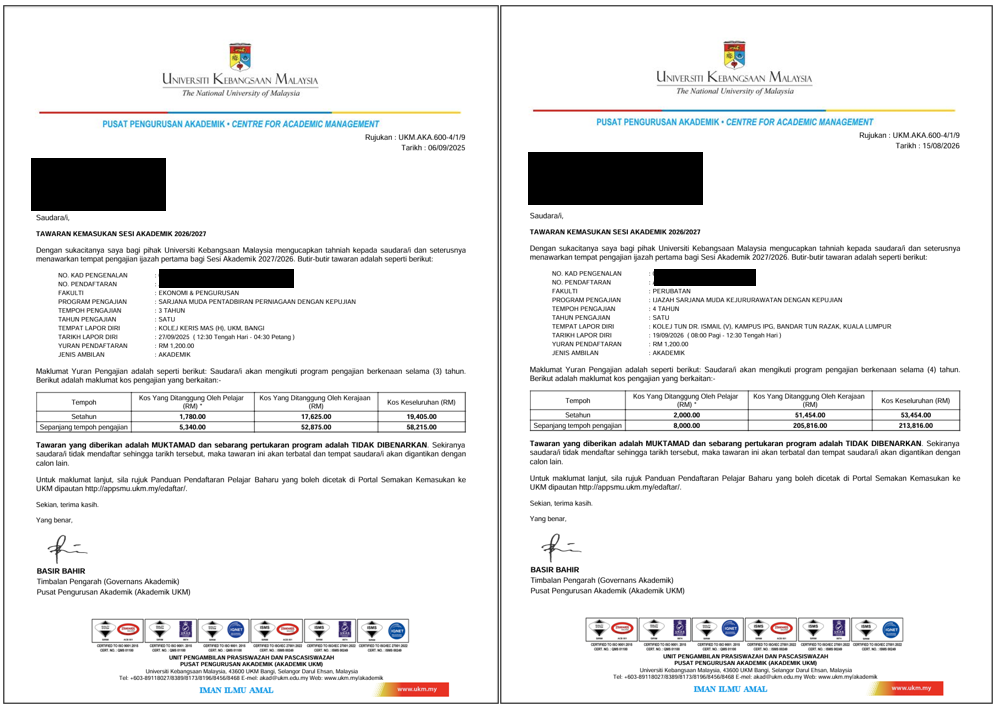
As a leading public university, UKM benefits from substantial financial support from the Malaysian government, which subsidises the majority of tuition fees for students from low-income families. This mechanism significantly eases the financial burden on these students, enabling them to only pay a minimal portion of the overall education costs. By doing so, the government ensures that higher education remains accessible, equitable, and affordable, reflecting its strong commitment to advancing educational opportunities for all Malaysians.
For example, the total cost of a medical programme at UKM amounts to RM267,270.00. However, students from low-income backgrounds are only required to pay RM12,400.00 for the entire duration of study, with the government covering RM254,870.00, or approximately 95% of the cost. This targeted subsidy not only removes prohibitive financial barriers but also provides deserving students with the opportunity to pursue quality medical education and secure brighter career prospects. The table below shows breakdown of tuition fees at UKM covered by student and government in year 2025:
Breakdown of Tuition Fees Covered by Student and Government
Program | Tuition Fees Born By Low-Income Student (RM) | Tuition Fees Born By Government (RM) | Total Tuition Fees (RM) | Percentage of Tuition Fees Borne by Government (%) |
| Medicine | 12,400.00 | 254,870.00 | 267,270.00 | 95.36% |
| Dentistry | 21,900.00 | 245,370.00 | 267,270.00 | 91.81% |
| Statistics | 7,520.00 | 80,632.00 | 88,152.00 | 91.47% |
| Business Administration | 5,340.00 | 52,875.00 | 58,215.00 | 90.83% |
| Education | 7,120.00 | 70,500.00 | 77,620.00 | 90.83% |
| Engineering | 8,320.00 | 79,832.00 | 88,152.00 | 90.56% |
2. Affordable and Subsidised Student Accommodation for Low-Income Students
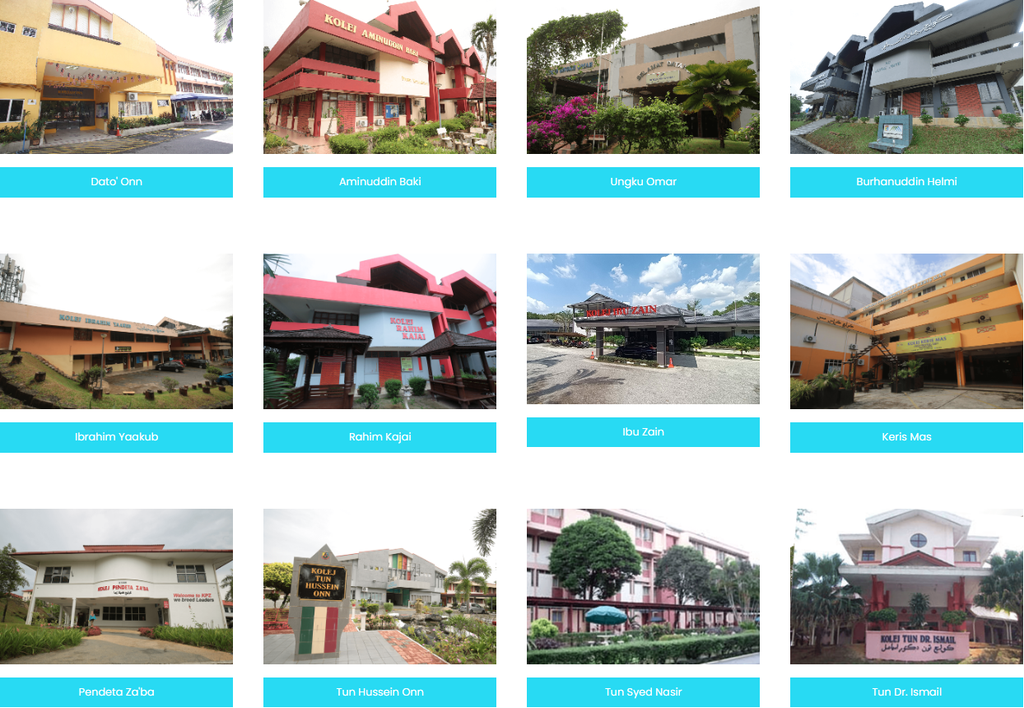
UKM provides affordable residential accommodation through its network of on-campus residential colleges.Accommodation rates start from RM3.50 per day for eligible students, (in total RM11,510,531 per year) compared with the standard minimum rate of RM7.00 per day , representing a 50% reduction in the daily accommodation fee. These reduced rates help ease students’ financial commitments, particularly those from low-income households, allowing them to allocate more of their limited resources towards essential needs such as food, transportation and educational materials. The availability of affordable on-campus accommodation also provides a conducive learning environment and convenient access to academic facilities and student support services.
In addition, UKM expands access to student housing through university-managed off-campus accommodation, including Kolej Tun Abdullah Ahmad Badawi, located in Taman Tenaga, Kajang. With a capacity of 470 students, this facility provides an alternative residential option near UKM’s main campus, supporting the university’s efforts to increase accommodation availability and accessibility.
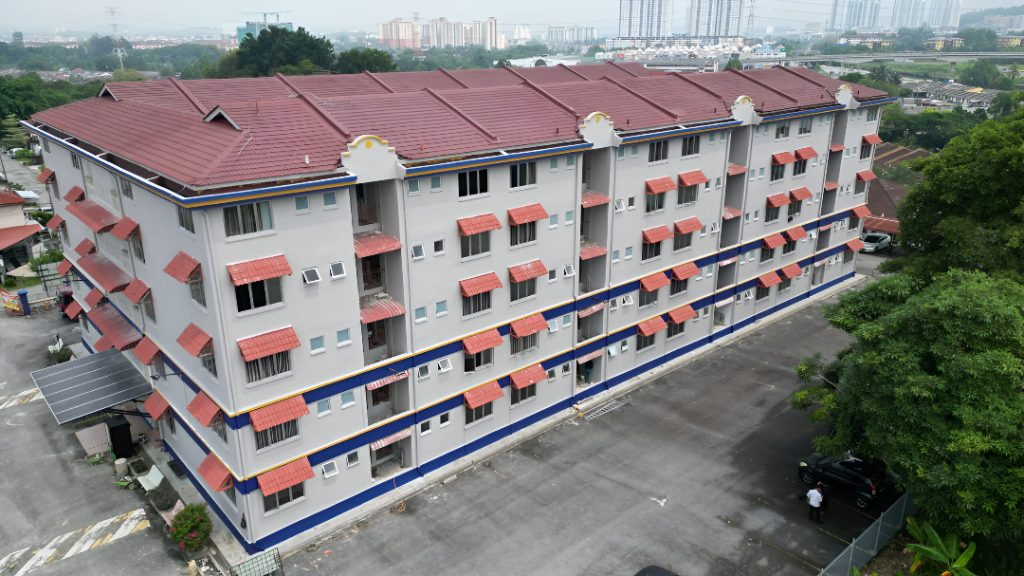
Source: https://www.ukm.my/k13/
Beyond affordable residential accommodation, UKM provides direct housing assistance to financially disadvantaged students through the Asnaf Room initiative, implemented by Keris Mas Residential College during Semester 1 of the 2025/2026 academic year.
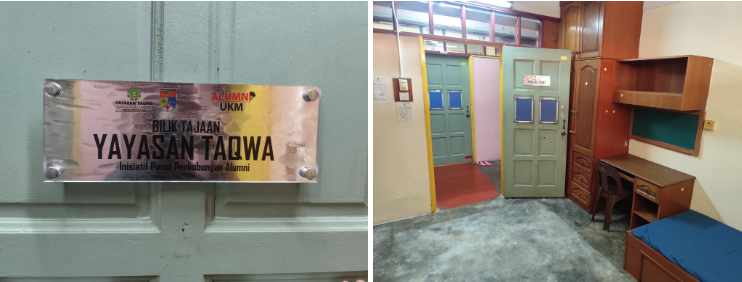
Organised in collaboration with UKM Alumni, Yayasan Taqwa and external industry sponsors, the initiative provided fully equipped residential rooms free of charge to four underprivileged Asnaf students, comprising two male and two female students. The accommodation was provided at Blocks 5 and 7 of Keris Mas Residential College, supported by a financial allocation of RM4,000 per semester. Similarly, Pendeta Za’ba Residential College also provides dedicated Asnaf rooms to students from financially disadvantaged backgrounds, further strengthening UKM’s commitment to ensuring equitable access to accommodation.
Unlike general affordable accommodation, this initiative specifically targets students experiencing financial hardship by eliminating their accommodation expenses. The provision of free, fully equipped rooms helps recipients reduce their financial burden while ensuring access to safe, comfortable and stable accommodation throughout the semester.
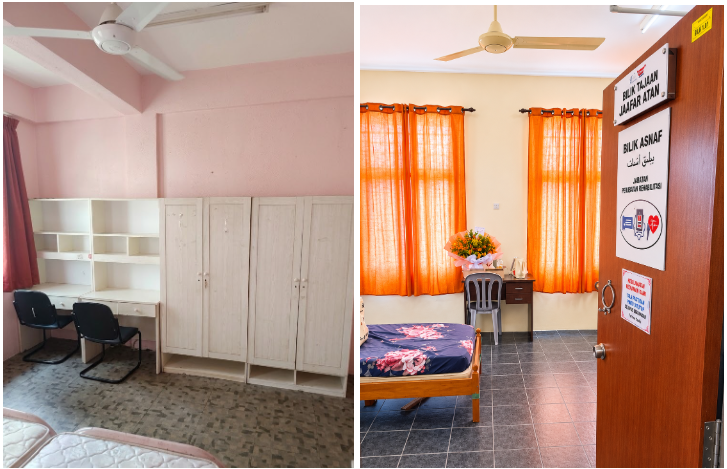
By removing a significant component of students’ living expenses, the programme enables beneficiaries to direct their limited financial resources towards other essential needs, including meals, transportation and learning materials. It also provides a supportive residential environment that can help students maintain their academic engagement and continue their studies without additional housing-related financial pressure.
Source: Student Financial Guidebook: Buku Panduan Kewangan Pelajar
3. Food Support Initiative
i. Food incentive program (Dompet Siswa UKM)
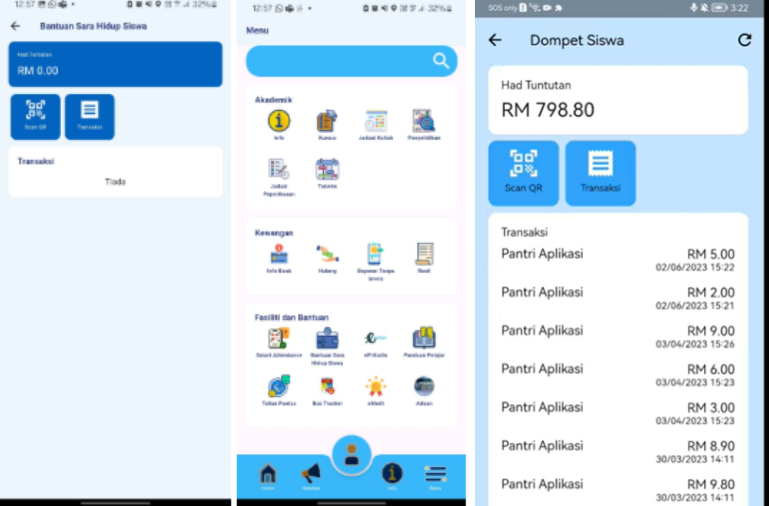
UKM has launched several food assistance initiatives to help ease the student burden among students. To ensure that students have consistent access to nutritious meals, UKM has established a food incentive program (Dompet Siswa UKM). Under this program, 1,000 students receive RM800 per semester, distributed through a specially designed mobile app, MyUKM. This app allows students to purchase food at designated campus cafeterias. This innovative approach not only guarantees daily access to food but also gives students the flexibility to choose their meals. More information can be found https://www.youtube.com/watch?v=CoTn0AQVw8c
ii. Foodsiswa@PMFSSK
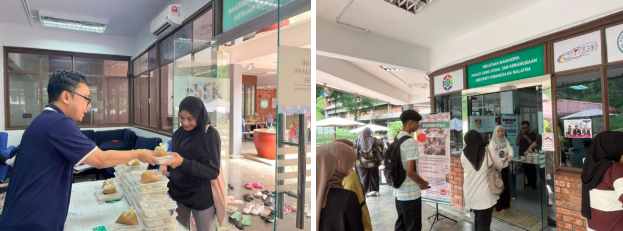
From January to December 2025, Universiti Kebangsaan Malaysia (UKM) provided continuous food assistance through the FOODSISWA @ PMFSSK programme, a weekly free meal initiative designed to support students from low-income (B40) families and reduce food insecurity. The programme was held every Thursday at the Faculty of Social Sciences and Humanities Students’ Association (PMFSSK) Room, PKBL Square, and was coordinated by the PMFSSK Welfare and Spirituality Exco in collaboration with industry partner 4ACAUSE.
Supported by RM10,000 in financial contributions, the programme provided free, balanced, and nutritious lunches to 120 B40 students throughout the year. By reducing students’ daily food expenses, the initiative helped alleviate financial hardship, improve food security, and enabled recipients to redirect their limited financial resources towards essential educational expenses such as books, transportation, and learning materials. Through this sustained support, UKM contributed to improving student well-being, reducing financial barriers to higher education, and enabling students from disadvantaged backgrounds to continue and successfully complete their university studies.
iii. Student Compassion Pouch
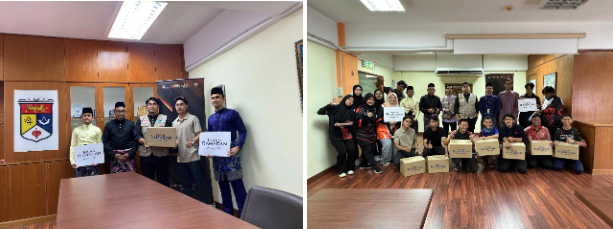
Held on 21 March 2025 at the Bilik Keris Perdana, the Student Compassion Pouch was a vital, free-of-charge food assistance program spearheaded by the Keris Mas Residential College. Executed in close collaboration with the non-governmental organization Ihsanku, represented by Mr. Khairul Azmi bin Murir, the initiative directly targeted the immediate nutritional and financial needs of 70 UKM students hailing from B40 low-income families. The program delivered a highly tangible societal impact by distributing essential dry food packages to these vulnerable students, significantly easing their daily financial burdens and ensuring their sustenance during the holy month of Ramadan. Beyond immediate material relief, the initiative forged strong, meaningful ties between external NGOs and the university, demonstrating a profound institutional dedication to student welfare. By actively prioritizing community care, the program successfully fostered strong social bonds, mutual assistance, and a deep sense of compassion among students, directly advancing the university’s grassroots efforts to eliminate student poverty in strict alignment with SDG 1: No Poverty.
iv. Collaboration with KK Mart
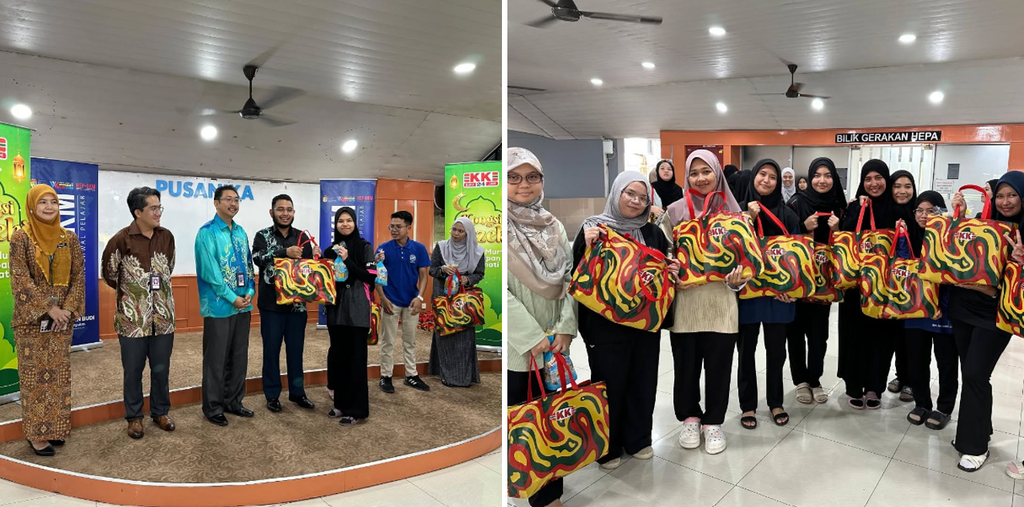
Conducted on 23 March and 25 March 2025 at Pusanika UKM, the free “Collaboration with KK Mart” (Kerjasama Dengan Pihak KK Mart) represents a strategic Corporate Social Responsibility (CSR) partnership between the Center of Student Affairs (HEP-UKM) and industry partner KK Super Mart. Utilizing RM50,000 in financial aid, the initiative supported 100 targeted B40 and hardcore poor students by establishing a Ramadan Foodbank and distributing “Mercy Baskets” (Bakul Rahmah) containing crucial food and essential supplies. Additionally, students received retail-based rewards and direct financial savings via the digital “KK Reward” application. Generating a highly tangible socio-economic impact, the program actively eradicated student poverty and enhanced food security, ensuring that hunger did not impede academic performance. By lowering the daily cost of survival on campus and increasing students’ disposable income for educational expenses, this public-private collaboration successfully mitigated the risk of university dropouts caused by financial distress.
4. Transportation Support Initiatives
i. Free Shuttle Buses
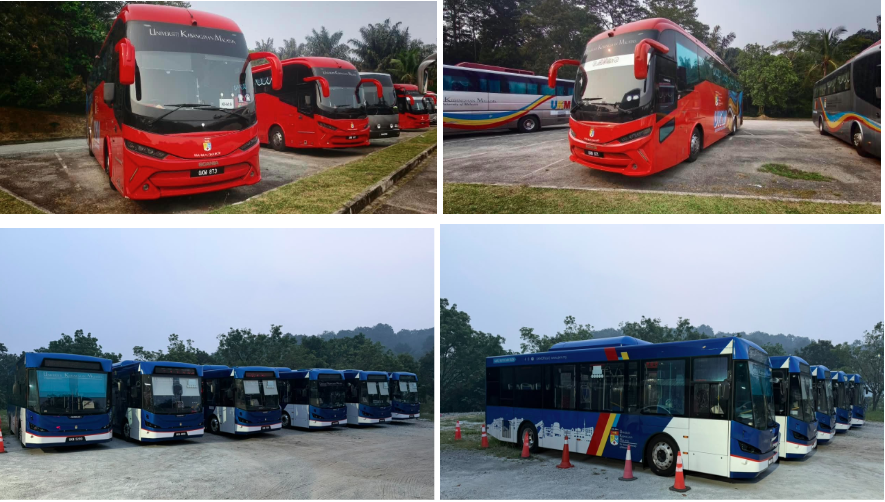
UKM recognises the importance of reliable transportation for student life and ensures all students have access to free transportation within and around the campus. The university operates 19 shuttle buses that serve the campus community, providing a convenient and cost-free mode of transport for students.
ii. Bus Ticket Handover Ceremony for Hometown Return in Conjunction with Hari Raya Aidilfitri
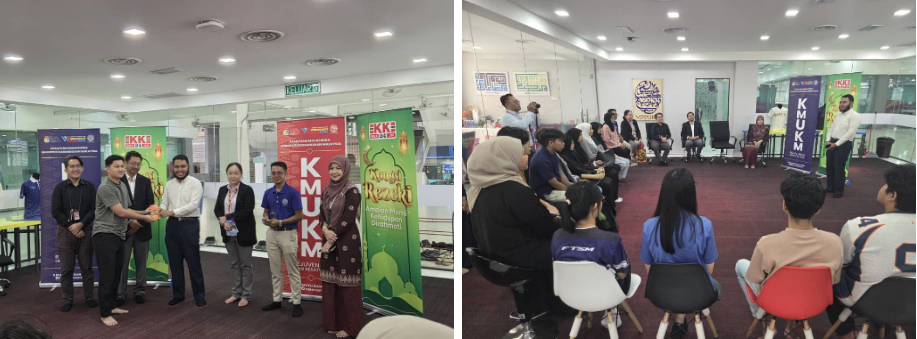
Held on 25 March 2025 at Pusanika UKM, the “Bus Ticket Handover Ceremony for Hometown Return in Conjunction with Hari Raya Aidilfitri” was a free welfare initiative organized by the Center of Student Affairs (HEP-UKM). Supported by RM50,000 in financial aid, the one-day program provided 99 B40 students with sponsored or subsidized bus tickets to travel back to their hometowns for the festive season. This initiative delivered a profound social impact by directly alleviating the financial burdens associated with surging transportation costs during peak seasons and ensuring safe, reliable, and monitored long-distance travel. By facilitating meaningful family reunions, the program significantly boosted the students’ emotional well-being and morale, ultimately strengthening their sense of belonging and loyalty to the university as a supportive, caring institution.
iii. Transportation Assistance for UKM Students through the Johor State Government’s Yok Balik Kampung 2025 Initiative
In 24th March 2025, students of Universiti Kebangsaan Malaysia (UKM) were among the eligible beneficiaries of the Yok Balik Kampung 2025 initiative, organised by Gabungan Anak Johor with support from the Johor State Government and the Johor Islamic Religious Council (MAINJ).
The initiative provided 30 complimentary buses to facilitate homeward travel for more than 550 Johor-born university students studying at higher education institutions across Malaysia during the Aidilfitri festive season. UKM was explicitly identified as one of the participating higher education institutions whose eligible students could benefit from the free transportation services.
By providing access to complimentary intercity transportation, the initiative helped reduce festive travel expenses and supported more affordable mobility for university students studying away from their families. This external assistance complements UKM’s existing student welfare and transportation support measures, contributing to improved student well-being and reduced financial pressures associated with higher education.
Source: https://mediadigitaljohor.gov.my/30-bas-percuma-bawa-mahasiswa-johor-pulang-beraya/
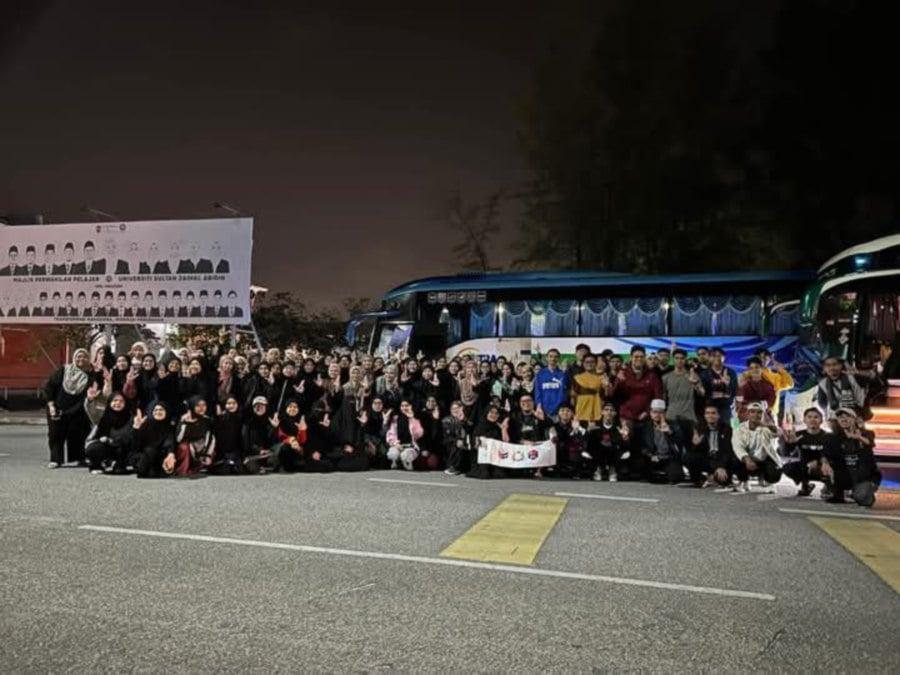
iv. Jom Balik Raya Bersama Mahasiswa 2025: MAIWP’s Financial and Transportation Assistance for University Students
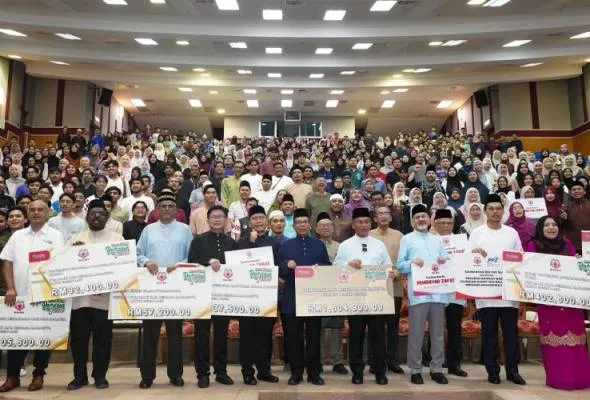
In 2025, Universiti Kebangsaan Malaysia (UKM) students benefited from the Jom Balik Raya Bersama Mahasiswa 2025 initiative organised by the Federal Territories Islamic Religious Council (Majlis Agama Islam Wilayah Persekutuan, MAIWP). Announced on 23 March 2025, this student welfare programme allocated RM1.6 million to support 5,427 students from higher education institutions in the Federal Territories, providing financial and transportation assistance to help eligible students return to their hometowns during the Hari Raya Aidilfitri festive season.
The assistance included sponsorship for bus tickets, flight tickets and travel allowances, helping students manage the financial burden associated with long-distance travel, particularly during festive periods when transportation costs can increase significantly. The initiative was particularly beneficial to students experiencing financial constraints, including those from low-income households who may face difficulties covering travel expenses.
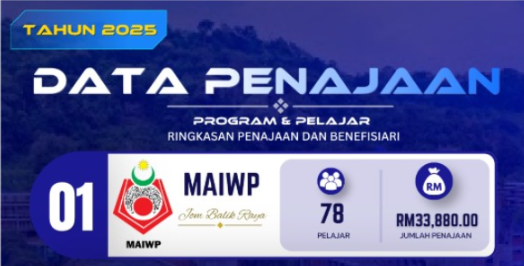
According to the Centre for Student Affairs (HEP-UKM), a total of 78 UKM students received financial sponsorship amounting to RM33,880 under MAIWP’s Jom Balik Raya initiative in 2025. This institution-specific data demonstrates the direct financial assistance received by UKM students through the programme, complementing the wider national initiative and providing measurable evidence of its contribution to student welfare. By reducing transportation-related expenses, the initiative helped eligible UKM students maintain family connections and manage their limited financial resources more effectively. The assistance also contributed to students’ overall well-being by easing financial pressures associated with travelling home during the festive season.
Through this initiative, UKM students benefited from external financial and transportation support that complemented the university’s existing student welfare measures. The programme demonstrates how targeted transportation assistance can help alleviate financial pressures among eligible students, particularly those from financially disadvantaged backgrounds, thereby supporting their well-being and continued participation in higher education.
v. Affordable Transportation through Student Travel Discounts and Concession Schemes
Universiti Kebangsaan Malaysia (UKM) recognises the importance of affordable and accessible transportation in reducing students’ financial burden and supporting their continued participation in higher education. In addition to its free campus shuttle bus services, eligible UKM students can benefit from national student transportation concession schemes offered by public transport operators and airlines in Malaysia.
These include a 50% student fare concession on KTM Komuter services, the Rapid Pelajar concession programme offering discounted public transport fares, and Malaysia Airlines’ MHexplorer programme, which provides eligible students with flight discounts of up to 30%. Students who meet the eligibility criteria may also benefit from the Malaysian Government’s FLYsiswa initiative, which provides RM400 flight vouchers redeemable through participating airlines, including Malaysia Airlines, AirAsia, Batik Air, Firefly and AirBorneo.
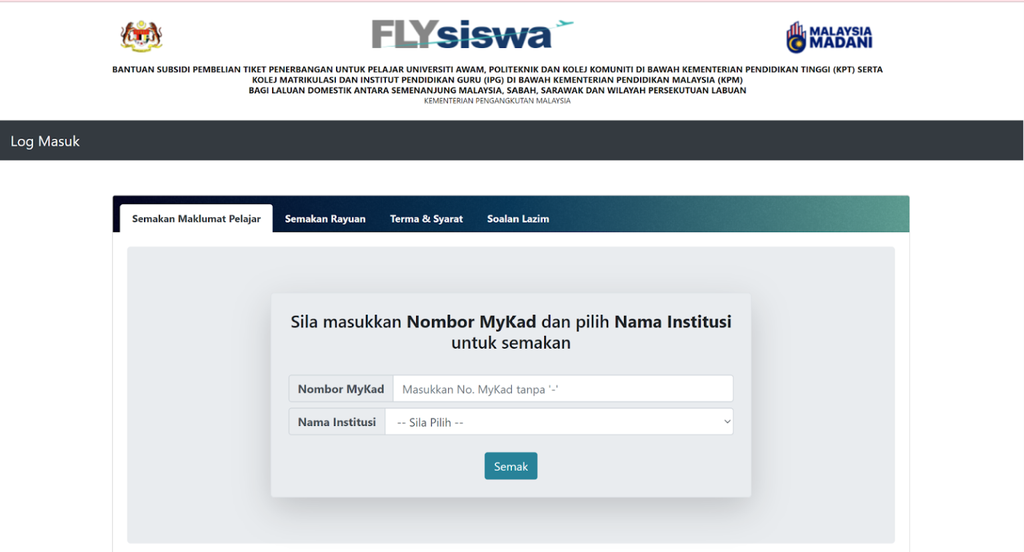
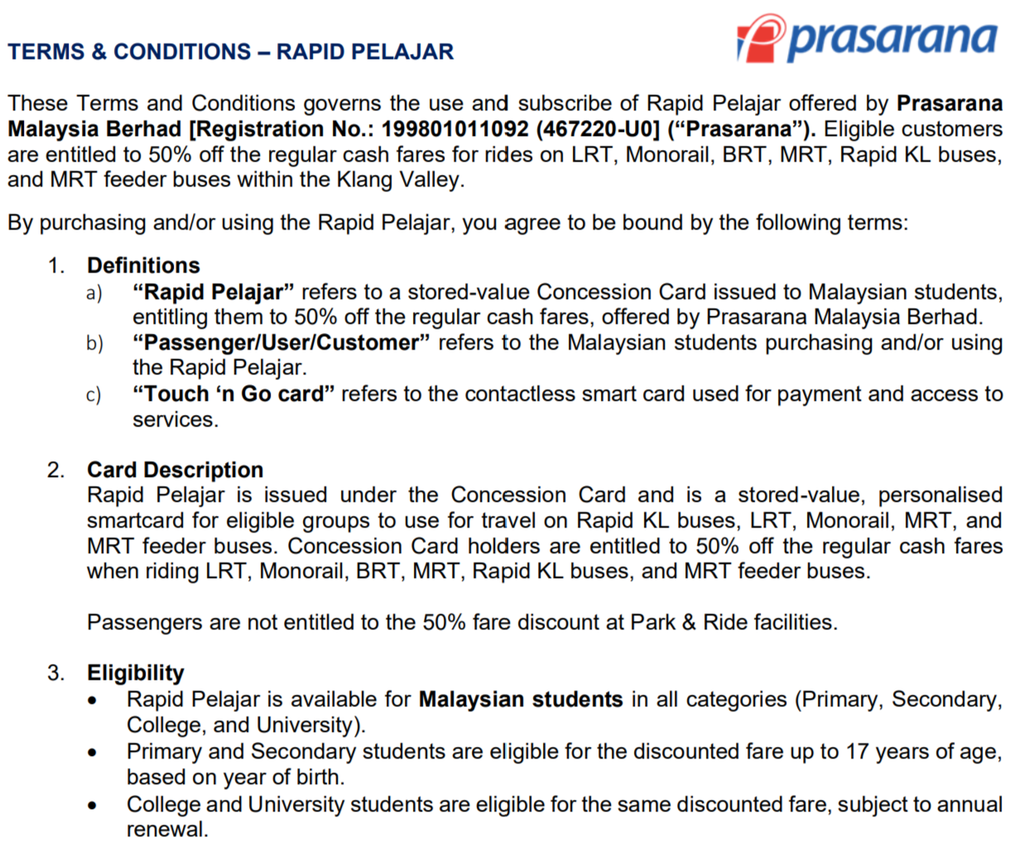
Together, these external transportation assistance schemes complement UKM’s institutional transport services by improving access to more affordable daily commuting and interregional travel. Such measures can help reduce transportation-related expenses, particularly for students from lower-income households and those studying far from their families, thereby supporting educational accessibility, student well-being and continuity of university studies.
Source: https://www.malaysiaairlines.com/my/en/other-offerings/mhexplorer.html
5. Legal Services
Literacy and Legal Aid Clinic (KLBG)
Established on 1 April 2013, the Literacy and Legal Aid Clinic (KLBG) at Universiti Kebangsaan Malaysia (UKM) remains active, continuing to provide legal literacy and legal aid services to the community. It is an initiative by the UKM Faculty of Law, aimed at fulfilling their social responsibility to the community, particularly those in need of legal consultations. The services offered by the KLBG cover all types of cases, whether in Civil Courts or Syariah Courts, including criminal cases. Legal issues presented to the KLBG are referred to a panel of consultants, consisting of UKM Faculty of Law lecturers and appointed lawyers.
The KLBG also refers cases to relevant agencies that can provide legal assistance or related services. Additionally, it serves as a medium for spreading legal knowledge and awareness to the public through organizing legal literacy programs. These programs involve the participation of various communities such as non-governmental organizations (NGOs), government agencies, educational institutions, schools, and others. The KLBG has taken steps to expand its services by introducing mediation, counselling, and assistance to Persons with Disabilities (PWDs). To strengthen its services, the KLBG has established strategic collaborations with several agencies, such as the Malaysia Legal Aid Department (JBG), the Malaysian Muslim Lawyers Association (PPMM), and the Family, Social, and Community Division of the Islamic Development Department of Malaysia (JAKIM).

Facebook KLBGUKM: www.facebook.com/KLBGUKM
UKM’s comprehensive student support initiatives reflect its commitment to ensuring that financial hardship does not become a barrier to higher education. By addressing essential living and educational needs, UKM helps create a more supportive and inclusive learning environment where students from low-income families can focus on their academic success. These efforts reinforce UKM’s role in promoting educational equity, reducing financial vulnerability and supporting disadvantaged students throughout their journey towards graduation.