

End hunger, achieve food security and improved nutrition and promote sustainable agriculture
SDG 2 Indicator
2.3 – Student hunger
2.3.1 – Student food insecurity and hunger
Universiti Kebangsaan Malaysia (UKM) demonstrates its strong commitment to addressing student food insecurity and ensuring access to affordable and nutritious food through a comprehensive range of institutional programmes and student welfare initiatives. These include sustainable campus gardens, food banks, affordable Rahmah Menus, the Dompet Siswa UKM food incentive programme, and the provision of free food and refreshments. By combining direct food assistance, affordable meal options and sustainable food production, UKM adopts a holistic approach to reducing hunger and alleviating financial burdens among students, particularly those from low-income backgrounds. These initiatives reinforce UKM’s commitment to SDG 2: Zero Hunger, promoting student well-being, food security and an inclusive learning environment where financial hardship does not compromise students’ access to essential nutrition.
Summary of the food insecurity initiatives
| No | Initiatives |
|---|---|
| 1 | Sustainable Garden@UKM i. Bangi Botanical Garden of UKM ii. UKM-YSD Sustainable Garden iii. Taman Ilmu@Chancellery iv. Eco-Campus UKM Kuala Lumpur Project v. Sustainable Campus Project vi. Vegetable Planting Project @PKU |
| 2 | Food Banks i. Gerobok Rezeki@ Faculty of Law ii. Foodbank FKAB iii. Care2KM Compassion Box iv. Student Sustenance Cart @PKU |
| 3 | Rahmah Menu for Student |
| 4 | Food incentive program (Dompet Siswa UKM) |
| 5 | Free Coffee and Snacks |
1. Sustainable Garden@UKM
i. Bangi Botanical Garden of UKM
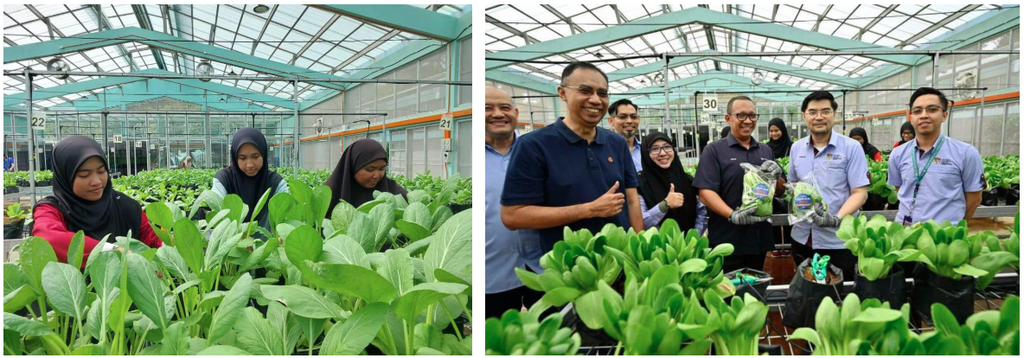
Bangi Botanical Garden is one of UKM’s initiatives that contributes to food security and the alleviation of food insecurity within the university community. Located under the Faculty of Science and Technology, the garden supports sustainable food production by cultivating various edible plants, including fruits and fresh vegetables such as organic pak choy. The produce from the garden is made available to members of the UKM community, including students, providing access to fresh and nutritious food while promoting sustainable food production practices.
Beyond providing food, Bangi Botanical Bangi also serves as a platform for education, research and hands-on learning in sustainable agriculture. Through its facilities, including greenhouses and agricultural resources, the garden supports the development and application of sustainable farming practices. These efforts contribute to UKM’s broader strategy to address food insecurity by combining direct access to fresh produce with knowledge and skills that promote long-term food sustainability.
ii. UKM – YSD Sustainable Garden
UKM – YSD Sustainable Garden is an eco-friendly campus farming project at Universiti Kebangsaan Malaysia (UKM) created to support food security and green living.
UKM-YSD Sustainable Garden was established to strengthen sustainability efforts on campus. The garden features a diverse array of crops and vegetables such as choy sum, mustard green and ladyfinger, supplying the community with healthy, nutritious food. This garden utilizes the concept of urban farming and implementing sustainability elements such as the use of compost soil and organic fertilizers, without the use of pesticides in the plant growth process. This garden, located at Ungku Omar Residential College and Faculty of Engineering and Built Environment, functions as a collaborative space where students can work together to achieve sustainability goals in UKM.
By distributing this produce free of charge, the garden eases the financial burden on students while promoting healthy eating habits. Through hands-on experience in sustainable agriculture, students gain valuable skills and knowledge that can shape their future food choices and professional pursuits, making them advocates for sustainability in their communities and beyond.
iii. Taman Ilmu @ Chancellery
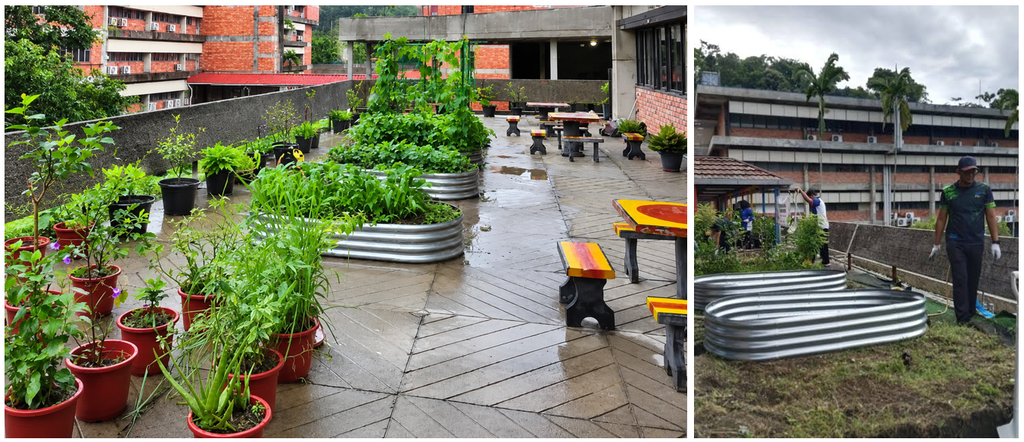
Similar to the UKM-YSD Sustainable Garden, Taman Ilmu@Chancellery, located within UKM’s Chancellery Building, serves as a vibrant hub of sustainability, cultivating a variety of vegetables such as water cabbage, curry tree, and Brazilian spinach. This garden provides UKM citizens with easy access to fresh, organic produce, fostering healthier eating habits among students by offering nutrient-dense, pesticide-free food directly from the garden. By fostering healthier eating habits, it significantly enhances the well-being of students, contributing to a more vibrant, health-conscious campus community while promoting sustainability and self-reliance in food resources.
iv. Eco-Campus UKM Kuala Lumpur Project
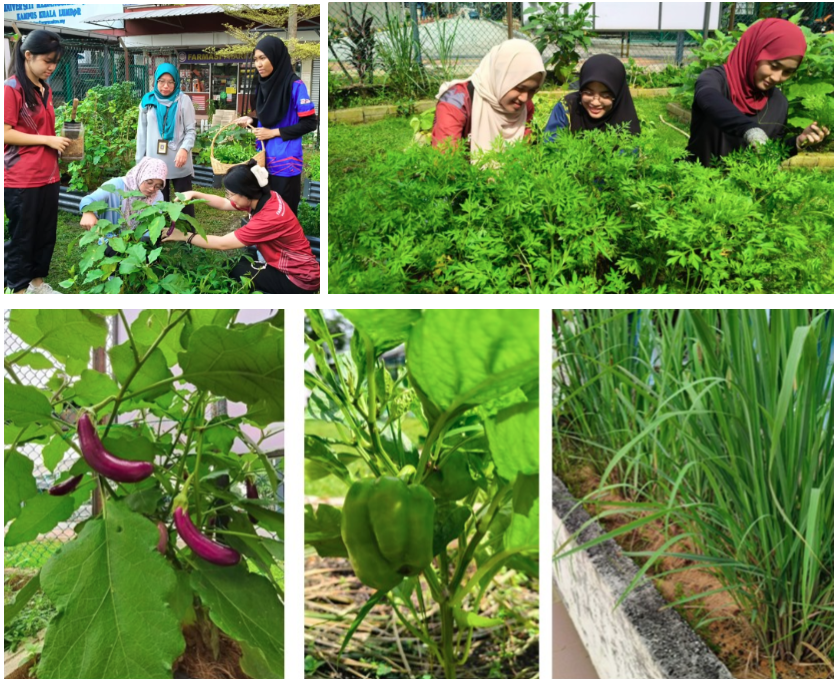
The Eco-Campus UKM Kuala Lumpur Project, held as a series-based initiative, is a sustainability program integrating green management, education, and healthy lifestyle practices through urban food gardens across the campus. Led by the Faculty of Health Sciences in collaboration with the Faculty of Pharmacy, Faculty of Dentistry, and the Department of Agriculture (DOA) through its Urban Agriculture Division. In 2025, the program successfully transformed approximately 6,000 square feet of campus space to cultivate over 60 varieties of crops. Engaging more than 120 student volunteers, known as Eco-Campus Warriors, alongside faculty staff, the initiative utilized hands-on training sessions covering composting, seedling propagation, and garden maintenance. The DOA significantly strengthened the program’s capacity by donating essential urban farming inputs and equipment, including raised beds, organic fertilizers, and pest management tools. This initiative delivered a profound impact on the university community by increasing practical exposure to local food production, enhancing nutrition awareness, and encouraging the consumption of freshly harvested vegetables and traditional herbs (ulam-ulam). Ultimately, the project served as an evidence-based model for addressing SDG 2 (Zero Hunger) by improving campus food literacy and equipping students with vital sustainable agriculture skills.
v. Sustainable Campus Project
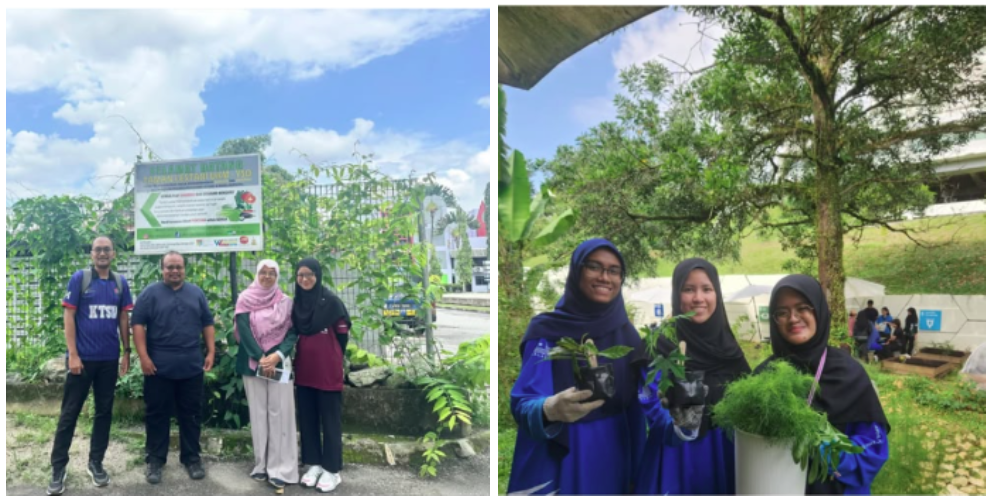
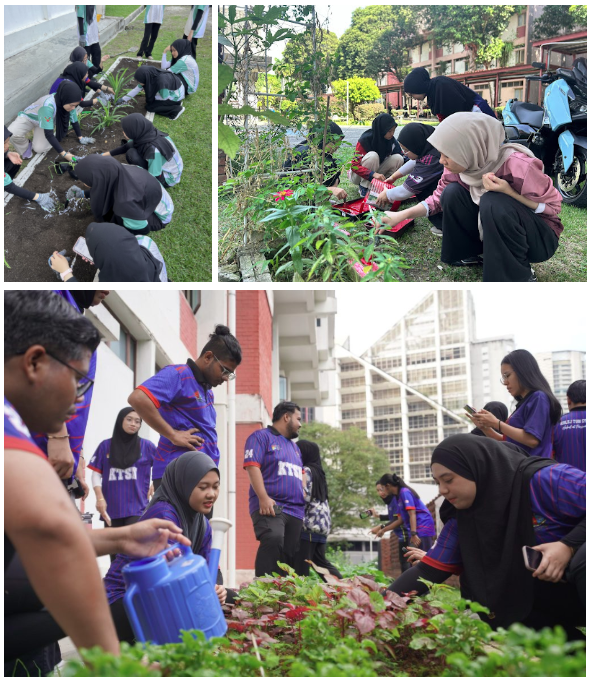
Other initiative to addressing student food insecurity and improving access to fresh and nutritious food is the Sustainable Campus Project, a continuous, free-to-participate urban farming and food security programme initiated on 1 February 2025 by the EcoVolunteers Club together with staff and fellows of Tun Syed Nasir College (KTSN), UKM. Supported by RM5,000 in funding and involving 70 participants, the project transformed an unused plot of land between Block F and Dewan Tun Syed Nasir into the permanent Eco HijauKita@KTSN Garden. Developed as an educational “living laboratory”, the garden promotes sustainable food production while providing the campus community with convenient access to fresh and healthy vegetables that can be harvested directly from the garden.
The initiative was implemented in collaboration with the Ministry of Agriculture and Food Security (KPKM) – Department of Agriculture Malaysia and the Sajian Istimewa Café at KTSN. In addition to providing fresh produce, the project established a small-scale circular food system by supplying harvested produce to the college café. This helps reduce food transportation and packaging costs while supporting sustainable campus-based food production. Through this initiative, UKM addresses food insecurity not only by improving access to nutritious food, but also by equipping students with practical skills in urban farming, food production and garden management. The Sustainable Campus Project therefore represents UKM’s institutional commitment to preventing and alleviating student hunger while promoting sustainable, inclusive and resilient campus food systems, in line with SDG 2: Zero Hunger.
v. Vegetable Planting Project @PKU
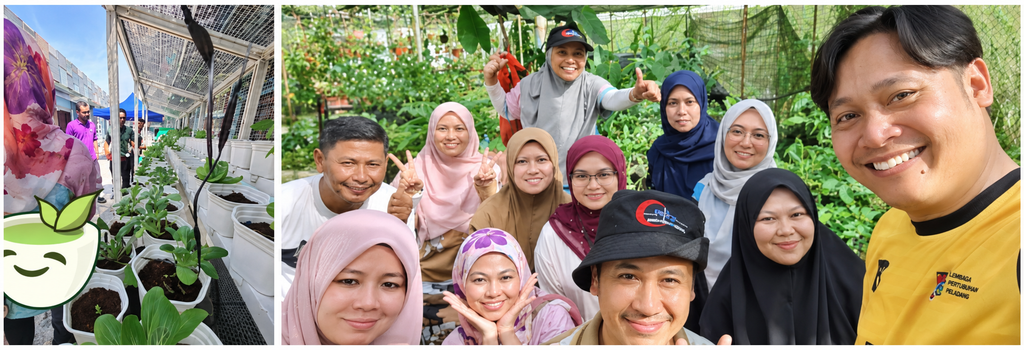
The implementation of the Vegetable Planting Project @PKU at UKM significantly bolsters the provision of healthy food on campus by fostering a “farm-to-table” culture and providing free access to healthy food for free. By educating the campus community on the vital importance of fresh vegetable consumption, the project ensures that staff and students have direct access to nutritious, self-produced food for internal health programs and activities. This initiative aligns with the “Wellness & Sustainable Campus” concept, promoting a healthy and sustainable lifestyle while simultaneously creating a greener, stress-reducing environment. Through collaborative gardening efforts and gotong-royong, the project not only enhances the nutritional landscape of the University Health Centre (PKU) but also builds a proactive community dedicated to food quality and holistic well-being.
2. FOOD BANKS
i. Gerobok Rezeki@ Faculty of Law
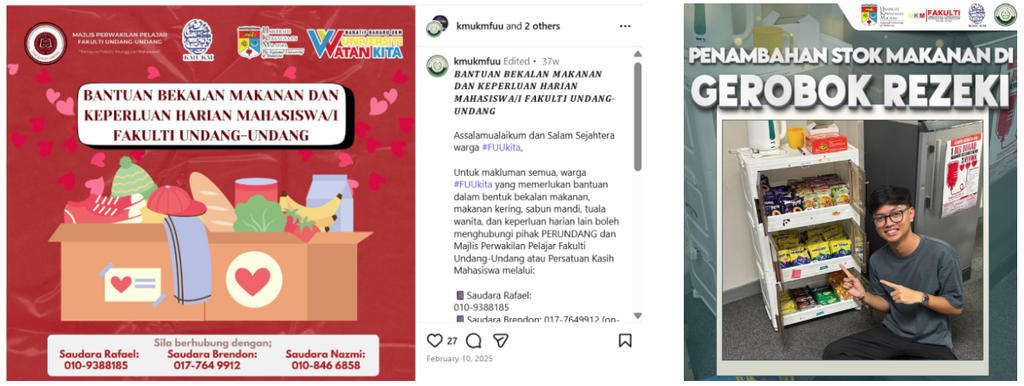
The Food Supply and Daily Necessities Assistance Program for Faculty of Law students provides essential support including food supplies, dry goods, toiletries, sanitary pads, and other daily necessities. In 2025, this initiative fosters a supportive campus environment where students can focus on their rigorous academic demands without the stress of food insecurity or lack of basic supplies.
ii. Foodbank FKAB
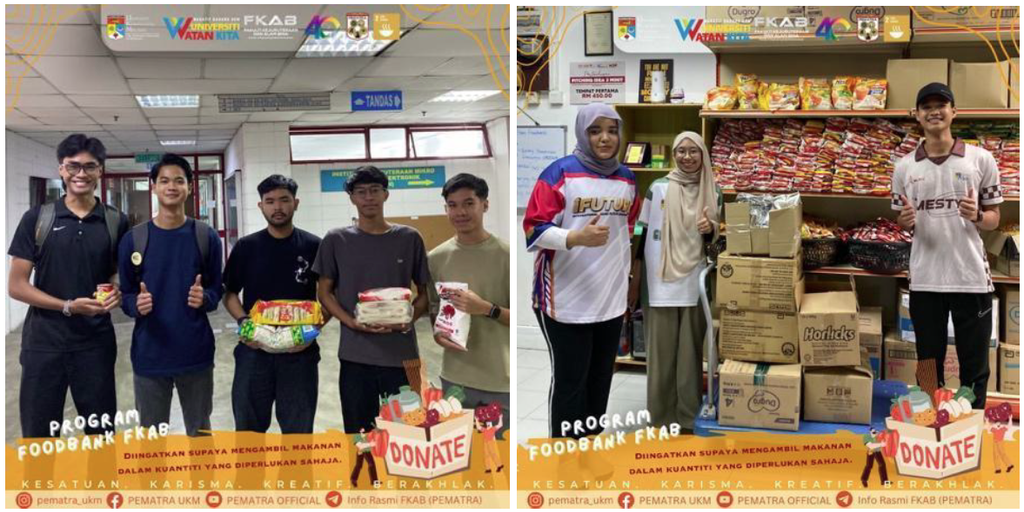
Operating continuously throughout Semester 2 of the 2024/2025 academic session (January to July 2025), the free “Foodbank FKAB” program was a highly sustainable student welfare initiative driven by a collaboration between the FKAB Student Representative Council (MPPFKAB), the faculty management, and PEMATRA. Accessible 24 hours a day at the FKAB Academic Building and sustained by a fund of RM654.00, this food pantry provided barrier-free access to sustenance for all FKAB students. This ongoing initiative delivered a profound social impact by directly alleviating the immediate hardships of financially vulnerable students who struggled to afford daily meals, as well as providing critical support for students remaining on campus for extensive revisions. By ensuring reliable, constant access to food resources, the program effectively combated hidden student hunger and championed SDG 2, creating a resilient and deeply empathetic educational environment.
iii. Care2KM Compassion Box
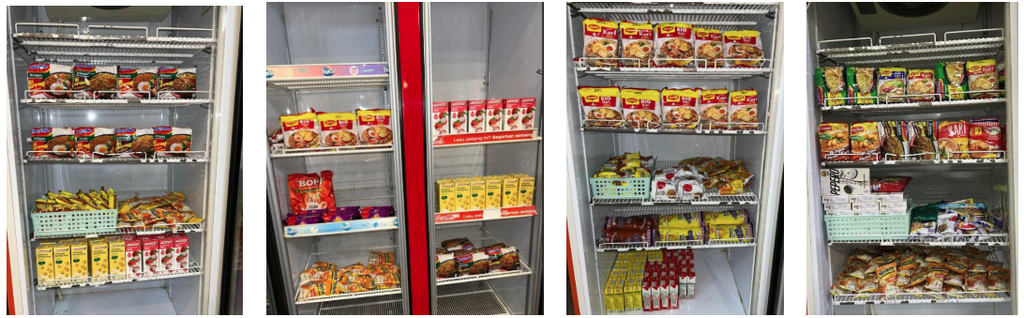
Operating three days a week throughout Semester 1 of the 2025/2026 academic year at Level G of the college, the free “Care2KM Compassion Box” Program was a vital welfare initiative organized by Keris Mas Residential College. Developed as a social safety net based on the concept of community sharing, this university-led initiative provided essential daily items and dry food to an estimated 100 students and staff each week who faced financial constraints. Supported by RM 700.00 in college funding alongside external sponsorships for dry goods, the program effectively minimized the risk of hunger and reduced financial stress within the campus environment. Delivering a profound educational and societal impact, the initiative significantly improved students’ academic focus by ensuring their basic nutritional needs were consistently met, while concurrently strengthening the campus community’s spirit of empathy, volunteerism, and mutual support.
iv. Student Sustenance Cart @PKU
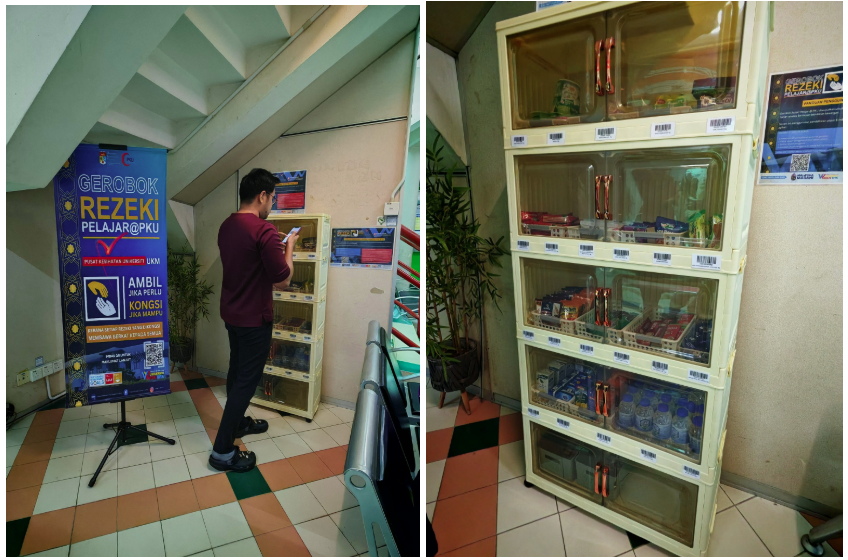
Initiated on 7 November 2025 and operating continuously during clinic hours, the free Student Sustenance Cart @PKU is a highly impactful welfare program organized by the University Health Centre (PKU) to actively combat student food insecurity. Recognizing that financial constraints severely limit students’ access to balanced and nutritious meals—consequently affecting their academic focus and mental well-being—the initiative provides a reliable supply of basic food items and daily necessities. Through the PKU Trust Fund and supplemented by generous donations from university staff, students, and internal volunteers, the program successfully delivered direct nutritional aid to 54 student beneficiaries in need. By alleviating immediate financial and nutritional burdens, this initiative powerfully advanced the core targets of SDG 2: Zero Hunger while safeguarding the holistic physical and mental welfare of the campus community. Furthermore, the collaborative effort successfully cultivated a campus-wide culture of empathy, volunteerism, and shared sustenance, reinforcing UKM’s steadfast commitment to maintaining an inclusive, caring, and supportive educational environment.
3. Rahmah Menu for Student
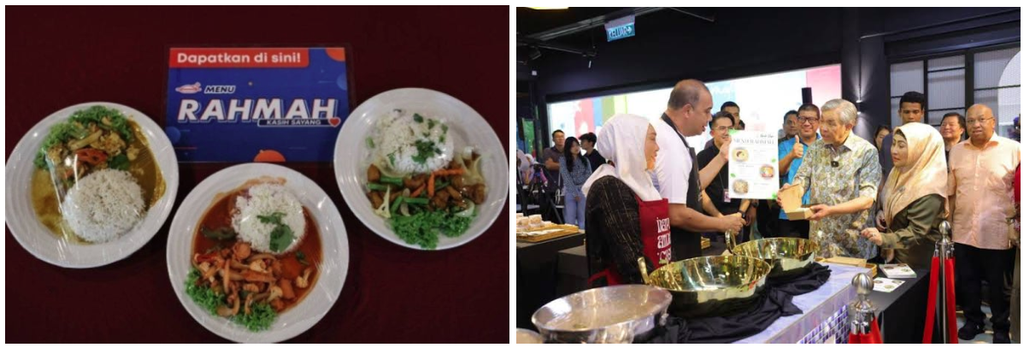
UKM has programmes in place to address student food insecurity and reduce the financial burden of accessing nutritious meals. Two notable initiatives are the Projek Menu Rahmah at Kolej Burhanuddin Helmi (KBH) and the Menu Rahmah at Kuali Cafe@UKM.
Projek Menu Rahmah at Kolej Burhanuddin Helmi (KBH) provides affordable and nutritious meals specifically to support students, including those from financially disadvantaged backgrounds. The programme offers low-cost meals for lunch and dinner throughout the year, with meals priced at approximately RM3.50 per set. The initiative helps ensure that students have access to nutritious food at an affordable price and contributes directly to reducing the impact of food insecurity and financial constraints on student well-being.
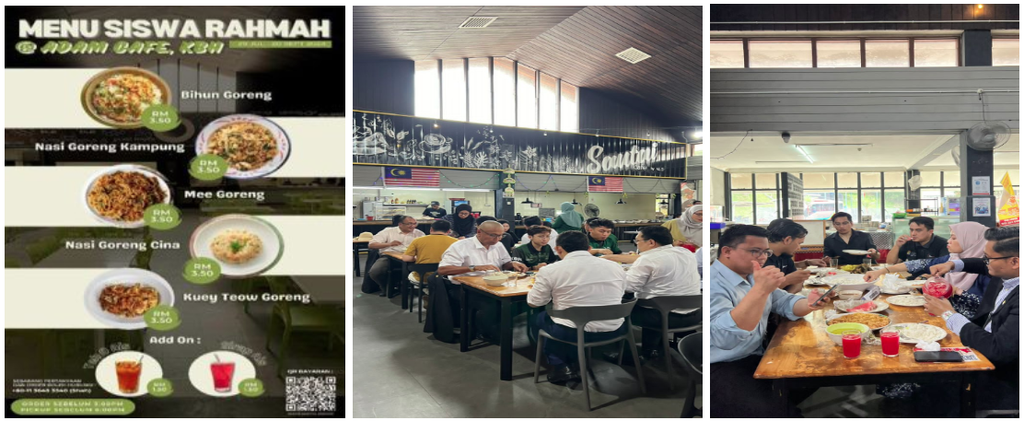
In addition, Kuali Cafe@UKM offers Menu Rahmah as an affordable food option for UKM students. Introduced as part of UKM’s efforts to provide accessible and reasonably priced meals, the initiative enables students to obtain quality food at a subsidised and affordable price. Its implementation further expands students’ access to affordable meals within the university campus.
Together, these initiatives demonstrate UKM’s institutional commitment to preventing and alleviating student hunger and food insecurity by making nutritious meals more accessible and affordable. They also support UKM’s broader commitment to student welfare and contribute to SDG 2: Zero Hunger.
Source:
https://www.ukm.my/kbh/sustainable-development-goals-sdgs/
https://www.ukm.my/beritaukm/teruskan-menu-rahmah-utamakan-kualiti-makanan-timbalan-perdana-menteri/
4. Food incentive program (Dompet Siswa UKM)
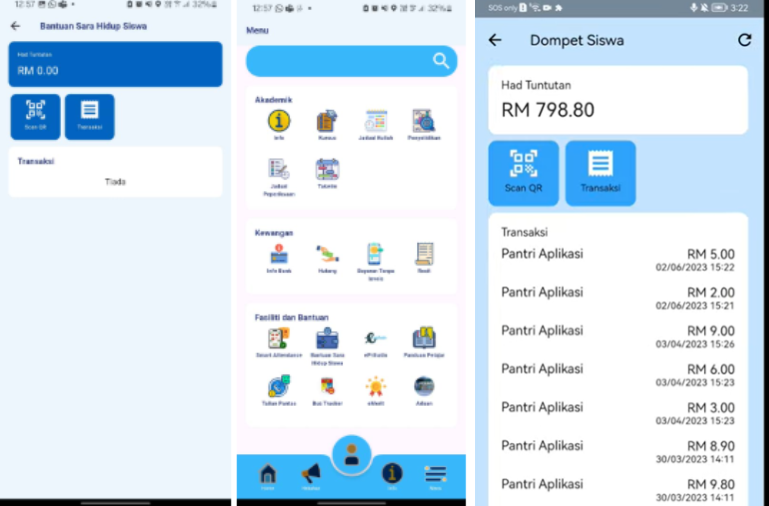
UKM has launched several food assistance initiatives to help ease the student burden among students. To ensure that students have consistent access to nutritious meals, UKM has established a food incentive program (Dompet Siswa UKM). Under this program, 1,000 students receive RM800 per semester, distributed through a specially designed mobile app, MyUKM. This app allows students to purchase food at designated campus cafeterias. This innovative approach not only guarantees daily access to food but also gives students the flexibility to choose their meals. More information can be found https://www.youtube.com/watch?v=CoTn0AQVw8c
5. Free Coffee and Snacks
UKM through the Kesatuan Mahasiswa Universiti Kebangsaan Malaysia (KMUKM),has implemented student-centred initiatives that provide free food and beverages to students, contributing to efforts to alleviate hunger and support student well-being.
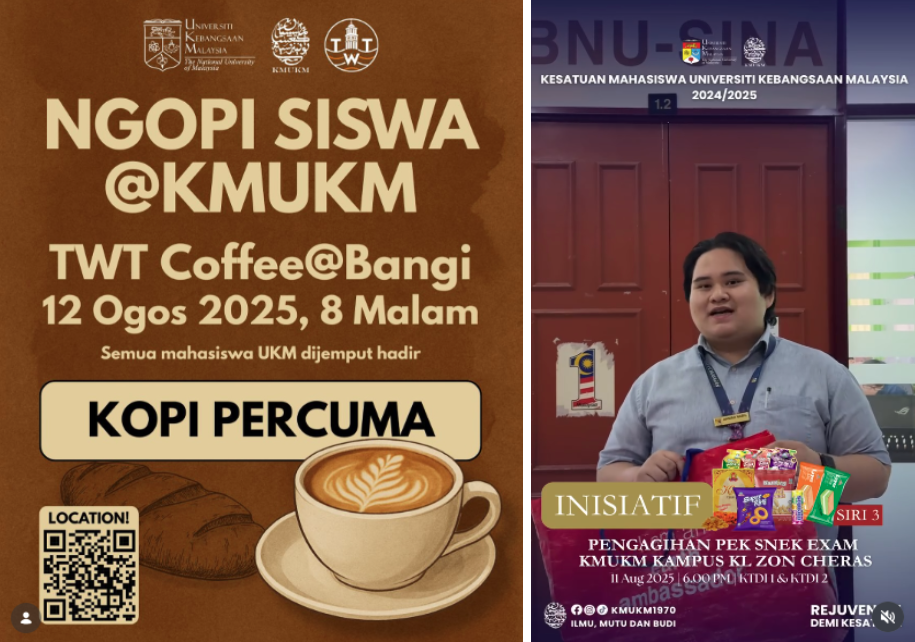
On 11 August 2025, KMUKM Kuala Lumpur and Cheras Campus, through an initiative led by the KMUKM Vice President 4, organised the third series of a free snack pack distribution programme for UKM students at the Cheras Campus. Free snack packs were distributed at Bilik Ibnu Sina, KTDI 1, and Surau Asy-Syakirin, KTDI 2, providing students with immediate access to food at no cost.
In addition, on 12 August 2025, KMUKM organised a free coffee initiative at TWT Coffee @ Bangi, which was open to all UKM students on a first-come, first-served basis. Although designed as a social and student engagement activity under the theme “Rejuvenation for Unity”, the provision of free beverages also offered students access to refreshments without financial cost.
Together, these initiatives demonstrate UKM’s commitment to supporting students through accessible, free food and beverage provision, particularly during their time on campus. Such interventions contribute to alleviating immediate food-related financial pressures and promoting student well-being, inclusivity and a supportive campus community. They form part of UKM’s broader commitment to addressing student food insecurity and hunger, in alignment with SDG 2: Zero Hunger.