


End hunger, achieve food security and improved nutrition and promote sustainable agriculture
SDG 2 Indicator
2.3 – Student hunger
2.3.3 – Sustainable food choices on campus
UKM is committed to promoting healthy and affordable food choices for all students, staff, and visitors on campus. Ensuring access to nutritious meals at reasonable prices is essential for maintaining overall well-being, enhancing academic performance, and supporting an active lifestyle.
UKM’s food outlets offer a variety of balanced meals, including fresh fruits, vegetables, whole grains, and protein-rich options, catering to different dietary needs and preferences. In addition, efforts are made to keep prices student-friendly without compromising food quality. By fostering a culture of healthy eating and affordability, UKM aims to create a supportive and sustainable food environment for the entire university community.
Summary of the students hunger interventions
| No | Sustainable Food Choices |
|---|---|
| 1. | Food Choices at UKM Cafeterias |
| 2. | Food Choices at Dataran Makan@FSSK |
| 3. | Food Choices at PUSANIKA UKM |
| 4. | Sustainable Garden a. The Botanical Garden of UKM b. UKM-YSD Sustainable Garden c. Taman Ilmu @ Chancellery d. Eco-Campus UKM Kuala Lumpur Project e. Sustainable Campus Project f. Vegetable Planting Project @ PKU g. Sustainable Edible Garden at the UKM Mosque |
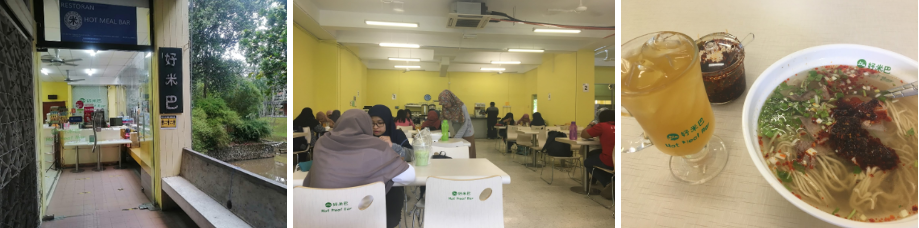
1. Food Choices at UKM Cafeterias
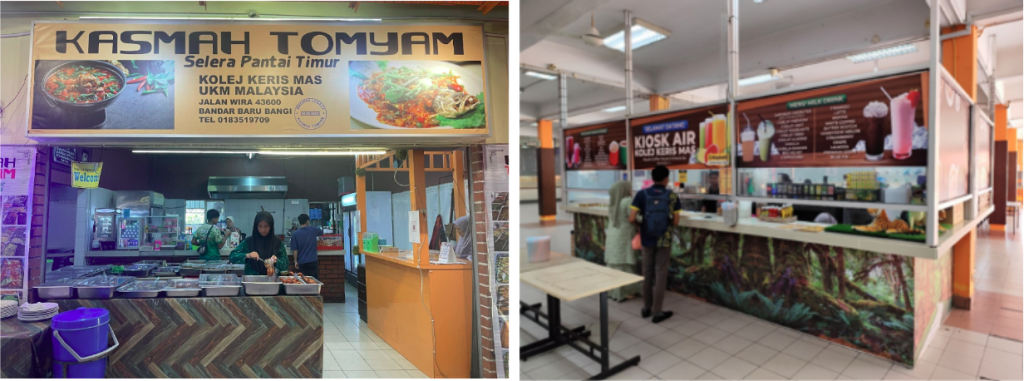
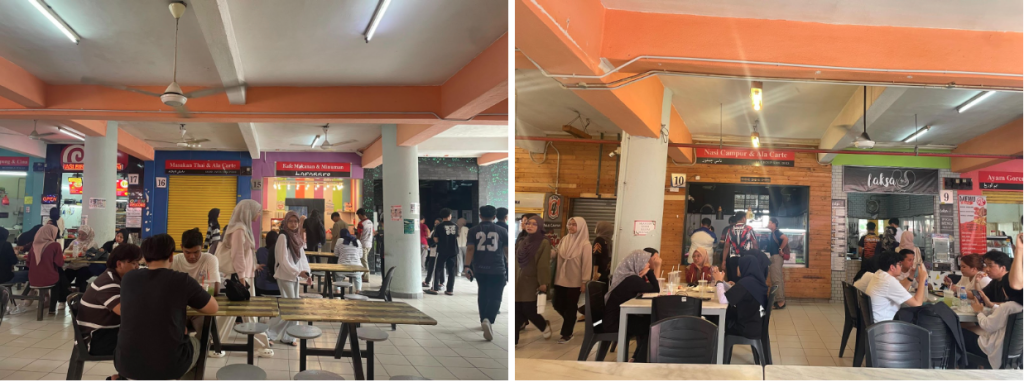
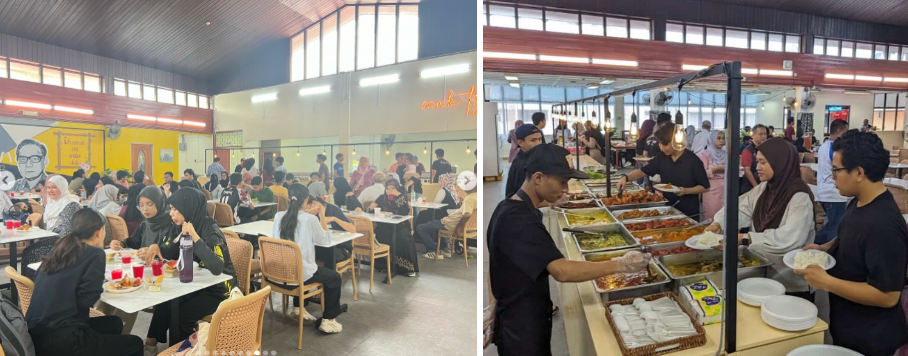
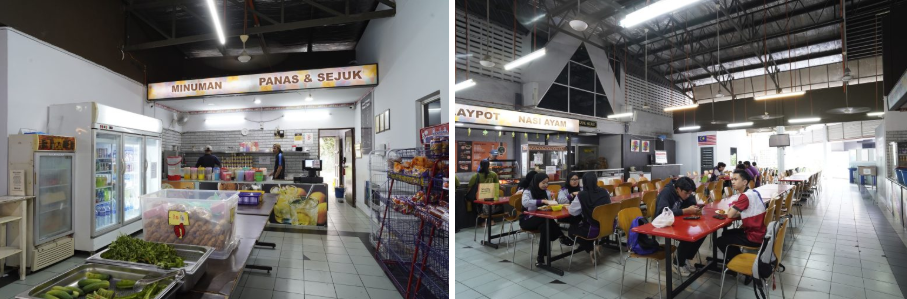
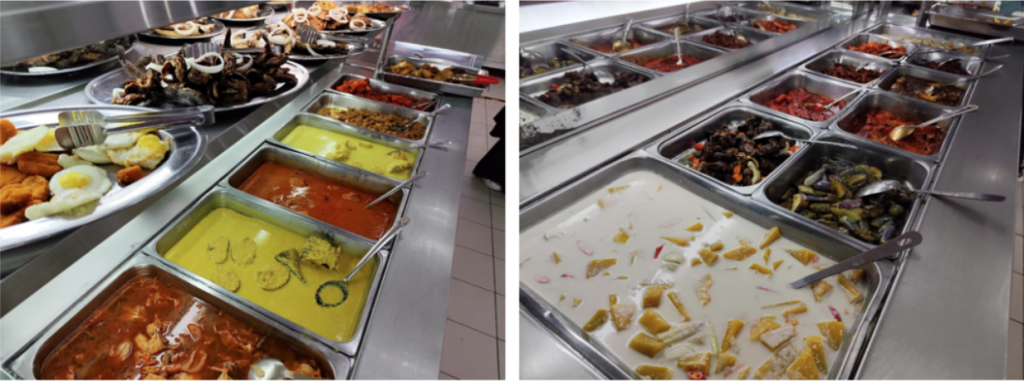
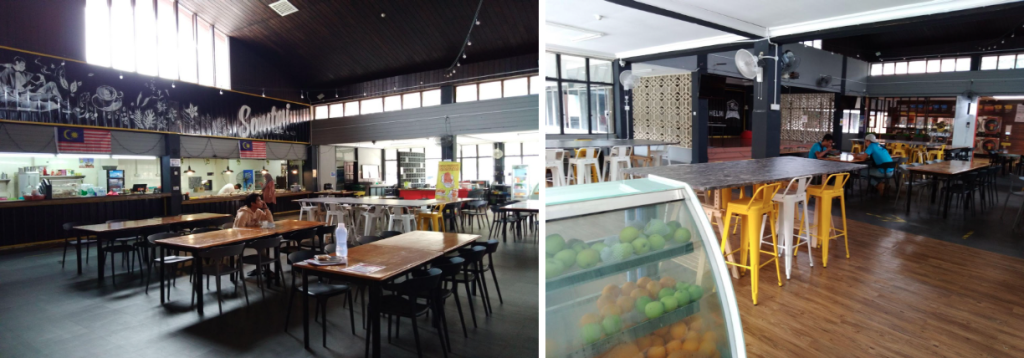
All cafeterias across UKM campuses offer a wide variety of food options at affordable prices, ensuring that students and staff have access to diverse and budget-friendly meals. The selection includes local Malaysian cuisine, international dishes, vegetarian options, and halal-certified meals, catering to different dietary preferences and needs.
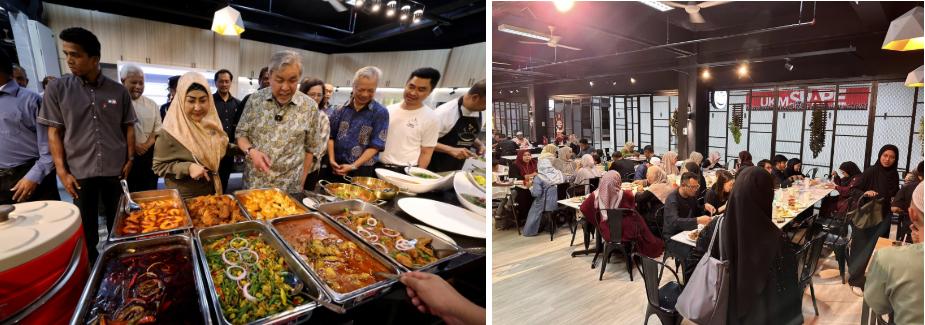
2. Food Choices at Dataran Makan@FSSK
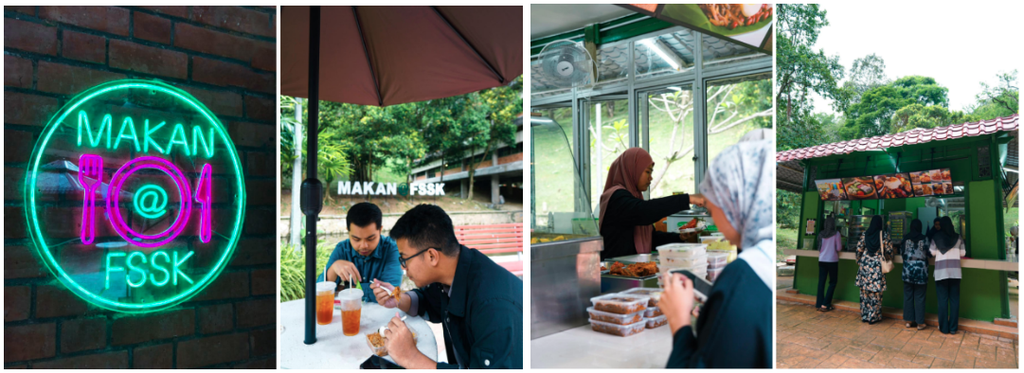
Dataran Makan @ FSSK, located at Faculty of Social Sciences and Humanities (FSSK), Universiti Kebangsaan Malaysia (UKM), is a popular dining area among students and staff, offering a variety of affordable and delicious food options. The food court provides an array of choices that cater to different tastes and dietary preferences, making it a convenient spot for budget-friendly meals on campus.
One of the main attractions of Dataran Makan @ FSSK is its affordable prices, making it an ideal choice for students looking for budget-friendly meals. The diverse menu includes local and international cuisines, such as Malay, Chinese, Indian, and Western dishes, ensuring there is something for everyone. Additionally, vegetarian and halal options are available, making the food court inclusive for all dietary needs. Its strategic location within FSSK allows students and staff to enjoy their meals conveniently without having to travel far.The food stalls offer a variety of popular dishes, including Nasi Campur (Mixed Rice), where diners can select from multiple side dishes, Mee Goreng & Laksa, Western-style meals such as chicken chop and pasta, and lighter options like Roti Bakar & Sandwiches. To complement the meals, refreshing drinks and desserts like fresh juices, bubble tea, and local kuih are also available.
3. Food Choices at PUSANIKA UKM
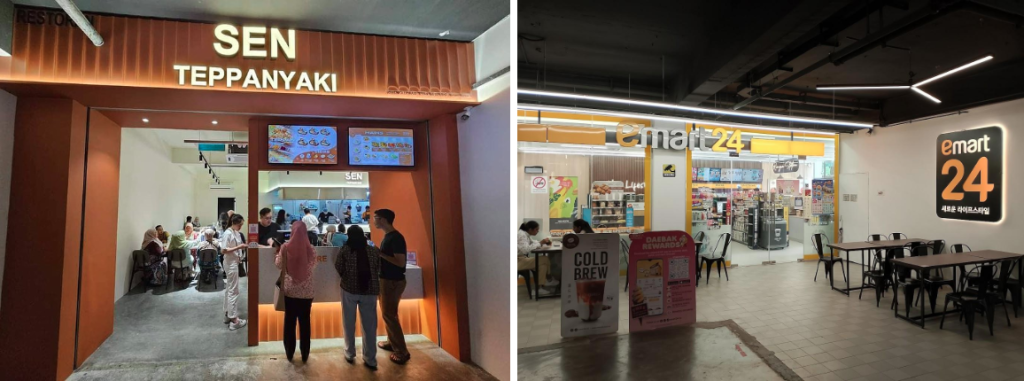
PUSANIKA UKM is dedicated to providing healthy and affordable food choices for students and staff, ensuring access to nutritious meals that support overall well-being and academic performance. With a wide selection of balanced and wholesome food options, PUSANIKA aims to promote healthier eating habits while maintaining budget-friendly prices. PUSANIKA helps create a sustainable and student-friendly dining experience on campus.
PUSANIKA UKM serves as a one-stop center offering a variety of food options, convenience stores, and essential services, including Sen Teppanyaki Restaurant, eMart Convenience Store, Malay Restaurant Coffee, and ATMs, providing convenience and accessibility for students and staff on campus. With a focus on quality, variety, and accessibility, PUSANIKA UKM continues to be a key hub for healthy, affordable, and convenient food options, supporting the daily needs of the university community.
4. Sustainable Garden
Sustainable Garden @ UKM is an initiative by Universiti Kebangsaan Malaysia (UKM) to promote sustainable agriculture, environmental awareness, and community engagement through eco-friendly gardening practices. The program focuses on organic farming, composting, biodiversity conservation, and resource-efficient food production, aligning with the Sustainable Development Goals (SDGs), particularly SDG 2 (Zero Hunger), SDG 12 (Responsible Consumption and Production), and SDG 15 (Life on Land). One key aspect of this initiative is its accessibility because the product is distributed free of charge to all UKM citizens, especially students and staff.
Detail of the sustainable garden available at UKM is shown below:
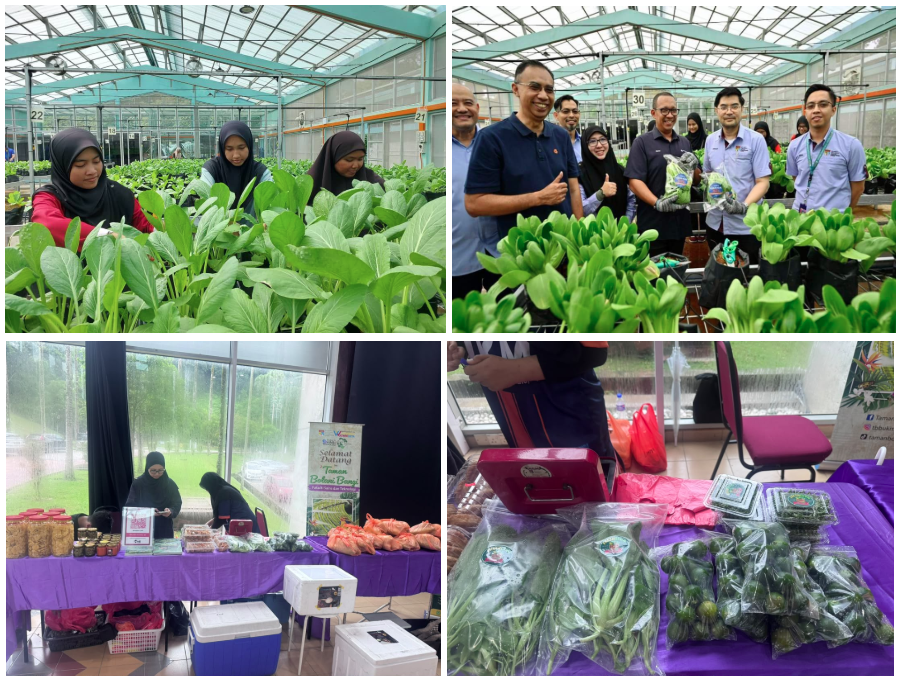
a) The Botanical Garden of UKM
The Botanical Garden of UKM focuses on sustainable food production by growing a variety of local fruits and vegetables, such as corn, dragon fruit, pineapple, pak choy, and more. These crops are cultivated using sustainable agricultural practices that aim to minimize environmental impact, such as reducing chemical inputs, conserving water, and enhancing soil health.
One key aspect of this initiative is its accessibility because the product is distributed free of charge to all UKM citizens, especially students. This not only provides nutritious food to the community but also promotes the importance of sustainable living. By demonstrating how food can be grown locally and sustainably, UKM Botanical Garden serves as a living example of responsible agriculture and food systems, aligning with Sustainable Development Goals: Zero Hunger.
b) UKM-YSD Sustainable Garden
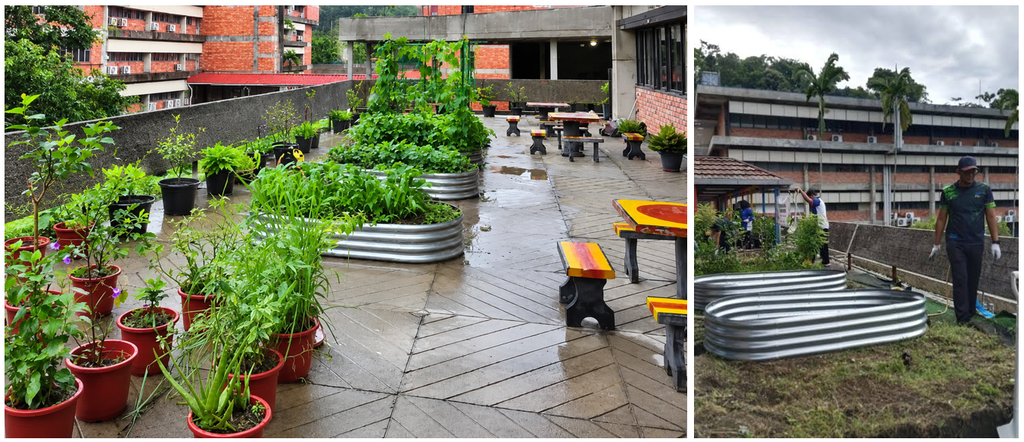
The UKM-YSD Sustainable Garden is an institutional initiative that strengthens UKM’s commitment to providing healthy, sustainable and plant-based food choices on campus. Established at Ungku Omar Residential College and the Faculty of Engineering and Built Environment, the garden applies an urban farming approach to cultivate a variety of vegetables and crops, including choy sum, mustard greens and lady’s finger. Sustainable practices such as the use of compost-based soil and organic fertilisers, without pesticides, support the production of fresh and nutritious food while reducing the environmental impact of food production.
The produce is distributed free of charge to the UKM community, helping to improve access to nutritious food and reduce the financial burden on students. As the garden provides fresh vegetables and other plant-based produce, it also supports healthier food choices for those seeking vegetarian or plant-based options. In addition, the garden serves as a collaborative learning space where students gain practical knowledge and skills in sustainable food production. Through this initiative, UKM demonstrates its institutional commitment to creating an accessible, health-conscious and environmentally sustainable campus food system, while encouraging the wider adoption of sustainable and plant-based food choices.
c) Taman Ilmu@Chancellery
Similar to the UKM-YSD Sustainable Garden, Taman Ilmu@Chancellery, located within UKM’s Chancellery Building, contributes to the University’s efforts to provide healthy, sustainable and plant-based food choices on campus. The garden cultivates a variety of vegetables and edible plants, including water spinach, curry leaves and Brazilian spinach, providing the UKM community with convenient access to fresh, locally grown produce.
By making nutritious plant-based food available directly from the campus garden, the initiative encourages healthier eating habits and supports greater awareness of sustainable food consumption. It also reduces reliance on externally sourced produce while promoting food self-reliance and environmentally responsible practices. Through initiatives such as Taman Ilmu@Chancellery, UKM demonstrates its institutional commitment to creating a healthier and more sustainable campus food environment, while supporting access to plant-based food choices for the University community.
d) Eco-Campus UKM Kuala Lumpur Project
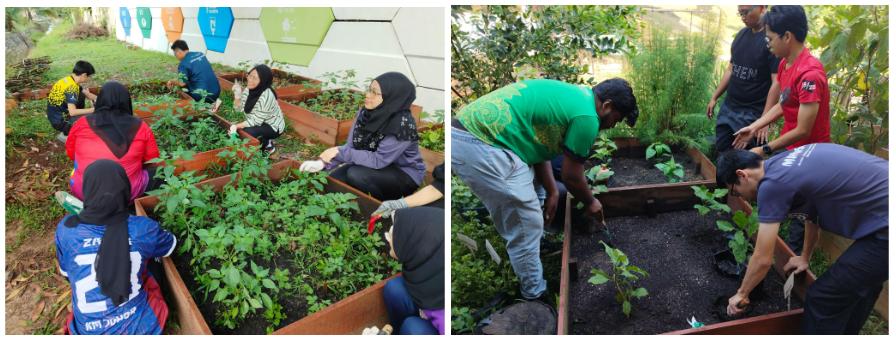
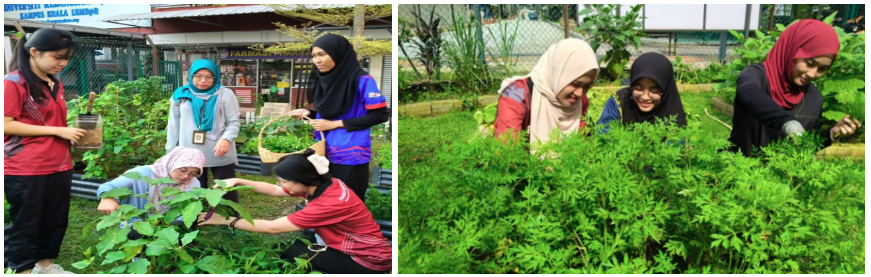
The Eco-Campus UKM Kuala Lumpur Project, held as a series-based initiative, since 2024, is a sustainability program integrating green management, education, and healthy lifestyle practices through urban food gardens across the campus. Led by the Faculty of Health Sciences in collaboration with the Faculty of Pharmacy, Faculty of Dentistry, and the Department of Agriculture (DOA) through its Urban Agriculture Division. In 2025, the program successfully transformed approximately 6,000 square feet of campus space to cultivate over 60 varieties of crops. Engaging more than 120 student volunteers, known as Eco-Campus Warriors, alongside faculty staff, the initiative utilized hands-on training sessions covering composting, seedling propagation, and garden maintenance. The DOA significantly strengthened the program’s capacity by donating essential urban farming inputs and equipment, including raised beds, organic fertilizers, and pest management tools. This initiative delivered a profound impact on the university community by increasing practical exposure to local food production, enhancing nutrition awareness, and encouraging the consumption of freshly harvested vegetables and traditional herbs (ulam-ulam). Ultimately, the project served as an evidence-based model for addressing SDG 2 (Zero Hunger) by improving campus food literacy and equipping students with vital sustainable agriculture skills.
e) Sustainable Campus Project
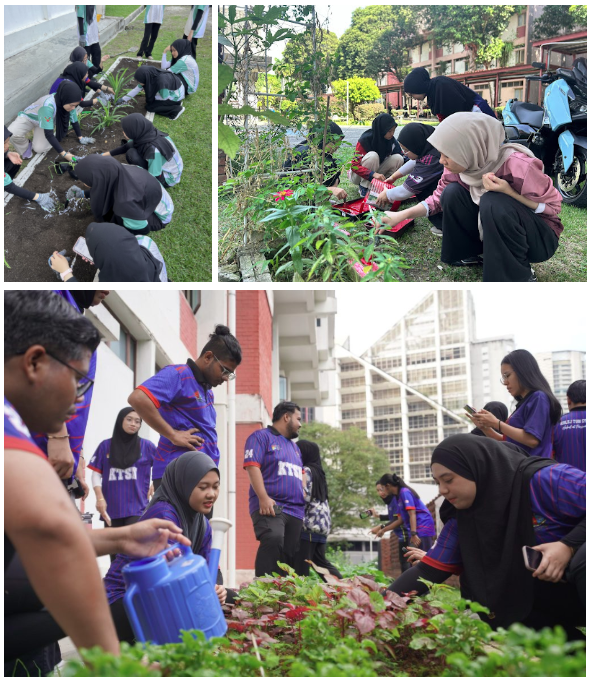
Other initiative to addressing student food insecurity and improving access to fresh and nutritious food is the Sustainable Campus Project, a continuous, free-to-participate urban farming and food security programme initiated on 1 February 2025 by the EcoVolunteers Club together with staff and fellows of Tun Syed Nasir College (KTSN), UKM. Supported by RM5,000 in funding and involving 70 participants, the project transformed an unused plot of land between Block F and Dewan Tun Syed Nasir into the permanent Eco HijauKita@KTSN Garden. Developed as an educational “living laboratory”, the garden promotes sustainable food production while providing the campus community with convenient access to fresh and healthy vegetables that can be harvested directly from the garden.
The initiative was implemented in collaboration with the Ministry of Agriculture and Food Security (KPKM) – Department of Agriculture Malaysia and the Sajian Istimewa Café at KTSN. In addition to providing fresh produce, the project established a small-scale circular food system by supplying harvested produce to the college café. This helps reduce food transportation and packaging costs while supporting sustainable campus-based food production. Through this initiative, UKM addresses food insecurity not only by improving access to nutritious food, but also by equipping students with practical skills in urban farming, food production and garden management. The Sustainable Campus Project therefore represents UKM’s institutional commitment to preventing and alleviating student hunger while promoting sustainable, inclusive and resilient campus food systems, in line with SDG 2: Zero Hunger.
f) Vegetable Planting Project @PKU
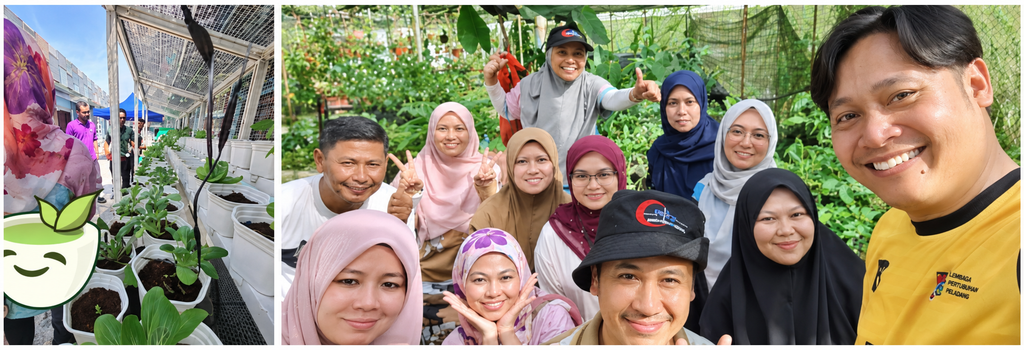
The implementation of the Vegetable Planting Project @PKU at Universiti Kebangsaan Malaysia (UKM) supports the University’s commitment to providing healthy, sustainable and plant-based food choices on campus. The project promotes a “farm-to-table” approach by cultivating fresh vegetables within the campus environment and providing free access to nutritious produce for use in internal health programmes and activities. By encouraging the consumption of fresh vegetables and increasing awareness of healthy eating, the initiative contributes to a more sustainable campus food environment and supports access to plant-based food choices.
Aligned with UKM’s “Wellness & Sustainable Campus” concept, the project promotes environmentally responsible food practices while creating a greener and healthier campus setting. Through collaborative gardening activities and gotong-royong, the initiative engages staff and students in producing fresh food and fostering greater awareness of food quality, nutrition and sustainable living. Collectively, these efforts demonstrate UKM’s institutional commitment to promoting healthy, sustainable and accessible food choices, including plant-based options, as part of a holistic campus well-being approach.
g) Sustainable Edible Garden at the UKM Mosque
Another initiative contributing to UKM’s provision of sustainable and plant-based food choices is the edible garden located within the UKM Mosque area. The garden features a variety of edible plants and herbs, including pandan, turmeric and curry leaves, which are made available for use by members of the UKM community.
By allowing staff and students to access fresh, locally grown edible plants for their own food preparation, the initiative promotes healthy, sustainable and plant-based food practices on campus. It also encourages the use of locally cultivated ingredients, reduces reliance on commercially sourced produce and supports greater awareness of food sustainability and self-sufficiency.
The availability of herbs and vegetables that can be incorporated into vegetarian and vegan meals further supports plant-based dietary choices among the campus community. Together with UKM’s other sustainable gardening initiatives, the edible garden demonstrates the University’s broader commitment to creating an accessible, environmentally responsible and health-conscious campus food environment.
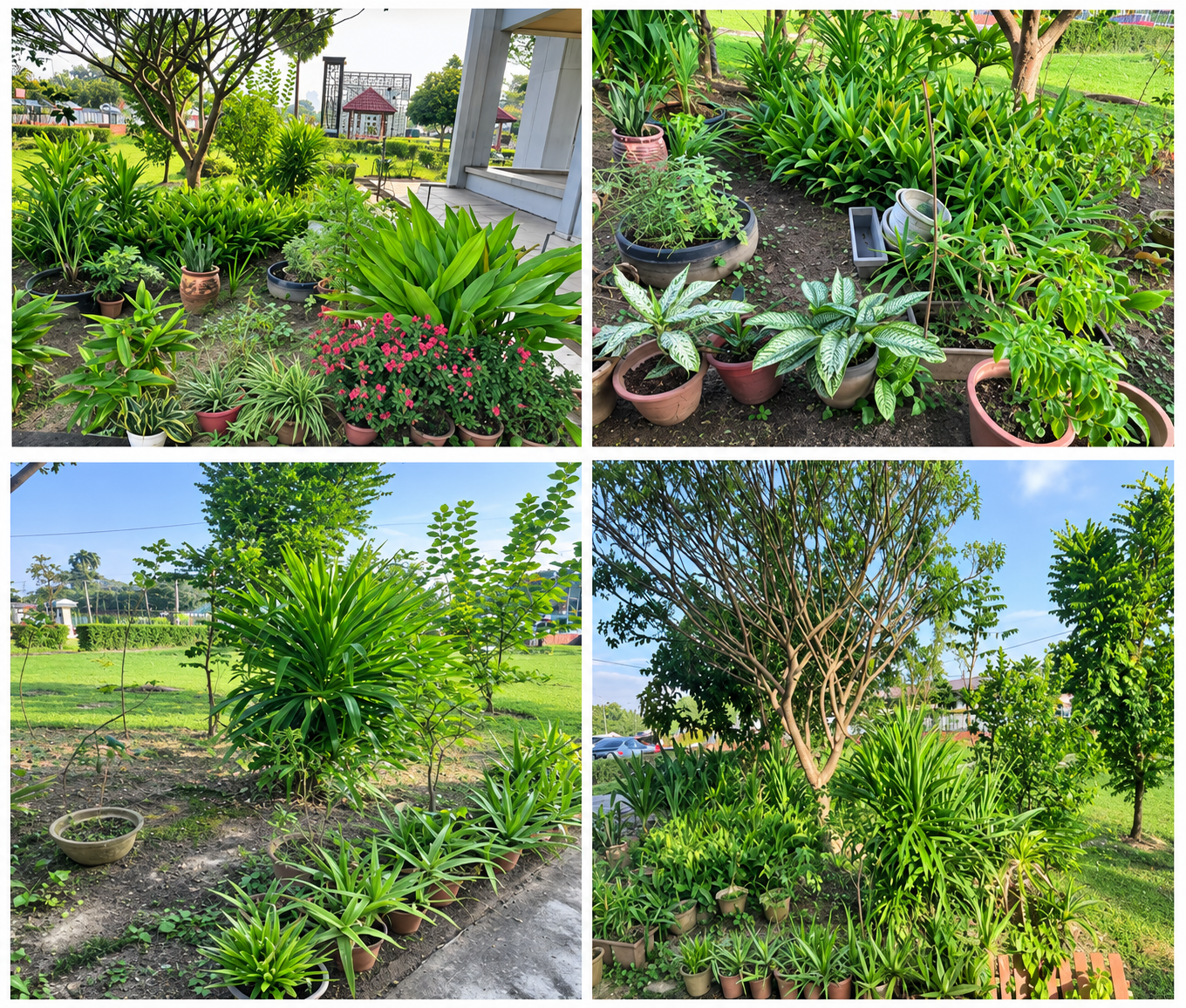
Collectively, UKM’s documented vegetarian options and campus-grown produce support greater choice within the university food environment. Dining provision offers opportunities to choose vegetarian food, while edible gardens provide fresh ingredients and practical engagement with sustainable cultivation. Together, these initiatives strengthen the foundations for more inclusive and environmentally responsible food provision for the campus community.