


End hunger, achieve food security and improved nutrition and promote sustainable agriculture
SDG 2 Indicator
2.3 – Student hunger
2.3.5 – Staff hunger interventions
Universiti Kebangsaan Malaysia (UKM) is committed to preventing and alleviating hunger among its staff by promoting access to food and basic food assistance within the campus community. In line with Sustainable Development Goal (SDG) 2: Zero Hunger, UKM has introduced interventions to ensure that staff members experiencing food insecurity have access to essential food supplies.
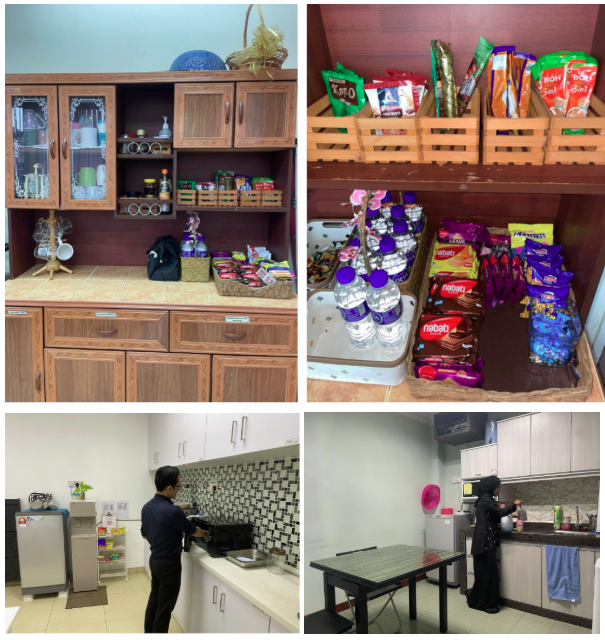
One of these interventions is the provision of a food pantry at the workplace, which provides access to basic food items for staff who may require temporary assistance. This initiative offers a practical and accessible form of support while fostering a caring, inclusive and supportive working environment.
Through such interventions, UKM demonstrates its institutional commitment to reducing food insecurity and ensuring that no member of its staff is left without access to basic food assistance.
Summary of the staff hunger interventions
| No | Staff hunger interventions |
|---|---|
| 1. | Food Pantries |
| 2. | Sustainable Garden |
| 3. | Food Supply during Meetings |
| 4. | Accessible Water and Food Dispensers |
| 5. | Staff Food Assistance and Welfare Support Programmes |
| 6. | Cafe at Pusanika |
1. Food Pantries
Universiti Kebangsaan Malaysia (UKM) provides interventions to prevent and alleviate hunger among its staff through the provision of food pantry facilities. In 2025, these pantries provide staff, particularly those experiencing financial hardship or food insecurity, with access to basic food supplies such as rice, bread, vegetables, and other essential dry goods.
In addition to food supplies, the pantry is equipped with basic cooking and food-heating facilities, such as small stoves and microwaves, enabling staff to conveniently prepare or heat their own meals. This helps ensure that staff have access to sufficient food while at the university and reduces barriers to obtaining and preparing meals.
Through this initiative, UKM demonstrates its commitment to staff welfare by providing practical support to address food insecurity and alleviate hunger within the campus community. The intervention contributes directly to SDG 2: Zero Hunger by improving access to food and ensuring that vulnerable members of the university community are supported in meeting their basic nutritional needs.
Beside, Universiti Kebangsaan Malaysia (UKM) provides various interventions to prevent and alleviate hunger and food insecurity among its staff, particularly those in need or from lower-income groups. In 2025, these interventions included the provision of food assistance, Ramadan care packages, prepared meals, festive food hampers, and other welfare assistance coordinated by different UKM entities.
2. Sustainable Garden
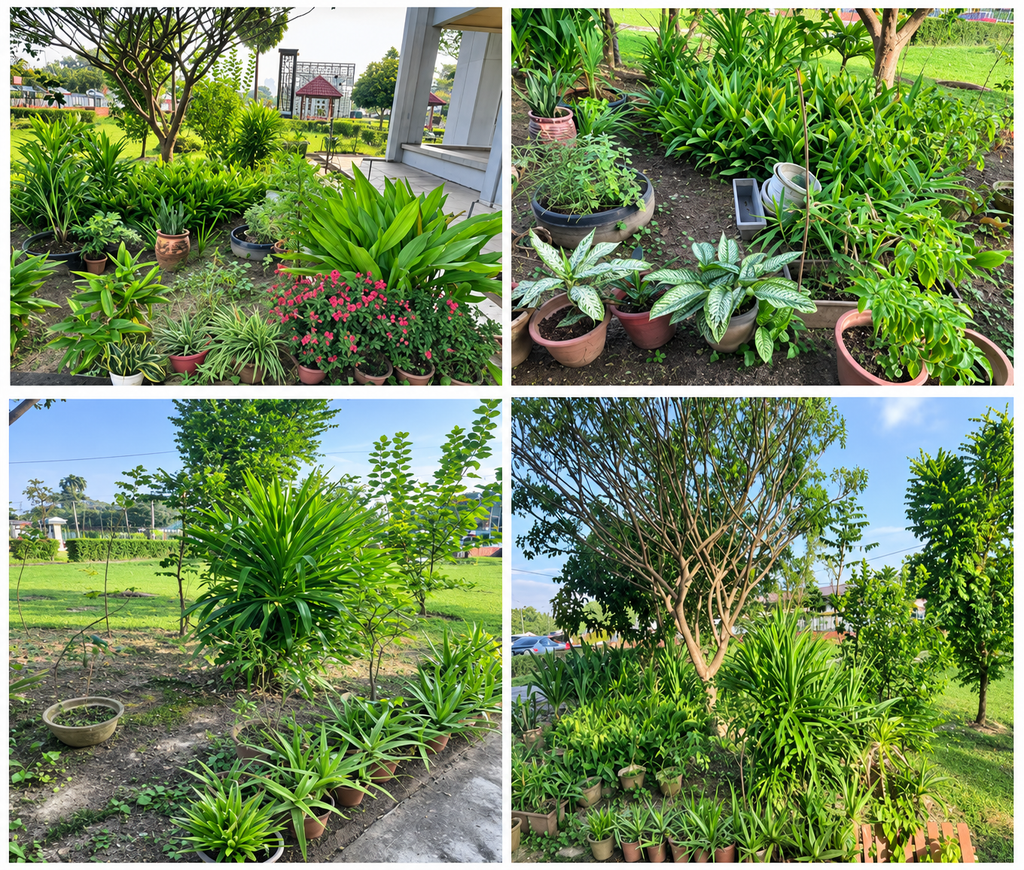
Sustainable Garden @ UKM is an initiative by Universiti Kebangsaan Malaysia (UKM) to promote sustainable agriculture, environmental awareness, and community engagement through eco-friendly gardening practices. The program focuses on organic farming, composting, biodiversity conservation, and resource-efficient food production, aligning with the Sustainable Development Goals (SDGs), particularly SDG 2 (Zero Hunger), SDG 12 (Responsible Consumption and Production), and SDG 15 (Life on Land). One key aspect of this initiative is its accessibility because the product is distributed free of charge to all UKM citizens, especially students and staff.
Detail of the sustainable garden available at UKM is shown below:
a) The Botanical Garden of UKM
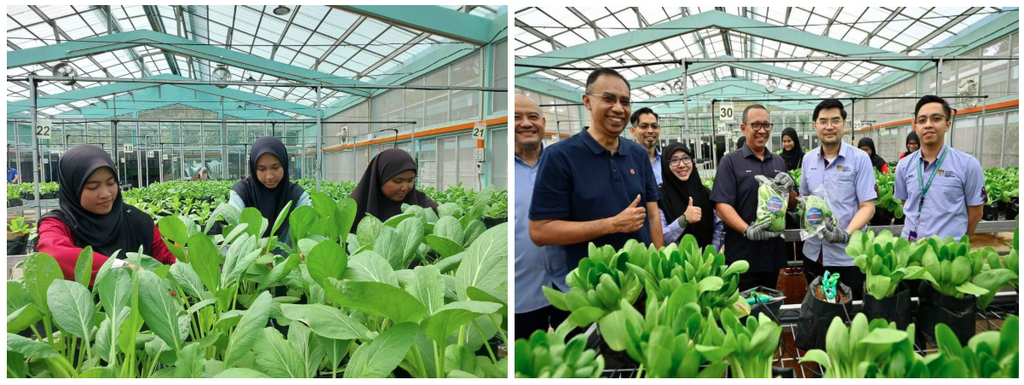
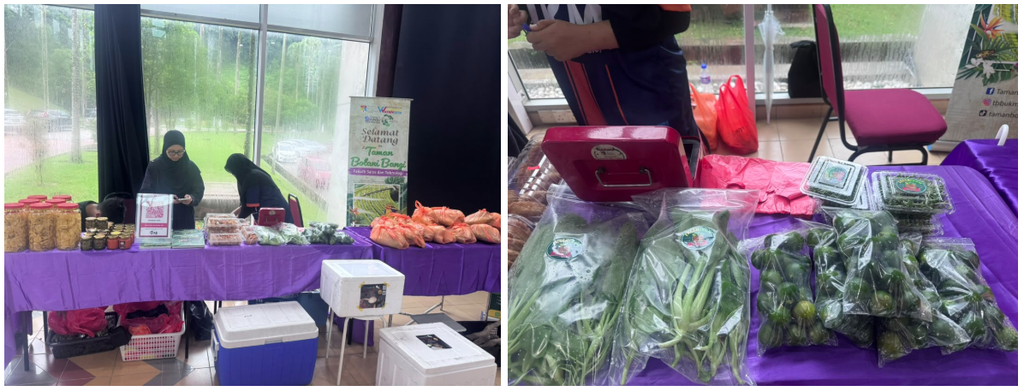
The Botanical Garden of UKM focuses on sustainable food production by growing a variety of local fruits and vegetables, such as corn, dragon fruit, pineapple, pak choy, and more. These crops are cultivated using sustainable agricultural practices that aim to minimize environmental impact, such as reducing chemical inputs, conserving water, and enhancing soil health.
One key aspect of this initiative is its accessibility because the product is distributed free of charge to all UKM citizens, especially students. This not only provides nutritious food to the community but also promotes the importance of sustainable living. By demonstrating how food can be grown locally and sustainably, UKM Botanical Garden serves as a living example of responsible agriculture and food systems, aligning with Sustainable Development Goals: Zero Hunger.
b) UKM-YSD Sustainable Garden
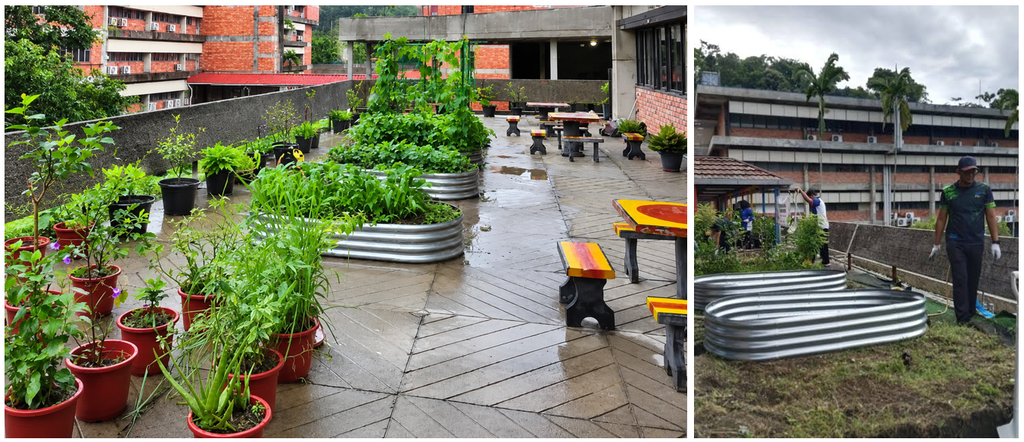
The UKM-YSD Sustainable Garden is an institutional initiative that strengthens UKM’s commitment to providing healthy, sustainable and plant-based food choices on campus. Established at Ungku Omar Residential College and the Faculty of Engineering and Built Environment, the garden applies an urban farming approach to cultivate a variety of vegetables and crops, including choy sum, mustard greens and lady’s finger. Sustainable practices such as the use of compost-based soil and organic fertilisers, without pesticides, support the production of fresh and nutritious food while reducing the environmental impact of food production.
The produce is distributed free of charge to the UKM community, helping to improve access to nutritious food and reduce the financial burden on students. As the garden provides fresh vegetables and other plant-based produce, it also supports healthier food choices for those seeking vegetarian or plant-based options. In addition, the garden serves as a collaborative learning space where students gain practical knowledge and skills in sustainable food production. Through this initiative, UKM demonstrates its institutional commitment to creating an accessible, health-conscious and environmentally sustainable campus food system, while encouraging the wider adoption of sustainable and plant-based food choices.
c) Taman Ilmu@Chancellery
Similar to the UKM-YSD Sustainable Garden, Taman Ilmu@Chancellery, located within UKM’s Chancellery Building, contributes to the University’s efforts to provide healthy, sustainable and plant-based food choices on campus. The garden cultivates a variety of vegetables and edible plants, including water spinach, curry leaves and Brazilian spinach, providing the UKM community with convenient access to fresh, locally grown produce.
By making nutritious plant-based food available directly from the campus garden, the initiative encourages healthier eating habits and supports greater awareness of sustainable food consumption. It also reduces reliance on externally sourced produce while promoting food self-reliance and environmentally responsible practices. Through initiatives such as Taman Ilmu@Chancellery, UKM demonstrates its institutional commitment to creating a healthier and more sustainable campus food environment, while supporting access to plant-based food choices for the University community.
d) Eco-Campus UKM Kuala Lumpur Project
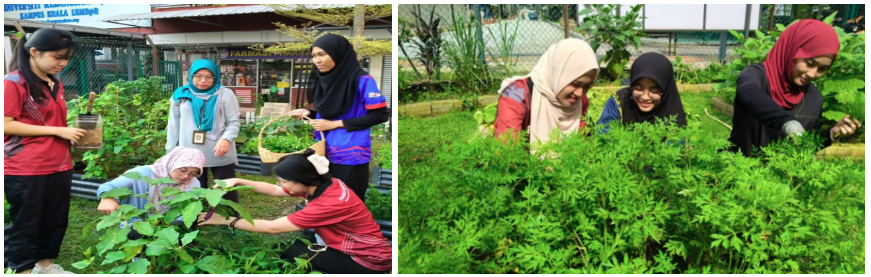
The Eco-Campus UKM Kuala Lumpur Project, held as a series-based initiative, since 2024, is a sustainability program integrating green management, education, and healthy lifestyle practices through urban food gardens across the campus. Led by the Faculty of Health Sciences in collaboration with the Faculty of Pharmacy, Faculty of Dentistry, and the Department of Agriculture (DOA) through its Urban Agriculture Division. In 2025, the program successfully transformed approximately 6,000 square feet of campus space to cultivate over 60 varieties of crops. Engaging more than 120 student volunteers, known as Eco-Campus Warriors, alongside faculty staff, the initiative utilized hands-on training sessions covering composting, seedling propagation, and garden maintenance. The DOA significantly strengthened the program’s capacity by donating essential urban farming inputs and equipment, including raised beds, organic fertilizers, and pest management tools. This initiative delivered a profound impact on the university community by increasing practical exposure to local food production, enhancing nutrition awareness, and encouraging the consumption of freshly harvested vegetables and traditional herbs (ulam-ulam). Ultimately, the project served as an evidence-based model for addressing SDG 2 (Zero Hunger) by improving campus food literacy and equipping students with vital sustainable agriculture skills.
e) Sustainable Campus Project
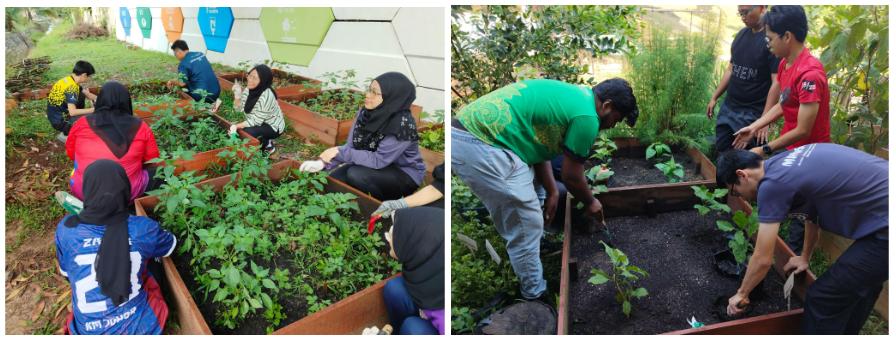
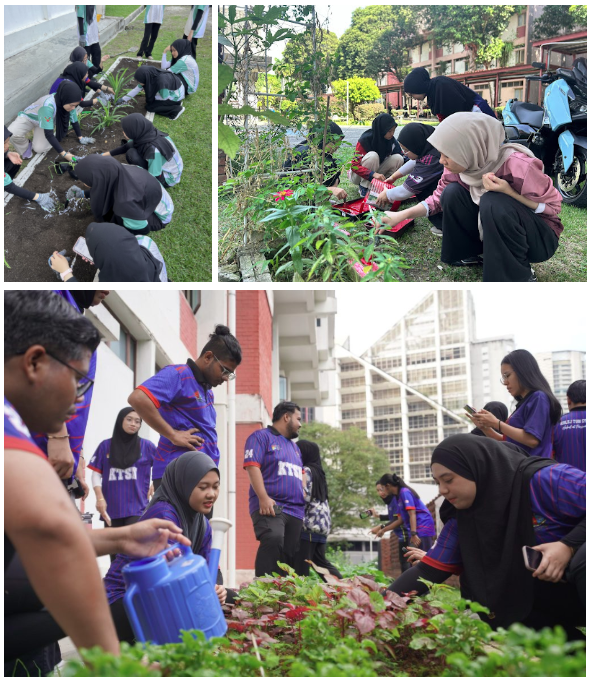
Other initiative to addressing student food insecurity and improving access to fresh and nutritious food is the Sustainable Campus Project, a continuous, free-to-participate urban farming and food security programme initiated on 1 February 2025 by the EcoVolunteers Club together with staff and fellows of Tun Syed Nasir College (KTSN), UKM. Supported by RM5,000 in funding and involving 70 participants, the project transformed an unused plot of land between Block F and Dewan Tun Syed Nasir into the permanent Eco HijauKita@KTSN Garden. Developed as an educational “living laboratory”, the garden promotes sustainable food production while providing the campus community with convenient access to fresh and healthy vegetables that can be harvested directly from the garden.
The initiative was implemented in collaboration with the Ministry of Agriculture and Food Security (KPKM) – Department of Agriculture Malaysia and the Sajian Istimewa Café at KTSN. In addition to providing fresh produce, the project established a small-scale circular food system by supplying harvested produce to the college café. This helps reduce food transportation and packaging costs while supporting sustainable campus-based food production. Through this initiative, UKM addresses food insecurity not only by improving access to nutritious food, but also by equipping students with practical skills in urban farming, food production and garden management. The Sustainable Campus Project therefore represents UKM’s institutional commitment to preventing and alleviating student hunger while promoting sustainable, inclusive and resilient campus food systems, in line with SDG 2: Zero Hunger.
f) Vegetable Planting Project @PKU
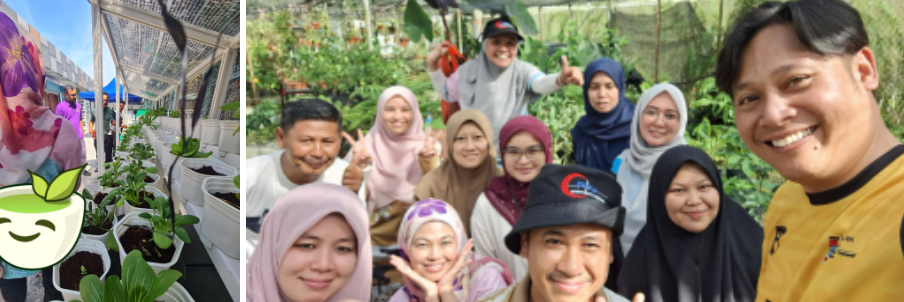
The implementation of the Vegetable Planting Project @PKU at Universiti Kebangsaan Malaysia (UKM) supports the University’s commitment to providing healthy, sustainable and plant-based food choices on campus. The project promotes a “farm-to-table” approach by cultivating fresh vegetables within the campus environment and providing free access to nutritious produce for use in internal health programmes and activities. By encouraging the consumption of fresh vegetables and increasing awareness of healthy eating, the initiative contributes to a more sustainable campus food environment and supports access to plant-based food choices.
Aligned with UKM’s “Wellness & Sustainable Campus” concept, the project promotes environmentally responsible food practices while creating a greener and healthier campus setting. Through collaborative gardening activities and gotong-royong, the initiative engages staff and students in producing fresh food and fostering greater awareness of food quality, nutrition and sustainable living. Collectively, these efforts demonstrate UKM’s institutional commitment to promoting healthy, sustainable and accessible food choices, including plant-based options, as part of a holistic campus well-being approach.
g) Sustainable Edible Garden at the UKM Mosque
Another initiative contributing to UKM’s provision of sustainable and plant-based food choices is the edible garden located within the UKM Mosque area. In 2025, the garden features a variety of edible plants and herbs, including pandan, turmeric and curry leaves, which are made available for use by members of the UKM community.
By allowing staff and students to access fresh, locally grown edible plants for their own food preparation, the initiative promotes healthy, sustainable and plant-based food practices on campus. It also encourages the use of locally cultivated ingredients, reduces reliance on commercially sourced produce and supports greater awareness of food sustainability and self-sufficiency.
The availability of herbs and vegetables that can be incorporated into vegetarian and vegan meals further supports plant-based dietary choices among the campus community. Together with UKM’s other sustainable gardening initiatives, the edible garden demonstrates the University’s broader commitment to creating an accessible, environmentally responsible and health-conscious campus food environment.
3. Food Supply during Meetings
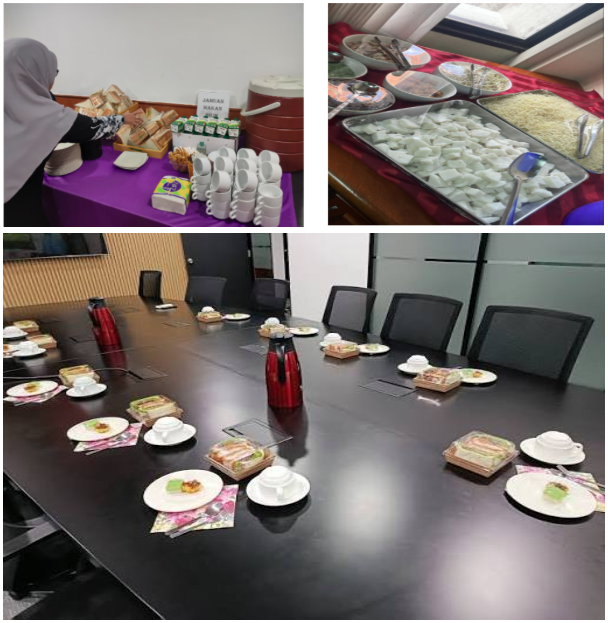
The provision of food during meetings at UKM is an important intervention in addressing hunger among staff. In addition to being a part of hospitality etiquette, it also serves as a proactive effort to ensure staff welfare is maintained, especially for those who may not have had time to eat due to their busy work schedules. The food provided during meetings typically includes nutritious meals such as rice, side dishes, fruits and drinks, which not only satisfy hunger but also provide energy for staff to remain focused and productive throughout the meeting. In this context, food acts as a form of support that indirectly prevents situations where staff have to work while hungry, which could impact their performance and well-being.
This intervention also reflects UKM’s commitment to SDG 2: Zero Hunger, where access to adequate and nutritious food is considered important, not only at home but also in the workplace. By providing food during meetings, UKM helps ensure that staff receive the nutrition they need, contributing to a more productive and inclusive work environment. This initiative also strengthens the sense of camaraderie among staff, as it shows that basic needs like food are being addressed, making the working experience at UKM more welcoming and attentive to the welfare of its employees.
4. Accessible Water and Food Dispensers
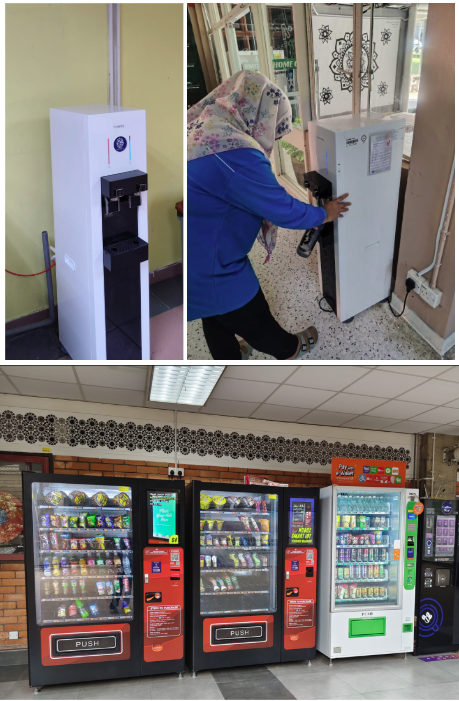
In 2025, UKM has installed 328 units of water dispensers and 69 units vending machines across the campus to ensure that all staff have constant access to basic necessities. With the vending machines, some of which offer free hot and ready-to-eat meals and strategically placed water dispensers in each college and faculty building, these resources are available everyday. The convenience of these dispensers and vending machines ensures that no one on campus goes without essential food and hydration, especially during critical times when traditional food outlets may be closed.
5. Staff Food Assistance and Welfare Support Programmes
i. Kasih Ramadan Programme – Faculty of Law UKM
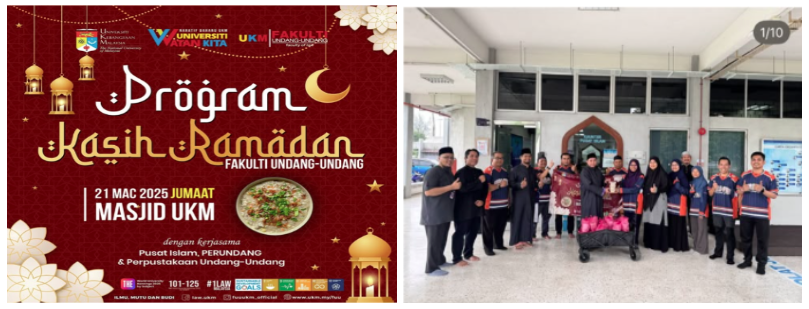
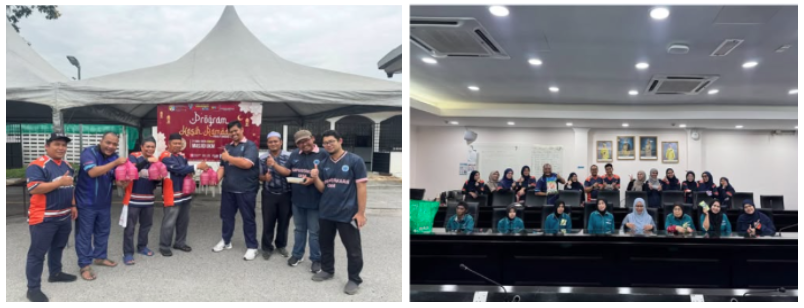
On 21 March 2025, the Faculty of Law UKM, in collaboration with the Islamic Centre, the Faculty of Law Student Association (PERUNDANG), and the Law Library, organised the Kasih Ramadan Programme as part of its welfare initiative during Ramadan.
Through this programme, cleaning staff at the Faculty of Law received Ramadan Care Packages (Pek Kasih Ramadan) contributed by members of the faculty. The assistance was specifically intended to help ease their financial burden and support their preparations for the festive period. The programme also included the preparation and distribution of bubur lambuk to the wider UKM community.
This initiative demonstrates UKM’s direct support for vulnerable and lower-income workers by providing food and essential assistance, thereby contributing to efforts to alleviate food insecurity among members of the university community.
Source : https://www.instagram.com/p/DHeogwXzjq3/?stkn=MTF5ODdsYTFvdjFzNw==
ii. Ihya’ Ramadan and Aidilfitri Charity Programme – HCTM
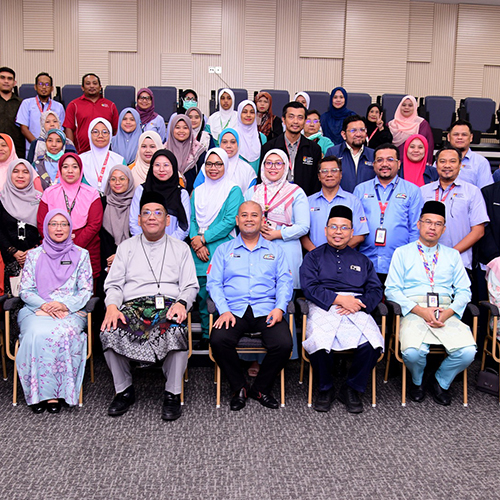
The Ihya’ Ramadan and Aidilfitri Charity Programme 2025 at Hospital Canselor Tuanku Muhriz (HCTM), UKM involved nine programmes implemented throughout Ramadan. The initiative was jointly organised by the Department of Diagnostic Laboratory Services together with the UKM Staff Union (KESUKMA) and several staff associations and welfare organisations within HCTM.
The programme specifically provided assistance to underprivileged groups, including staff members, as well as other eligible groups such as the elderly, converts, orphans and asnaf. The assistance was intended to reduce the financial and welfare burden faced by recipients during Ramadan and in preparation for Aidilfitri.
The programme demonstrates UKM’s institutional commitment to supporting staff experiencing financial hardship through targeted welfare and material assistance, complementing other food-support initiatives available within the university.
Source : https://hctm.ukm.my/en/25354/
iii. Distribution of 640 Meal Packs and 65 Aidilfitri Hampers to HCTM Staff
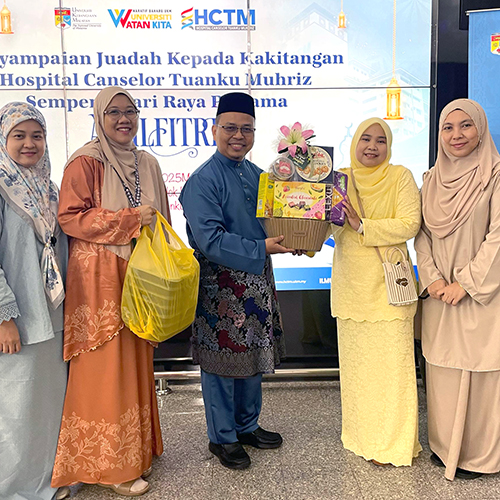
On 31 March 2025, HCTM UKM provided direct food assistance to staff who were required to remain on duty during the first day of Aidilfitri.
A total of 640 prepared meal packs containing various menus and 65 Aidilfitri hampers were distributed directly to staff on duty from the Clinical Departments, Clinical Support Services, Administration, and parts of the UKM Kuala Lumpur Campus.
This initiative represents a clear form of direct food provision to university staff, ensuring that employees working during the festive period had convenient access to prepared meals and food-related assistance while carrying out their duties.
iv. Additional Supporting Initiatives
UKM implemented several other welfare and food-related initiatives in 2025 that further demonstrate its broader commitment to supporting the basic needs and well-being of staff.
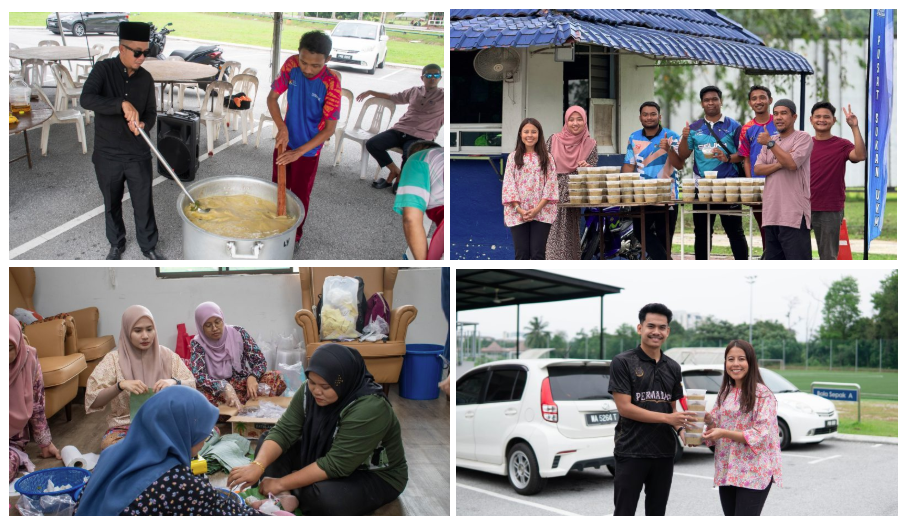
In 2025, the UKM Sports Centre Ramadan Rewang Programme prepared and distributed 500 packs of bubur lambuk to the campus community, including staff, students and other members of the university community. The programme provided free prepared food while strengthening community support during Ramadan.
6. Cafe at Pusanika Building
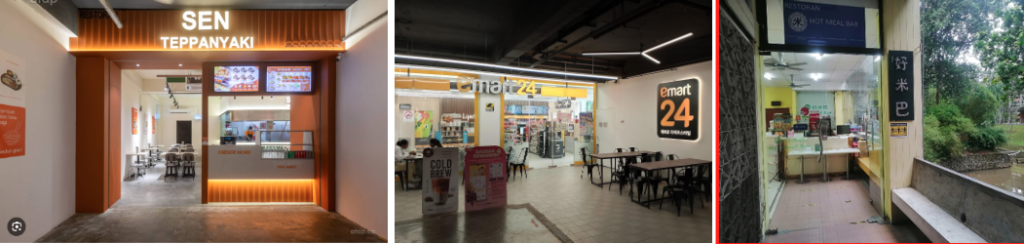
UKM provides several affordable and nutritious dining options on campus to support food access for its staff community. Sen Teppanyaki offers a variety of wholesome meals prepared using sustainable practices, ensuring both healthy choices and environmentally friendly operations. eMart 24 further enhances food availability by offering reasonably priced and healthy food items around the clock, supporting staff members who work late or have irregular schedules. Additionally, the Hot Meal Bar at Pusanika serves a range of Chinese Muslim dishes, including its signature mee tarik, at budget-friendly prices and offers a special discount for UKM staff. These facilities ensure that UKM staff have convenient access to nutritious and affordable meals as part of the university’s ongoing initiatives to address hunger and support staff wellbeing.
UKM’s staff hunger interventions have delivered a meaningful and positive impact by ensuring that every employee has reliable access to nutritious food, fostering a supportive and equitable workplace environment. Through initiatives such as office food pantries with cooking facilities, free access to produce from sustainable campus gardens, meals provided during meetings and widespread availability of water dispensers and vending machines including those offering ready-to-eat options, UKM actively reduces the risk of food insecurity among its workforce. Complemented by affordable dining options at Pusanika, the university not only addresses immediate nutritional needs but also enhances staff productivity, well-being and morale. These comprehensive efforts demonstrate UKM’s strong commitment to employee welfare and SDG 2: Zero Hunger, ensuring that staff can thrive academically, professionally and personally without the burden of food-related stress.