
Ensure inclusive and equitable quality education and promote lifelong learning opportunities for all
SDG 4 Indicator
4.3 – Lifelong learning measures
4.3.1 – Public resources (lifelong learning)
UKM provides free access to a diverse range of educational resources for individuals beyond its enrolled student community, reflecting the University’s commitment to inclusive education, open knowledge and lifelong learning. UKM extends learning opportunities to members of the public, independent learners, researchers, educators and students from other institutions through both digital platforms and physical resources. These initiatives include free online courses through UKM Massive Open Online Courses (MOOC), freely accessible research and cultural resources through the Malay Civilization Portal, access to selected campus facilities and equipment, and a wide range of open-access academic journals published by UKM faculties, institutes and academic centres.
Through these initiatives, UKM ensures that access to knowledge is not limited to formally enrolled students. Members of the wider community are provided with opportunities to learn new knowledge and skills, access scholarly and research materials, utilise educational facilities, and benefit from university-generated academic knowledge without financial barriers. Collectively, these initiatives demonstrate UKM’s institutional commitment to widening participation in education, democratising access to knowledge and fostering a culture of lifelong learning beyond the boundaries of the University.
Summary of the initiatives provided
| No | Initiatives |
|---|---|
| 1 | Free Courses Leading To Certificate i. UKM Massive Open Online Courses (MOOC) |
| 2 | Free Access To Online Resources i. Malaycivilization Portal (Online Resource Center for Malay World Research) |
| 3 | Free Access To Campus Facilities And Equipment |
| 4 | UKM Open Access Academic Journals |
Detail of the initiatives can be found below:
1. Free Courses Leading To Certificate
i. UKM Massive Open Online Courses (UKM MOOC)
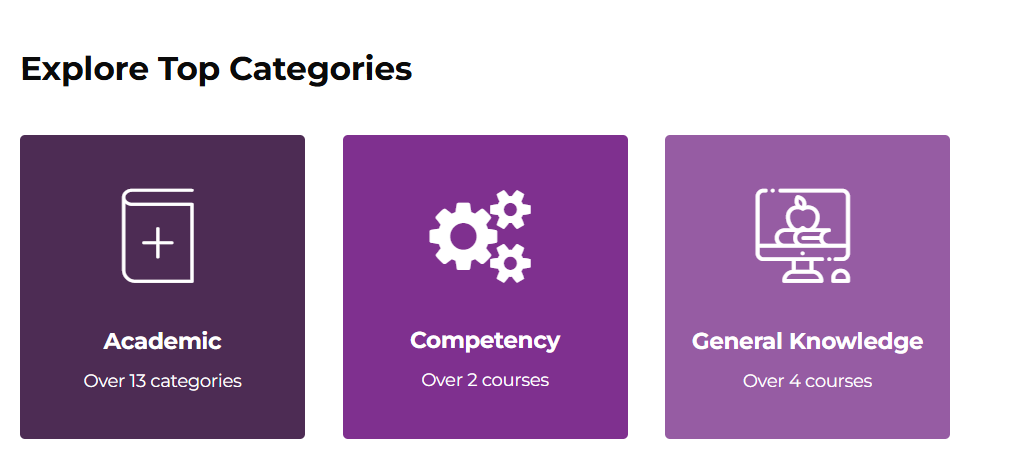
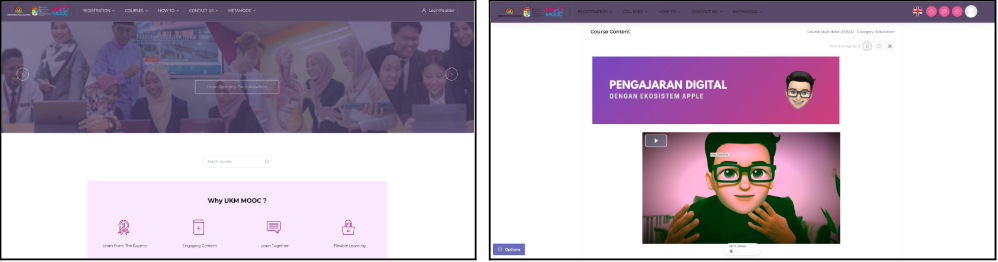
Universiti Kebangsaan Malaysia (UKM) provides free access to educational resources beyond its enrolled student community through the UKM Massive Open Online Courses (UKM MOOC), an institutional online learning platform designed to support flexible and lifelong learning. The platform enables members of the public, including individuals who are not UKM students, to access educational content and participate in selected online courses without tuition or participation fees. UKM provides specific registration guidance for public users (non-UKM members), allowing external learners to create an account and enrol in courses that are open to the public.
UKM MOOC provides learning opportunities across a broad range of disciplines, including health sciences, medicine, information technology, engineering, education and general knowledge. The platform is free access demonstrating that university-developed educational content is made accessible beyond the formal UKM student population. Examples include Memahami Demensia, Discovering Generative Artificial Intelligence (Gen AI), Mental Health Nursing, Osteoporosis, Prevention & Living Well, Masalah Pendengaran dalam Kalangan Kanak-Kanak, and Non-Specific Low Back Pain (NSLBP).
The courses may incorporate structured learning materials such as instructional videos, readings, learning activities, quizzes and opportunities for online interaction. For example, the NSLBP course provides evidence-based educational content through videos, activities, quizzes and additional reading materials, while Memahami Demensia provides a structured six-week learning experience covering dementia, diagnosis, care and risk-reduction strategies.
Through UKM MOOC, UKM extends its academic expertise beyond the physical boundaries of the university and provides members of the wider community with flexible opportunities to acquire knowledge and develop new skills. The initiative therefore represents a direct institutional mechanism for providing free educational resources to people who are not studying at UKM, while simultaneously promoting inclusive access to education, digital learning and lifelong learning.
Source: mooc.ukm.my
2. Free Access To Online Resources
i. Malaycivilization Portal – Online Resource Center for Malay World Research
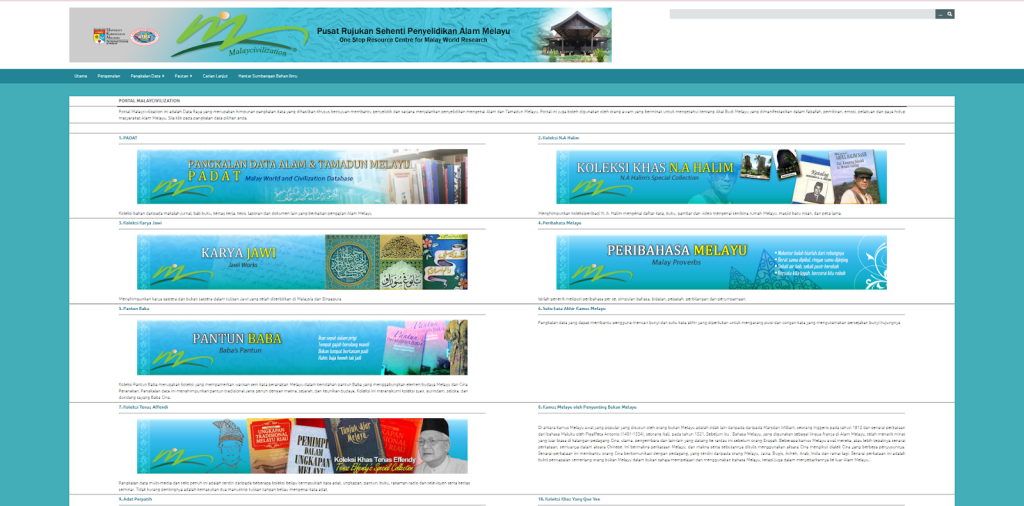
Universiti Kebangsaan Malaysia (UKM) further extends free access to educational and research resources to the wider community through the Malaycivilization Portal, an online knowledge platform dedicated to research and scholarship on the Malay World and Malay civilisation. The portal was developed to consolidate knowledge that had previously been dispersed across different disciplines, publications and forms of documentation, thereby providing researchers, scholars and members of the public with a more efficient means of accessing information related to Malay civilisation. Importantly, access to the portal is not restricted to registered UKM students or staff. The platform is freely accessible worldwide, enabling members of the general public, independent researchers, educators, students from other institutions and anyone interested in Malay civilization to benefit from UKM’s digital knowledge resources without being enrolled at the University.
The Malaycivilization Portal serves as a comprehensive digital research resource containing 25 databases covering various aspects of Malay intellectual, cultural and historical heritage. These include specialised collections such as Sejuta Pantun (A Million Pantuns), Peribahasa Melayu (Malay Proverbs), the N.A. Halim Collection and the Tenas Effendi Collection. Collectively, these resources facilitate research and learning on the philosophy, thought, values, language, literature, culture and ways of life associated with communities of the Malay world.
By making these specialised databases and digital collections freely available online, UKM removes geographical and institutional barriers to accessing scholarly resources. The Malaycivilization Portal therefore demonstrates UKM’s commitment to open knowledge, lifelong learning and the democratisation of educational resources, allowing individuals who are not studying at UKM to access university-supported research materials and cultural knowledge at no cost.
Source: malaycivilization.com.my
3. Free Access to Campus Facilities and Equipment
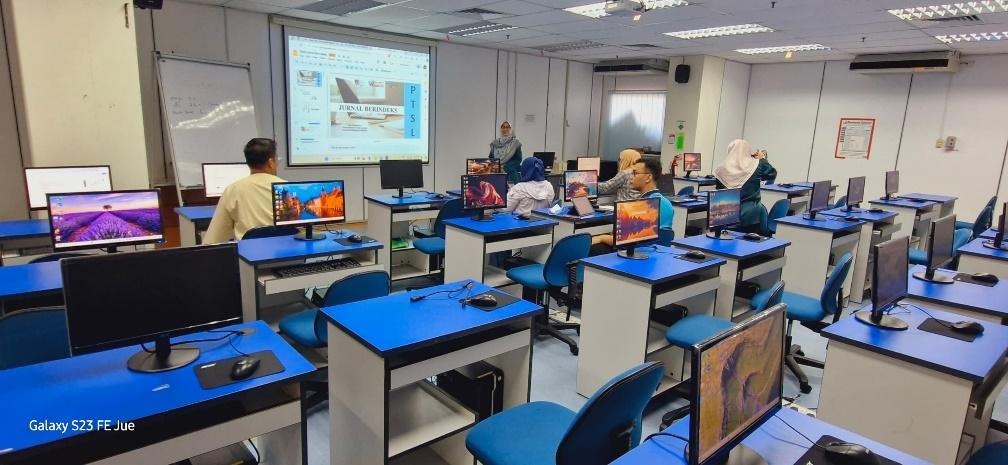
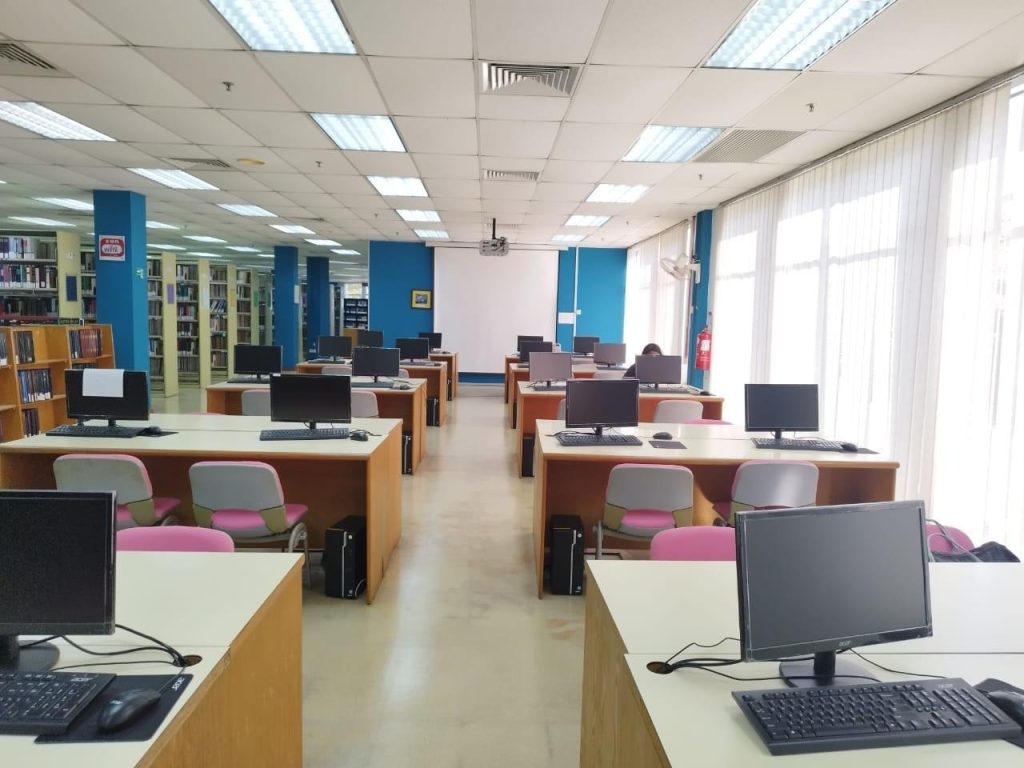
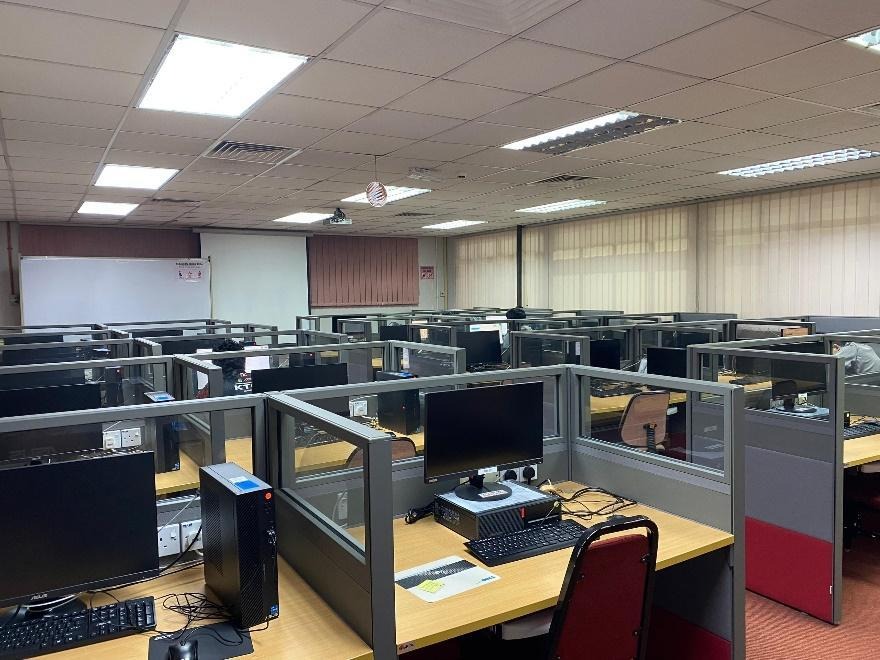
The UKM library consists of the Tun Seri Lanang Library as the main library in Bangi’s main campus and seven branch libraries, namely the Law Library, the Malay World and Civilization Library, the Second Cluster Library, the Dr. Abdul Latiff Library (Kuala Lumpur), Chancellor Tuanku Muhriz Hospital Library (Cheras), Preclinical Library (Cheras), Children’s Specialist Hospital Library (Cheras) and Academic Heritage Museum. Tun Seri Lanang Library as the main library or better known as PTSL has many facilities available for the use of many including the public for free of charge. Students also have access to use online software subscribed by UKM, enabling them to benefit from a wide range of digital tools and resources essential for their learning and research. Students have the opportunity to use facilities and equipment when they are physically present at UKM. Among them is a computer lab. UKM Library has eight (8) computer rooms. Location for the computer room as below:
| Location | Quantity |
|---|---|
| Tun Sri Lanang Library (PTSL) | 2 |
| Law Library | 1 |
| Dr. Abdul Latiff Library | 1 |
| Chancellor Tunku Muhriz Hospital Library | 1 |
| Preclinical Library | 1 |
| Children’s Specialist Hospital Library | 1 |
| Second Cluster Library | 1 |
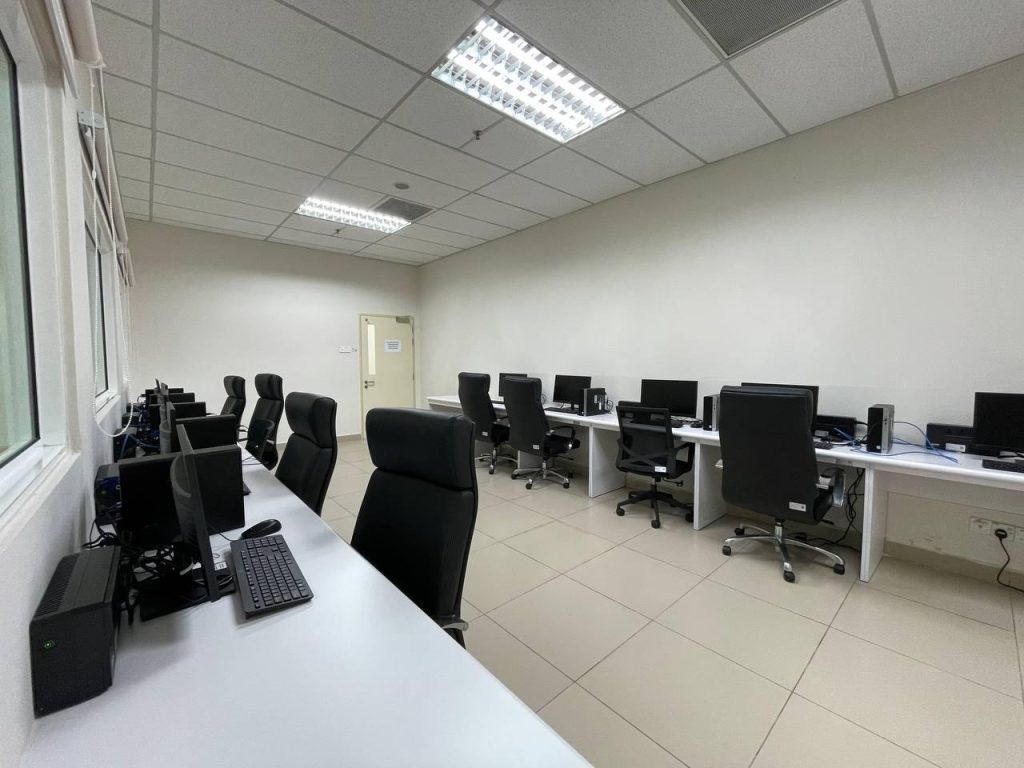
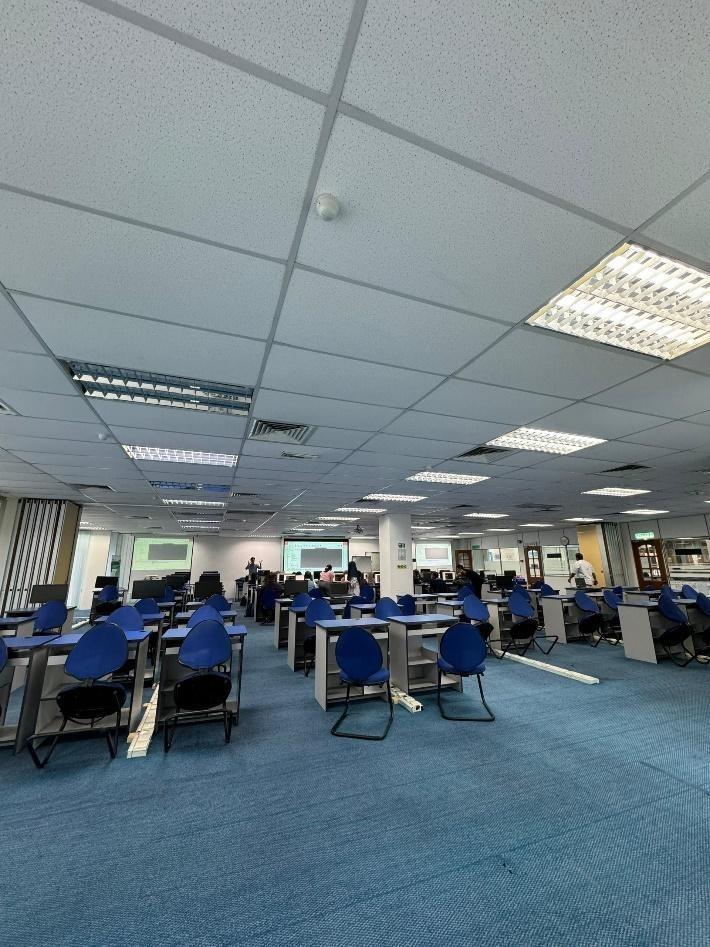
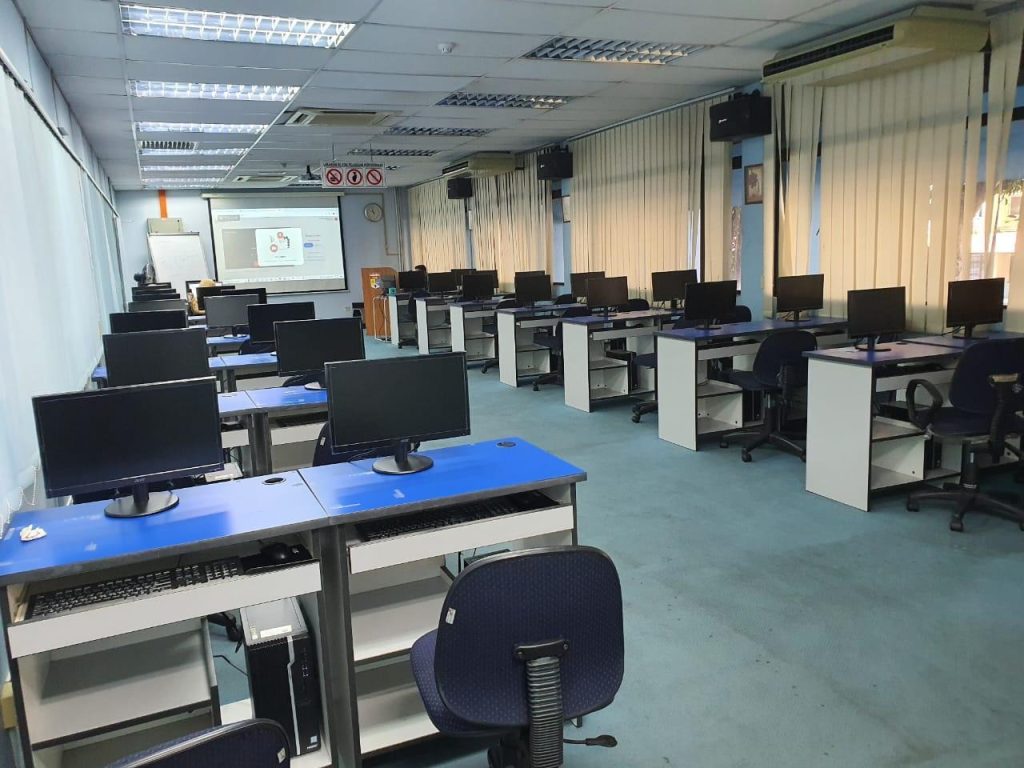
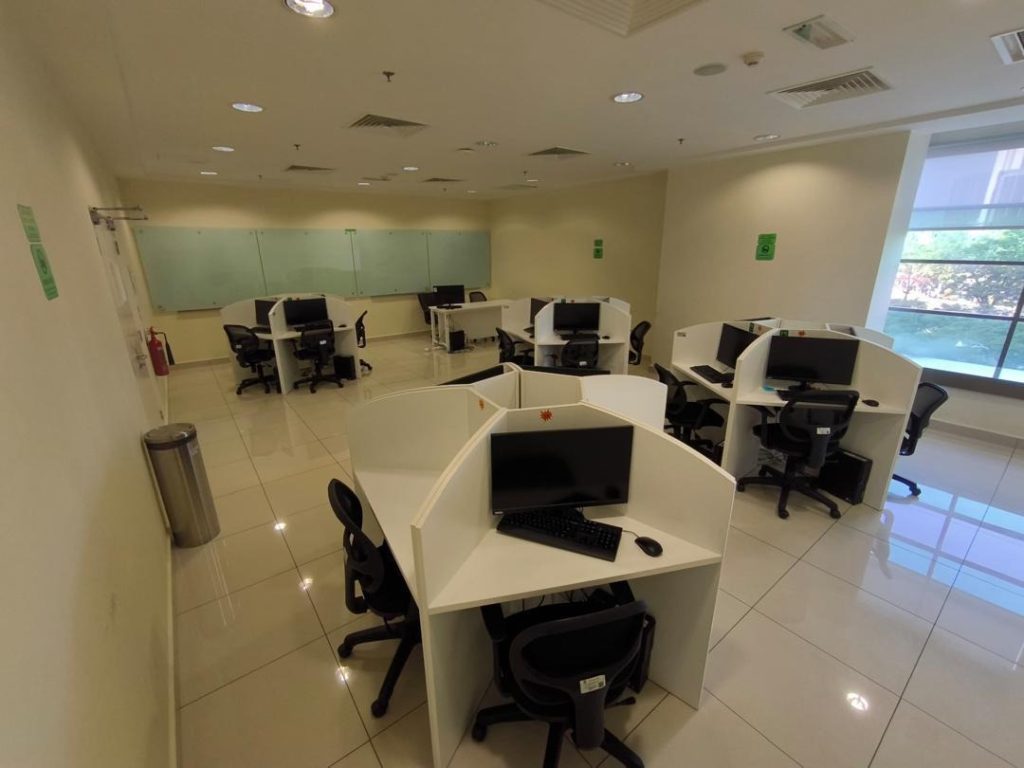
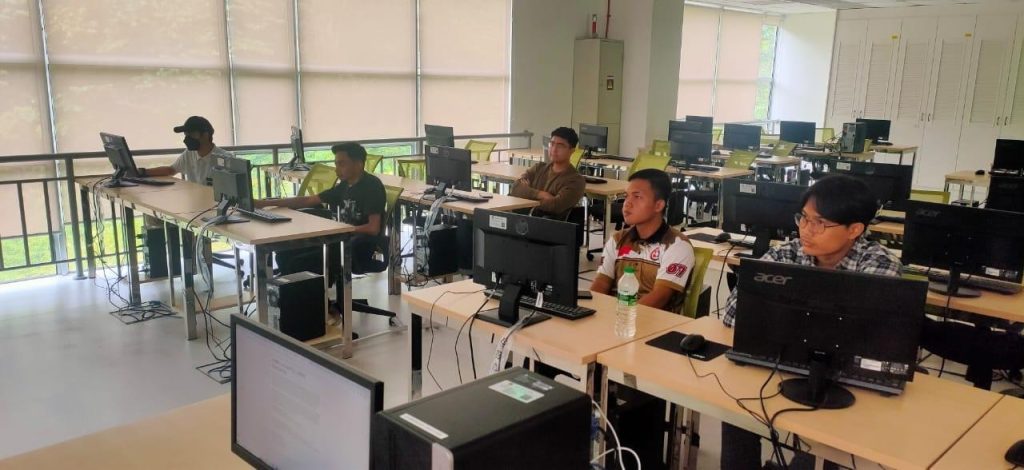
Access this link www.ukm.my/ptsl/?page_id=757 for more information and facilities provided in the libraries
4. UKM Open Access Academic Journals
Universiti Kebangsaan Malaysia (UKM) provides free public access to a wide range of scholarly and educational resources through its institutional UKM e-Journal System and open-access academic journals published by various faculties, institutes and academic centres. These resources extend access to university-generated knowledge beyond registered UKM students and staff, enabling members of the public, researchers, educators, professionals and learners from other institutions to access scholarly materials online.
The UKM e-Journal platform brings together academic journals covering diverse fields of knowledge, including education, social sciences, humanities, language and linguistics, economics, management, information technology, engineering, health sciences, Islamic studies, law and other disciplines. Many of these journals operate under explicit Open Access Policies, through which published scholarly content is made freely available online to the public.
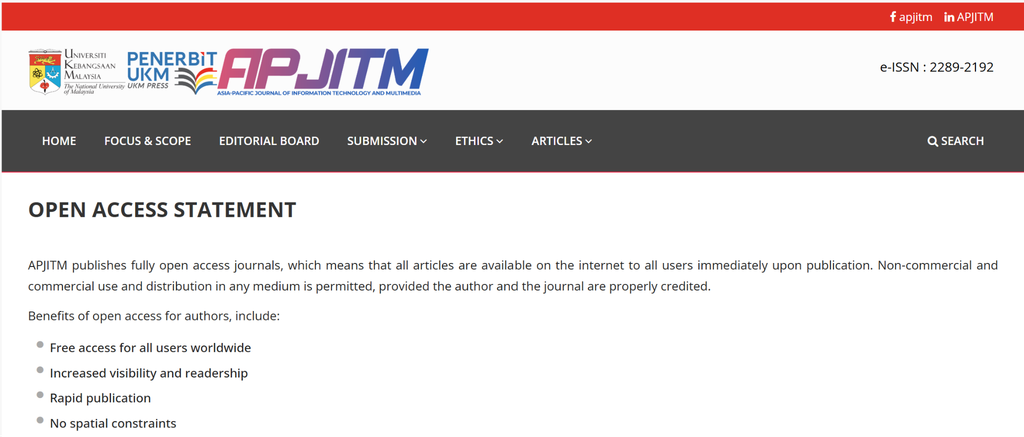
For example, GEMA Online® Journal of Language Studies provides open access to its content without charge to users or their institutions, allowing users to read, download, search and access the full text of published articles. Similarly, the ASEAN Journal of Teaching and Learning in Higher Education (AJTLHE) provides immediate open access, ensuring that its research remains freely available to the public. Other UKM publications, including Akademika, e-Bangi: Journal of Social Sciences and Humanities, Jurnal Hadhari: An International Journal, and the Asia-Pacific Journal of Information Technology and Multimedia, also maintain open-access policies that make scholarly knowledge available to wider audiences.
Collectively, UKM’s free educational resources connect university expertise with learning opportunities for the wider community. Open online learning, scholarly publications and cultural collections enable people beyond UKM to develop knowledge, explore research and pursue their interests without institutional enrolment. By making these resources available to external learners, UKM strengthens its contribution to inclusive education and lifelong learning.