
Conserve and sustainably use the oceans, seas and marine resources for sustainable development
SDG 14 Indicator
14.5 – Maintaining a Local Ecosystem
14.5.1 – Minimizing Alteration of Aquatic Ecosystems (Plan)
Through its Sustainability Strategic Plan 2030, UKM is committed to minimizing the alteration of aquatic ecosystems by establishing a structured policy focused on preserving marine biodiversity. By implementing sustainable practices, monitoring ecosystem health, and collaborating with institutions like the Fisheries Research Institute, UKM actively protects aquatic habitats from degradation. This approach, guided by research on pollutants like mercury and informed by climate impact studies, underscores UKM’s dedication to sustainable resource management, aligning with SDG 14 to safeguard marine life for future generations.
Plan on Minimizing alteration of aquatic ecosystems
| No | Plan on Minimizing alteration of aquatic ecosystems |
| 1 | UKM Sustainability Strategic Plan 2030 |
| 2 | Water Quality and Nutrient Levels in the Mertang Islands, Seri Buat Islands and Acheh Island |
| 3 | Polychaete Reefs: Ecological Engineers in Jeram |
| 4 | Integrating River Ecosystem Sustainability programme |
1. UKM Sustainability Strategic Plan 2030
The UKM Sustainability Strategic Plan 2030 under SDG 14 emphasizes the creation of a policy dedicated to preserving marine ecosystems and biodiversity across UKM natural laboratories. This initiative, part of Objective 9: Preserving the Marine Ecosystem, sets a clear target to develop guidelines that will promote sustainable practices, prevent ecosystem degradation, and protect marine biodiversity. Led by the Head of SDG 14, this policy will establish a structured approach to managing marine resources responsibly, with a focus on minimizing human impact, supporting habitat preservation, and aligning with national and global marine conservation goals. By implementing this policy, UKM aims to foster a sustainable campus environment that actively contributes to the protection and resilience of marine life for future generations.

2. Water Quality and Nutrient Levels in the Mertang Islands, Seri Buat Islands and Acheh Island
Universiti Kebangsaan Malaysia (UKM) supports evidence-based planning to minimise physical, chemical and biological alterations to aquatic ecosystems through its study, “Water Quality and Nutrient Levels in the Mertang Islands, Seri Buat Islands and Acheh Island.” The study assesses physical conditions, nutrient concentrations and microbial contamination against the Malaysian Marine Water Quality Standards and Index. While overall water quality was favourable, elevated nutrients and localised suspended solids identified potential pressures requiring attention. These findings provide a scientific basis for targeted pollution control, improved wastewater management and continued monitoring to protect marine habitats and ecological stability.
Source: https://www.ukm.my/kelestarian/wp-content/uploads/water-quality.pdf
3. Polychaete Reefs: Ecological Engineers in Jeram
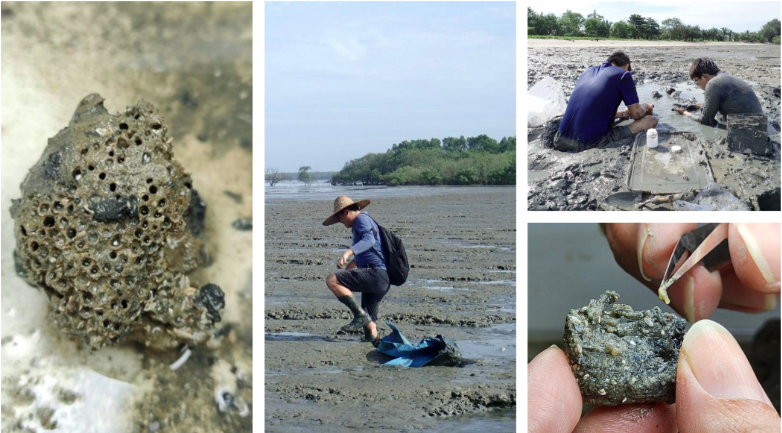
Universiti Kebangsaan Malaysia (UKM) contributes scientific expertise to support planning that minimises physical and biological alterations to coastal aquatic ecosystems. This contribution is demonstrated through the involvement of UKM’s Asamuddin Abu Hasan alongside Dr Lee Soon Loong from Universiti Malaya in the Consultation Briefing on Jeram Polychaete Reefs, held on 15 November 2025 with the Department of Fisheries Malaysia. The presentation explains the natural formation and seasonal development of Sabellaria jeramae reefs, their relationship with sediment and tidal processes, and their ecological importance in supporting fish and benthic communities. This knowledge provides a scientific basis for conservation planning that considers natural reef cycles and avoids disruption to reef structures, habitats and associated biodiversity.
4. Integrating River Ecosystem Sustainability programme
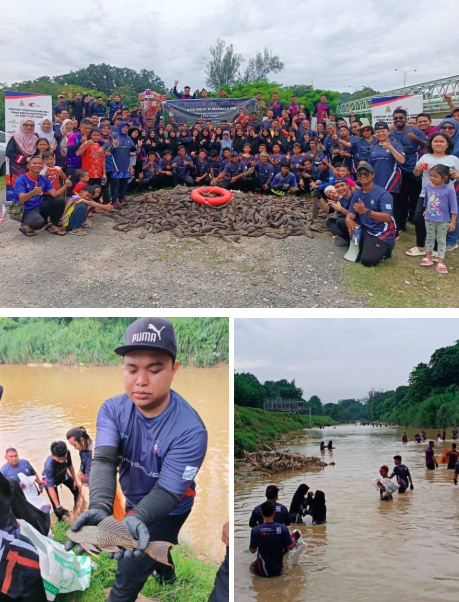
On 3 September 2025, Universiti Kebangsaan Malaysia (UKM), through postgraduate students from the UKM Graduate School of Business (UKM-GSB), implemented the “Integrating River Ecosystem Sustainability” programme at Denai Sungai Kebangsaan, Bangi, to protect aquatic ecosystems and preserve biodiversity. Organised in collaboration with the Invasive Fish Hunters Squad (SPIA), the programme engaged students, teachers and community volunteers in river clean-up activities, invasive fish species removal and environmental education along Sungai Langat. These initiatives aimed to minimise physical and biological alterations by reducing accumulated waste, controlling invasive species and protecting native aquatic biodiversity. The programme also promoted environmental awareness and river stewardship among school students and youth, encouraging long-term community participation in freshwater conservation. Through these practical measures, UKM demonstrates its commitment to reducing ecological disturbances, restoring aquatic ecosystem health and supporting sustainable water resource management.
Source:https://sinarbestari.sinarharian.com.my/my-ipt/ukm-gsb-pulihara-ekosistem-sungai
Through the UKM Sustainability Strategic Plan 2030, Universiti Kebangsaan Malaysia (UKM) demonstrates its strong commitment to minimizing the alteration of aquatic ecosystems by integrating research, education, and community engagement into sustainable water management practices. Guided by Objective 9: Preserving the Marine Ecosystem, UKM implements initiatives such as the Polychaete Reefs: Ecological Engineers in Jeram, the River Ecosystem Conservation Program by UKM-GSB to protect freshwater and marine habitats from degradation, and Water Quality and Nutrient Levels in the Mertang Islands, Seri Buat Islands and Acheh Island. These programs, supported by collaborative partnerships with government agencies and community organizations, emphasize data-driven conservation, environmental awareness, and responsible stewardship of aquatic biodiversity. Collectively, they reflect UKM’s leadership in sustainable ecosystem protection and its enduring commitment to achieving SDG 14: Life Below Water, ensuring the long-term resilience of Malaysia’s aquatic environments for future generations.