

Take urgent action to combat climate change and its impacts
SDG 13 Indicator
13.3 – Environmental education measures
13.3.2 – Climate Action Plan
Universiti Kebangsaan Malaysia (UKM) advances institutional climate action through the UKM Sustainability Strategic Plan 2030, Sustainability Policy 2030 and Net Zero Emission Target 2040. Together, these frameworks provide a coordinated direction for energy efficiency, renewable energy adoption, sustainable mobility, emissions monitoring, resource management, green infrastructure and climate education. By connecting campus operations with research, teaching and stakeholder engagement, UKM supports emissions reduction and strengthens climate resilience.
UKM complements these institutional efforts through platforms that facilitate dialogue and knowledge exchange with government, industry and communities. These include the 6th Sustainability Challenge 2025, the 6th International Conference on Science and Technology Applications in Climate Change (STACLIM 2024), the 1st International Symposium on Solar Hydrogen (SSH2024) and the 2nd International Conference on Sustainable Renewable and Energy Efficiency (ICSREE 2024). These platforms create opportunities to explore climate adaptation, mitigation and clean-energy solutions, strengthening the connection between scientific expertise and practical action. Through this integrated approach, UKM links institutional commitments with operational action and wider collaboration to support a low-carbon, climate-resilient future.
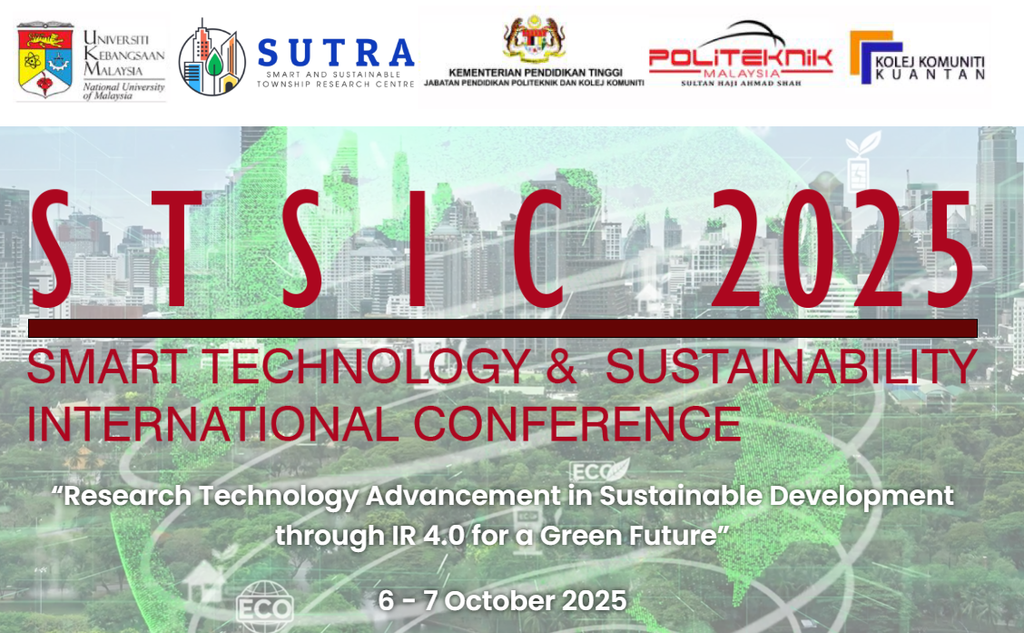
1. Smart Technology and Sustainability International Conference (STSTIC 2025)
Universiti Kebangsaan Malaysia (UKM) demonstrates its commitment to climate action through institutional collaboration and knowledge-sharing initiatives with government, industry, academic institutions and the wider community. On 6–7 October 2024, UKM co-hosted the Smart Technology and Sustainability International Conference (STSTIC), which brought together representatives from academia, industry and government to exchange knowledge and strengthen collaboration on sustainable energy, renewable energy, energy efficiency and smart technology. The programme involved national and international strategic partners and was supported by the Malaysia Board of Technologists (MBOT), reflecting collaboration with professional and governmental stakeholders. Through research presentations, case studies and knowledge-sharing activities, the conference supported the dissemination of sustainability and climate-related solutions beyond the university and strengthened partnerships for advancing sustainable and low-carbon development.
Source: https://emc.ukm.my/stsic-2025/
2. 6th Sustainability Challenge 2025
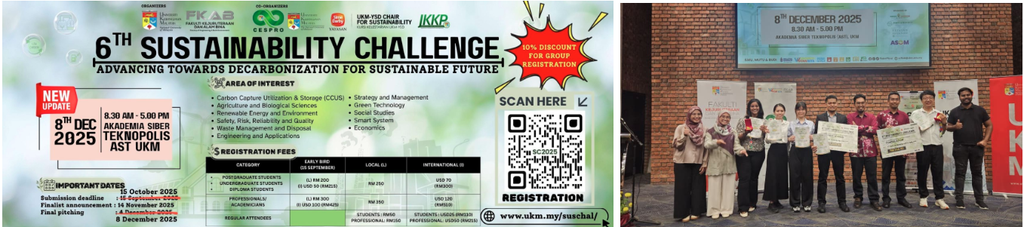
Universiti Kebangsaan Malaysia (UKM) promotes and communicates its institutional commitment to climate action and decarbonisation through public engagement, knowledge exchange and collaboration with external stakeholders. On 8 December 2025, UKM organised the 6th Sustainability Challenge 2025, themed “Advancing towards Decarbonization for Sustainable Future,” which brought together 150 participants from 54 groups, including local and international universities, industries and external organisations. The programme provided a platform for discussions, knowledge sharing, innovation and stakeholder engagement on decarbonisation, sustainable technologies, renewable energy and pathways towards net-zero emissions. Through such engagements, UKM extends its sustainability and climate action agenda beyond the university community, strengthens collaboration with external stakeholders, and encourages collective action towards a low-carbon and sustainable future.
Source: https://www.ukm.my/suschal/
https://www.ukm.my/sms/6th-sustainability-challenge-2025/
https://www.facebook.com/share/p/1BnegcaTFa/
3. International Conference on Earth Sciences and Environment (ICEMEN2025)
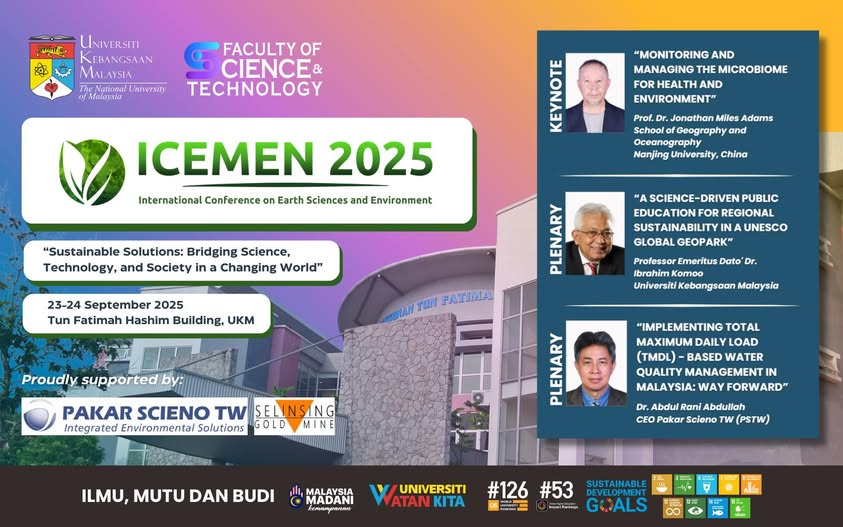
Universiti Kebangsaan Malaysia (UKM) engages government agencies, industry and the wider community in advancing sustainability and climate-related action through knowledge exchange and collaboration. On 23–24 September 2025, the Department of Earth Sciences and Environment (JSBAS), Faculty of Science and Technology, UKM, organised the International Conference on Earth Sciences and Environment (ICEMEN 2025), themed “Sustainable Solutions: Bridging Science, Technology, and Society in a Changing World.” The conference brought together researchers, government departments, institutes and industry representatives from Malaysia and abroad to share research, technologies and solutions related to environmental sustainability and sustainable development. With three keynote presentations, 48 oral presentations, 20 poster presentations and industry participation, the conference provided a platform for disseminating knowledge and strengthening partnerships beyond the university. The engagement supports UKM’s broader sustainability and climate action agenda by connecting academic expertise with government, industry and societal stakeholders to promote sustainable solutions and collective action.
Source: https://www.facebook.com/share/p/1Azd7Jxj5n/ , https://www.ukm.my/jsbas/icemen-2025/
4. UKM Sustainability Strategic Plan 2030 (Publish in 2022)
UKM Climate Action Plan is a critical component of its UKM Sustainability Strategic Plan 2030, aimed at reducing the university’s carbon footprint, enhancing resilience to climate impacts, and integrating climate-conscious practices throughout its operations, research, and community initiatives. The plan outlines several targeted actions to address climate change effectively:
- Low-Carbon Campus Initiative: UKM is committed to transitioning to a low-carbon campus by promoting renewable energy sources, improving energy efficiency, and encouraging sustainable transportation. The plan includes the installation of solar panels on campus buildings, replacing conventional lighting with energy-saving LEDs, and adopting energy-efficient HVAC systems. UKM also promotes low-carbon commuting by supporting electric and hybrid vehicle use, as well as enhancing pedestrian-friendly infrastructure.
- Carbon Tracking and Emissions Reduction: UKM tracks its greenhouse gas emissions across Scope 1 (direct emissions from campus activities), Scope 2 (indirect emissions from energy consumption), and Scope 3 (indirect emissions from other sources, such as commuting). By regularly monitoring emissions, UKM can measure its progress in reducing carbon output and make data-driven adjustments to enhance energy efficiency and minimize waste. The Climate Action Plan sets both short-term (2030) and long-term (2040) carbon reduction targets, aiming for net-zero emissions by 2040.
- Water and Waste Management: UKM emphasizes reducing water pollution and managing resources efficiently as part of its climate action strategy. The plan includes rainwater harvesting, expanding the use of treated water, and reducing pollutants in water systems. UKM waste management initiatives focus on recycling, composting organic materials, and sustainable disposal of hazardous waste, all of which help reduce the campus’s overall environmental impact.
- Climate Education and Awareness: UKM incorporates climate change education into its curricula and organizes outreach programs to increase climate awareness among students, staff, and the local community. Programs like the “Program Jejak Karbon” engage students in carbon footprint tracking and environmental literacy, fostering a culture of climate responsibility.
- Green Infrastructure and Biodiversity: To combat climate change effects, UKM is also focused on preserving green spaces and biodiversity on campus. The Climate Action Plan includes tree planting initiatives, creating sustainable parks for each faculty, and conserving existing green and water catchment areas. These efforts help absorb carbon, mitigate urban heat, and support diverse ecosystems, contributing to long-term environmental health.
- Research and Innovation for Climate Solutions: UKM promotes climate research and encourages innovations that address climate challenges. By collaborating with industry and government agencies, the university aims to develop sustainable technologies and best practices that contribute to climate resilience. UKM’s research projects are mapped against the SDGs, particularly focusing on clean energy, climate action, and sustainable ecosystems.
- Community Engagement and Climate Resilience: The Climate Action Plan extends to community involvement, with programs and partnerships designed to build climate resilience locally. UKM engages with nearby communities, providing education on climate adaptation practices and offering guidance on sustainable resource management, thus supporting climate resilience beyond the campus.
UKM Climate Action Plan is a comprehensive roadmap designed to mitigate climate change, reduce campus emissions, and promote sustainable practices. By implementing these initiatives, UKM aims not only to achieve its carbon neutrality goals but also to serve as a model of climate action and sustainability for other institutions and the wider community.
5. UKM Sustainability Strategic Plan 2030: SDG 13
- Increasing awareness related to environment and climate change:
UKM Sustainability Strategic Plan 2030 fosters climate and environmental awareness through educational integration, community outreach, and active student involvement. All undergraduates are required to take courses on sustainability, while programs like “Program Jejak Karbon” engage local communities in recycling and climate-conscious practices with student facilitators. Regular workshops, forums, and campus campaigns further promote sustainable habits, from energy conservation to waste reduction. Through these initiatives, UKM aims to create a knowledgeable, proactive community dedicated to environmental stewardship and climate action (page 21).
- Offering courses /programs on sustainability, environment and climate change:
UKM is dedicated to integrating sustainability, environmental, and climate change education across its curriculum. The university offers specialized courses and programs focused on these themes, ensuring that students from all fields gain critical knowledge about sustainable practices and climate action. These courses are designed to equip students with the skills and awareness needed to address environmental challenges in their future careers and personal lives. By making sustainability education accessible and relevant, UKM cultivates a generation of graduates who are informed, environmentally responsible, and prepared to contribute to a sustainable future (page 21).
- Reducing greenhouse gas emissions from UKM community’s motorized vehicles:
UKM prioritizes reducing greenhouse gas emissions from motorized vehicles within the campus community. Key initiatives include promoting low-carbon transportation options such as electric and hybrid vehicles, enhancing pedestrian and cycling infrastructure, and organizing awareness campaigns on emission reduction. UKM also tracks vehicle emissions data to set and monitor reduction targets. These efforts support the university’s goal of creating a low-carbon campus, minimizing its environmental impact, and promoting sustainable mobility for students, staff, and visitors (page 42).
- Setting the carbon reduction target by 2030 (short term):
UKM has set a short-term carbon reduction target to be achieved by 2030. This target includes specific initiatives such as installing solar panels, increasing energy efficiency across campus facilities, expanding the use of compost and recycled materials, and preserving green spaces. By focusing on these measures, UKM aims to significantly lower its carbon footprint, contributing to its broader goal of a low-carbon, environmentally sustainable campus and positioning itself as a leader in climate action within higher education (page 42). - Setting the carbon reduction target by 2050 (long term):
UKM has established a long-term carbon reduction target to achieve net-zero emissions by 2040. This ambitious goal includes expanding renewable energy sources, enhancing green infrastructure, retaining over 50% of campus green and water catchment areas, and creating sustainable parks at each faculty. Through these efforts, UKM is committed to fostering a resilient, low-carbon campus environment that aligns with global climate targets, ensuring sustainability for future generations (page 42).
Source: UKM Sustainability Strategic Plan 2030
6. UKM Sustainability Policy 2030
The UKM Sustainability Policy 2030 outlines the university’s climate action commitments as part of its broader sustainability goals. UKM aims to achieve a Zero Carbon Campus by 2040 by implementing a multi-faceted approach focused on reducing greenhouse gas emissions, transitioning to renewable energy, and enhancing climate resilience through adaptation strategies and climate research.
Key elements include:
- Renewable Energy Transition: UKM is dedicated to reaching 100% renewable energy use by 2040. This commitment involves adopting renewable energy sources across campus and implementing energy efficiency measures, supported by ongoing research into sustainable energy technologies.
- Energy Efficiency and Emission Reduction: The policy emphasizes reducing emissions through upgraded energy management systems, such as efficient HVAC systems and LED lighting, and encouraging the use of low-carbon transportation. UKM monitors emissions to set measurable, short- and long-term reduction targets.
- Climate Adaptation and Resilience: UKM prioritizes climate resilience by developing strategies that address the impacts of climate change on its campus and community. This includes creating sustainable infrastructure, conserving water resources, and preserving green spaces that support biodiversity.
- Climate Education and Research: Integrating climate science into academic programs, UKM promotes climate literacy among students and staff. UKM also advances climate-focused research, positioning itself as a leader in developing innovative solutions to climate challenges.
Through these initiatives, the UKM climate action plan under the UKM Sustainability Policy 2030 is designed to build a resilient, sustainable campus that aligns with global efforts to mitigate and adapt to climate change.
Source: UKM Sustainability Policy 2030
7. UKM Net Zero Commitment Towards Carbon Neutral 2040
UKM Climate Action Plan under the Sustainability Policy 2030 is a comprehensive framework targeting net-zero emissions by 2050. It encompasses a variety of strategies focused on carbon reduction, renewable energy, energy efficiency, and community engagement to build a sustainable and resilient campus. The plan incorporates the **Greenhouse Gas (GHG) Standard Protocol** to rigorously monitor emissions across Scope 1 (direct emissions from university operations), Scope 2 (indirect emissions from purchased energy), and Scope 3 (other indirect emissions like commuting). By measuring these emissions regularly, UKM can effectively set reduction goals and track its progress toward net-zero.
Key Elements of the Climate Action Plan:
- Renewable Energy Adoption: UKM is transitioning its energy infrastructure towards renewables, including extensive solar panel installations and the use of biodiesel. By implementing solar power on rooftops and in other strategic areas, UKM is decreasing reliance on conventional energy sources, thus lowering its carbon footprint. This shift is part of the university’s commitment to fully adopt renewable energy sources by 2040.
- Energy Efficiency Measures: The university is upgrading facilities with energy-efficient technology, such as LED lighting, smart HVAC systems, and building automation systems that optimize power usage. These enhancements reduce overall energy demand, which is essential for minimizing greenhouse gas emissions. By focusing on energy efficiency, UKM not only cuts costs but also decreases emissions significantly, supporting its climate goals.
- Sustainable Commuting and Low-Carbon Infrastructure: UKM promotes sustainable transportation by encouraging electric and hybrid vehicles and expanding pedestrian-friendly and cycling infrastructure. These initiatives reduce the emissions associated with daily commuting, which are significant contributors to Scope 3 emissions. Additionally, UKM is investing in low-carbon campus infrastructure, including sustainable building designs that utilize eco-friendly materials and maximize energy savings.
- Climate Resilience and Green Spaces: The Climate Action Plan emphasizes the importance of green spaces, biodiversity conservation, and water management. UKM preserves a substantial portion of campus green areas and water catchment zones to enhance resilience against climate impacts, such as urban heat and flooding. These green spaces act as carbon sinks, naturally absorbing CO₂ and helping maintain ecological balance.
- Climate Education and Community Engagement: UKM integrates climate literacy and sustainability education into its curriculum, ensuring that students from various disciplines understand and can address climate challenges. Additionally, UKM engages the broader community through awareness campaigns and programs focused on sustainable practices, such as recycling, waste reduction, and resource conservation. These efforts aim to cultivate a climate-conscious community both on and off campus.
- Short- and Long-term Targets: UKM’s plan sets interim carbon reduction targets for 2030, with measurable milestones leading up to the ultimate goal of carbon neutrality by 2040. This phased approach allows UKM to implement and refine its strategies, adapt to new technologies, and continuously improve its sustainability practices.
Through this multi-faceted approach, UKM Climate Action Plan exemplifies a strong commitment to tackling climate change. By setting a net-zero target and incorporating innovative practices across operations, education, and community engagement, UKM aims to lead by example in higher education, contributing to a sustainable future for the university and its surrounding community.
Source: https://www.ukm.my/kelestarian/sustainability-policies/ukms-net-zero-emission-target-2040/
UKM’s climate-action framework provides an integrated roadmap towards net-zero emissions by 2040, embedding climate priorities across campus operations, research and education. Through energy efficiency, renewable energy adoption, emissions monitoring and climate education, UKM connects its institutional commitments with practical measures supporting SDG 13: Climate Action. Engagement with government bodies, NGOs and local communities provides opportunities to extend these efforts beyond campus through knowledge sharing, innovation and collaboration. Documented sharing of the framework, stakeholder feedback and follow-up activities would demonstrate how UKM aligns its climate priorities with local needs, strengthens accountability and supports coordinated action towards a low-carbon, climate-resilient future.