


End hunger, achieve food security and improved nutrition and promote sustainable agriculture
SDG 2 Indicator
2.3 – Student hunger
2.3.5 – Staff hunger interventions
Universiti Kebangsaan Malaysia (UKM) is strongly dedicated to tackling food insecurity and ensuring that no staff member on campus faces hunger. In line with Sustainable Development Goal (SDG) 2: Zero Hunger, UKM has introduced a range of extensive interventions designed to address hunger and provide access to nutritious food for all members of the university community. These initiatives combine conventional methods with innovative strategies to foster a supportive and inclusive atmosphere where food security is a top priority. One of the initiatives is to provide a food pantry in the office.
Summary of the staff hunger interventions
| No | Staff hunger interventions |
|---|---|
| 1 | Food Pantries |
| 2 | Sustainable Garden |
| 3 | Food Supply during Meetings |
| 4 | Accessible Water and Food Dispensers |
| 5 | Cafe at Pusanika |
1. Food Pantries
The food pantry provided for staff at UKM is an important initiative in addressing hunger issues among the campus community. This pantry not only offers basic food supplies but is also equipped with cooking facilities, enabling staff to prepare their own meals, especially for those who may be facing financial difficulties or lack easy access to nutritious food.
This initiative serves as a direct intervention against hunger, where staff experiencing food insecurity can access basic supplies such as rice, bread, vegetables and dry goods. Cooking equipment such as small stoves and microwaves are also available, allowing them to cook or heat their meals conveniently. With these facilities, staff no longer have to worry about food preparation, enabling them to focus better on their work without the distraction of hunger, which could affect their productivity and well-being.
The pantry also strengthens the sense of community in the workplace, demonstrating that staff welfare is prioritized, in line with Sustainable Development Goal (SDG) 2: Zero Hunger. This program is a proactive step by UKM to ensure that no member of the campus community is left without access to sufficient and nutritious food, creating a more inclusive and caring work environment that addresses the basic needs of its employees.
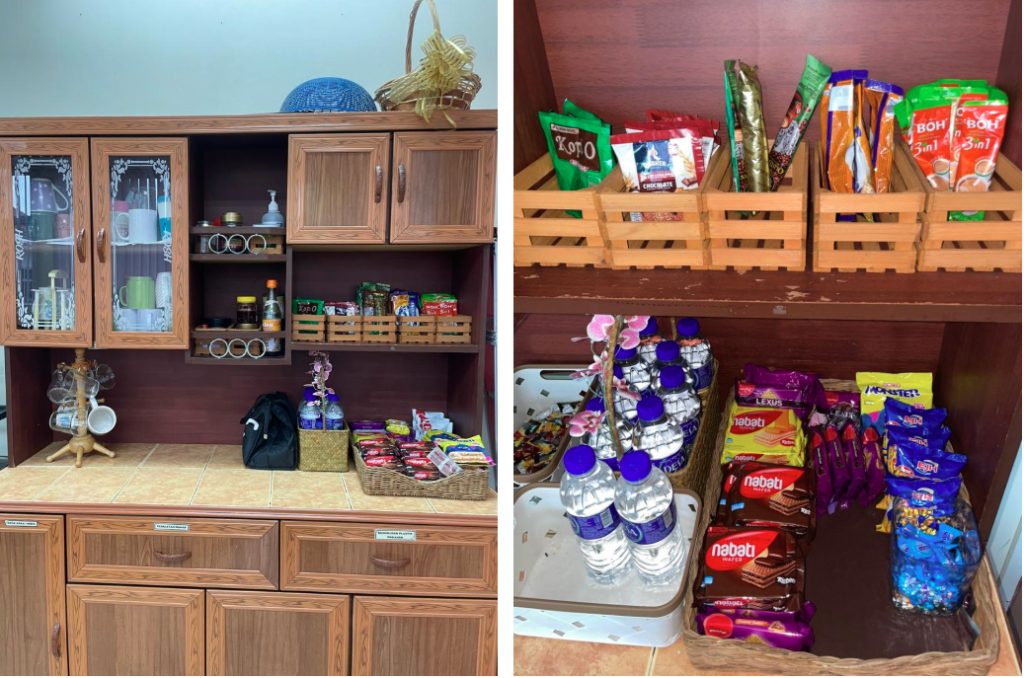
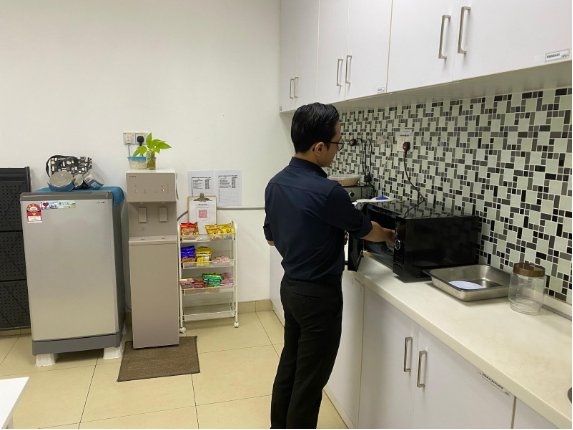
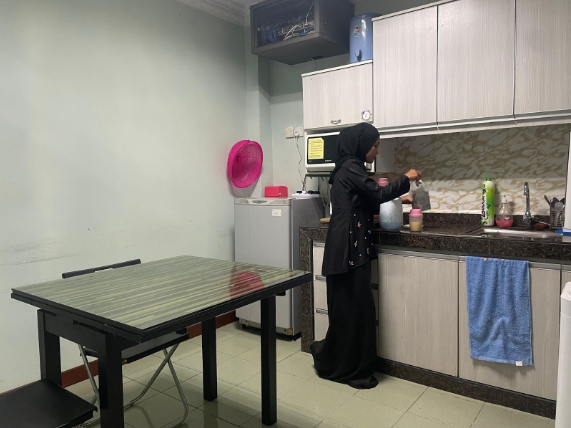
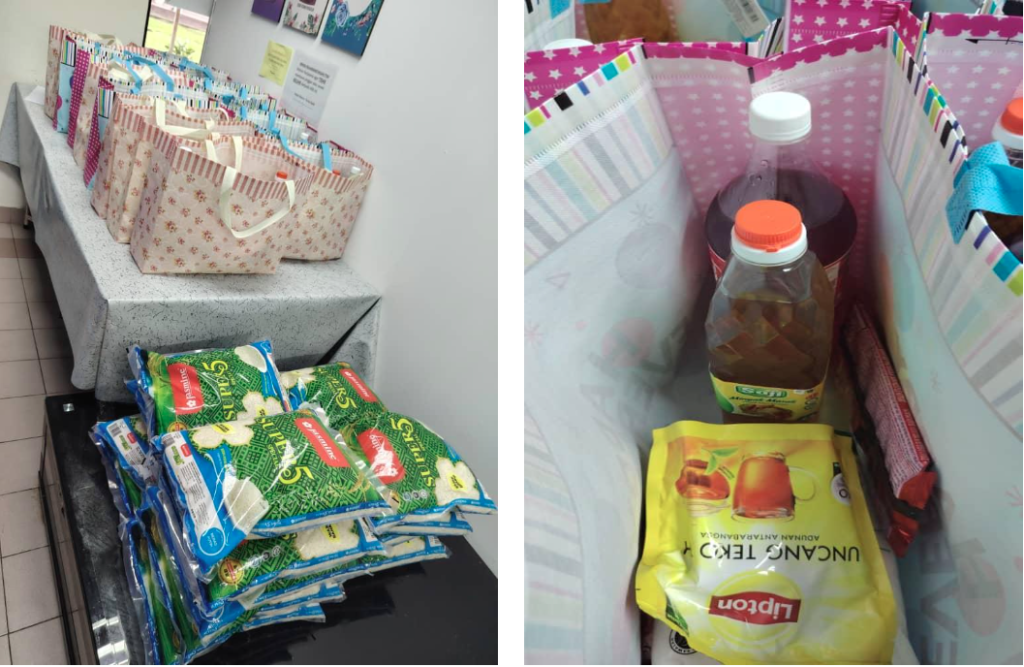
Besides that, there are departments that have taken the initiative to contribute essential goods to staff members in need, especially during festive seasons. This effort helps to ease the financial burden of those employees.
2. Sustainable Garden
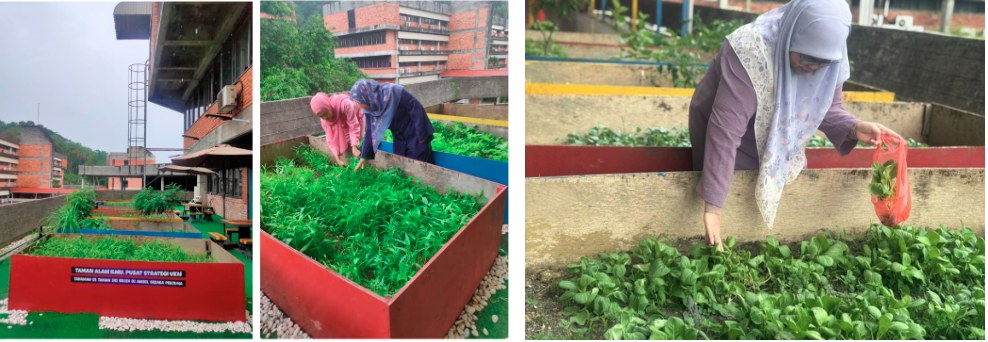
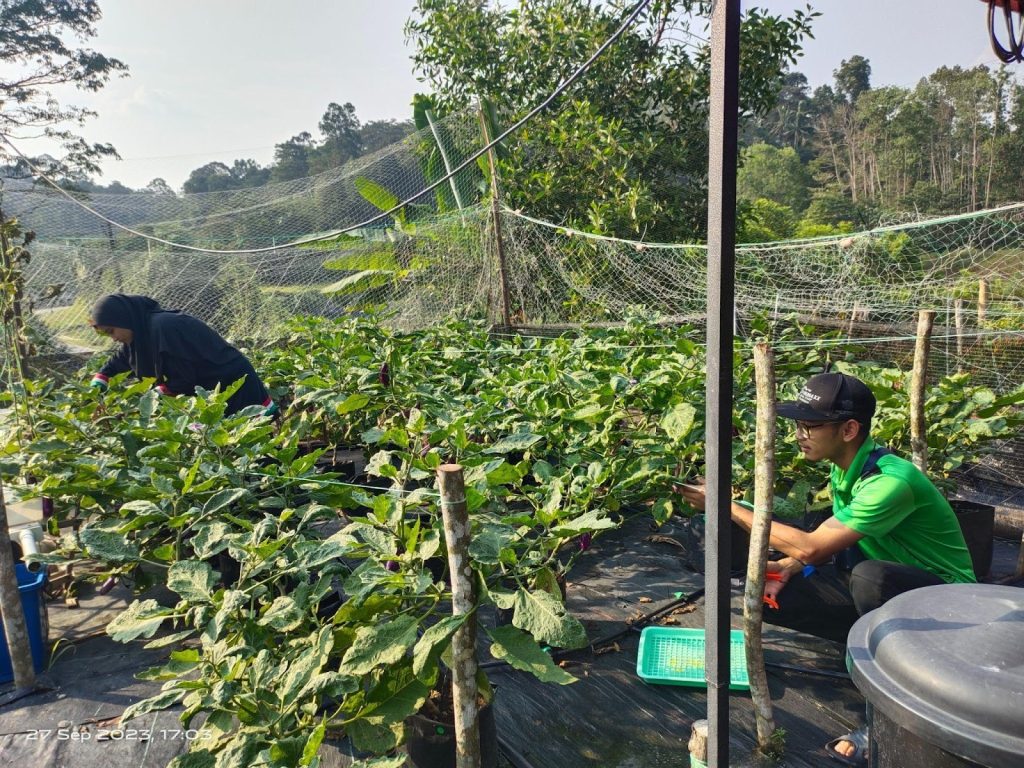
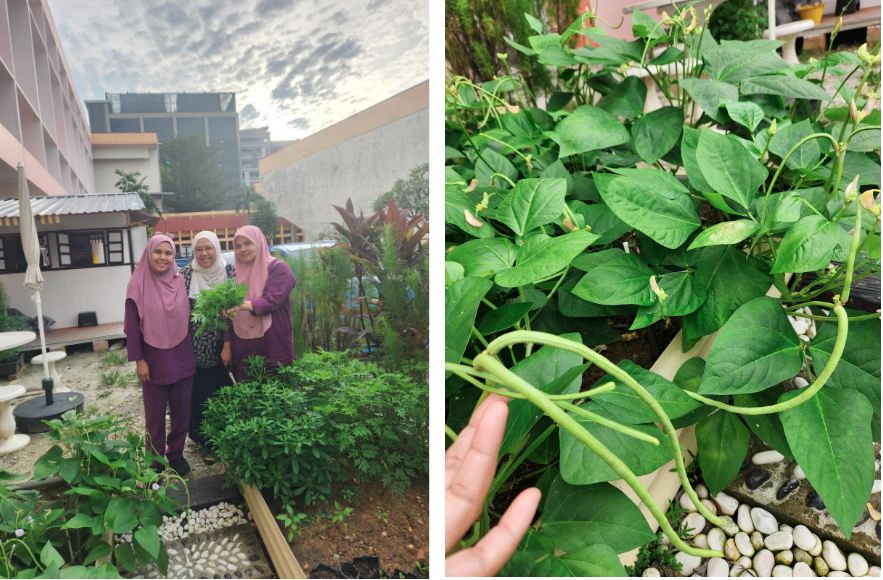
UKM’s sustainable garden is an initiative aimed at promoting environmental sustainability, food security and community engagement within the campus. The garden, such as The Botanical Garden of UKM, UKM-YSD Sustainable Garden, Taman Ilmu@Chancellery and Urban Urban Farming, plays a key role in encouraging sustainable food practices, such as organic farming. One key aspect of this initiative is its accessibility because the product is free of charge for staff. They can pick it up anytime they want.


3. Food Supply during Meetings
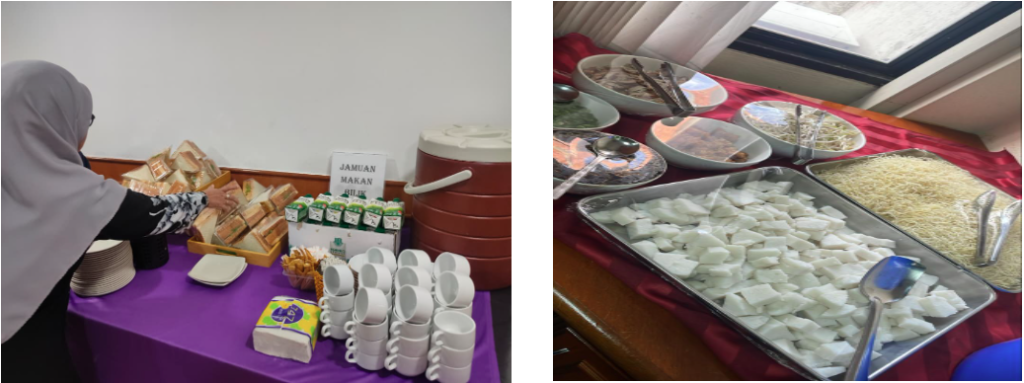
The provision of food during meetings at UKM is an important intervention in addressing hunger among staff. In addition to being a part of hospitality etiquette, it also serves as a proactive effort to ensure staff welfare is maintained, especially for those who may not have had time to eat due to their busy work schedules. The food provided during meetings typically includes nutritious meals such as rice, side dishes, fruits and drinks, which not only satisfy hunger but also provide energy for staff to remain focused and productive throughout the meeting. In this context, food acts as a form of support that indirectly prevents situations where staff have to work while hungry, which could impact their performance and well-being.
This intervention also reflects UKM’s commitment to SDG 2: Zero Hunger, where access to adequate and nutritious food is considered important, not only at home but also in the workplace. By providing food during meetings, UKM helps ensure that staff receive the nutrition they need, contributing to a more productive and inclusive work environment. This initiative also strengthens the sense of camaraderie among staff, as it shows that basic needs like food are being addressed, making the working experience at UKM more welcoming and attentive to the welfare of its employees.
4. Accessible Water and Food Dispensers
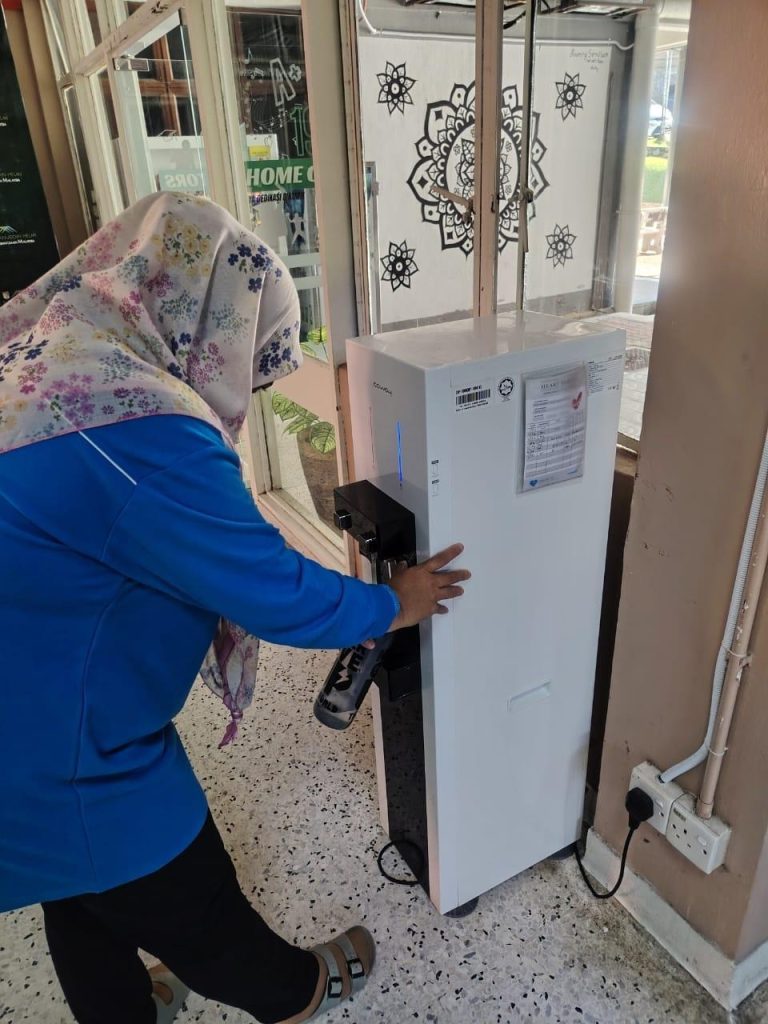
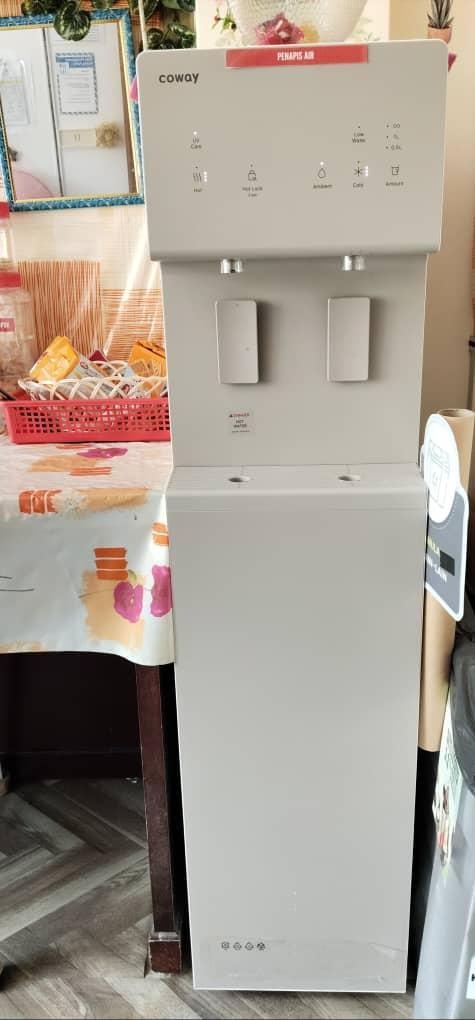
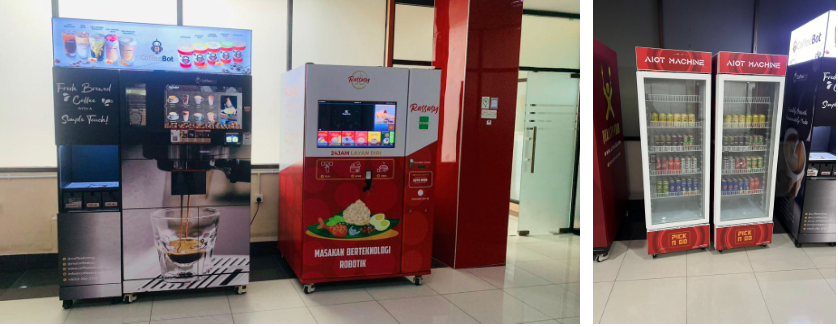
In 2024, UKM has installed 210 units of water dispensers and 50 units vending machines across the campus to ensure that all staff have constant access to basic necessities. With the vending machines, some of which offer free hot and ready-to-eat meals and strategically placed water dispensers in each college and faculty building, these resources are available everyday. The convenience of these dispensers and vending machines ensures that no one on campus goes without essential food and hydration, especially during critical times when traditional food outlets may be closed.
5. Cafe at Pusanika Building
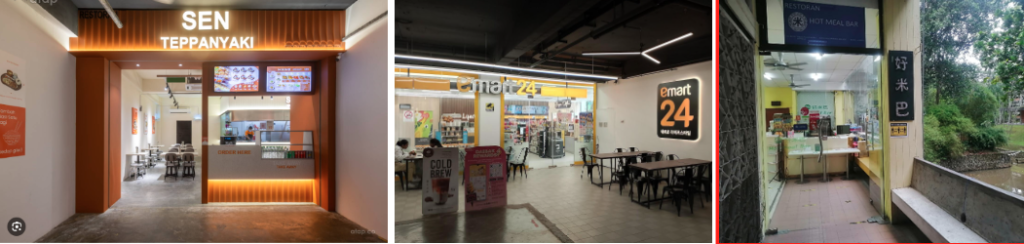
UKM provides several affordable and nutritious dining options on campus to support food access for its staff community. Sen Teppanyaki offers a variety of wholesome meals prepared using sustainable practices, ensuring both healthy choices and environmentally friendly operations. eMart 24 further enhances food availability by offering reasonably priced and healthy food items around the clock, supporting staff members who work late or have irregular schedules. Additionally, the Hot Meal Bar at Pusanika serves a range of Chinese Muslim dishes, including its signature mee tarik, at budget-friendly prices and offers a special discount for UKM staff. These facilities ensure that UKM staff have convenient access to nutritious and affordable meals as part of the university’s ongoing initiatives to address hunger and support staff wellbeing.
UKM’s staff hunger interventions have delivered a meaningful and positive impact by ensuring that every employee has reliable access to nutritious food, fostering a supportive and equitable workplace environment. Through initiatives such as office food pantries with cooking facilities, free access to produce from sustainable campus gardens, meals provided during meetings and widespread availability of water dispensers and vending machines including those offering ready-to-eat options, UKM actively reduces the risk of food insecurity among its workforce. Complemented by affordable dining options at Pusanika, the university not only addresses immediate nutritional needs but also enhances staff productivity, well-being and morale. These comprehensive efforts demonstrate UKM’s strong commitment to employee welfare and SDG 2: Zero Hunger, ensuring that staff can thrive academically, professionally and personally without the burden of food-related stress.