

Make cities and human settlements inclusive, safe, resilient and sustainable
SDG 11 Indicator
11.2 – Support of arts and heritage
11.2.4 – Public Access to Green Spaces
Universiti Kebangsaan Malaysia (UKM) provides free public access to a variety of open and green spaces across its campus, enabling members of the University and the wider community to enjoy natural, landscaped and recreational environments. These spaces form an important component of UKM’s sustainable campus environment and provide opportunities for recreation, physical activity, environmental appreciation, cultural engagement and community interaction.
UKM’s publicly accessible green spaces encompass natural and biodiversity-rich areas, landscaped cultural and community spaces, and recreational open spaces. The University’s official sustainability reporting specifically identifies the FKAB Lake, Botanical Gardens, walking and jogging paths at UKM Stadium, and Bangi Permanent Forest Reserve among the green spaces provided with free access, demonstrating UKM’s institutional commitment to making its campus environment accessible to the wider community.
Table shows green spaces in UKM
| No. | Categories | Green Spaces in UKM |
| 1. | Parks, Gardens and Natural Green Spaces | i. UKM Botanical Gardens ii. Bangi Permanent Forest Reserve iii. FKAB Lake Gardens |
| 2. | Landscaped Cultural and Community Spaces | i. Taman Pantun, ATMA |
| 3. | Recreational Open Spaces and Community Use | i. UKM Stadium – Brisk walk and Jogging Track ii. Outdoor Sports Grounds and Courts |
1. Parks, Gardens and Natural Green Spaces
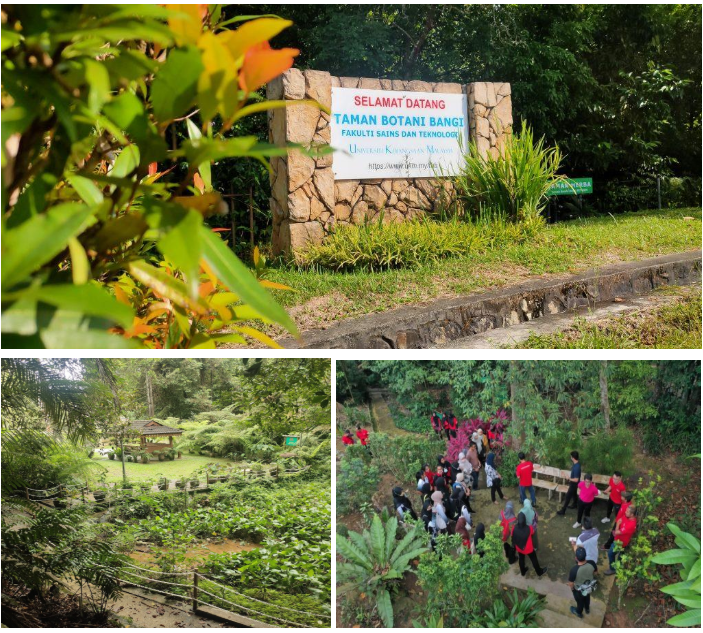
i. UKM Botanical Gardens
Taman Botani Bangi UKM is a botanical garden and biodiversity center managed by the Faculty of Science and Technology at Universiti Kebangsaan Malaysia (UKM) in Bangi, Selangor. Established in 2020 and officially launched in 2022, it serves as a hub for conservation, education, research, and eco-tourism centered on Malaysia’s rich plant and wildlife diversity.
ii. Bangi Permanent Forest Reserve
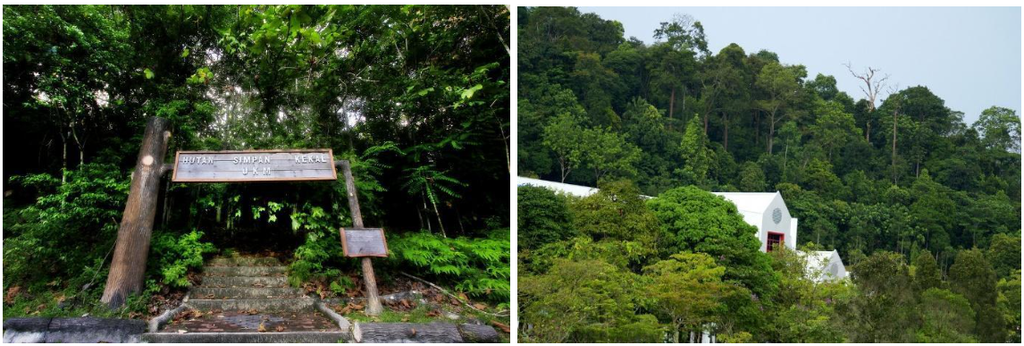
Bangi Permanent Forest Reserve was gazetted in 1906 and handed over to UKM in 1970 for campus construction. This dipterocarp-type tropical forest was renamed the Universiti Kebangsaan Malaysia Permanent Forest Reserve with an area of 138 hectares. The highest peak is Bukit Rupa, 105 meters above sea level. There are approximately more than 600 species of flora and 800 species of fauna that can be found in the Bangi Forest Reserve. This species is a botanical study for B.Sc., M.Sc. and Ph.D. level graduates.
iii. FKAB Lake Gardens
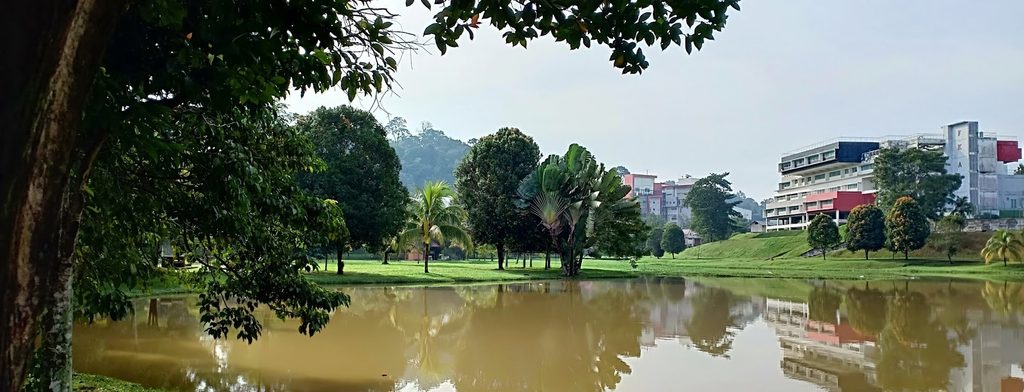
The FKAB Lake Gardens at the Faculty of Engineering and Built Environment (FKAB) provide a tranquil green oasis that fosters a strong connection with nature while supporting UKM’s commitment to sustainable development and well-being. Open to students, staff and the local community, this serene space promotes a balanced, healthy lifestyle with activities such as canoeing, jogging and outdoor exercises. Beyond a place for recreation, the Lake Gardens reflect UKM’s dedication to creating eco-friendly, inclusive environments that enhance mental and physical health. By encouraging active engagement with natural spaces, FKAB Lake Gardens play a vital role in cultivating a holistic campus experience and advancing UKM’s mission to integrate sustainability into everyday life.
2. Landscaped Cultural and Community Spaces
i. Taman Pantun UKM
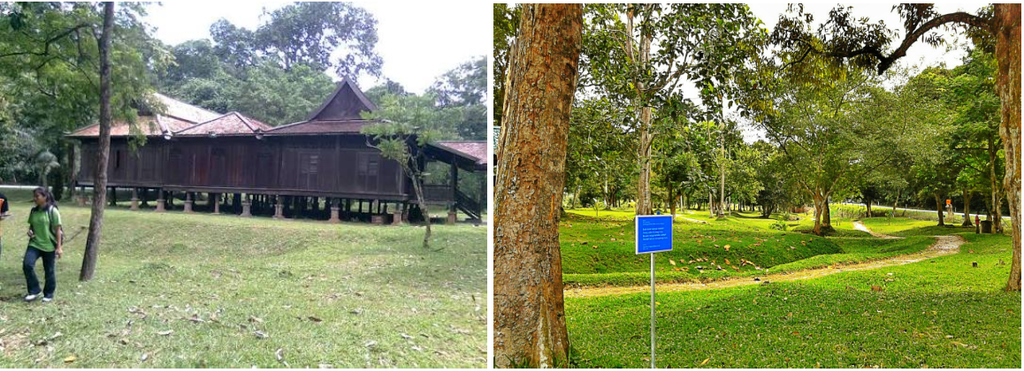
Taman Pantun at the Institute of the Malay World and Civilization (ATMA) represents UKM’s integration of green space with cultural heritage and community engagement. Surrounding the historic Istana Puteri Bongsu, the landscaped cultural environment provides visitors with opportunities to experience traditional Malay architecture, landscape plants and cultural heritage within an outdoor setting. The heritage site is open to public access, while its outdoor cultural spaces are utilised for activities involving the University and wider community.
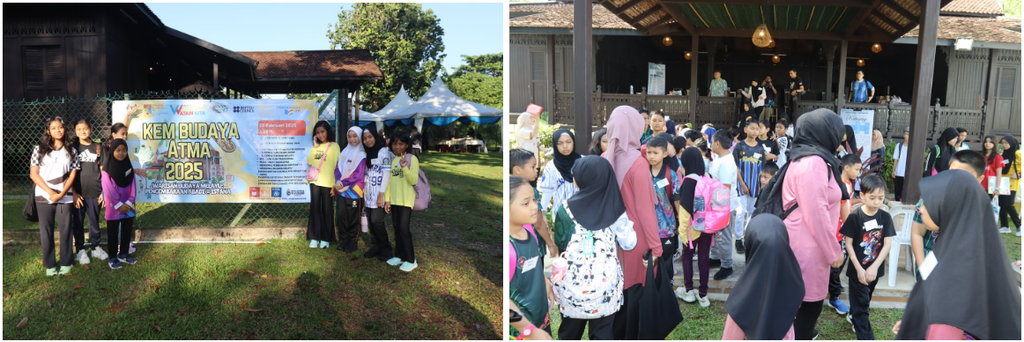
Kem Budaya ATMA 2025, held on 22 February 2025, demonstrates UKM’s free public access to the green and cultural landscape surrounding Istana Puteri Bongsu and Taman Pantun, enabling external participants to engage in cultural, educational and outdoor activities.
3. Recreational Open Spaces and Community Use
i. UKM Stadium – Brisk walk and Jogging Track
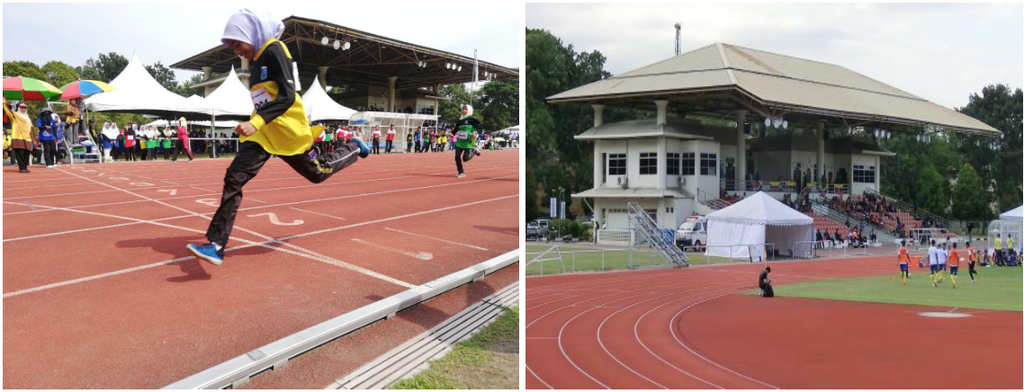
Universiti Kebangsaan Malaysia (UKM) provides free public access to the brisk walk and jogging track at UKM Stadium, offering an accessible outdoor recreational space for both the university community and members of the public. The track and its surrounding open environment provide opportunities for walking, jogging, exercise and other physical activities, encouraging active and healthy lifestyles within a safe campus setting.
By making this outdoor recreational space available without an access fee, subject to scheduled university events or official activities, UKM enables the wider community to benefit from its campus open spaces. This initiative demonstrates UKM’s commitment to promoting inclusive access, community well-being and the shared use of sustainable open spaces.
ii. Outdoor Sports Grounds and Courts
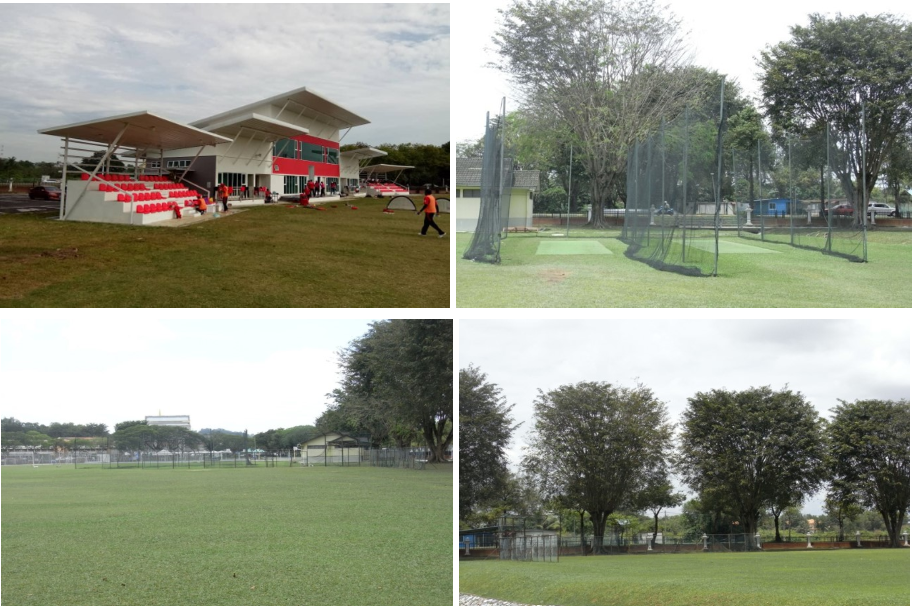
UKM’s Sports Centre maintains a substantial network of outdoor facilities including the UKM-YSD Cricket Oval, cricket training ground, softball field, grass netball court, basketball court, outdoor sepak takraw, outdoor futsal, tennis courts, volleyball courts, pétanque, beach volleyball and woodball facilities.
Collectively, the evidence demonstrates UKM’s commitment to providing free public access to open and green spaces, extending the benefits of its campus environment to the wider community. Through botanical gardens, forest areas, lake gardens, cultural landscapes and walking and jogging routes, UKM creates opportunities for physical activity, recreation, environmental learning and community interaction. By sharing these spaces without an access fee, subject to applicable access arrangements and scheduled activities, UKM helps remove financial barriers to enjoying nature while supporting well-being, biodiversity appreciation and cultural engagement, advancing inclusive and sustainable communities under SDG 11.