


Make cities and human settlements inclusive, safe, resilient and sustainable
SDG 11 Indicator
11.4 – Sustainable practices
11.4.7 – Local authority collaboration regarding planning and development
Universiti Kebangsaan Malaysia (UKM) engages with local authorities on campus planning and development to align university infrastructure with local development requirements and community needs. Through planning permission and building approval processes involving the state government and Kajang Municipal Council (MPKj), UKM coordinates proposed developments with the relevant local authority framework. The evidence also describes engagement on sustainable land use, environmental considerations and community housing needs, alongside university-managed affordable accommodation for eligible employees. These activities provide a foundation for connecting campus development with the wider objectives of responsible planning and housing accessibility.
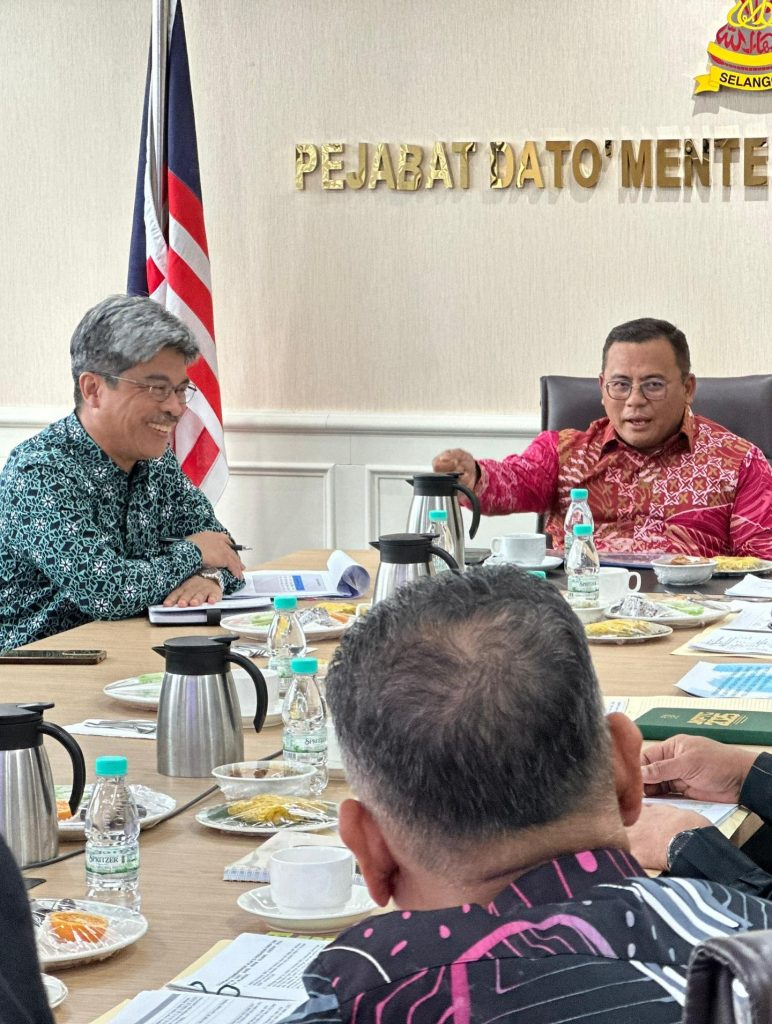
UKM works directly with state and local authorities to address land matters relevant to university planning and development. On 4 September 2025, UKM’s senior management led by UKM Vice Chancellor participated in a meeting chaired by the Menteri Besar of Selangor (state Chief Minister) to discuss and resolve issues concerning university-owned land. The meeting involved the Kajang Municipal Council’s (MPKj) Development and Engineering Departments, the Selangor Land and Mines Office and the Hulu Langat District and Land Office. This engagement demonstrates institutional cooperation between UKM and the authorities responsible for local development and land administration, providing a coordinated platform for addressing land-related constraints and supporting informed development planning.
Compliance with Local Authority Guidelines:
- Adherence to Planning Regulations: UKM ensures that all campus development projects comply with the planning regulations and guidelines established by local authorities. This includes obtaining necessary approvals and permits for construction and development activities, thereby aligning with the strategic plans of the local government.
- Environmental Sustainability: In partnership with local authorities, UKM integrates environmental sustainability into its development projects. This includes implementing green building practices, preserving natural habitats, and promoting sustainable land use, in line with local environmental policies.
In Malaysia, based on Section 70(1) of the Street, Drainage, and Building Act 1974 (Act 133), it is stated that no party may construct a building without prior written approval from the Local Authority (PBT). Any building construction or modifications/extensions without prior approval from the PBT or construction that does not comply with the approved plan are in violation of Section 70 (Act 133). Therefore, any new building construction at UKM must obtain approval from the Kajang Municipal Council.
UKM’s process involves obtaining Planning Permission, which is written consent from the Local Planning Authority (PBT) required after land use change approval and before the building plan process.
The content of Planning Permission according to Act 172 is as follows:
- Subsection 2(1) of the Town and Country Planning Act 1976 (Act 172) defines planning permission as permission granted, with or without conditions, to carry out development.
- Subsection 19(1) stipulates that no person, other than the local authority (PBT), may commence, undertake, or carry out any development unless planning permission for the development has been granted under Section 22 or extended under Subsection 24(3).
- Generally, “planning permission” is a procedure where the applicant must submit an application to the PBPT for approval before commencing any development on land or buildings, as provided under Section 21A [Development Proposal Report (LCP)] and Section 21B [Layout Plan].
- All developments must obtain planning permission approval from the Local Planning Authority. If development is carried out without planning permission or in contravention of the granted planning permission, the owner may be convicted under Sections 27 and 28 of Act 172. The penalty, as per Subsection 26(1), may include a fine not exceeding five hundred thousand ringgit or imprisonment for a term not exceeding two years, or both.

Link: www.ukm.my/kelestarian/data/sdg11/133_STREET_DRAINAGE_AND_BUILDING_ACT_1974.pdf
Initiatives Supporting Affordable Housing:
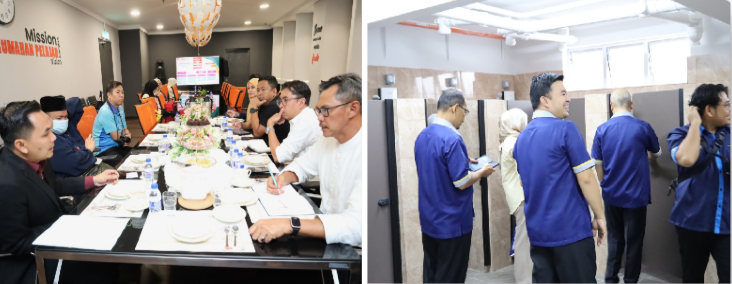
- Employee Housing Programs: UKM offers affordable housing options for its staff, such as the Bukit Puteri residential area and rental facilities near the campus. These initiatives not only provide cost-effective living solutions for employees but also contribute to the local housing market by setting standards for affordable housing.
- Community Engagement: UKM collaborates with local authorities to develop community programs that address housing needs. This includes research projects focused on sustainable urban development and affordable housing solutions, benefiting both the university community and local residents.
Collectively, UKM’s engagement with local planning authorities and its commitment to considering environmental and housing needs within university development. By linking campus planning, institutional housing provision and community engagement, UKM supports a more coordinated approach to development and contributes to SDG 11: Sustainable Cities and Communities. Its strongest contribution lies in connecting university resources and expertise with local priorities to support more inclusive and sustainable places to live and work.