

Make cities and human settlements inclusive, safe, resilient and sustainable
SDG 11 Indicator
11.4 – Sustainable practices
11.4.6 – Pedestrian priority on campus
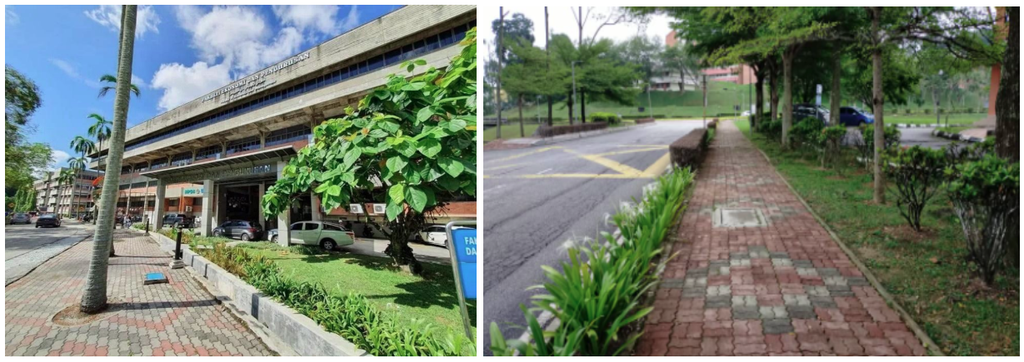
Universiti Kebangsaan Malaysia (UKM) prioritises pedestrian access through dedicated walking infrastructure, safer road crossings and accessibility features that support movement across campus. Covered walkways provide protection from sun and rain, while pedestrian paths separated from vehicle lanes by green verges help reduce pedestrian, vehicle conflicts. Strategically located zebra crossings, clear signage, pedestrian-only zones and traffic-calming measures reinforce walking safety around frequently used facilities. Tactile paving, wheelchair ramps, accessible bus stops and adapted pedestrian routes further support people with disabilities. Together, these provisions make walking a more practical, inclusive and convenient option for students, staff and visitors.


1. Zebra Crossing
UKM has strategically installed zebra crossings throughout campus to prioritize pedestrian safety and facilitate smooth movement between frequently accessed areas. These crossings are positioned in high-traffic zones, including entrances to main buildings, parking areas and popular pedestrian pathways. By clearly marking these crossings, UKM ensures that vehicles slow down and give right of way to pedestrians, minimizing the risk of accidents and promoting a safer, more pedestrian-friendly environment. Additionally, these crossings contribute to a cohesive campus infrastructure that aligns with UKM’s commitment to sustainable, accessible and safe transportation practices, encouraging more students and staff to opt for walking as a primary means of transit across campus.

2. Disabled-Friendly Features
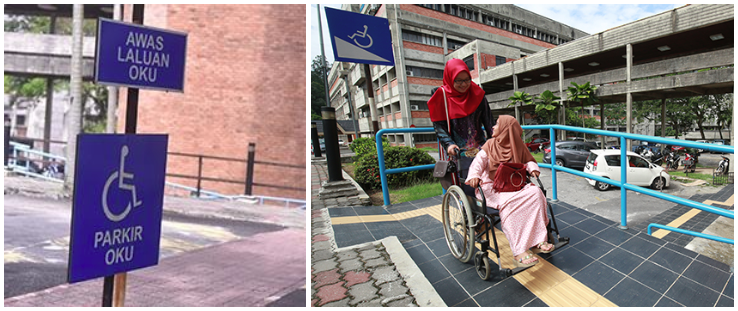
UKM is committed to creating an inclusive and accessible campus environment for all. To achieve this, the university has implemented various features, including accessible bus stops, tactile paving, pedestrian-friendly roads, ramps, and wheelchair access. These measures ensure that individuals with disabilities can navigate the campus safely and independently, promoting inclusivity and equal opportunity.
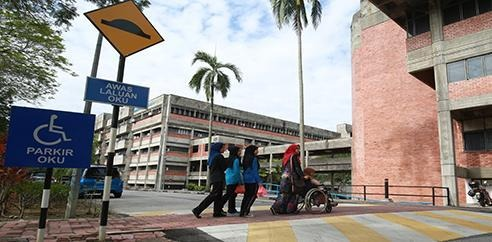
people with wheelchairs
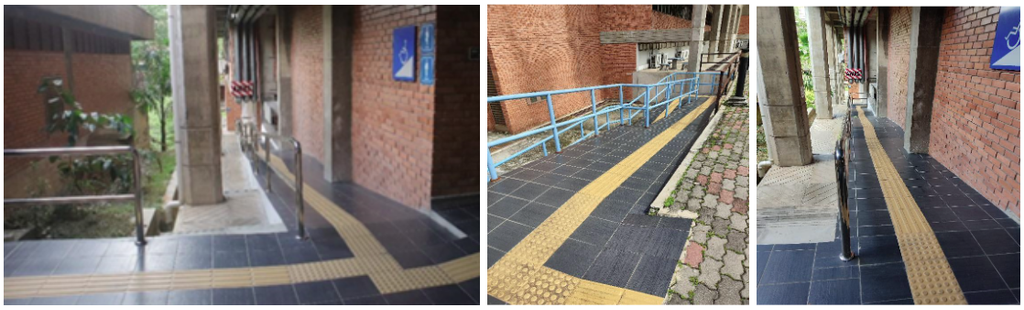
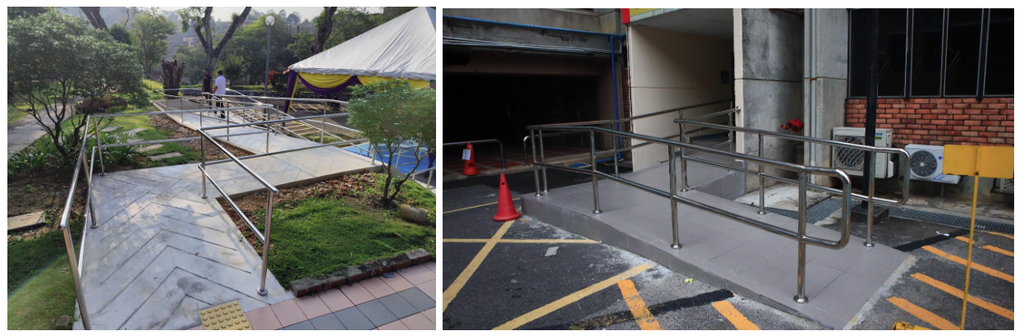
Collectively, UKM embeds pedestrian priority into campus infrastructure by addressing safety, comfort and accessibility together. Sheltered and separated walkways, designated crossings and disability-inclusive features support everyday journeys and help create an environment where more people can move confidently and independently. By making pedestrian access an integral part of campus mobility, UKM encourages active travel, supports reduced reliance on motorised journeys and advances a healthier, more inclusive campus in alignment with SDG 11: Sustainable Cities and Communities.