


Make cities and human settlements inclusive, safe, resilient and sustainable
SDG 11 Indicator
11.4 – Sustainable Practices
11.4.1 – Sustainable Practices Targets
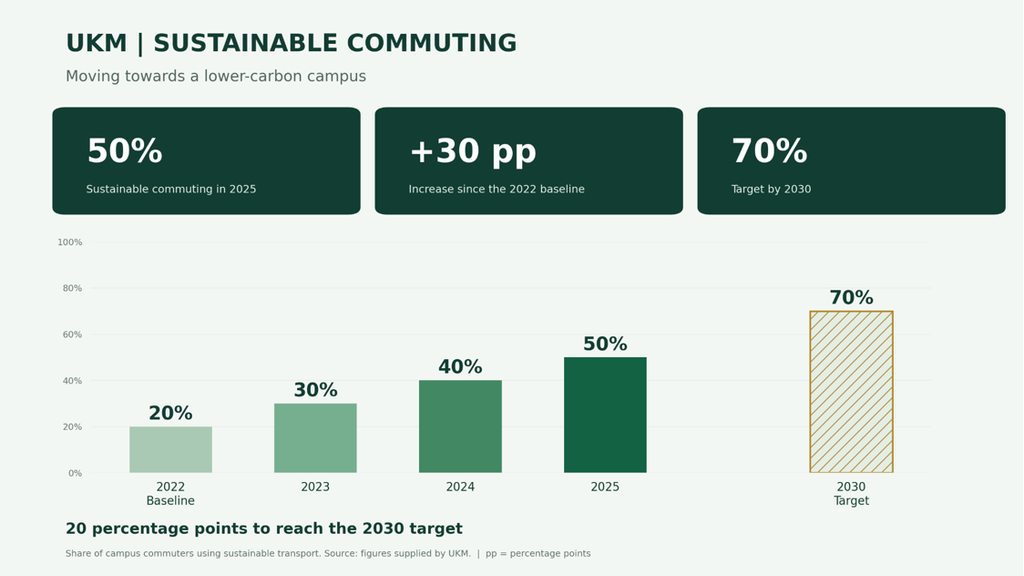
Universiti Kebangsaan Malaysia (UKM) measures progress in sustainable commuting against a 2022 baseline and sets an explicit target of 70% sustainable commuting by 2030. The evidence reports an increase from 20% in 2022 to 30% in 2023, 40% in 2024 and 50% in 2025, representing a 30-percentage-point improvement over three years. Guided by its Low Carbon Campus 2030 Plan and Sustainability Strategic Plan 2030, UKM supports this transition through walking facilities, shared bicycles and e-scooters, shuttle services, public transport connections and electric buses. This combination of a defined baseline, annual progress figures and a time-bound target provides a measurable framework for reducing dependence on private vehicles and advancing sustainable campus mobility. This strategy directly tackles carbon emissions, aligns with Malaysia’s national climate targets and reinforces UKM’s role as a sustainability leader in higher education.
UKM’s Sustainable Practices Initiatives
| No. | Practices |
| 1. | Target a Low-Carbon Campus |
| 2. | Initiatives toward Campus Low Carbon |
| 3. | Advancing a Low-Carbon Future Through the UKM Sustainability Strategic Plan 2030 |
1. Target a Low-Carbon Campus
UKM is advancing sustainable mobility through its Low Carbon Campus 2030 Plan, supporting efforts to reduce campus carbon emissions and achieve net-zero emissions by 2040. Sustainable commuting increased from 20% in the 2022 baseline year to 30% in 2023, 40% in 2024 and 50% in 2025, a gain of 30 percentage points in three years. This progress brings UKM within 20 percentage points of its target of 70% sustainable commuting by 2030, reinforcing its commitment to a cleaner, lower-carbon campus.
| Target of sustainable communing in campus. | 2022 | 2023 | 2024 | 2025 | 2030 (campus low carbon) |
| 20% | 30% | 40% | 50% | 70% |
2. Initiatives Toward Campus Low Carbon
UKM is strengthening its transition towards a low-carbon campus by expanding sustainable transport services, improving pedestrian infrastructure, and collaborating with industry partners. These initiatives support its target of 70% sustainable commuting by 2030 and its longer-term ambition to achieve net-zero carbon emissions by 2040.
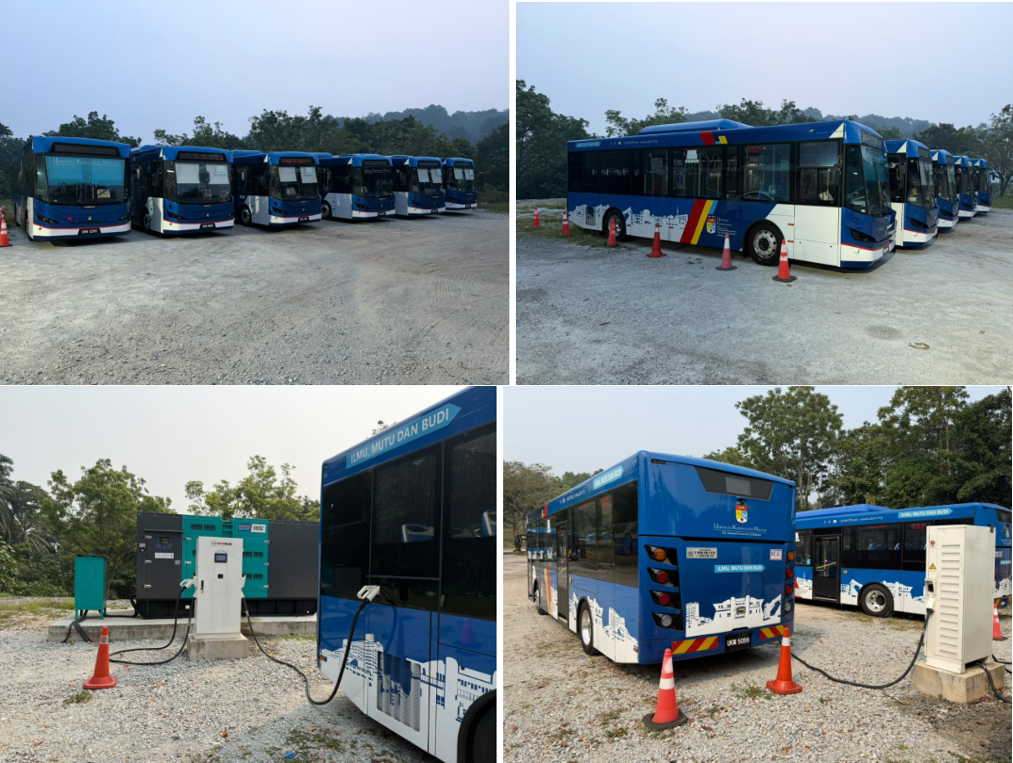
In 2025, UKM entered into a new transportation service agreement that introduced ten electric buses for on-campus mobility, building on the introduction of an electric shuttle bus in 202. This expansion provides students and staff with a cleaner transport option while reducing reliance on conventional fuel-powered vehicles.
Since 2022, UKM has also supported shared micromobility options, including 130 electric bicycles across 30 bicycle stations and 250 e-scooters available to students and staff. These alternatives facilitate short campus journeys and help reduce dependence on private vehicles.
UKM’s 19 shuttle buses connect key campus locations with nearby public transport hubs, including the UKM Commuter station, supporting integrated journeys and reducing the need for single-occupancy vehicle trips. Designated pedestrian pathways and zebra crossings further encourage walking by improving safety and accessibility across campus.
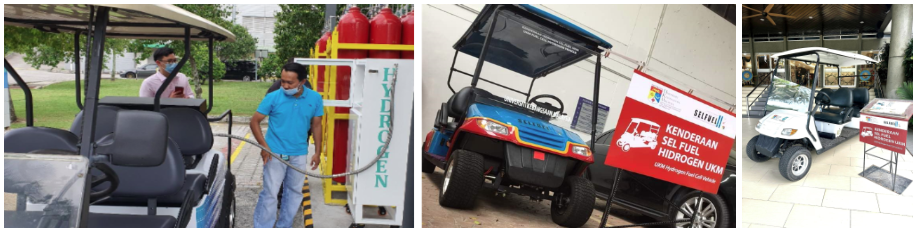
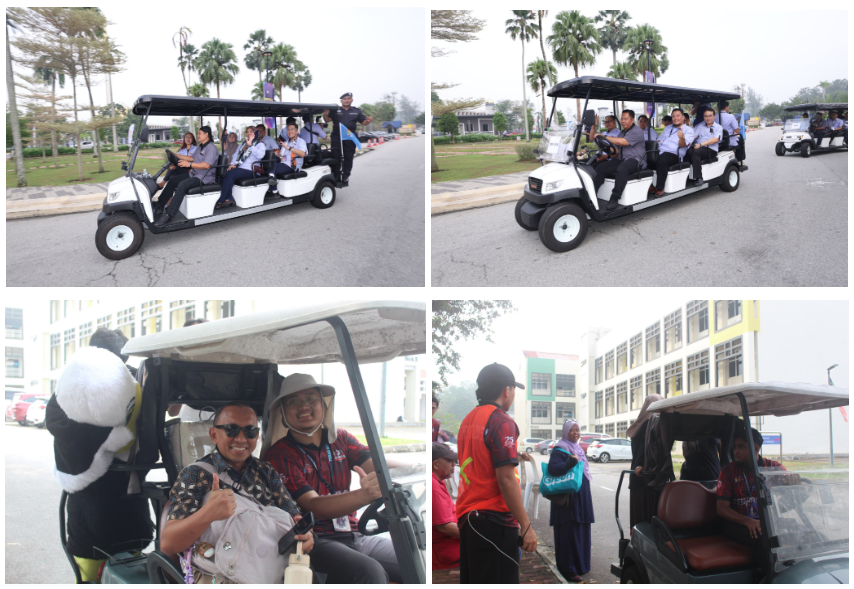
Beyond commuting, UKM is advancing solar energy projects and exploring hydrogen vehicle initiatives through collaborations with industry partners, including PETRONAS. Together, these efforts connect cleaner mobility, renewable energy, and infrastructure improvements to support a more sustainable campus and the university’s long-term decarbonisation ambitions.
3. Advancing a Low-Carbon Future Through the UKM Sustainability Strategic Plan 2030
UKM is advancing its transition towards a low-carbon campus by 2030 and net-zero carbon emissions by 2040, guided by the UKM Sustainability Strategic Plan 2030. The plan provides an institutional framework for embedding sustainability into campus planning, operations, teaching, and research through energy efficiency, renewable energy adoption, sustainable mobility, waste reduction, and behavioural change.
Key initiatives include installing solar photovoltaic (PV) systems, deploying smart energy meters, promoting electric vehicles and green shuttle services, and using a monitoring dashboard to track campus energy performance and carbon emissions. These measures support more informed resource management and help identify opportunities to reduce the university’s environmental footprint. Complementary programmes, including SENTOH (Science and Environment Near to Heart), strengthen environmental awareness and encourage students, staff, and surrounding communities to participate in sustainability initiatives.
By integrating infrastructure improvements, performance monitoring, and community engagement, UKM translates its strategic commitments into practical campus action. This coordinated approach supports SDG 11: Sustainable Cities and Communities, particularly through sustainable transport and reduced environmental impacts, while also advancing SDG 7: Affordable and Clean Energy and SDG 13: Climate Action.

Source: www.ukm.my/kelestarian/sustainability-strategic-planning/strategic-plan-2030/
Collectively, UKM’s commitment to linking sustainable commuting targets with annual performance measurement and practical transport improvements. The reported 2025 share of 50% places UKM 20 percentage points from its 2030 target, establishing a clear benchmark for further action. By connecting progress monitoring with investment in shared, active and electric mobility, UKM supports more accessible travel and efforts to reduce congestion and commuting-related emissions, contributing to SDG 11: Sustainable Cities and Communities.