


End hunger, achieve food security and improved nutrition and promote sustainable agriculture
SDG 2 Indicator
2.2 – Campus food waste
2.2.1 – Campus food waste tracking
Universiti Kebangsaan Malaysia (UKM) has implemented a campus food waste tracking initiative to monitor and reduce food waste generated across dining facilities. This effort promotes responsible consumption, enhances waste management efficiency and supports. This initiative not only addresses the issue of food waste but also supports the broader goal of sustainability by minimizing environmental impact and promoting responsible waste management practices.
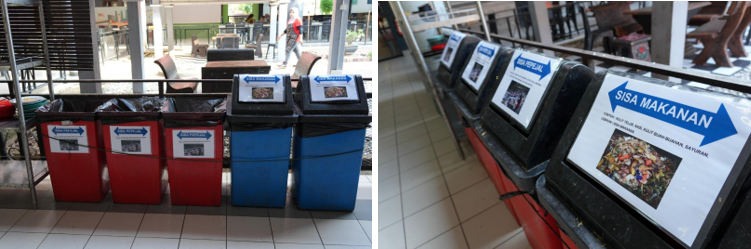
UKM systematically measures and monitors the amount of food waste generated from meals served across its campus. The university actively tracks food waste from both in-house and outsourced dining services, collecting data annually to support effective resource management. In 2024, UKM tracked approximately 157.25 metric tonnes of food waste from 10 cafeterias located within the residential colleges. To address this, UKM consistently implements food waste management campaigns, particularly targeting residential dining areas. Dedicated bins are provided to separate food waste from other solid waste, allowing for accurate weighing and further processing. Collected food waste is then treated through sustainable methods such as composting, contributing to the university’s commitment to environmental sustainability and waste reduction.
Table: Campus food waste at UKM
| No | Campus food waste at UKM |
|---|---|
| 1 | Separation of Waste from Cafeteria to Landfill |
| 2 | Promoting a Culture of Waste Management |
| 3 | Organic Waste Tracking 2024. |
| 4 | Organic Waste Treatment Process |
Detail of the campus food waste can be found below:
1. Separation of Waste from Cafeteria to Landfill
Effective food waste management begins with the systematic separation of waste at the point of disposal. Within the UKM campus, waste generated by cafeterias is meticulously sorted into different categories to ensure proper disposal and minimize environmental harm.
i. Waste Sorting Process
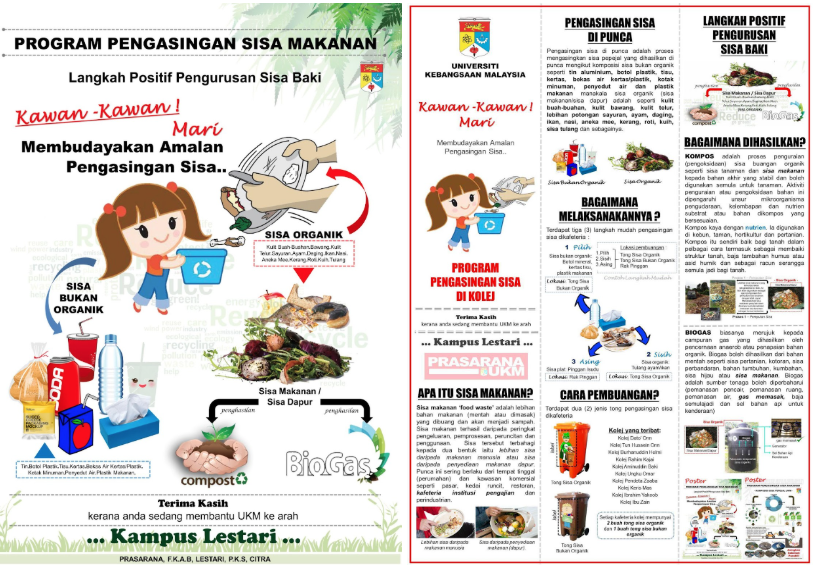
Waste is sorted into specific bins for biodegradable materials, non-biodegradable items, recyclables (such as plastic, glass, and paper) and potentially harmful substances like chemicals. This categorization is crucial for the effective management of waste and helps ensure that each type of waste is handled appropriately. Customers and cafeteria staff are encouraged to use designated bins, making the sorting process more efficient and effective.
ii. Collection and Disposal
Dedicated waste collection teams are responsible for ensuring that segregated waste is collected regularly. The collected waste is then directed to the appropriate facilities: biodegradable waste is sent for composting, recyclables are transported to recycling centers, and non-recyclable items are taken to landfill areas. This systematic approach ensures that waste is disposed of in a manner that aligns with environmental regulations and sustainability goals.
iii. Reducing Environmental Impact
By adhering to strict protocols for handling and disposing of waste, UKM aims to reduce the environmental impact of food waste generated on campus. Proper waste management practices not only minimize the harm to the environment but also support the campus community’s broader sustainability objectives.
2. Promoting a Culture of Waste Management
A key aspect of UKM’s waste management initiative is the promotion of a culture of responsible waste management within the campus community. By encouraging both customers and staff to participate in waste separation and proper disposal practices, UKM is fostering a culture of sustainability that extends beyond the cafeteria.
i. Awareness and Education
UKM actively promotes awareness and education regarding waste management practices. Through workshops, campaigns and informational materials, the campus community is informed about the importance of waste separation and the role it plays in achieving sustainability goals.
ii. Collaboration and Engagement
The success of UKM’s waste management initiative relies on the active participation and collaboration of all campus stakeholders. By engaging students, staff and faculty in waste management efforts, UKM is building a sense of communal responsibility and commitment to sustainability.
UKM’s approach to campus food waste tracking and management is a critical component of its commitment to Sustainable Development Goal 2: Zero Hunger. By implementing a systematic waste separation process, promoting responsible disposal practices, and fostering a culture of sustainability, UKM is making significant strides in reducing food waste and minimizing its environmental impact. These efforts not only support the goal of zero hunger but also contribute to the overall sustainability and well-being of the campus community. As UKM continues to refine and expand its waste management initiatives, it will further strengthen its role as a leader in sustainable campus practices.
3. Organic Waste Tracking 2024
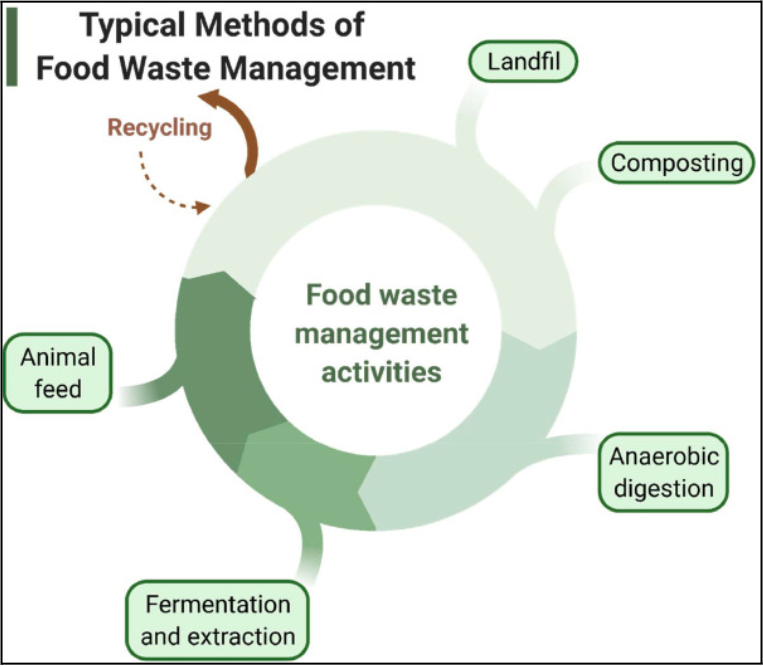
In 2024, UKM Bangi generated a total of 619.75 metric tonnes of organic waste. This organic waste comprised food waste (157.18 tonnes), domestic waste (242.47 tonnes), yard waste (219.21 tonnes), and used cooking oil (0.9 tonnes). The majority of food waste originated from cafeterias and dining halls, particularly those at Pendeta Za’ba Residential College, Keris Mas Residential College and Dato’ Onn Residential College, among others where large quantities of food are prepared and served daily. The main contributors include leftovers, unconsumed meals, and food preparation residues, reflecting the high volume of dining activities across the campus community.
Total volume organic waste produced (tonnes) in 2024
Type of organic waste | Amount (tonnes) |
| Total | |
| Food waste | 157.18 |
| Domestic waste(others) | 242.47 |
| Agriculture waste | 219.21 |
| Use Cooking Oil | 0.90 |
| TOTAL | 619.75 |
In 2024, Universiti Kebangsaan Malaysia (UKM) Bangi successfully treated 67% of its total organic waste, equivalent to 619.75 tonnes. To minimize organic waste generation, UKM has implemented several initiatives, including reuse and recycling programs for food and yard waste. All waste materials are segregated into organic and inorganic categories before being transported to designated treatment facilities. The treated organic waste undergoes composting, anaerobic digestion and black soldier fly (BSF) bioconversion processes, producing organic fertilizer and biogas that can be reused within the campus ecosystem. These efforts reflect UKM’s strong commitment to sustainable waste management and a circular-economy approach toward achieving a zero-waste campus.
At UKM, organic waste management is divided into several sustainable processes. Food waste is treated through composting, anaerobic digestion, and black soldier fly processing. Yard waste is entirely directed to the composting center, producing fertilizer used in campus landscaping. Due to capacity limits at the composting center, only a portion of organic waste is composted. This approach promotes efficient, eco-friendly waste treatment and resource utilization on campus. Then, most of the domestic waste is transferred to the certified third party facilities to be treated according to procedure.
4. Organic Waste Treatment Process
At Universiti Kebangsan Malaysia Bangi has made several initiatives to reduce our waste production such as a reuse and recycle program. UKM Bangi has undergone a reduced waste program that involves of Waste segregation in UKM
i. Reuse Waste Program
Reusing waste in UKM is using waste again without major transformation such as waste undergoing composting process and black soldier fly (BSF) that will be used as fertilizer for landscape in UKM. The composting materials involve food waste and landscape waste at UKM. The food waste at UKM undergoes waste segregation at the source according to the types of waste.
a. Composting Center
The UKM Compost Site was established in 2011 and currently utilizes windrow composting as its primary method for solid waste treatment. The windrows composting process takes 6 weeks to 6 months to complete, transforming organic waste into nutrient-rich compost. However, due to the lengthy duration required for organic fertilizer production and the increasing volume of waste generated at UKM, an initiative has been undertaken to introduce a new solid waste treatment method. Thus, a pilot study on bio-drying will be conducted at the UKM Compost Site to enhance efficiency.
The fertilizer itself is used in the landscape in UKM Bangi. UKM Bangi only produces a small amount of waste to compost because the capacity of the composting center itself is limited. The commercialization of this compost fertilizer has been done by UKM for outside buyers and also landscape uses in UKM Bangi, which has provided income in UKM as well as practicing sustainable waste management in the campus. The total sales on composting fertilizer is RM 22,150.00 or 5241.37 USD in 2024.
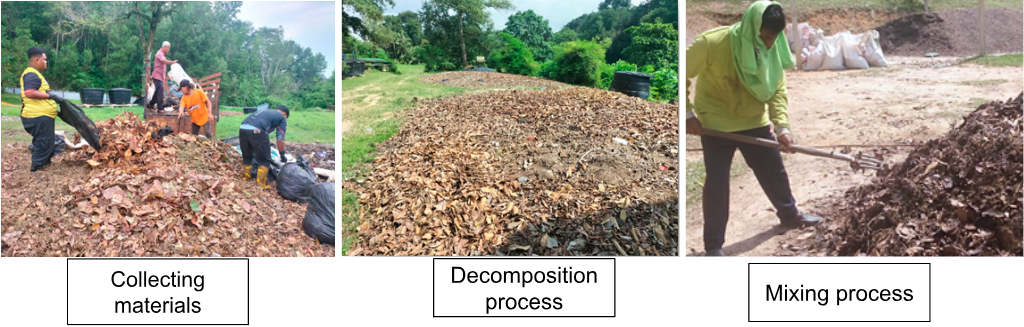
Figures below showcase UKM’s composting initiative, where organic waste is converted into compost fertilizer. This process reduces waste and produces environmentally friendly fertilizer available at the UKM Compost Center. This initiative demonstrates UKM’s commitment to sustainable waste management, promoting a circular approach by turning organic waste into valuable resources for campus and community use.

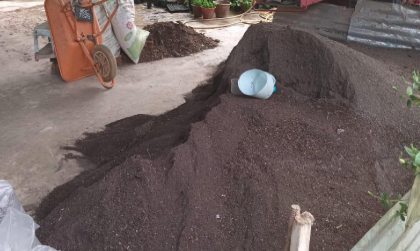
The composting process starts with gathering materials which are yard waste and food waste. The mixture will undergo a decomposition process that needs several conditions and moisture. Next, the workers will mix the mixture before undergoing the drying process. The composting process is shown in figure below.
After the drying process, the composting product will undergo a rolling process to produce a fine size of natural fertilizer product as shown in Figure below. Composting product from organic waste to be sold and used for landscape fertilizer at UKM Bangi.

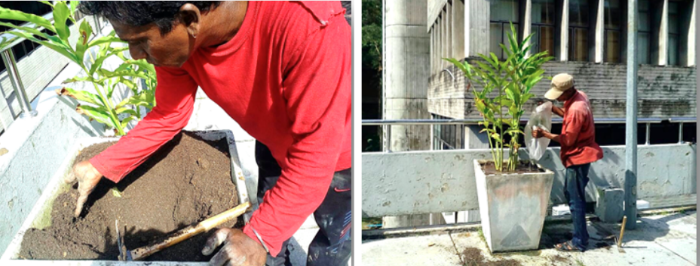
Next, the composting product will be used for landscape fertilizer in UKM Bangi as shown in Figure below.
b. Black Soldier Fly (BSF) Bioconversion
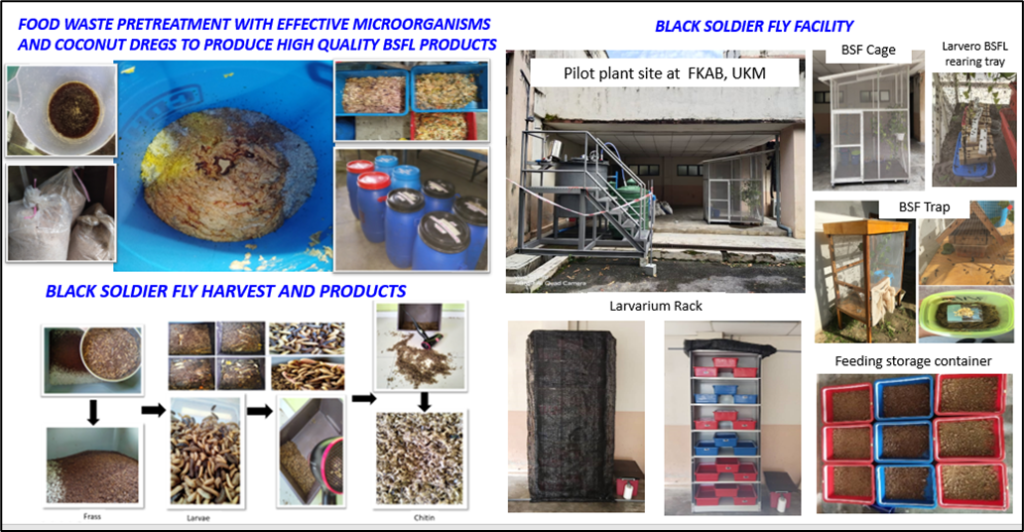
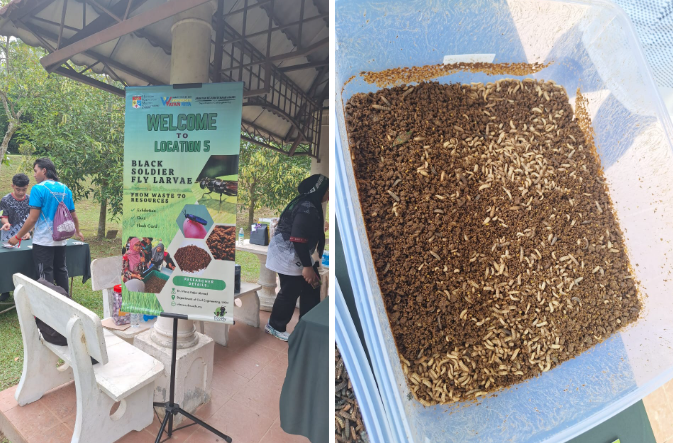
UKM is also working to produce animal feed, fertilizer, biodiesel and biogas through the farming of Black Soldier Fly (BSF) . The Black Soldier Fly (BSF) technology at UKM, launched in 2019, represents a significant advancement in sustainable waste management. This initiative focuses on converting organic waste, particularly food waste, into valuable products. The project collects food waste daily from two main cafeterias: Kolej Kris Mas and Pendeta Za’ba is sent to treatment. By utilizing BSF larvae, UKM effectively reduces the volume of food waste sent to landfills while generating high-value by-products that support its sustainability goals. The BSF bioconversion process involves collecting food waste, placing it in controlled environments with BSF larvae, and allowing the larvae to consume the organic material. Within 14 days, the mature larvae are harvested for use as sustainable animal feed and protein supplements in aquaculture. The remaining frass serves as nutrient-rich organic fertilizer, completing the recycling loop.
The benefits of BSF technology are substantial. It reduces food waste volume, promotes resource recovery, and provides a sustainable protein source, minimizing reliance on conventional feed ingredients. The project also serves as a living laboratory for students and researchers, offering hands-on experience in waste management and sustainability practices while fostering innovation in waste treatment technologies. Looking ahead, UKM is currently expanding the BSF facility’s capacity and incorporating other organic waste sources. Ongoing research aims to optimize the BSF process and explore new applications for BSF products. The university also engaged with local communities to promote BSF technology as a sustainable waste management solution, alongside public awareness initiatives through workshops and outreach programs.

ii. Recycling Waste Program
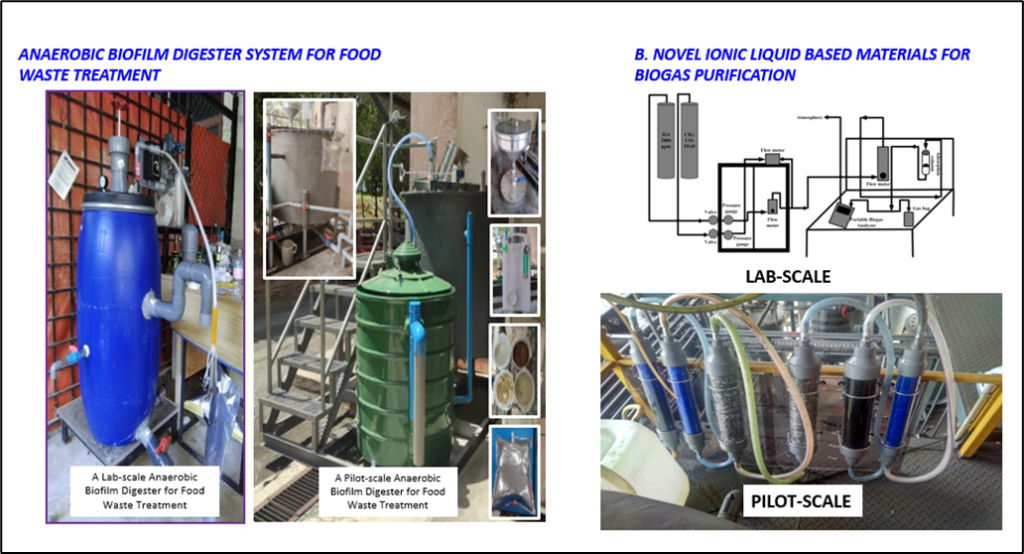
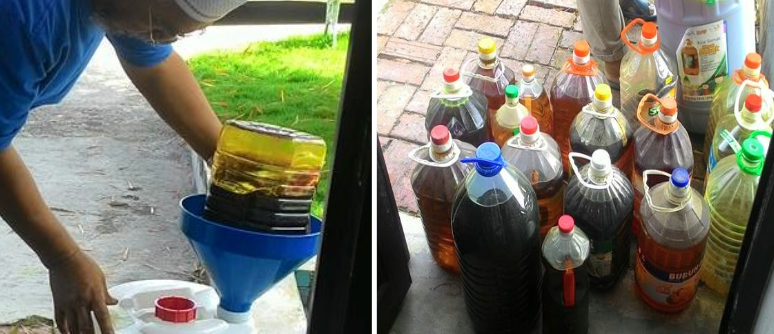
The recycling process is breaking down materials to make something similar such as from waste to biogas. The recycling process at UKM involves a treatment process of Anaerobic Digestion that basically generates biogas, a renewable energy source. Besides, the oil will be sent to the Recycling Center to be recycled by a third party.
a. Anaerobic Digestion
The anaerobic digestion process generates biogas, a renewable energy source composed mainly of methane and carbon dioxide, that can be captured and utilized for heating, thereby reducing reliance on fossil fuels. Additionally, the digestion produces nutrient-rich digestate, which serves as an organic fertilizer, enriching campus gardens and agricultural areas. This dual benefit of energy production and waste reduction not only minimizes the environmental impact of food waste but also contributes to the university’s goals of sustainability and resource efficiency. The anaerobic digester project at UKM Bangi enhances research opportunities in renewable energy and waste management while demonstrating a commitment to innovative, environmentally friendly practices on campus.
b. Oil recycling at Recycling Center UKM
For used cooking oil, the used cooking oil is recycled at the Recycling Center at UKM Bangi as shown in Figure below. Besides, the oil recycling program also collaborates with other agencies such as Alam Flora Sdn Bhd.
UKM has established a comprehensive campus food waste tracking and management system to reduce organic waste and promote responsible consumption. In 2024, UKM strengthened its sustainability practices by implementing a systematic waste separation at the source, enabling accurate measurement, efficient collection and environmentally responsible treatment of campus waste. Food and yard waste are treated through composting, anaerobic digestion and Black Soldier Fly (BSF) bioconversion, producing organic fertilizer, biogas and animal feed, while used cooking oil is recycled at the campus Recycling Center. The UKM Compost Site, operating since 2011, generated RM 22,150 (USD 5,241) in 2024 from fertilizer sales, showing how circular-economy practices can yield both environmental and economic benefits. Through continuous awareness programs, research integration and collaboration with agencies such as Alam Flora Sdn Bhd, UKM is cultivating a culture of waste responsibility among students and staff. These efforts demonstrate measurable progress toward SDG 2 (Zero Hunger), SDG 12 (Responsible Consumption and Production), positioning UKM as a national leader in sustainable food waste management and a model for achieving a zero-waste campus.