


End hunger, achieve food security and improved nutrition and promote sustainable agriculture
SDG 2 Indicator
2.3 – Student hunger
2.3.2 – Students hunger interventions
Universiti Kebangsaan Malaysia (UKM) is deeply committed to addressing food insecurity and ensuring that no student on campus goes hungry. In alignment with Sustainable Development Goal (SDG) 2: Zero Hunger, UKM has implemented a series of comprehensive interventions aimed at alleviating hunger and ensuring access to nutritious food for everyone within the university community. These initiatives leverage both traditional approaches and innovative solutions to create a supportive and inclusive environment where food security is prioritized.
Table: Summary of the students hunger interventions
| No | Initiatives |
|---|---|
| 1 | Food Banks i. Gerobok Rezeki at Faculty of Information Science and Technology (FTSM) ii. Food Bank@Faculty of Health Science (FSK) iii. Sarapan Kasih Alumni iv. Foodsiswa@Faculty of Social Sciences and Humanities Student Council v. Infak Siswa Jumaat vi. Siswa Meal Box vii. KASISWA Foodbank |
| 2 | Student Living Aid |
| 3 | Bakul Kasih Program |
| 4 | Alumni Care 10.0: Iftar Distribution Program For UKM Students |
1. Food Banks
i. Gerobok Rezeki at Faculty of Information Science and Technology (FTSM)
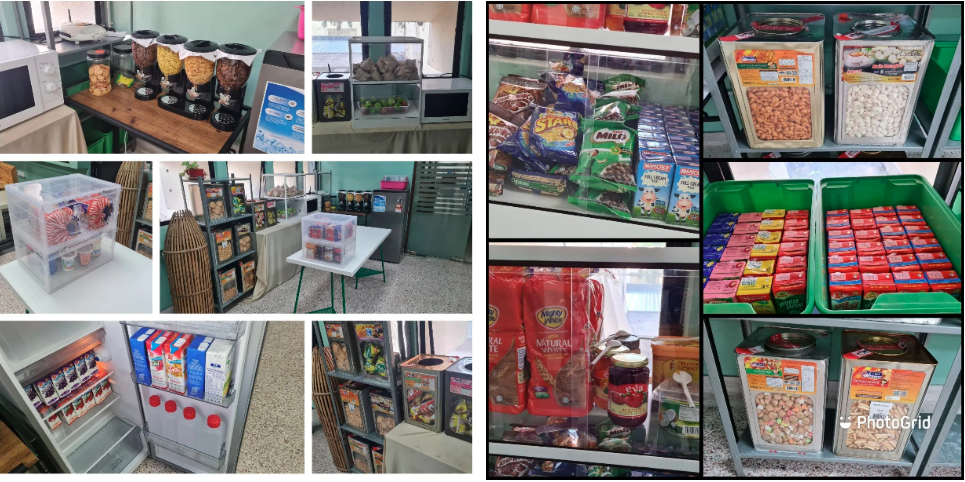
Gerobok Rezeki Programme is a food aid program established by UKM to support students who are facing food insecurity or financial hardship. Gerobok Rezeki Programme was organized by the Student Affairs Executive Committee of the Faculty of Information Science and Technology Student Association (FTSM) at the Innovation Space, FTSM. Funded by the faculty and UKM with an allocation of RM2,000, this free initiative provided essential dry food items to at least 50 students in need, helping to ease their financial burden and ensure access to basic necessities. The programme not only alleviated food insecurity and reduced mental stress among students, but also nurtured a culture of empathy and social responsibility within the university. By directly addressing hunger issues on campus, this initiative contributes meaningfully to the goals of SDG 2: Zero Hunger, while enhancing UKM’s image as a caring and supportive institution committed to student welfare.

Source: https://ftsm.ukm.my/v6/sustainability
ii. Food Bank@Faculty of Health Science (FSK)
In 2024, the Food Bank@FSK was established at the Student Lounge, UKM Kuala Lumpur, to provide free essential food items such as snacks, bread, biscuits, cereals and milk to students and staff in need. This initiative was funded through donations from UKM academic and non-academic staff as well as alumni, making it a free support service for the campus community. The programme has helped ease the financial burden of students, reduce hunger-related stress, and improve their physical and mental well-being, enabling them to focus better on their academic responsibilities. It also fostered a stronger sense of community and compassion within the university, reflecting UKM’s commitment to creating a caring and inclusive learning environment. By addressing food insecurity directly, the Food Bank Programme contributes significantly to advancing the goals of SDG 2: Zero Hunger, ensuring that no student is left behind in their pursuit of education.
iii. Sarapan Kasih Alumni
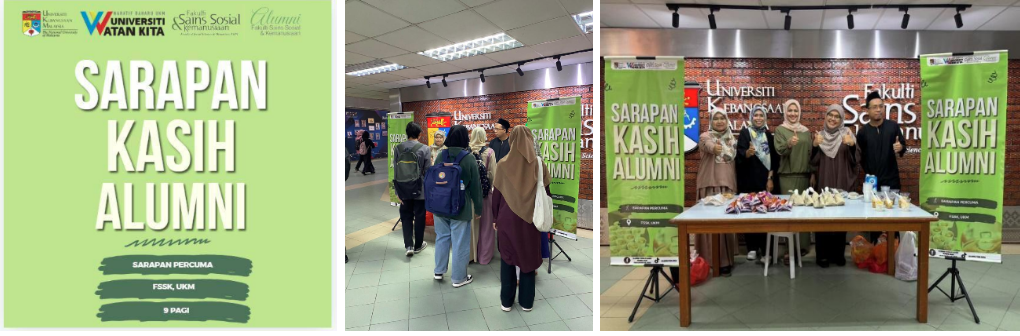
On 25 October 2024, the Sarapan Kasih Alumni (Alumni Breakfast of Love) Programme was held at Dewan Perdana, Faculty of Social Sciences and Humanities (FSSK). Supported by FSSK alumni, this free initiative distributed 100 breakfast packs to students, particularly those from the B40 and asnaf groups, ensuring they started their day with a nutritious meal. With funding amounting to RM800, the programme not only alleviated the financial burden of students but also strengthened their well-being and academic focus by reducing food insecurity. This initiative reflects the solidarity between alumni and current students, fostering a culture of care and generosity within the university community. By ensuring access to healthy meals, the programme directly supports the objectives of SDG 2: Zero Hunger, demonstrating UKM’s commitment to student welfare and inclusive sustainability practices.
Source: www.facebook.com/share/p/18YcV2y3Bw/
iv. Foodsiswa@Faculty of Social Sciences and Humanities Student Council
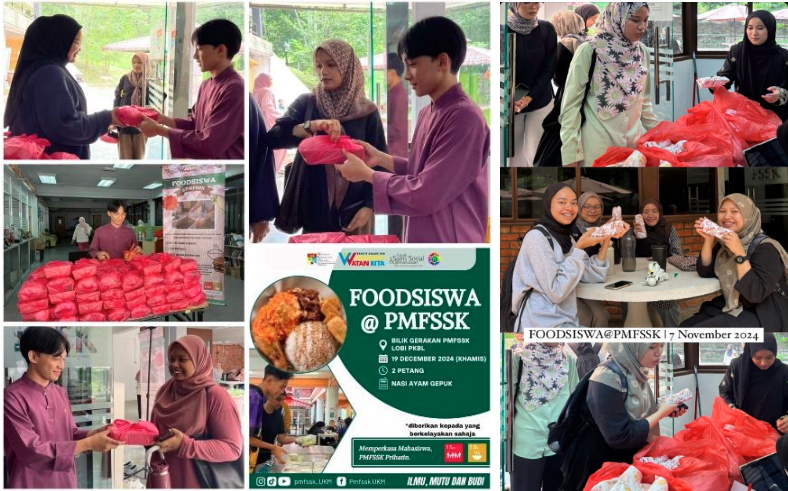
From January to December 2024, the Foodsiswa@PMFSSK Programme was implemented by the Faculty of Social Sciences and Humanities (FSSK) Student Council at UKM, with activities held every Thursday from 12.00 PM to 2.00 PM at the FSSK Student Council Office and PKBL Lobby. Supported through collaboration with Yayasan Yara, this free initiative distributed 100 food packages to eligible students from B40 and asnaf groups, with total funding of RM15,000. The programme significantly reduced the financial burden of low-income students by ensuring access to nutritious meals, which in turn improved their physical and mental well-being, lowered stress and anxiety related to food insecurity, and enabled them to focus better on their studies. By addressing hunger directly within the campus community, Foodsiswa@PMFSSK contributes meaningfully to advancing SDG 2: Zero Hunger, while reinforcing UKM’s commitment to student welfare and social inclusion.
Source: www.instagram.com/p/C1rbRuaBPum/
v. Infak Siswa Jumaat
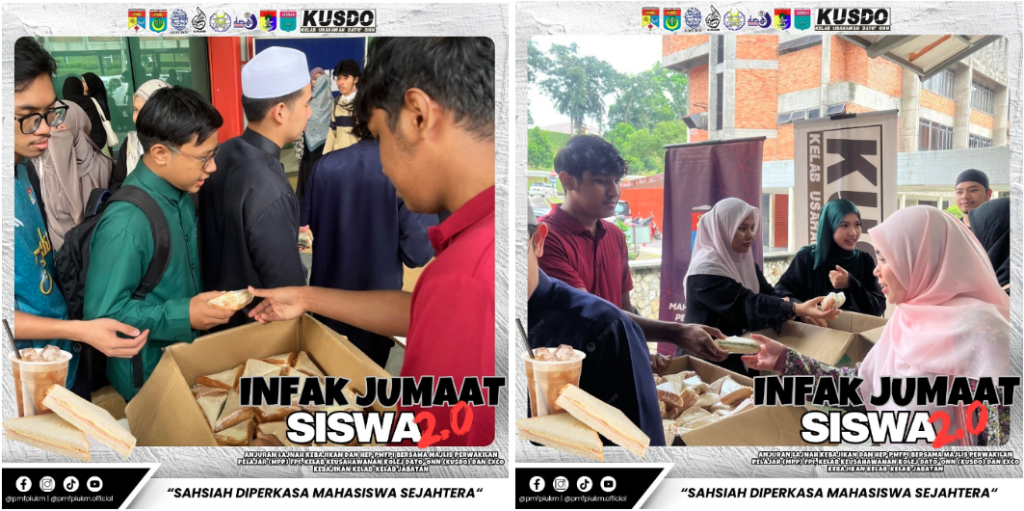
On 20 December 2024, Infak Siswa Jumaat 2.0 Programme, an initiative dedicated to providing free meals and beverages to students in need was successfully conducted. The programme was jointly organized by the Welfare Committee and the Student Affairs Division (HEP) of Faculty of Islamic Studies Student Council (PMFPI), in collaboration with the Student Representative Council (SRC) of FPI, the Dato’ Onn College Entrepreneurship Club (KUSDO), and the Welfare Exco of Departmental Clubs. The programme was designed to ease the financial pressures faced by students while ensuring consistent access to nutritious and balanced food. By addressing food insecurity within the campus community, this initiative contributes directly to the objectives of SDG 2: Zero Hunger, which emphasizes the importance of ending hunger and promoting food security. Beyond meeting immediate nutritional needs, the programme also supports students’ academic focus and overall well-being, enabling them to pursue their studies without the added concern of daily sustenance.
Source:www.instagram.com/p/DDyafObzclI/
vi. Siswa Meal Box
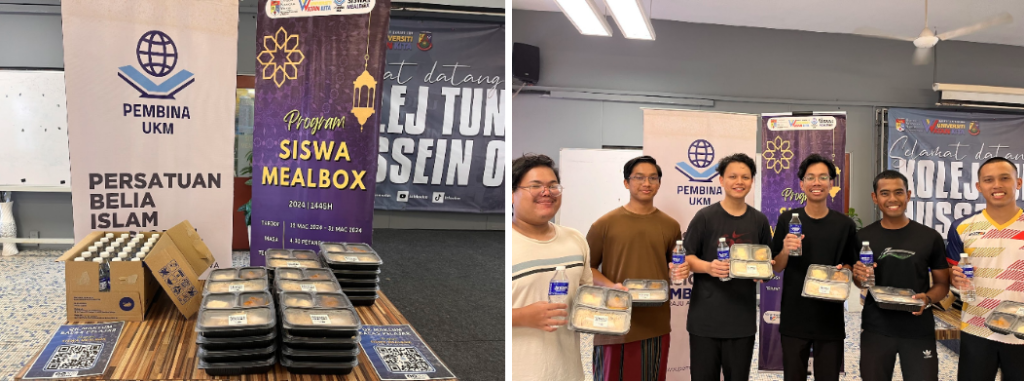
From 12 March to 8 April 2024, Tun Seri Lanang Library (PTSL) successfully organized the Siswa Meal Box 2024 Programme, an initiative dedicated to supporting students from B40 families residing in selected UKM residential colleges during the holy month of Ramadan. Through this programme, nutritious heavy meal packs were distributed every Friday, Saturday and Sunday, between 5:00 PM and 6:30 PM, ensuring that students could break their fast with proper sustenance and without the hardship of hunger. The Siswa Meal Box initiative not only alleviated the financial burden of students from low-income households but also embodied the university’s commitment to SDG 2: Zero Hunger, which emphasizes ending hunger and ensuring access to safe, nutritious, and sufficient food for all.
Source: https://drive.google.com/drive/folders/1kUkAxAumybTyJexNkyjqfgRfhj7Xu20k?usp=sharing
vii. KASISWA Foodbank
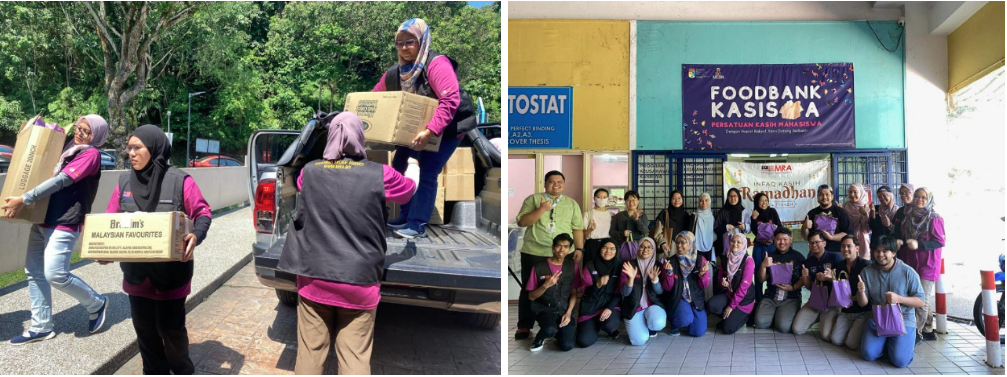
On 18 March 2024, the Malaysian Relief Agency (MRA), in collaboration with HEP-UKM, generously donated 500 food packs to the KASISWA Foodbank to support students in need. This contribution played a crucial role in alleviating food insecurity among UKM students, ensuring they had access to essential and nutritious meals. By addressing the challenge of food shortages, the initiative enabled students to concentrate on their academic pursuits without the added worry of meeting their basic dietary needs. It also reduced stress and anxiety associated with food insecurity, thereby fostering a healthier, more focused, and conducive learning environment. This effort directly advances the objectives of SDG 2: Zero Hunger, which seeks to end hunger and ensure food security, while also reinforcing UKM’s commitment to student welfare and inclusive sustainability practices.
2. Student Living Aid
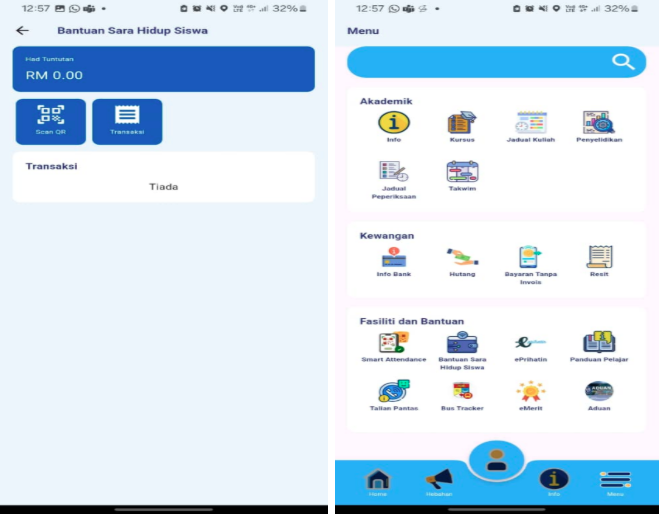
UKM has launched several food assistance initiatives to help ease the student burden among students. To ensure that students have consistent access to nutritious meals, UKM has established a food incentive program Bantuan Sara Hidup Siswa or known as Dompet Siswa UKM previously. Under this program, up to 1,000 students receive a maximum RM600 per semester, distributed through a specially designed mobile app, UKM Siswa, a total of RM600,00.00. This app allows students to purchase food at designated campus cafeterias. This innovative approach not only guarantees daily access to food but also gives students the flexibility to choose their meals.
3. Bakul Kasih Program
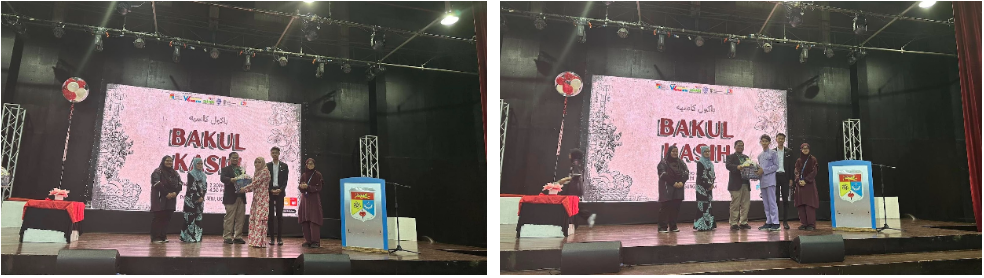
On 18 March 2024, Centre for Entrepreneurship and Small & Medium Enterprises Development (UKM-CESMED) with support from student clubs and corporate sponsors organized The Bakul Kasih Program, providing 150 goodwill baskets containing essential items to students from the Asnaf and B40 groups. With sponsorship worth RM18,922, the program directly alleviated the financial burden of vulnerable students while also offering iftar meals during Ramadan to support their well-being. Beyond material aid, it fostered solidarity, compassion and a spirit of togetherness within the UKM community, while also strengthening industry–university collaboration through active sponsorships. This initiative contributes significantly to SDG 2 (Zero Hunger) by ensuring access to basic necessities and nutritious meals for marginalized students, reinforcing UKM’s commitment to addressing food insecurity in a holistic and sustainable way.
Source: www.facebook.com/share/p/1B6yKp5CK8
4. Alumni Care 10.0: Iftar Distribution Program For UKM Students
The Alumni Care 10.0: Iftar Distribution Program organized by the UKM Alumni Relations Center provided iftar meals to students across 13 residential colleges during Ramadan, distributing an estimated 50 food packs per college with total funding of RM8,710. This initiative not only alleviated the burden of students, particularly those from underprivileged backgrounds, but also strengthened the bond between alumni and the student community while fostering a culture of compassion, generosity and togetherness. By ensuring access to nutritious meals during the fasting month, the program directly supports SDG 2 (Zero Hunger) through addressing student food security and promoting social solidarity within the university environment.
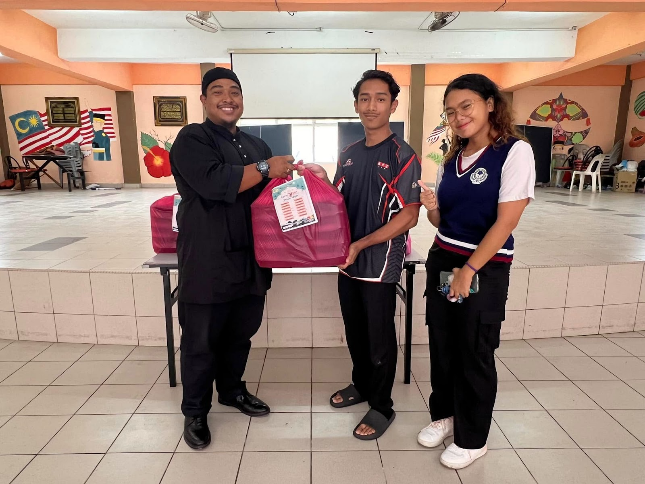
UKM demonstrates a strong commitment to addressing food insecurity and student welfare through various hunger intervention programs such as food banks, student living aid, Bakul Kasih and the Alumni Care Iftar Distribution initiative. These efforts have had a profound impact by ensuring consistent access to nutritious meals, alleviating the financial burden of B40 and asnaf students and improving their physical and mental well-being. Beyond providing immediate assistance, these initiatives cultivate a culture of empathy, solidarity and community engagement across the university. By reducing hunger-related stress and enhancing students’ ability to focus on their studies, UKM’s interventions contribute to creating a more inclusive and supportive campus environment. Overall, these programs significantly advance SDG 2 (Zero Hunger) by promoting equitable access to essential needs, strengthening social welfare and empowering students to achieve academic success without the barriers of poverty or food insecurity.