


End hunger, achieve food security and improved nutrition and promote sustainable agriculture
SDG 2 Indicator
2.3 – Student hunger
2.3.3 – Sustainable food choices on campus
Universiti Kebangsaan Malaysia (UKM) is committed to promoting sustainable food choices on campus as part of its ongoing efforts to ensure that both students are well-nourished in all food outlets. In alignment with Sustainable Development Goal (SDG) 2: Zero Hunger, UKM has implemented initiatives that focus on offering diverse, healthy and sustainable food options. This report highlights the key interventions and strategies that contribute to achieving food security and nutrition on campus.
Table: Summary of the students hunger interventions
| No | Students Hunger Interventions |
|---|---|
| 1 | Diverse and Nutritious Food Offerings i. Sen Teppanyaki: A Sustainable Dining Option ii. eMart Convenience Store iii. Hot Meal Bar |
| 2 | Sustainable Garden |
1. Diverse and Nutritious Food Offerings
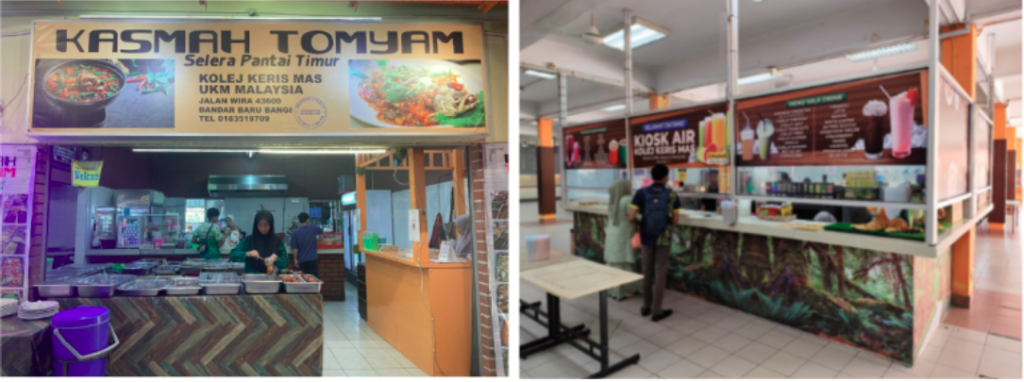
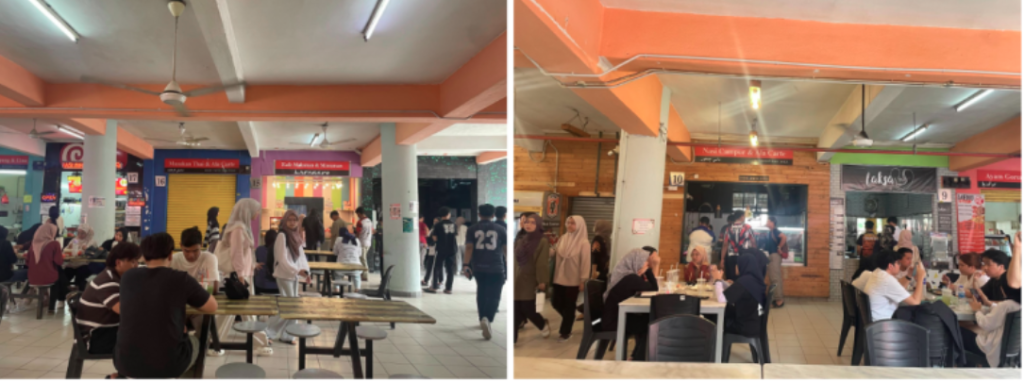
UKM has made significant strides in ensuring that the food options available on campus cater to a wide range of dietary preferences and nutritional needs. The opening of cafeterias that offer various food including for vegetarian and other healthy food choices is a testament to the university’s commitment to the well-being of its community. These cafeterias provide a diverse selection of meals that are not only delicious but also designed to meet the nutritional requirements of both students.

i. Sen Teppanyaki: A Sustainable Dining Option
One of the standout features on campus is the Sen Teppanyaki cafeteria. This cafeteria is known for its diverse selection of nutritious foods, all prepared using sustainable materials. By prioritizing sustainability in its operations, Sen Teppanyaki not only contributes to the health of the campus community but also aligns with broader environmental goals. The focus on sustainable practices, from sourcing ingredients to minimizing waste, makes Sen Teppanyaki a model for other dining facilities on campus.

ii. eMart Convenience Store
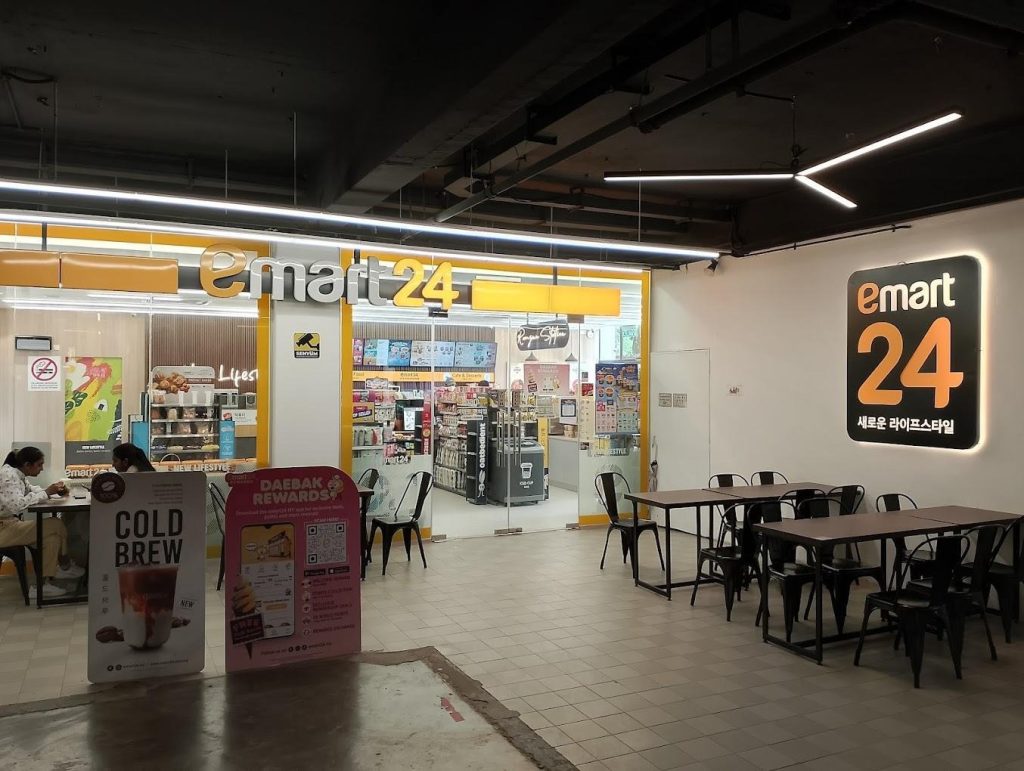
The eMart 24 store plays a role in promoting sustainable food choices for UKM students by offering a selection of healthy, affordable and eco-friendly products. As a convenience store with an emphasis on modern, convenient living, eMart 24 could stock organic snacks, plant-based alternatives, and low-carbon-footprint packaged goods, encouraging students to make more responsible food choices. Furthermore, the store is open daily for 24 hours allowing students to get their food if they want to have a discussion with friends until late at night.
iii. Hot Meal Bar Cafe

Another nutritious and affordable food option for UKM students is the Hot Meal Bar café, located in the Pusanika building. The café offers a range of Chinese Muslim dishes, with its signature item being mee tarik (hand-pulled noodles) alongside various other menu selections. In addition, UKM students enjoy a 10% discount on all purchases, making it one of the budget-friendly dining choices on campus.
2. Sustainable Garden
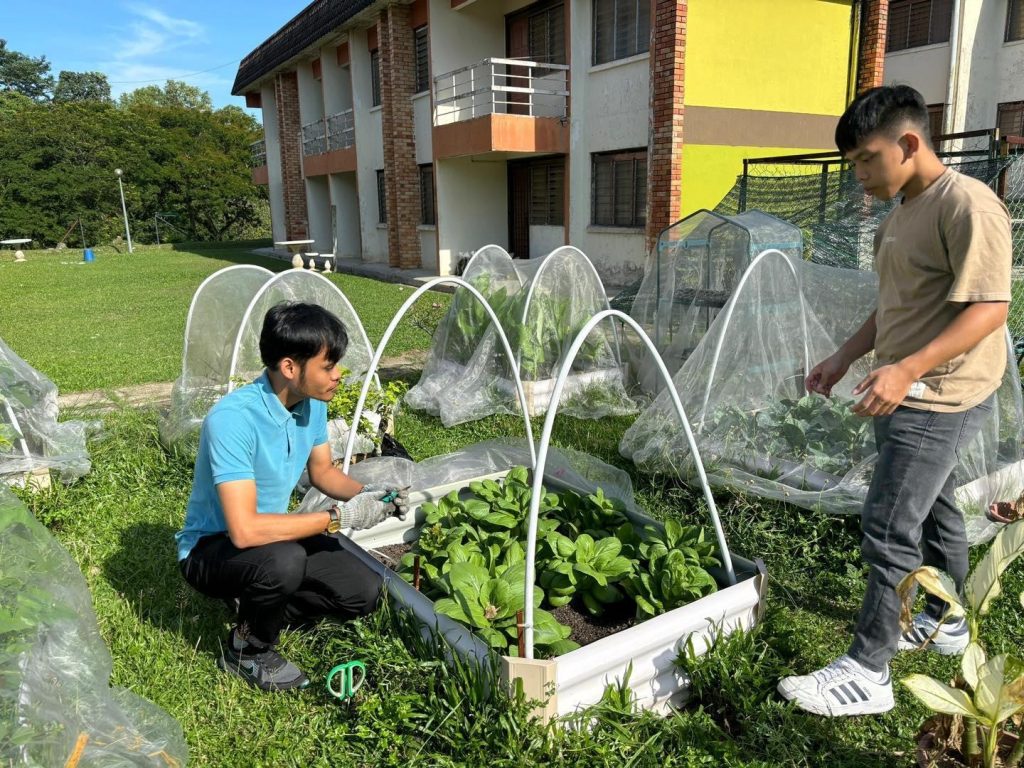
Recognizing the importance of ensuring that all students have access to nutritious food, UKM has developed the Sustainable Garden to supply healthy food. There are several sustainable gardens that have been developed by several responsibility centers in UKM such as The Botanical Garden of UKM, UKM-YSD Sustainable Garden and Taman Ilmu@Chancellery. These three gardens share a common goal: to provide students with access to healthy food while ensuring food sustainability on campus including vegetarian and vegan choices. Their efforts focus on promoting nutritious eating habits and supporting a long-term, eco-friendly food system that benefits both the student community and the environment. By fostering sustainable agriculture within the campus, these initiatives not only enhance student well-being but also contribute to the overall vision of maintaining food security and environmental stewardship at UKM.



UKM’s commitment to providing sustainable food choices on campus has created a meaningful impact on student well-being, food security and environmental stewardship. Through diverse, affordable and nutritious offerings, including vegetarian and vegan options at residential college cafeterias, Sen Teppanyaki, eMart and the Hot Meal Bar, students have continuous access to healthy meals that support balanced diets and reduce food insecurity. Complemented by campus-based sustainable gardens such as the UKM Botanical Garden, UKM-YSD Sustainable Garden and Taman Ilmu@Chancellery, the university strengthens local food systems while promoting hands-on learning in sustainable agriculture. These integrated efforts not only cultivate responsible consumption habits, but also foster a resilient campus ecosystem aligned with SDG 2: Zero Hunger and long-term sustainability values.