
Ensure inclusive and equitable quality education and promote lifelong learning opportunities for all
SDG 4 Indicator
4.3 – Lifelong learning measures
4.3.1 – Public resources (lifelong learning)
In order to inculcate or cultivate life long learning interest or awareness to the public, UKM provides several initiatives which are available to anyone interested including for those not studying at the university. Below is the list of initiatives available at UKM.
Table: Summary of the initiatives provided.
| No | Initiatives |
|---|---|
| 1 | Free Courses Leading To Certificate i. UKM Massive Open Online Courses (MOOC) |
| 2 | Free Access To Campus Facilities And Equipment |
| 3 | Free Access To Online Resources i. Malaycivilization Portal (Online Resource Center for Malay World Research) |
Detail of the initiatives can be found below:
1. Free Courses Leading To Certificate
i. UKM MOOC
UKM MOOC (Massive Open Online Courses) is an online learning platform provided by UKM that offers a wide range of courses. These courses are designed to provide free and accessible educational resources to anyone, regardless of whether they are enrolled at the university. Topics range from academic subjects to professional and self-development courses, often with certificates available upon completion. It aims to promote lifelong learning and knowledge sharing beyond traditional academic settings. UKM MOOC which currently contains 97 courses offered and 212 registered courses.
With the tagline “Learn Remotely From Anywhere,” UKM MOOC reflects the university’s commitment to lifelong learning and digital transformation in education. This initiative not only expands UKM’s outreach beyond campus boundaries but also contributes to reducing physical resource consumption, such as paper and energy, aligning with SDG 4 (Quality Education).Some example of free courses offered in the UKM MOOC are Non-Specific Low Back Pain (NSLBP) Course, Hearing problems among children Course, Statistical Analysis in Biology using R Course, Cybersecurity Capture-the-Flag (CTF) Training Program, Transcriptomics: Principles and Applications and more. Participants also can get free access to these online resources, as these courses are intended for a massive online community, the platform hosts not only UKM students, but also the public, that not studying at the university enables students to be globally connected to one another and to promote digital skills and collaborative competencies among students. Public can refer to this UKM MOOC guideline as reference (bit.ly/GPPPUKM_2023).
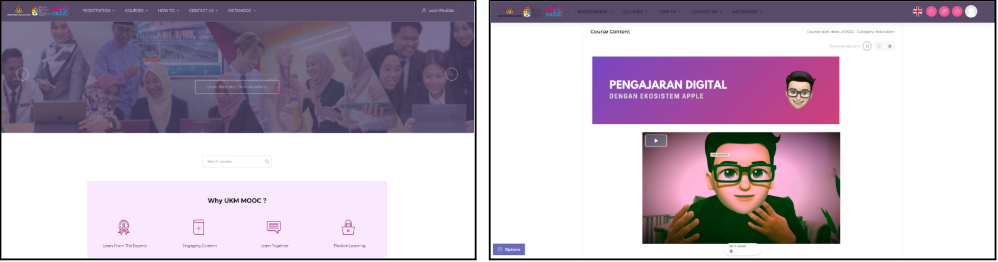
Source: mooc.ukm.my
| List of Courses offered in UKM-MOOC | |
| Sepsis And Infectious Diseases | Hearing Problems In Children: What Medical Students Need To Know? |
| Physics Of Ultrasound Imaging | Translational Research 101: Tips & Tricks To Start Researching |
| Understanding North Korea | Internal Audit Course |
| Jihad According To The Quran And Sunnah | Environmental Science |
| Zakat | Sedimentology |
| Dangerous Decibels | Human Computer Interaction |
| Introduction-To-One-Health-Concept | Neurosains Di Dalam Psychiatry (Neurophysiology) |
| Hypothesis Testing Using Medical Statistics | Mental Health Nursing |
| Medic UKM Clinical Pathological Conference | Microbiology For Pharmacy |
| Research Week Medic UKM 2020 | Comparative Literature |
| Academic Writing Skills | Anatomy |
| Mooc Smoking Cessation Intervention In Dentistry | Internet Of Things |
| Hearing Aid Inside Out | Bioinformatics For Medicine |
| Digital Teaching With Apple Ecosystem | Introduction To Research Methodology |
| Mindset Setting: Educators In Public Universities | Pharmacotherapy For Viral Infections |
| Constructive Alignment: Principles And Implementation | Food Product Development |
| Redesigning Learning Resources | Food Processing |
| Redesigning Learning Experiences | Introduction To Marketing |
| Redesigning Learning Assessments | Statistical Analysis In Biology Using R |
| Falsafah Pendidikan Islam | Silicon Solar Cell Technology |
| 21 Leadership Traits For The 21st Century In Islam | Immersive Learning With Metagogy And Metaverse |
| Basic Care Of Science Laboratory Equipment | Doping In Sports Course |
| Futuristic Literacy | Course Development Module |
| Geology Fieldwork – East Coast | Human Resources Management |
| Transcriptomics: Principles And Applications | Perfume |
| Islamic Media & Technology | Teaching Economics |
| MOOC UNESCO – UKM: Media And Information Literacy | Usability Engineering |
| Introduction To Political Theory | STEM Education In The Community |
| SKBP1013 Introduction To Language And Linguistics | Computer Science |
| Research Methodology | Solar Energy Technology |
| Psikolinguistik | Technopreneurship & Venture Creation V |
| Program Quality Assurance Documentation | Foundation Mathematics I |
| Program Design And Review | Body Balance And Falls |
| Program Accreditation | Matematik Tambahan (Menengah)Additional Mathematics (Secondary) |
| Quality Management System | Entrepreneurship |
| Innovation And Quality Improvement Management | Ethnography Of Malaysia |
| Risk Management | Environmental Management System |
| Digital Teaching Course For The Ministry Of Health Malaysia | Railway Transportation |
| Non – Specific Lowback Pain (Nslbp) | Time Series Econometrics |
| Basics Of Urban Transport | Design Thinking For Innovation |
| Basics Of Data Science In Transportation | Parasites And Human |
| Cybersecurity Capture-The-Flag (Ctf) Training Program | Teaching Human Resource Management |
| Hearing Problems Among Children | Language Teaching And Technology |
| Flow-Induced Vibration Simulation – Introduction | Waste Management Technology & Management |
| MOOC Organizational Communication | Health Communication Project Planning |
| Introduction To Metabolomics | Teaching Social Psychology |
| Communication, Media And Politics | Integrated River Basin Management |
| Pure Mathematics | Self Development |
For more information, can access UKM MOOC through this link – mooc.ukm.my
2. Free Access to Campus Facilities and Equipment
The UKM library consists of the Tun Seri Lanang Library as the main library in Bangi’s main campus and seven branch libraries, namely the Law Library, the Malay World and Civilization Library, the Second Cluster Library, the Dr. Abdul Latiff Library (Kuala Lumpur), Chancellor Tuanku Muhriz Hospital Library (Cheras), Preclinical Library (Cheras), Children’s Specialist Hospital Library (Cheras) and Academic Heritage Museum. Tun Seri Lanang Library as the main library or better known as PTSL has many facilities available for the use of many including the public for free of charge. Students also have access to use online software subscribed by UKM, enabling them to benefit from a wide range of digital tools and resources essential for their learning and research. Students have the opportunity to use facilities and equipment when they are physically present at UKM. Among them is a computer lab. UKM Library has eight (8) computer rooms. Location for the computer room as below:
| Location | Quantity |
|---|---|
| Tun Sri Lanang Library (PTSL) | 2 |
| Law Library | 1 |
| Dr. Abdul Latiff Library | 1 |
| Chancellor Tunku Muhriz Hospital Library | 1 |
| Preclinical Library | 1 |
| Children’s Specialist Hospital Library | 1 |
| Second Cluster Library | 1 |
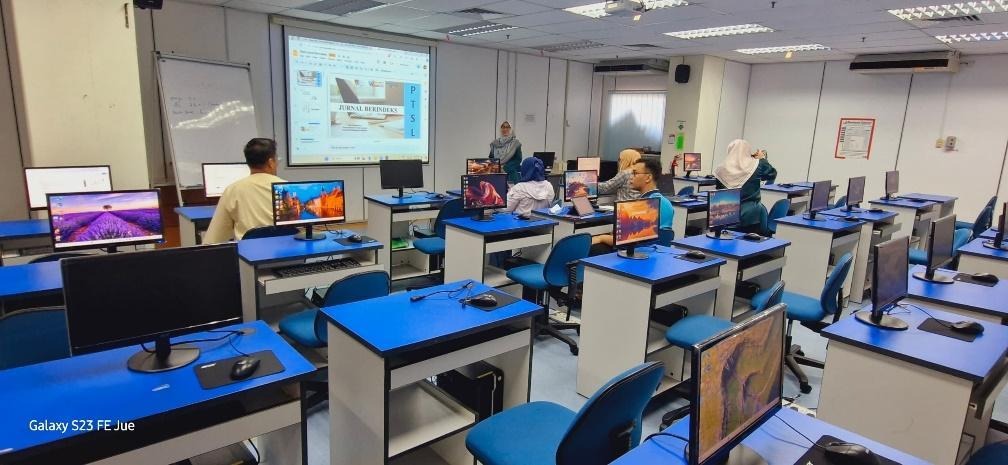
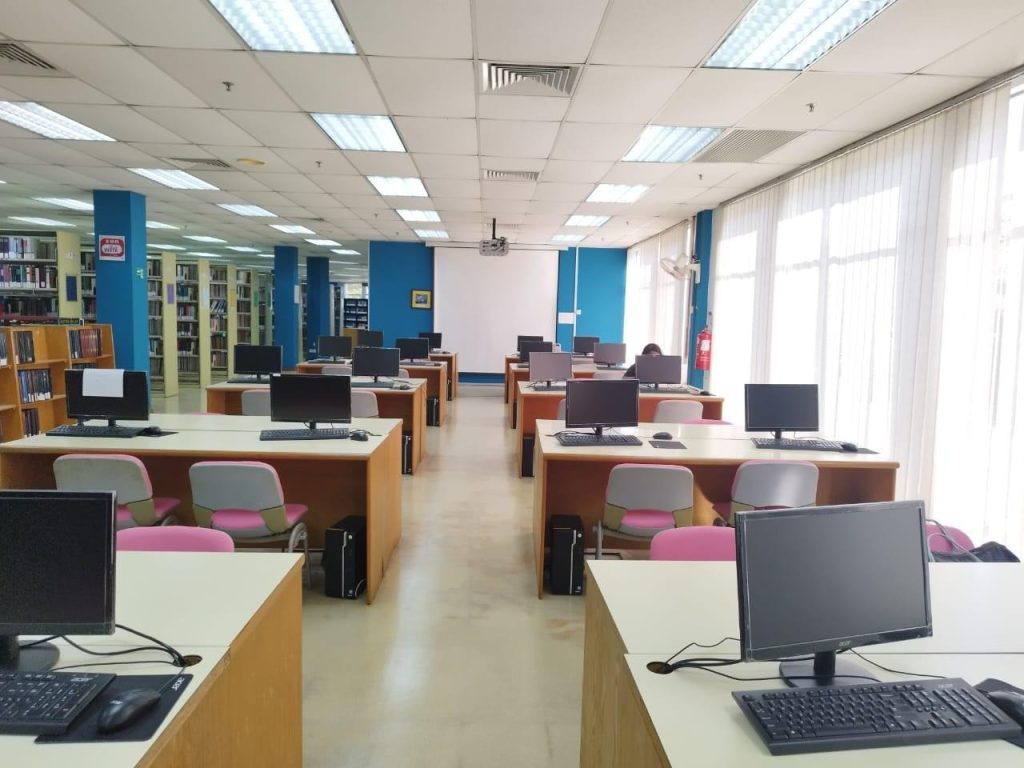
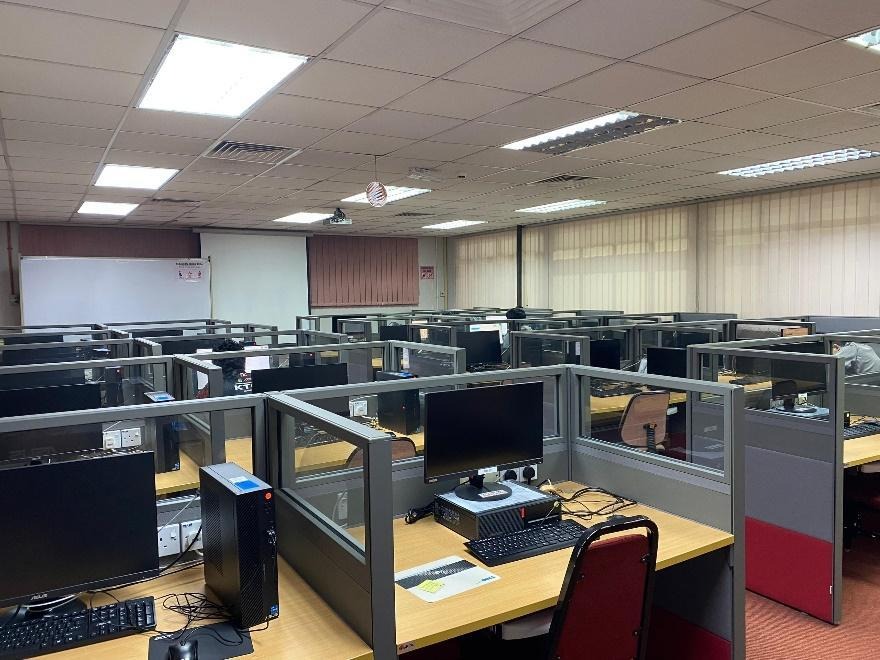
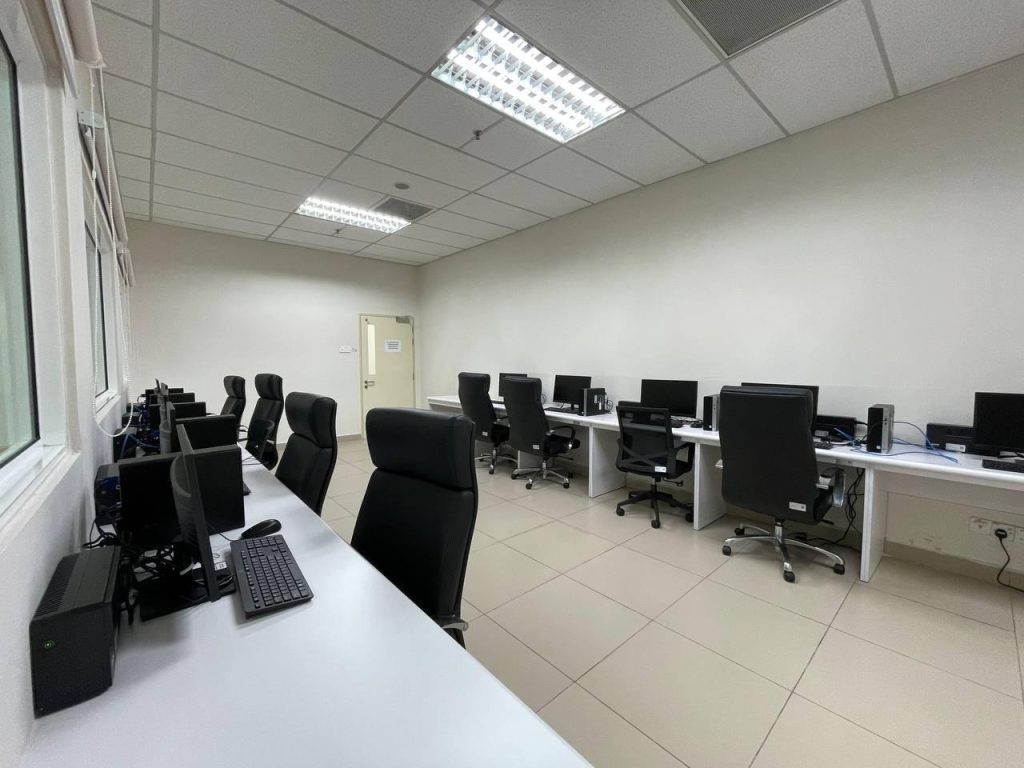
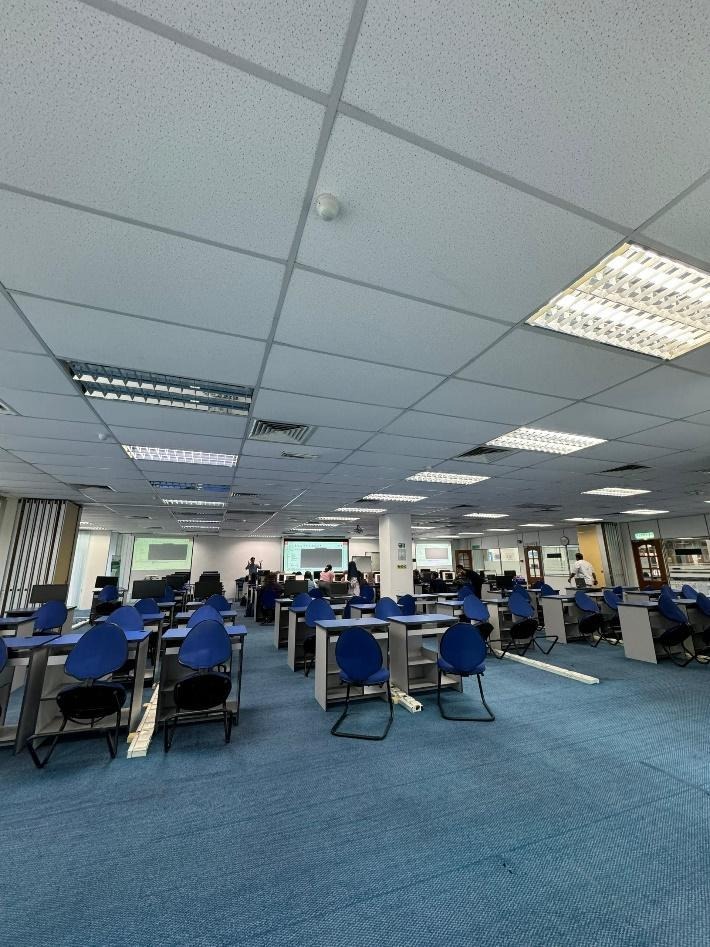
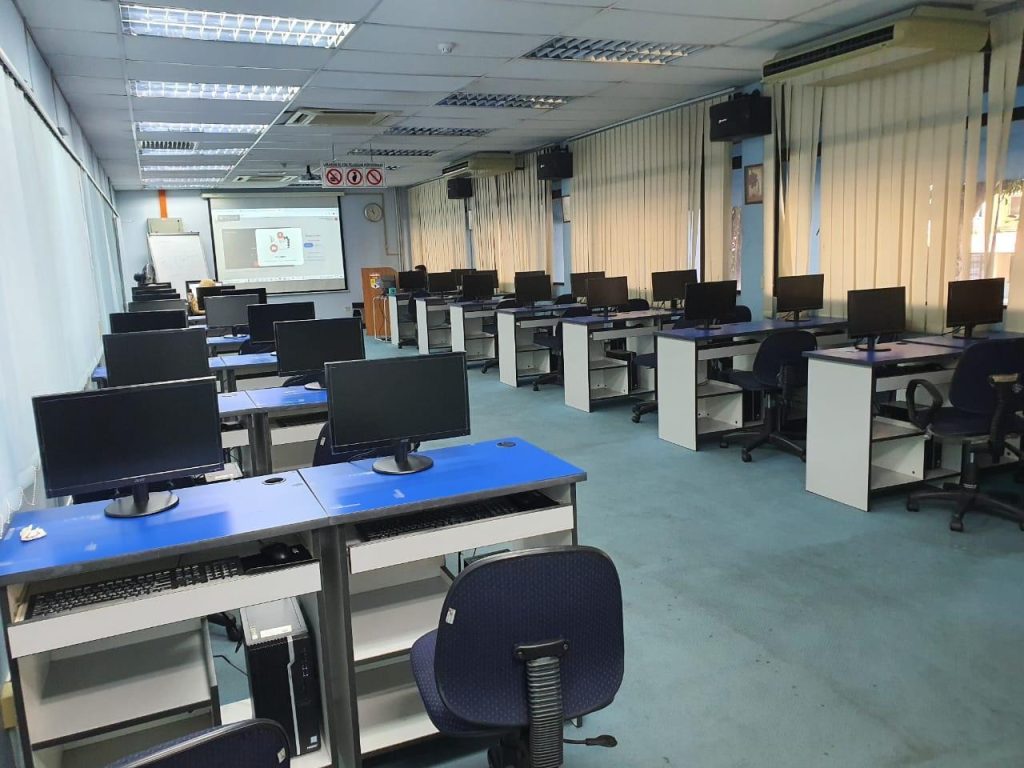
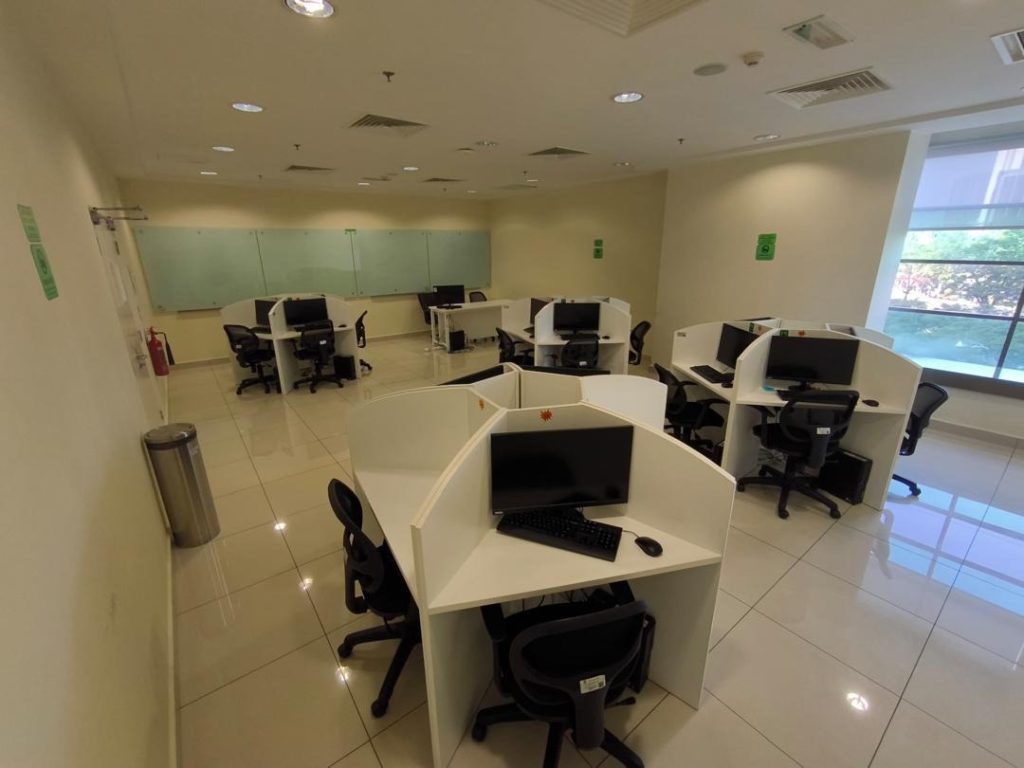
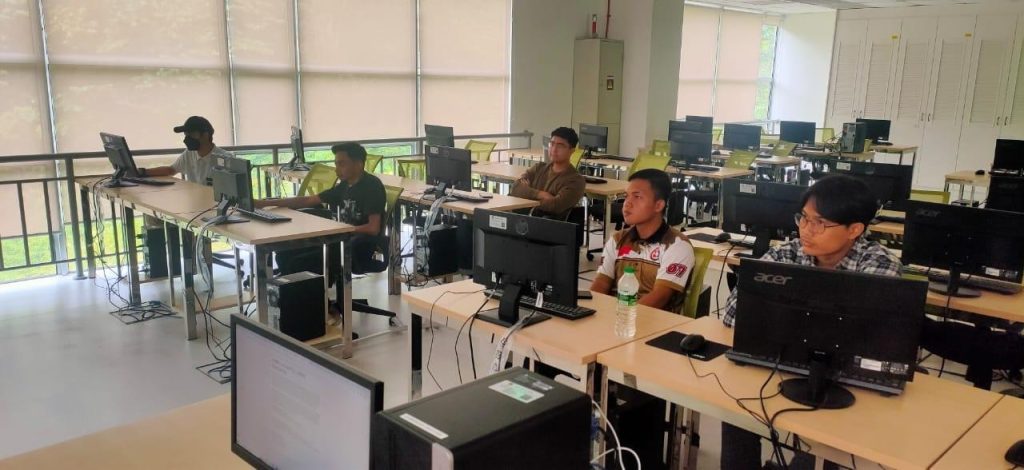
Access this link www.ukm.my/ptsl/?page_id=757 for more information and facilities provided in the libraries
3. Free Access To Online Resources
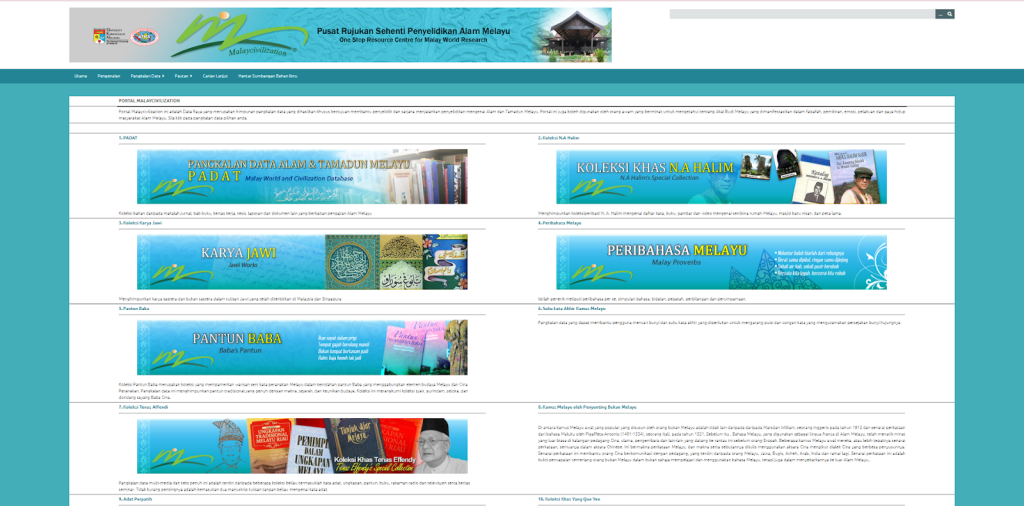
i. Malay Civilization Portal (Online Resource Center for Malay World Research)
Malaycivilization portal website provides free online resources and databases that contribute to lifelong learning opportunities aligned with SDG 4 (Quality Education). ATMA, acronym for Institute of the Malay World and Civilization, Universiti Kebangsaan Malaysia (UKM), promotes multi-disciplinary research on the Malay world. To-date, writings, published and unpublished, on Malay World Studies are scattered in various forms and under a number of different fields of studies and disciplines. As the corpus of such knowledge increases and becomes more varied, one major challenge is to provide a fast and efficient information retrieval system to fulfill the needs and requirements of researchers and scholars in Malay World Studies. This portal is set up to broaden and deepen research on Malay world studies.
This portal is a comprehensive database containing research papers, book chapters, conference proceedings, theses, reports and other documents related to Malay World and Civilization studies. It provides free access to a wealth of academic material and resources. Various Specialty Databases, the portal hosts over 24 niche databases related to different aspects of Malay culture, heritage and knowledge systems like:
- Malay Verbs
- Baba Malay pantuns
- Malay wood carving
- Malay martial arts (silat)
- Malay ethno-medicine
- Architectural heritage
These topic-specific databases collate scholarly works, multimedia, artifacts and preserve invaluable intellectual heritage freely accessible online.
- Digital Collections
It provides digital access to special collections like the N.A. Halim collection on Malay architecture, Yang Quee Yee’s Malay aphorism collection, Tenas Effendy’s works on Malay customs/pantuns, and early Malay-foreign dictionaries. - Journal Archives
The full archives of the scholarly Journal of Malay World and Civilization (SARI/ATMA Journal) are available for free online access. - Exhibits
The portal curates online exhibits like the Tenas Effendy collection, providing multimedia resources on Malay traditions and cultural heritage.
In essence, the Malaycivilization portal serves as a free, comprehensive online repository enabling global access to a vast array of resources, databases, digital collections and scholarly works related to Malay knowledge systems, culture, and civilizational heritage. This directly supports SDG 4’s target of providing equitable access to information and quality education resources.
For more information, can access Malaycivilization Portal through this link – malaycivilization.com.my
UKM demonstrates a strong commitment to promoting lifelong learning and equitable access to education through various free and accessible initiatives such as the UKM MOOC, Malaycivilization Portal, and open access to campus facilities and libraries. These resources not only extend learning opportunities beyond the university community but also empower individuals from all backgrounds to gain new skills, explore knowledge and engage in continuous personal and professional development. By offering digital platforms, open databases and inclusive educational programs, UKM nurtures a culture of lifelong learning and knowledge sharing that benefits students, scholars, and the wider public. This inclusive approach strengthens UKM’s role as a national leader in advancing Sustainable Development Goal 4 (Quality Education), ensuring that education remains accessible, relevant and transformative for all.