

Ensure availability and sustainable management of water and sanitation for all
SDG 6 Indicator
6.5 – Water in the community
6.5.4 – Sustainable water extraction on campus
Sustainable water extraction at Universiti Kebangsaan Malaysia (UKM) is a fundamental aspect of the university’s commitment to environmental stewardship and resource management. By implementing practices such as the use of tube wells and rainwater harvesting systems, UKM ensures that water is sourced responsibly and efficiently to meet the needs of its campus community. This approach not only reduces dependence on treated water but also minimizes the environmental impact of water extraction, supporting the university’s broader sustainability goals. Through ongoing monitoring and research, UKM continually seeks to enhance its water management strategies, promoting a sustainable future for both the institution and the surrounding ecosystem.
Summary of the sustainable water extraction program on campus
| No | Sustainable water extraction programs on campus |
|---|---|
| 1 | Tube Well |
| 2 | Rainwater Harvesting |
| 3 | UKM Lakes |
| 4 | Main water reservoirs in UKM |
1. Tube Well
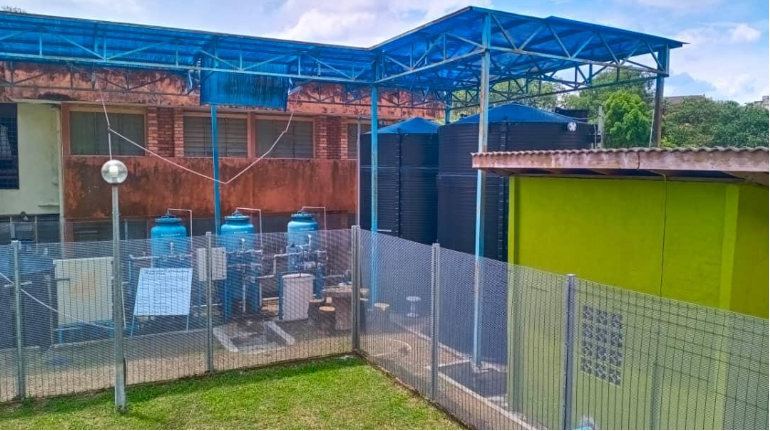
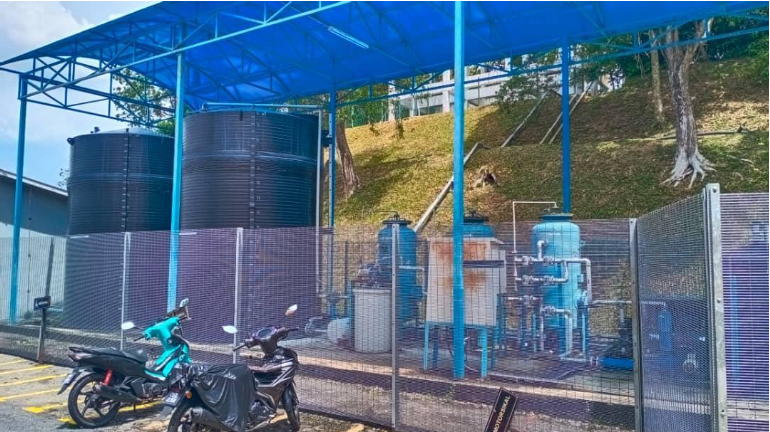
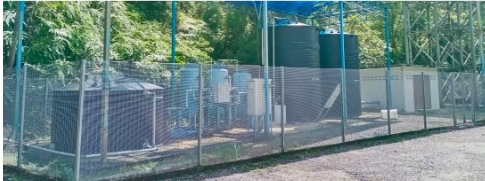
At UKM, tube wells are integral to the university’s sustainable water management strategy, providing a reliable source of groundwater for irrigation and landscaping purposes. By utilizing these wells, UKM reduces its reliance on treated water, promoting water conservation and ensuring the maintenance of its green campus. Additionally, tube wells support research initiatives aimed at studying groundwater quality and the ecological impacts of water extraction, reinforcing UKM commitment to environmental stewardship and innovation in water resource management. Through these efforts, UKM exemplifies its dedication to fostering sustainable practices and addressing water resource challenges within the community. Tube wells are installed at three residential colleges: Ungku Omar College, Aminuddin Baki College and Burhanuddin Helmi College, with a combined capacity of 39,625.80 gallons. This ensures that the campus remains resilient in times of water scarcity and helps reduce dependence on external water supplies.
Water scarcity and environmental sustainability are global challenges and UKM is committed to addressing these issues through proactive water conservation efforts. As a significant water consumer, UKM has implemented various initiatives to reduce water usage, minimize waste and promote water recycling on campus. These activities not only reduce the environmental impact but also encourage sustainable practices within the campus community. One key initiative is the distribution of water efficiency campaign posters around the university, aimed at raising awareness and encouraging the responsible use of water resources among students, staff and visitors. This campaign emphasizes the importance of water conservation and offers practical tips for reducing water consumption across all areas of campus life.
2. Rainwater Harvesting
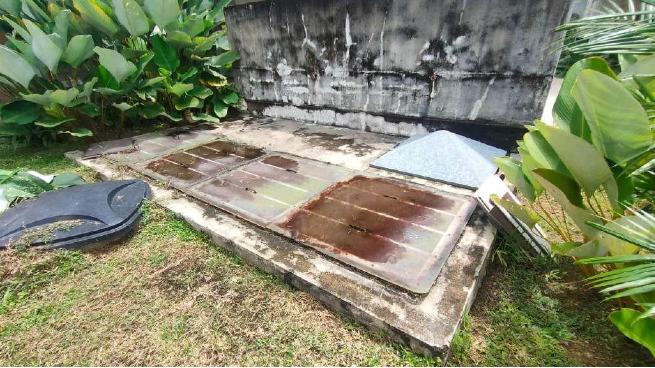
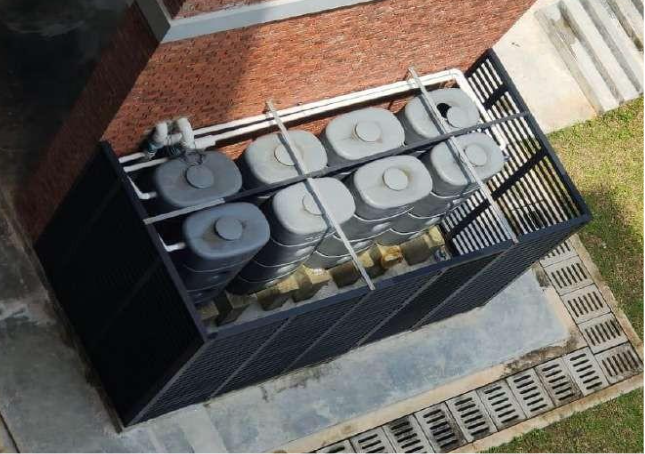
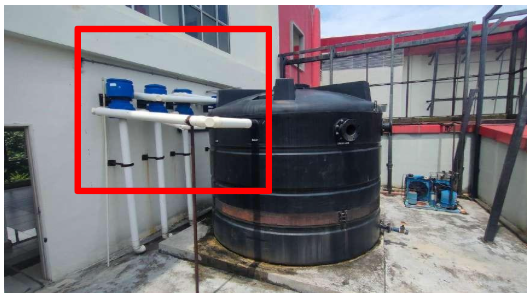
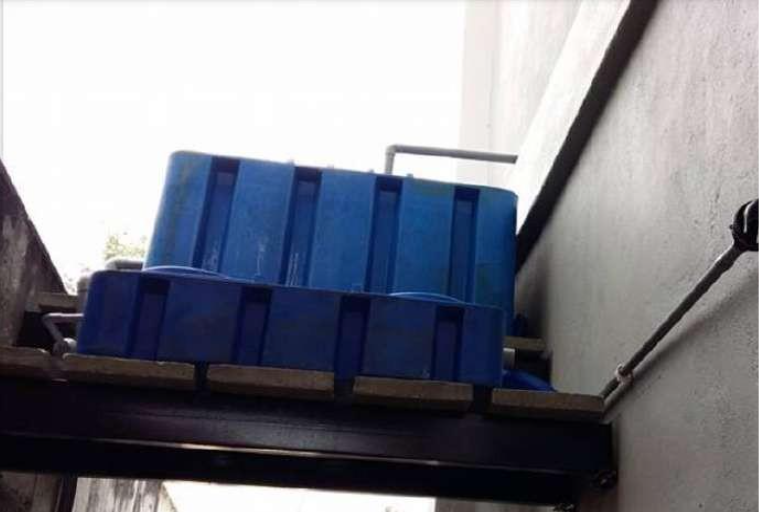
Rainwater harvesting at UKM involves collecting and storing rainwater for various uses, such as irrigation and non-potable applications such as toilet flushing. This initiative promotes water conservation, reduces dependence on treated water, and supports sustainable practices on campus. The system includes catchment areas, storage tanks, and filtration processes to ensure the harvested water is clean and usable. By implementing rainwater harvesting, UKM enhances its commitment to environmental sustainability and efficient resource management. Rainwater harvesting systems have been installed at four strategic locations, with a total capacity of 7,586 gallons. The harvested rainwater is primarily used for landscaping, outdoor cleaning and toilet flushing, which significantly reduces potable water consumption. For instance, a building on campus utilizes rainwater for various functions, such as watering plants, cleaning floors and other external uses, showcasing UKM commitment to sustainable resource management.
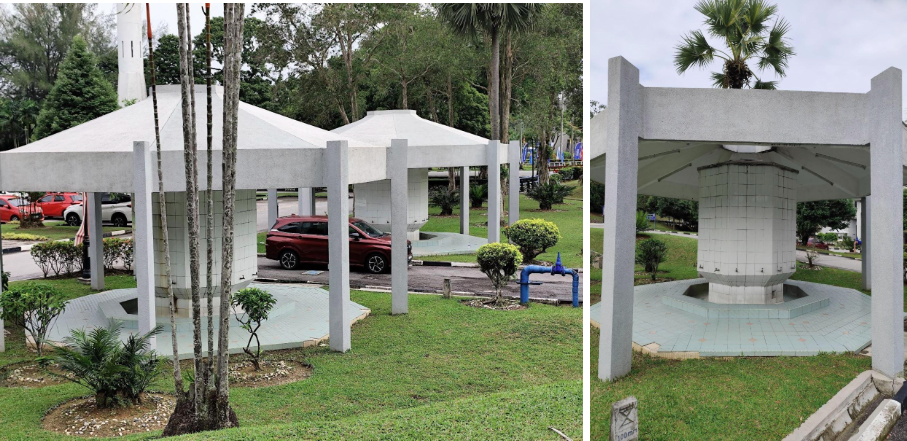
3. UKM Lakes
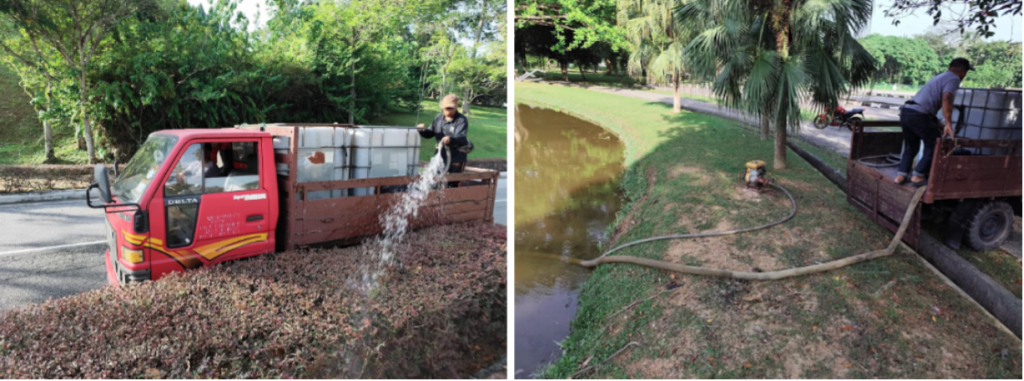
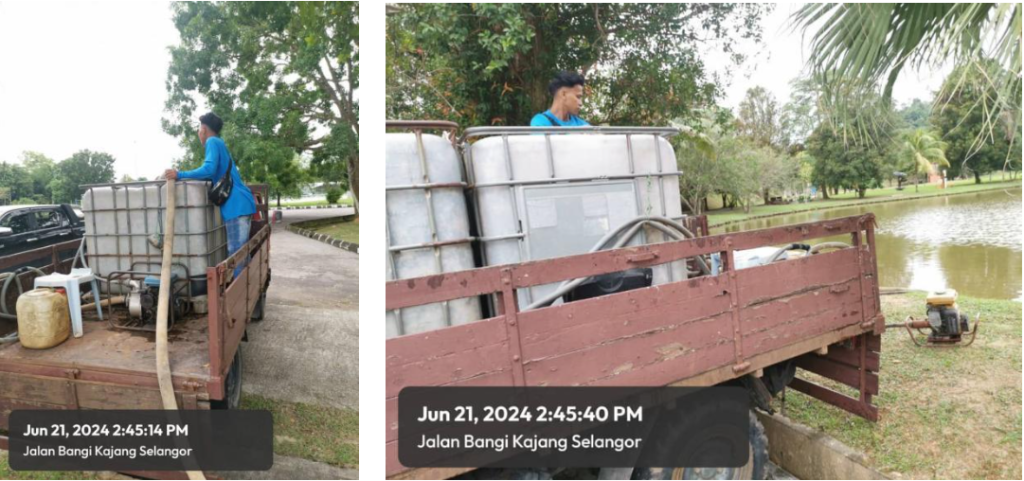
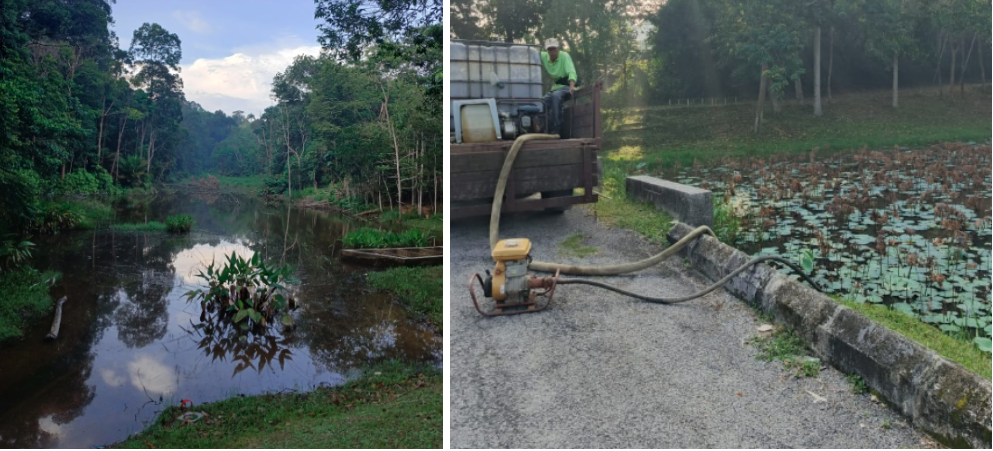
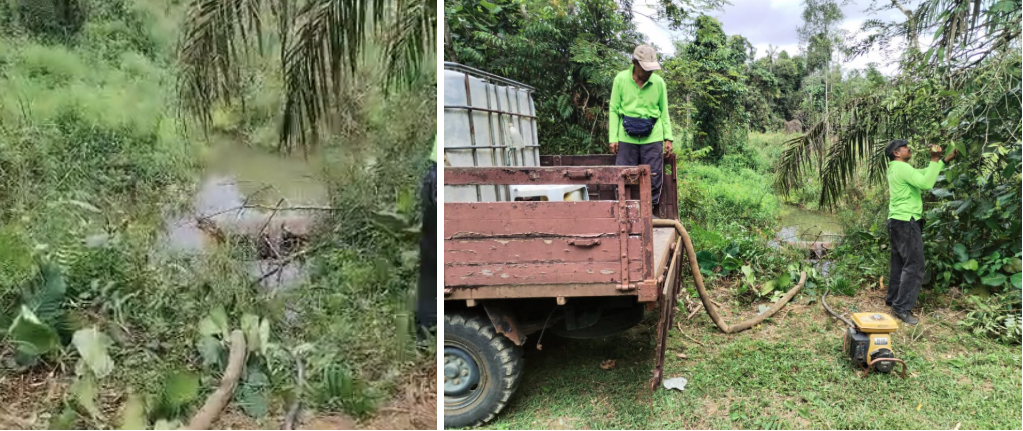
A significant example of UKM’s water reuse initiative is the repurposing of water collected from the Ghazali Lake, the Faculty of Science and Technology (FST), Faculty of Engineering and Built Environment (FKAB) Lake, Kesatria Lake UKM, Danau Lake UKM and Faculty of Information Science and Technology Lake UKM (3,679,948.91 gallons). This water is primarily used for irrigating the campus landscape, thereby reducing the need for additional freshwater resources. UKM utilizes lake water from the Faculty of Engineering and Built Environment (FKAB) Lake for daily landscaping irrigation, with a capacity of 1,000 liters per day, amounting to a total usage of 356,000 liters (approximately 79,252 gallons) annually.

drive.google.com/file/d/1jrpET_N_NkzYsSWieJMIYwrm9KvdRuJo/view?usp
4. Main water reservoirs in UKM
At UKM, the water management infrastructure includes strategically located main water reservoirs that ensure a reliable and sustainable water supply for the entire campus. The university has two key water distribution systems: Loop 1 and Loop 2;
- Loop 1 consists of two water tanks, each with a capacity of 1 million gallons.
- Loop 2 also has two tanks, with capacities of 800,000 gallons and 500,000 gallons, respectively.
These reservoirs play a vital role in maintaining water security on campus, supporting UKM’s sustainability efforts by ensuring efficient water storage and distribution. The infrastructure helps in managing the water supply during peak demand, as well as conserving water during times of surplus. This efficient water management system contributes significantly to UKM’s efforts in promoting sustainability and resource efficiency, aligning with the water conservation goals.
The presence of these water reservoirs underscores UKM commitment to sustainable water resource management, ensuring both environmental sustainability and operational resilience. Figure below shows the loops of the water distribution system in UKM Bangi.

