


Ensure access to affordable, reliable, sustainable and modern energy for all
SDG 7 Indicator
7.2 – University measures towards affordable and clean energy
7.2.2 – Upgrade Buildings to Higher Energy Efficiency
UKM is committed to transforming its campus into a model of energy efficiency by upgrading buildings with advanced, sustainable technologies. Through the integration of energy-efficient HVAC systems, smart lighting, renewable energy installations, and enhanced insulation, UKM is significantly reducing energy consumption, cutting costs, and lowering its carbon footprint. This initiative not only aligns with global sustainability standards but also reinforces UKM’s role as a leader in creating eco-friendly, future-ready educational environments.
Since 2015, Universiti Kebangsaan Malaysia (UKM) has been progressively implementing energy-efficient appliances across campus, with replacements carried out in stages according to campus needs and budget allocations. In 2024, UKM continued this initiative, resulting in more than 75.7% of appliances being energy-efficient. This commitment to energy conservation demonstrates UKM’s proactive approach to reducing energy consumption and enhancing sustainability, aligning with the university’s broader environmental goals.
Summary of the upgrade buildings to higher energy efficiency
| No | Element to upgrade buildings to higher energy efficiency at UKM |
|---|---|
| 1 | Energy efficient appliances |
| 2 | Implementation of Renewable Energy Sources in UKM |
| 3 | Smart Building Implementation and HVAC Upgrades |
1. Energy efficient appliances
UKM is dedicated to advancing energy efficiency across its campus, implementing sustainable upgrades that reduce energy consumption while enhancing environmental impact. By adopting energy-efficient technologies such as LED lighting, high-performance HVAC systems, and renewable energy sources. UKM is actively lowering its carbon footprint and operational costs. These initiatives embody UKM commitment to sustainable growth, creating a healthier, greener campus for future generations. The table below shows the energy efficient appliances usage at UKM.
Energy efficient appliances used in UKM
1. LEDs: campus outdoor lamp
UKM has replaced conventional lighting with high-efficiency LEDs in campus streets and building interiors, significantly reducing energy consumption while improving visibility and safety.
- Total energy-efficient appliances: 1,910
- Total conventional appliances: 1,025
- Total energy-efficient and conventional ones: 2,935
- Percentage of energy-efficient appliances to the total appliances (%): 65.08%


The UKM Stadium LED Floodlight Upgrade Project is a significant energy efficiency initiative aimed at reducing power consumption and operational costs while improving sports infrastructure.

2. Use of high efficiency LEDs in the campus building
- Total energy-efficient appliances: 129,858
- Total conventional appliances: 42,612
- Total energy-efficient and conventional ones: 172,470
- Percentage of energy-efficient appliances to the total appliances (%): 75.29%

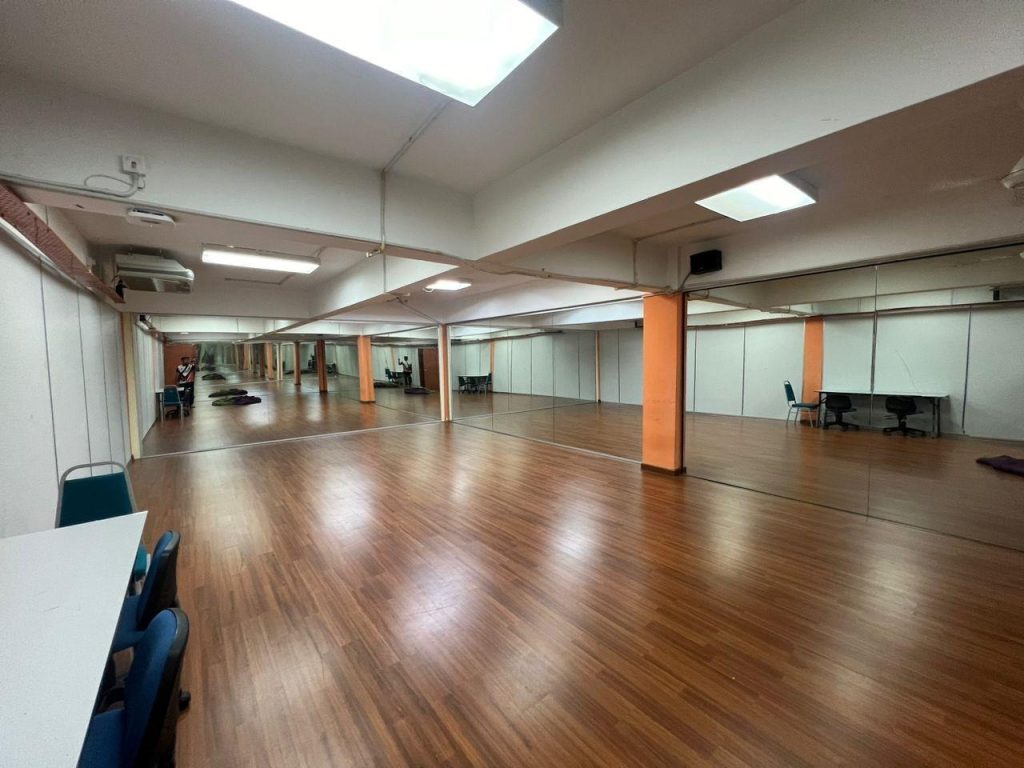
3. Use of eco-friendly air conditioner / energy-efficient appliances are A/C with inverter technology
The campus has installed inverter technology air conditioners that optimize energy use by adjusting power based on cooling needs, ensuring efficient operation and reducing energy waste.
- Total energy-efficient appliances: 1,765
- Total conventional appliances: 1,586
- Total energy-efficient and conventional ones: 3,351
- Percentage of energy-efficient appliances to the total appliances (%): 52.67%

4. Use of energy-saving computer / Star-certified computers
UKM prioritizes ENERGY STAR-certified computers and encourages the use of notebooks over personal computers as notebooks are more energy-efficient, aligning with the university’s commitment to reduce overall power usage. The inventory of the computer and laptop can be excess by the link https://docs.google.com/spreadsheets/d/1_4yfPfGLLs5zwfU3m17_-zHmTYg3gXqt/edit?gid=811058871#gid=811058871
- Total energy-efficient appliances: 9,672
- Total conventional appliances: 2,284
- Total energy-efficient and conventional ones: 11,956
- Percentage of energy-efficient appliances to the total appliances (%): 80.90%

5. 5 Star energy consumption fans at residential
In an effort to lower energy consumption, UKM has converted all fans, particularly in student residences, from AC to DC motor fans. These fans have a 5-star energy rating, consuming between 5-8 kWh, thereby contributing to substantial energy savings.
- Total energy-efficient appliances: 3,349
- Total conventional appliances: 0
- Total energy-efficient and conventional ones: 3,349
- Percentage of energy-efficient appliances to the total appliances (%): 100%

6. Energy meter reader
There are a total of 114 unit energy meter readers installed in each of the UKM buildings to measure the energy efficiency of each building and control electrical leakage. The electric meter readings will start to record/monitor the electricity used at the beginning of each month until the end of the month. The energy usage report must be submitted to Suruhanjaya Tenaga (ST) every six months.
- Total energy-efficient appliances: 114
- Total conventional appliances: 0
- Total energy-efficient and conventional ones: 114
- Percentage of energy-efficient appliances to the total appliances (%): 100%

TOTAL
- Total energy-efficient appliances: 146,668
- Total conventional appliances: 47,507
- Total energy-efficient and conventional ones: 194,175
- Percentage of energy-efficient appliances to the total appliances (%): 75.53%
Other energy-efficient appliances used in UKM
7. Solar Light Installation
Total of the 6 solar lamp had been install at Stadium UKM and 3 solar lamp at Arena Sukan Azman Hashim


8. Air Quality sensor in UKM Building
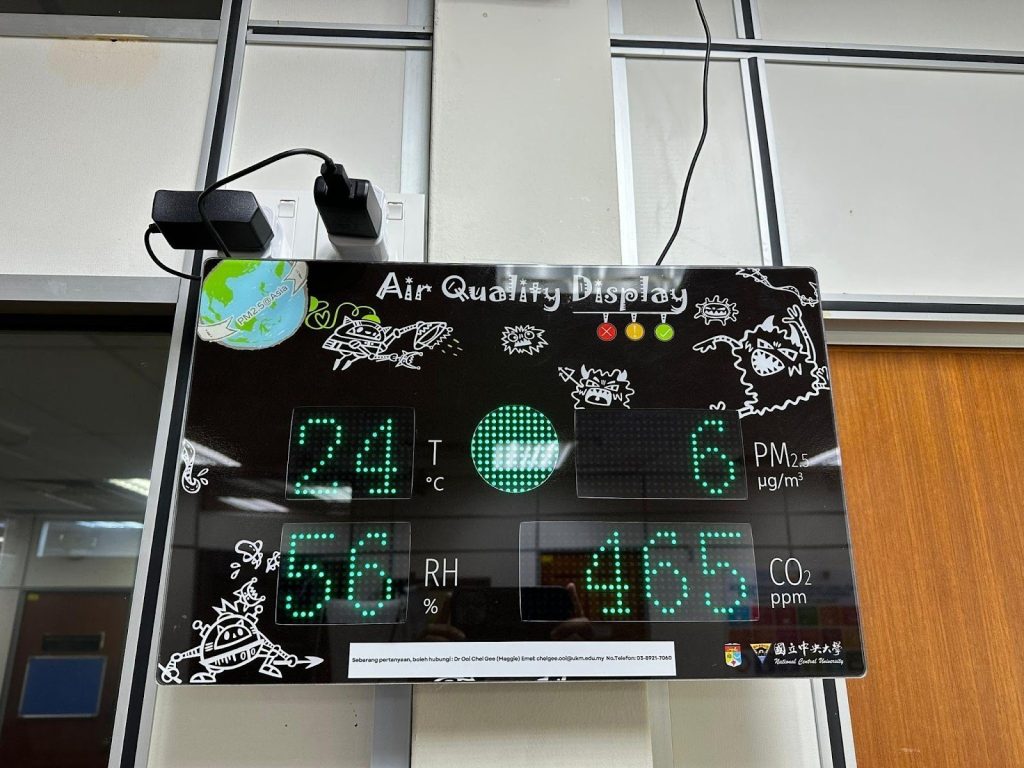
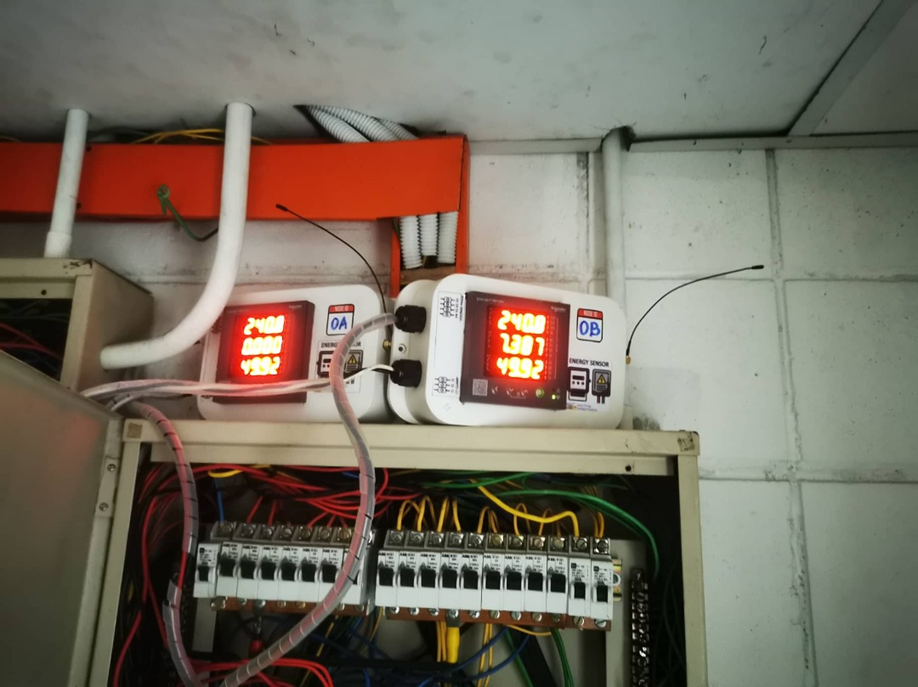
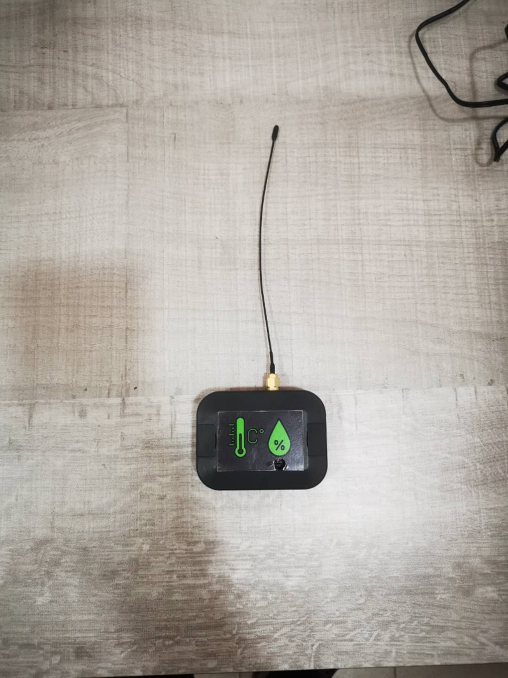
The air quality monitoring system at UKM is designed to track environmental conditions within facility buildings using a network of IoT-enabled sensors. These sensors include power meters, temperature and humidity sensors, deployed to monitor real-time conditions in one of the laboratories.
The image shows an air quality display panel mounted on the wall, which provides live data on various environmental parameters, including:
- Temperature (T): 24°C
- Relative Humidity (RH): 56%
- Particulate Matter (PM2.5): 6 µg/m³
- Carbon Dioxide (CO₂): 465 ppm
9. Energy Efficiency Brand photocopy
UKM has used Ricon photocopy in the administration office. Ricon is one of the brands that implement sustainability in their product (LINK). Ricon products also have the certificate under MyHIJAU (LINK).

MyHIJAU Mark is Malaysia’s official green recognition endorsed by the Government of Malaysia, bringing together certified green products and services that meet local and international environmental standards under one single mark.

10. District Cooling System (DCS)

A district cooling system (DCS) is a cooling system in which chilled water is produced by a plant and distributed to tenant buildings with insulating pipes. In UKM, there are two DCS in Loop 1 and Loop 2, which provides cooling systems for buildings in UKM, and has saved substantial electricity cost and space.
Almost all the main equipment in the plant uses a 415-Volt electricity supply with a total load of around 3.0 MVA. For energy-saving purposes, all motors are equipped with frequency inverters, and the control devices are placed in an air-conditioned room to maintain a controlled ambient operating temperature, ensuring optimal energy savings and the best possible lifespan. For fire safety, this room is also equipped with an environmentally friendly and user-friendly FM200 gas fire suppression system.
The DCS-TES plant system is fully controlled via computer. The control system, known as the “Thermal Energy Storage Control System” or TESCS, can operate either manually or automatically. When the system is set to “auto mode,” it will operate automatically according to the data programmed into it. It functions based on the load schedule or cooling load profile that has been pre-programmed in this control system.
The operating method of this cooling system plant can be carried out in several ways. When there is no cooling load requirement from the buildings, or when it is stopped at night, the chiller will be set to operate in order to produce chilled water for storage in the TES tank at a temperature of 4°C. The plant’s operating period during this time is referred to as “off-peak charging.” At night, the electricity tariff charged by Tenaga Nasional Berhad is lower, which helps reduce Universiti Kebangsaan Malaysia’s electricity consumption costs.
The system is also designed to allow a small amount of chilled water, supplied to the TES tank for storage, to be diverted to the reticulation piping for the building cooling systems that require it. However, the capacity that can be used directly in this way is limited.
The system also allows the chiller to send chilled water directly to the reticulation piping for the cooling system without passing through the TES tank. This can be done when the TES tank is not ready to receive chilled water for storage or when it is under maintenance. In this case, the supply temperature is 5.6°C.
A combination of supply from the chiller and the TES tank is common, especially during peak hours. The chiller will operate at a constant load, and any additional load required will be supplied by the TES tank. This operating mode benefits the chiller, as it allows it to function at maximum efficiency. When the cooling demand is low, the TES tank can supply the stored cooling energy using pumps without operating the chiller.
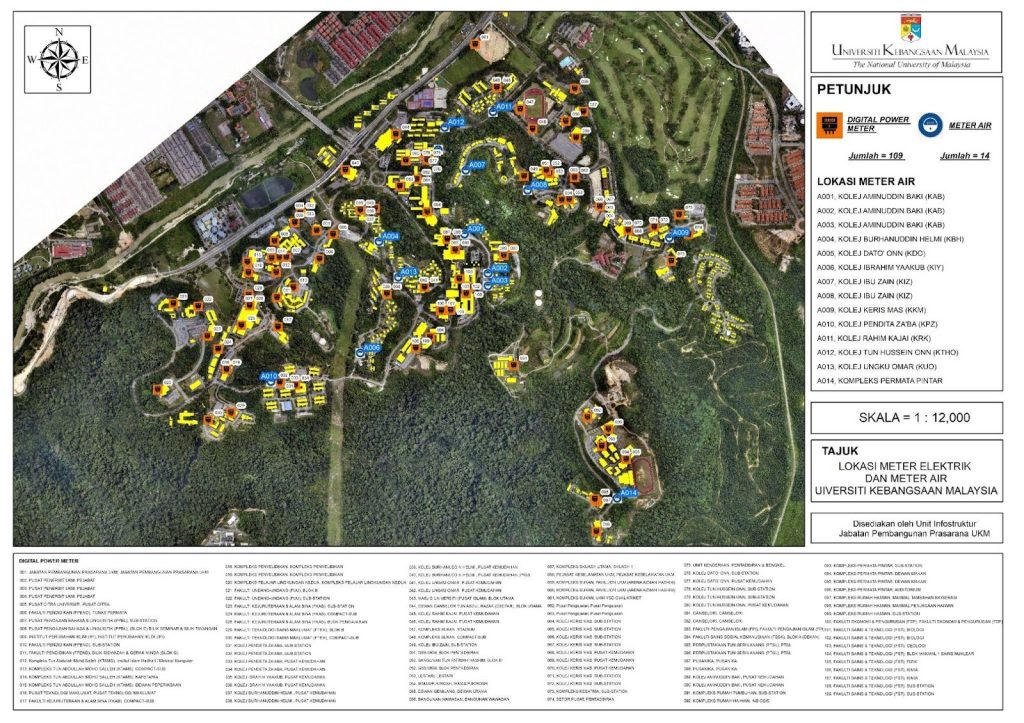
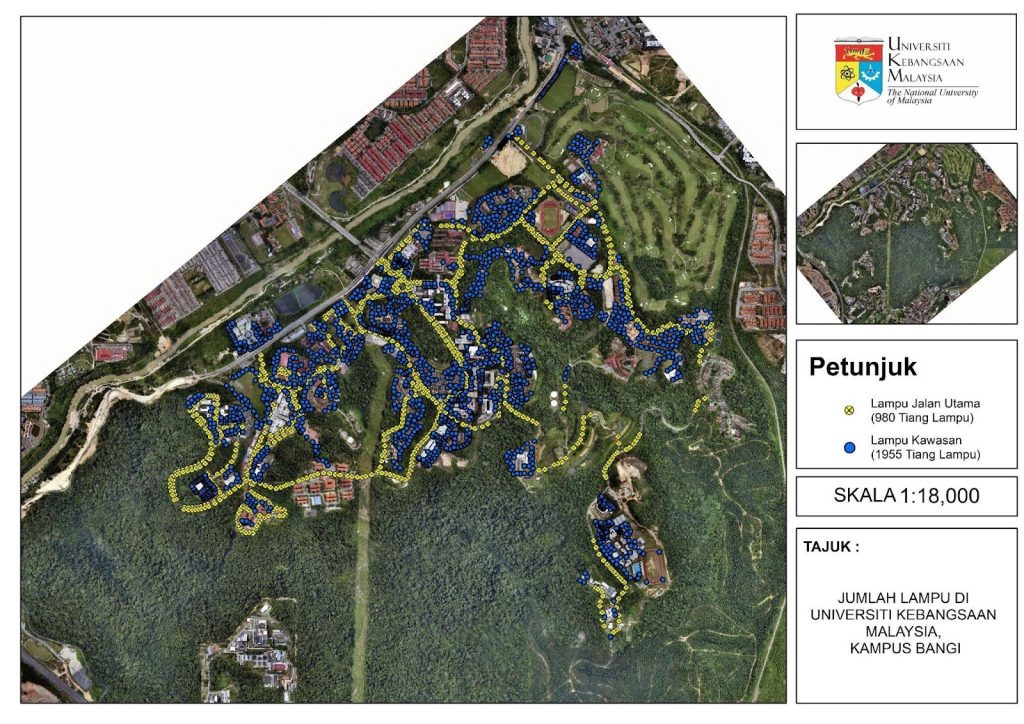
The map below illustrates 980 streetlights along main roads (yellow) and 1,955 area lights within campus zones (blue), making a total of 2,935 lights that support safety, accessibility, and sustainable campus infrastructure and distribution of 3,351 air cool split units (including 1765 inverter types) and 1910 total of LED lamps in UKM.

2. Implementation of Renewable Energy Sources in UKM
UKM has integrated renewable energy by installing solar panels on rooftops, generating clean energy and reducing reliance on external power sources. This initiative is a key part of UKM commitment to upgrading buildings for higher energy efficiency and sustainability.
UKM has made significant advancements in renewable energy on campus, supporting its commitment to sustainable energy and higher building efficiency. The university now operates three renewable energy sources such as solar power, biodiesel and clean biomass providing reliable, eco-friendly alternatives to conventional energy .These renewable energy initiatives collectively generate an estimated 2,014,601 kWh of electricity annually, underscoring UKM’s strong commitment to reducing its carbon footprint and advancing sustainable energy practices across campus facilities, as illustrated in the table below.
Capacity of renewable energy production in kWh
| No. | Renewable energy sources | Potential Capacity of Energy produced (kWh) |
|---|---|---|
| 1 | Solar power | 1,968,428 |
| 2 | Biodiesel | 46,156 |
| 3 | Clean biomass | 10 |
| 4 | Hydrogen Energy | 7 |
| Total estimated (kWh) | 2,014,601 | |
i. Solar power
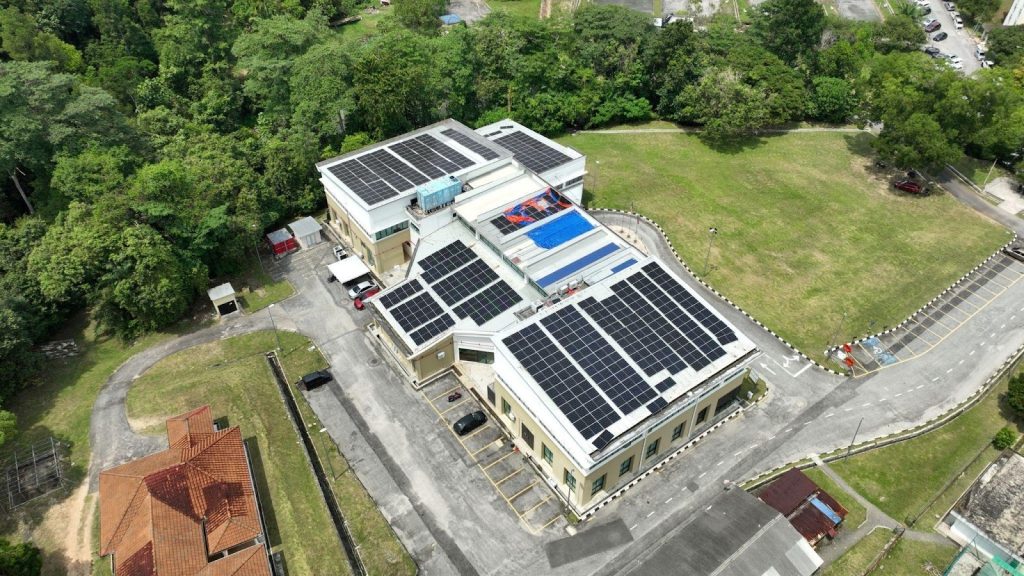
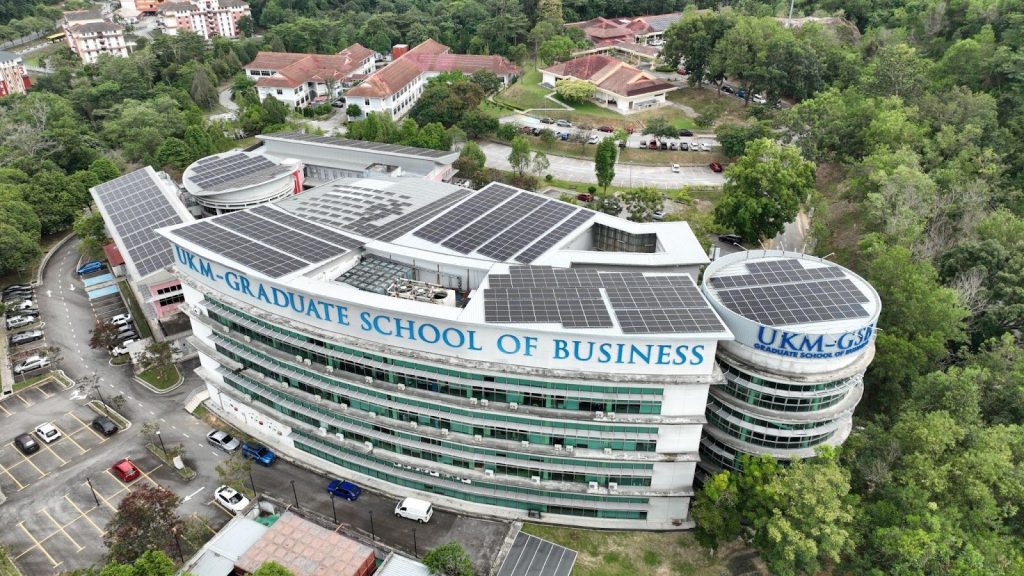
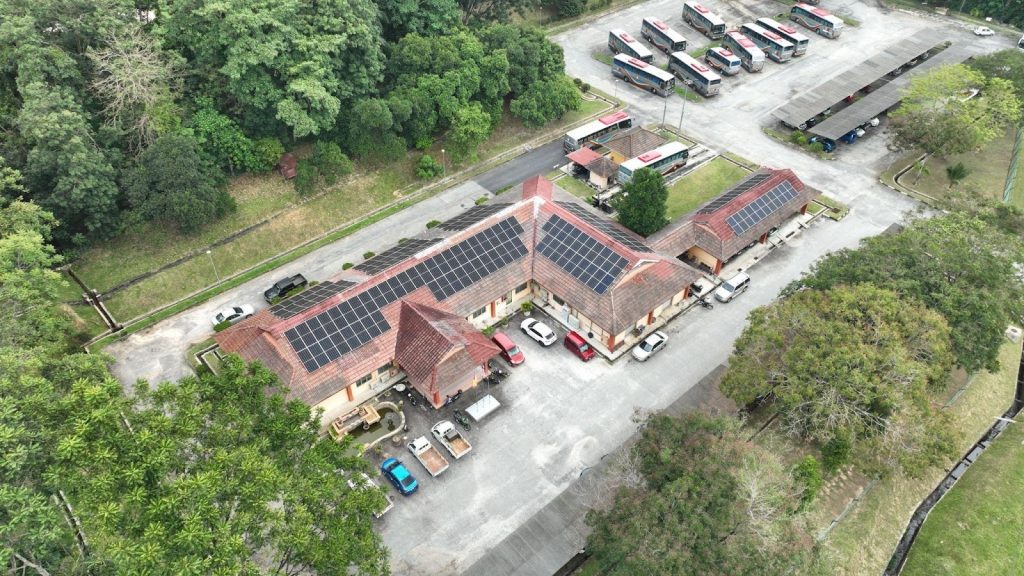
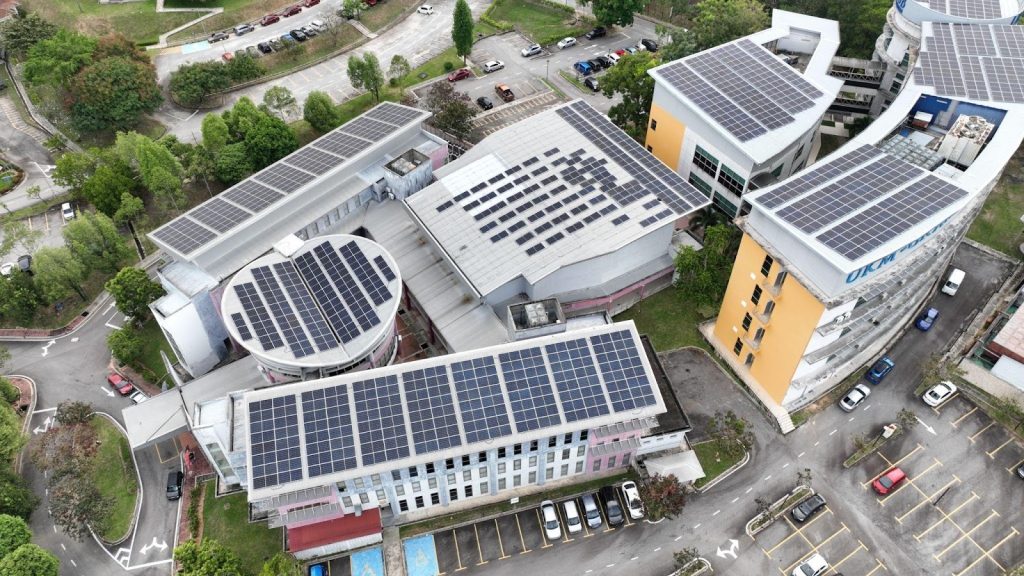
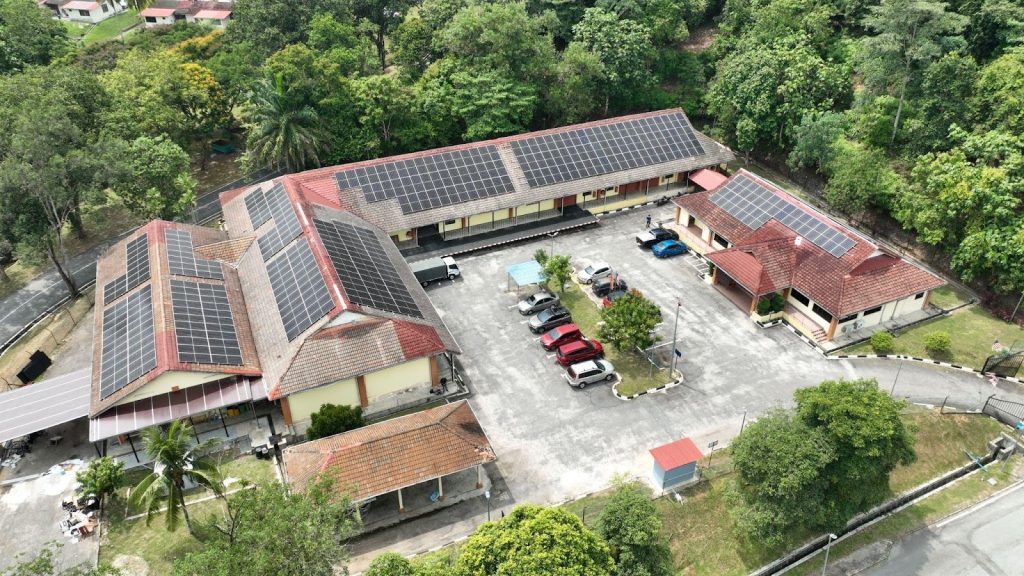
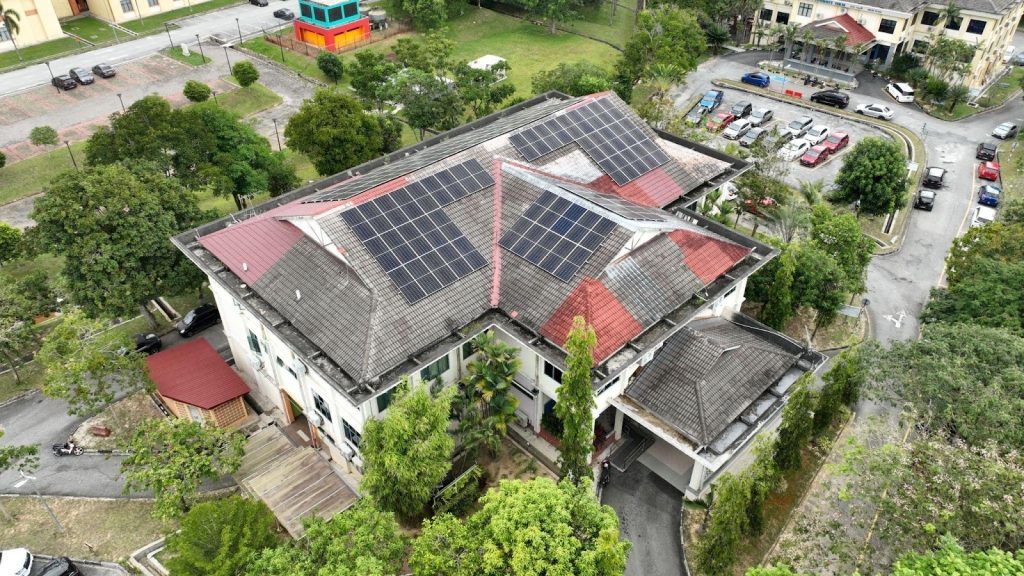
The UKM Solar Power project was implemented for the purpose of saving the university’s electricity costs . The solar panel has been installed on the roof of the UKM building involving 48 buildings while some of the buildings are in the middle of installation for mounting structure. This solar installation is part of a collaborative project by UKM and was officiated by the Malaysian Minister of Higher Education in 2023, marking a significant milestone in UKM’s long-term commitment to renewable energy and sustainable campus development.

Figure below show the example of solar panel that had been installed at UKM building
ii. Biodiesel
In its commitment to sustainable energy, UKM has implemented biodiesel production as part of its renewable energy strategy. Additionally, SELFUEL UKM is pioneering the production of hydrogen energy as a clean, alternative fuel source on campus . Figure below illustrates the hydrogen energy production process developed by SELFUEL UKM, showcasing UKM’s advancements in renewable and sustainable energy technologies.
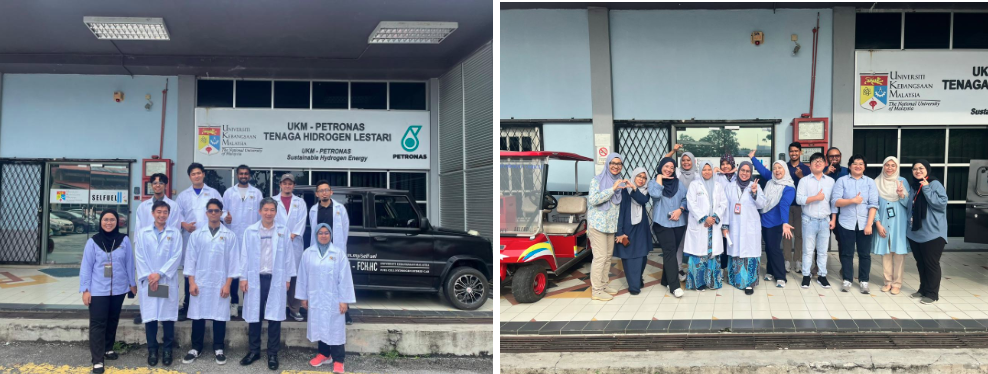

The table below outlines renewable energy generation at UKM, specifically detailing the hydrogen-based system at the Sustainable Hydrogen Energy, Fuel Cell Lab. Located within UKM, this system, with dimensions of 120 cm x 154 cm x 162 cm (H). This renewable source contributes significantly to UKM’s clean energy goals. Additional specifics and visuals of the system are provided in Figure below, supporting UKM’s commitment to sustainable energy solutions.

iii. Hydrogen Power System
In the era of global energy transition, the demand for clean and sustainable energy systems is becoming increasingly urgent. Hydrogen fuel cells have emerged as one of the key solutions in generating energy without carbon emissions. However, the main challenge in fuel cell systems lies in the safe and efficient storage and production of hydrogen.
This project develops a fuel cell power generation system using a solid hydrogen reactor, which enables on-demand hydrogen production through the reaction of water with sodium borohydride (NaBH₄). This system, conducted at the Fuel Cell Institute’s research facilities, involves the development of power generation systems with capacities of 2 kilowatt (kW) and 5 kW, equipped with a state-of-the-art gas purification system (Figure 2.5.6). This is the collaboration between the Fuel Cell Institute-UKM, UKM PAKARUNDING, NanoMalaysia Berhad, Nano Commerce Sdn. Bhd. and Limpahan Engineering Sdn. Bhd.
Figures 2.5.7a and 2.5.7b illustrate the application of the Solid-State Hydrogen Reactor System both within UKM’s Living Lab and in Orang Asli communities in the Living Lab area. At the UKM Living Lab, the system is used to power lights, fans and the PA system, showcasing its potential for sustainable campus operations. Meanwhile, its installation in Orang Asli villages provides a reliable and eco-friendly source of daily electricity, demonstrating UKM’s commitment to extending renewable energy innovations from research and development to real community applications.
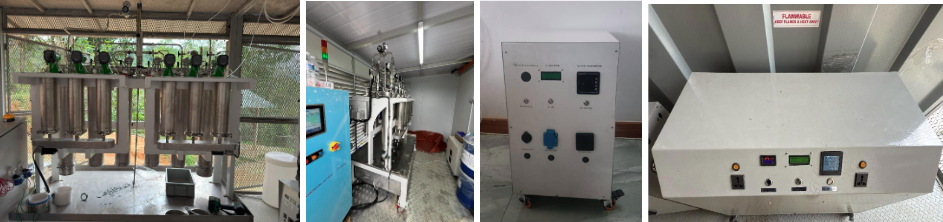
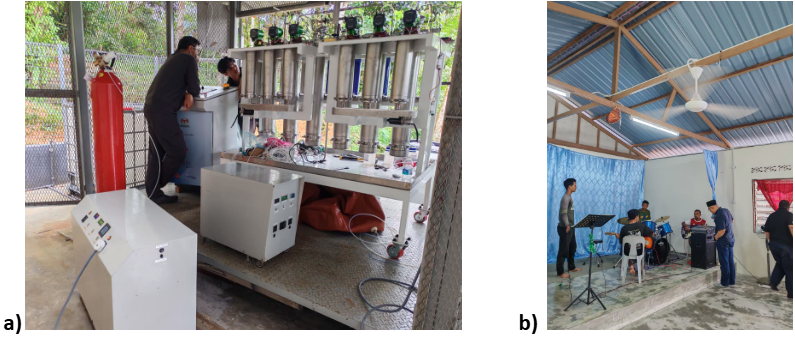
Figure b: The Solid-State Hydrogen Reactor System has been installed in Orang Asli villages to provide a reliable and sustainable source of daily electrical power.
v. Clean biomass
UKM has implemented an innovative biogas production system at the Tasik Chini Research Center (PPTC) (Figure 2.5.8), one of its living labs, to support green technology and environmental conservation. Known as the Biogas Technology Cockpit, this system generates 0.75 kg of methane (CH₄) from every kilogram of palm oil mill effluent (POME) processed, yielding an energy output of 10 kWh. This energy capacity is substantial, equivalent to powering an LED lamp for 1,050 hours or 43 days of continuous use, demonstrating UKM’s commitment to renewable energy and pollution reduction.

3. Smart Building Implementation and HVAC Upgrades
Universiti Kebangsaan Malaysia (UKM) Bangi has made substantial progress in implementing smart building technologies across campus. Buildings are designated as “smart” if they meet at least five essential features: automation, safety (physical security, sensors, CCTV), energy efficiency, water management (sanitation) and optimized lighting (low-power illumination). These features promote sustainable energy use and enhance the operational efficiency of UKM’s infrastructure.
As shown in Figure below, a significant portion of UKM Bangi’s campus buildings are equipped with these smart technologies, contributing to a 94.61% smart building implementation rate based on the total smart building area relative to UKM’s overall building area. This high percentage demonstrates UKM’s commitment to sustainable campus operations, aligning with global best practices in energy efficiency and resource management. The adoption of smart building features supports UKM’s strategic goals for environmental sustainability, further solidifying its position in the UI GreenMetric assessment for energy and climate impact.

Detail calculation on percentage of smart building available at UKM are shown below:

The smart building infrastructure component are listed below:
i. Automatic Systems in Smart Buildings at UKM Bangi
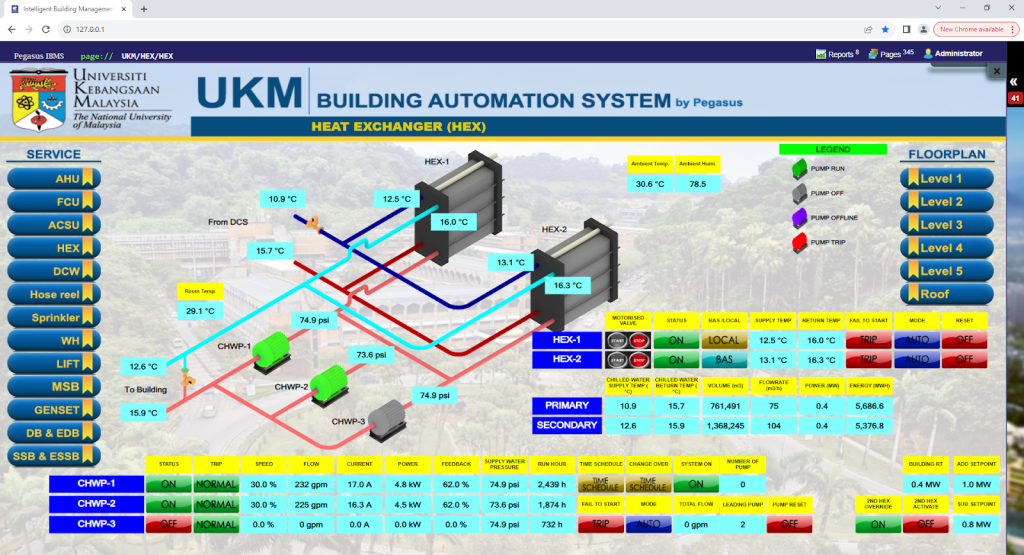
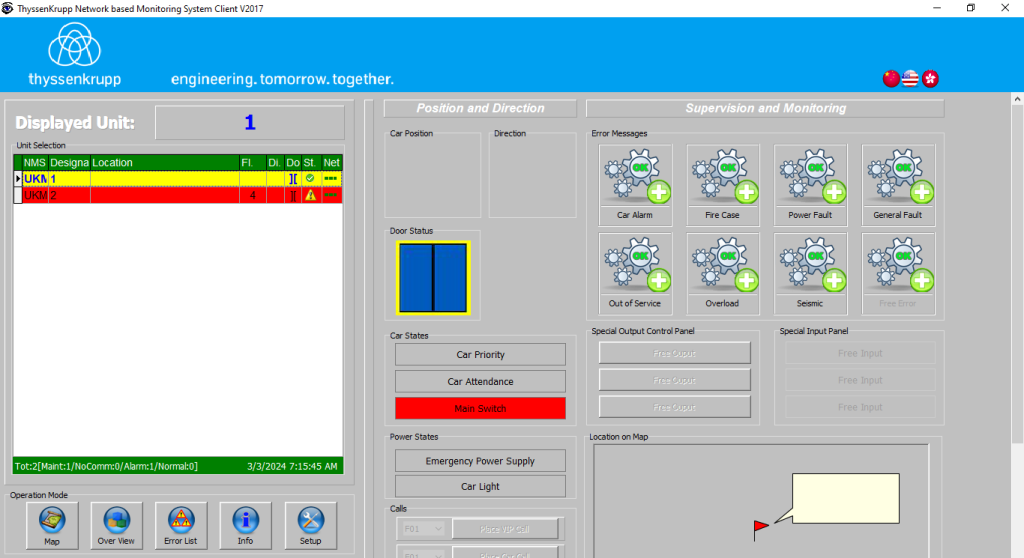
At UKM, the Building Management System (BMS) is a critical component of the university’s smart building infrastructure. The BMS software automates various functions across campus buildings, enhancing energy efficiency, security and operational control.This sophisticated system optimizes resource usage, lowers energy costs, and contributes significantly to UKM’s sustainability goals, reinforcing the university’s leadership in environmental and resource management.
ii. Safety Systems in Smart Buildings at UKM Bangi
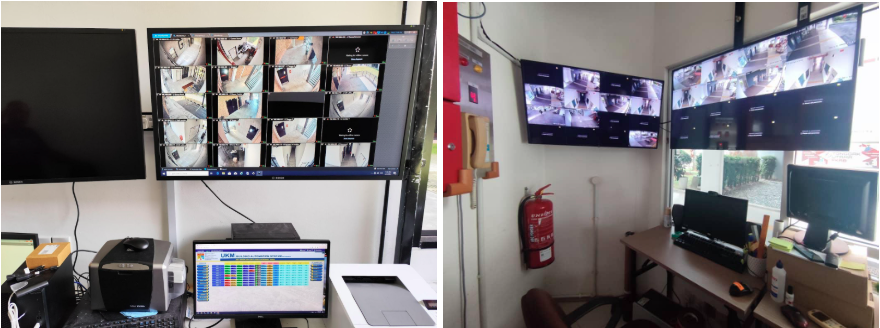
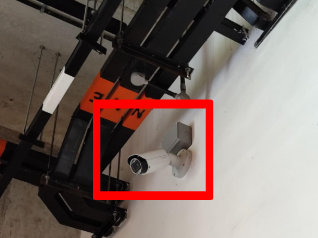
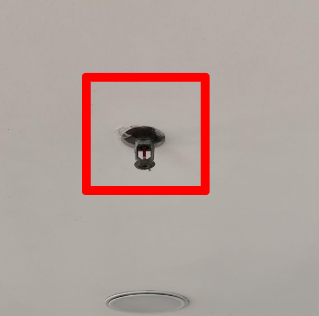
UKM integrates comprehensive safety systems within its Building Automation System (BAS) to safeguard students, staff and visitors. The BAS includes key protective features such as an Intruder Alarm System, fire-fighting capabilities and video surveillance to respond effectively to emergencies. These advanced safety features underscore UKM’s commitment to providing a secure environment and enhancing campus resilience through cutting-edge safety technology.


iii. Lighting Systems in Smart Buildings at UKM
The lighting systems within Universiti Kebangsaan Malaysia (UKM) smart buildings combine energy-efficient LEDs, automated light controls and passive natural lighting to enhance sustainability and reduce energy consumption. This combined approach to lighting demonstrates UKM’s commitment to sustainable practices by integrating energy-saving technology and maximizing natural resources within its campus infrastructure.


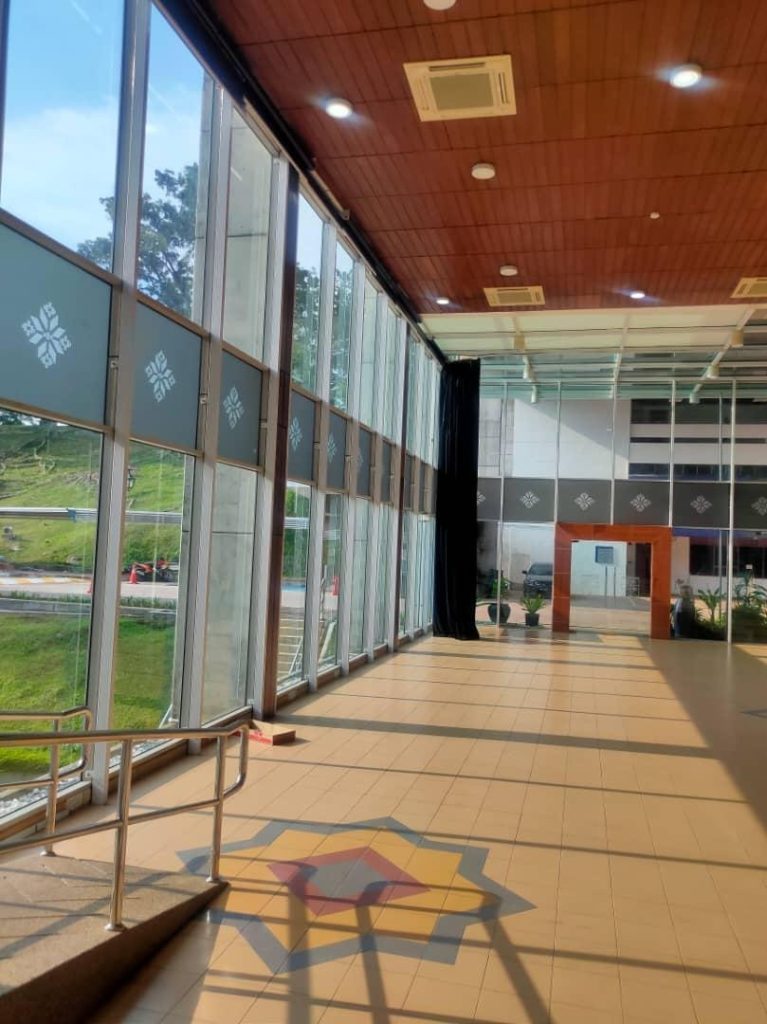
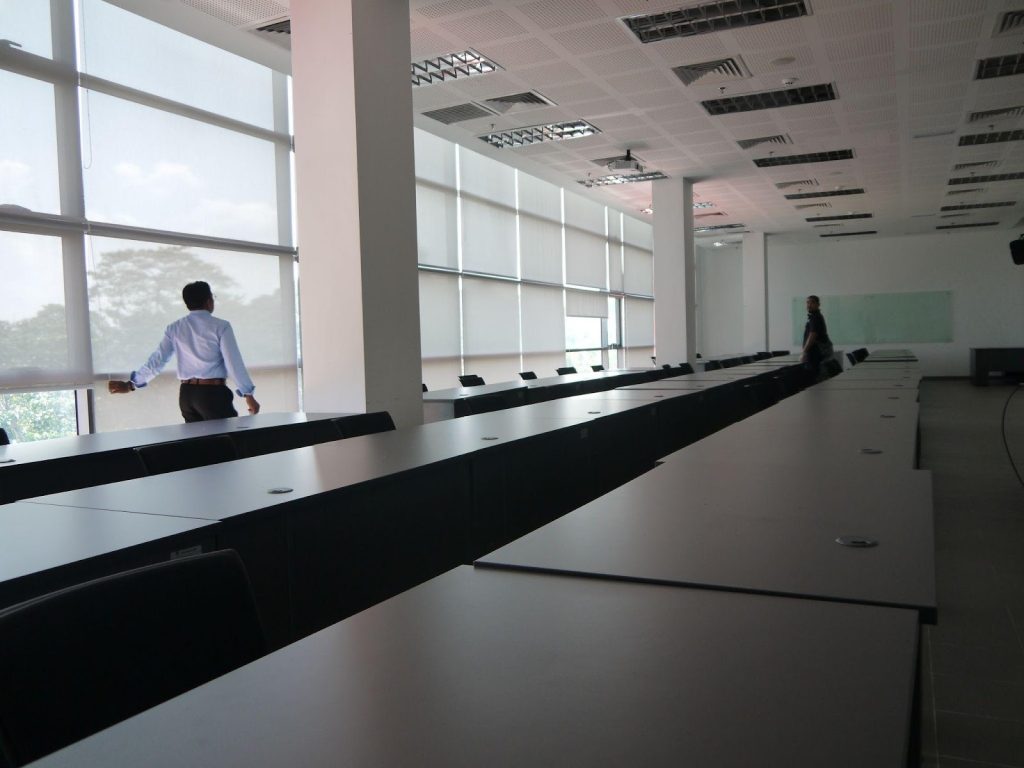

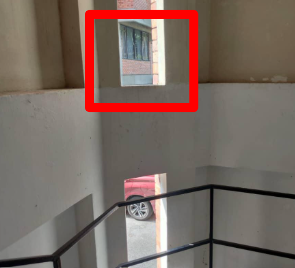
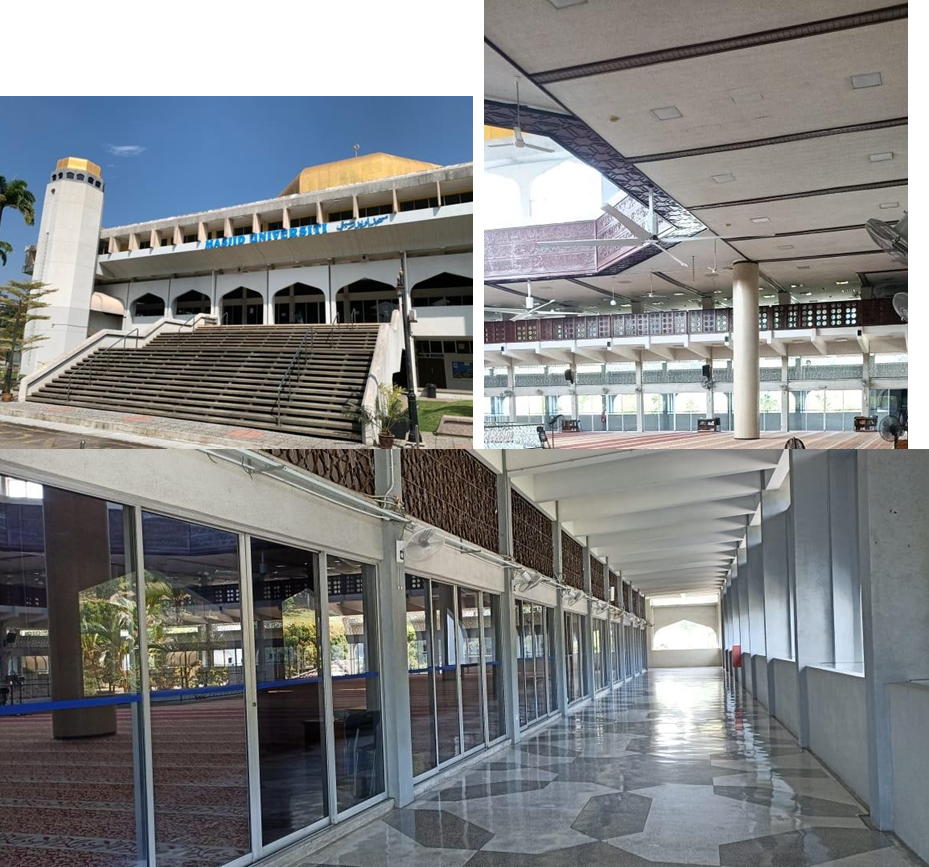
Buildings at UKM are designated as smart buildings, each equipped with at least five core smart building elements, including energy-efficient equipment such as LED lighting and automated systems. The Building Management System (BMS) enables centralized control over automated features like automatic doors, air conditioning, elevators, lighting and security alarms, enhancing both efficiency and security. An example of a list of buildings utilizing smart building technology is provided in Table below.
The Akademi Siber Teknopolis (AST) is one of UKM’s larger smart buildings, designed with sustainability in mind. Its glass-based structure maximizes natural daylight, reducing the need for artificial lighting during daylight hours. Additionally, the use of LED lighting throughout the building contributes significantly to energy savings, aligning with UKM’s commitment to sustainable building practices. This thoughtful integration of smart and sustainable elements underscores UKM’s dedication to energy efficiency and environmental responsibility.
Table : Smart buildings in UKM
1. UKM Akademia Siber Teknopolis (AST)

2. UKM Building Graduate School ff Business (GSB)

3. UKM, Research Complex
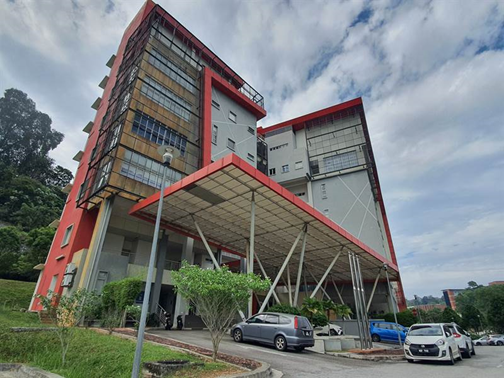
4. UKM, Language, Media and STEM Research Laboratory
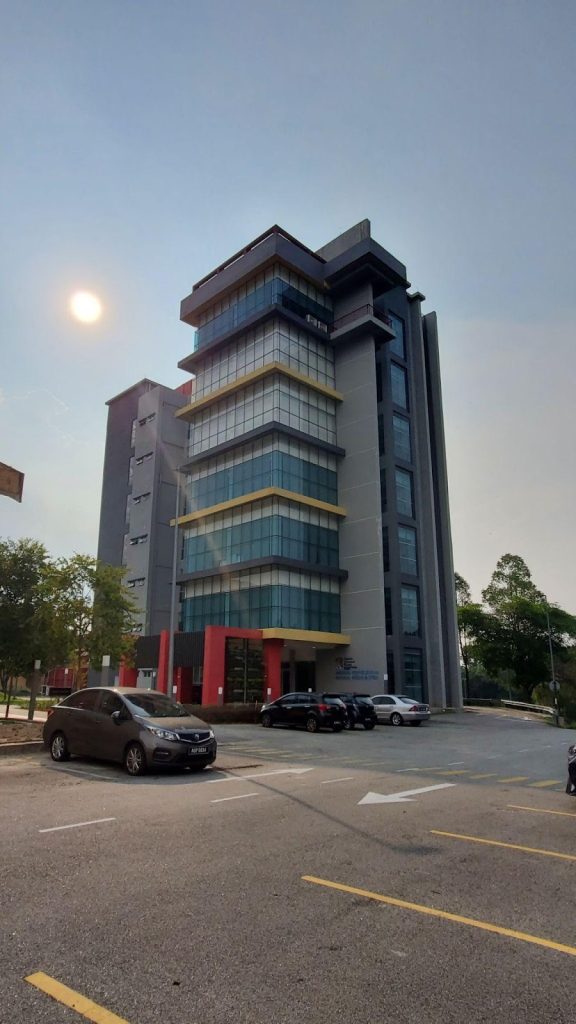
5. Faculty of Engineering and the Built Environment

6. Department of Infrastructure Development UKM (JPP)
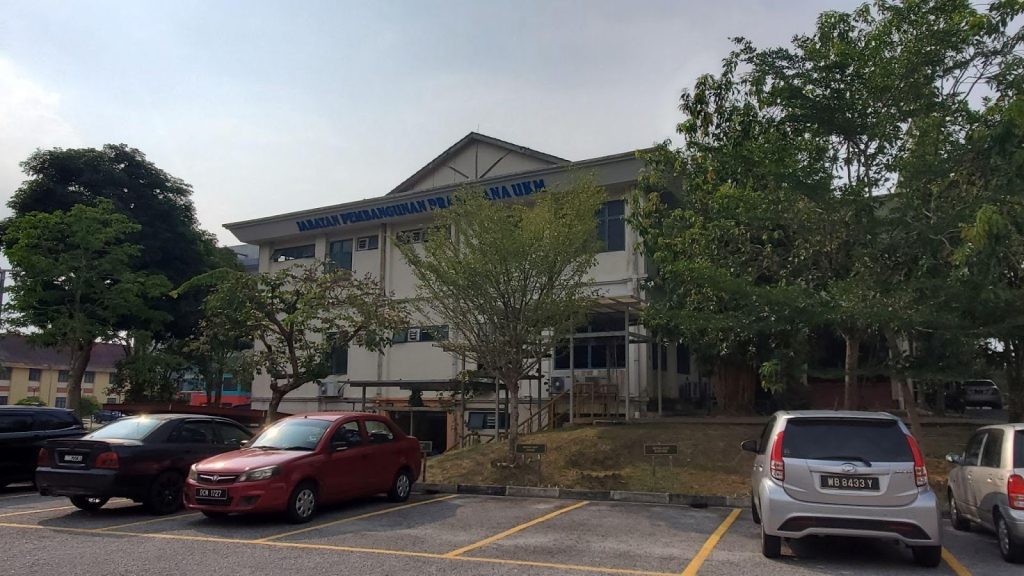
7. UKM, Liberal Studies
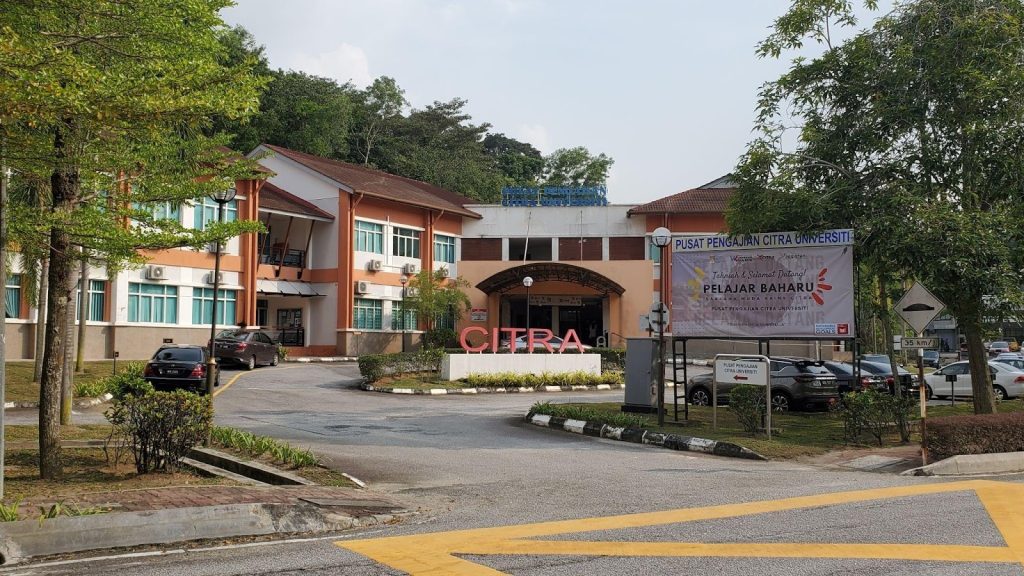
8. UKM, Faculty of Information Science and Technology

9. UKM, Faculty of Science and Technology

10. UKM Chancellory

11. UKM, Permata Pintar Center

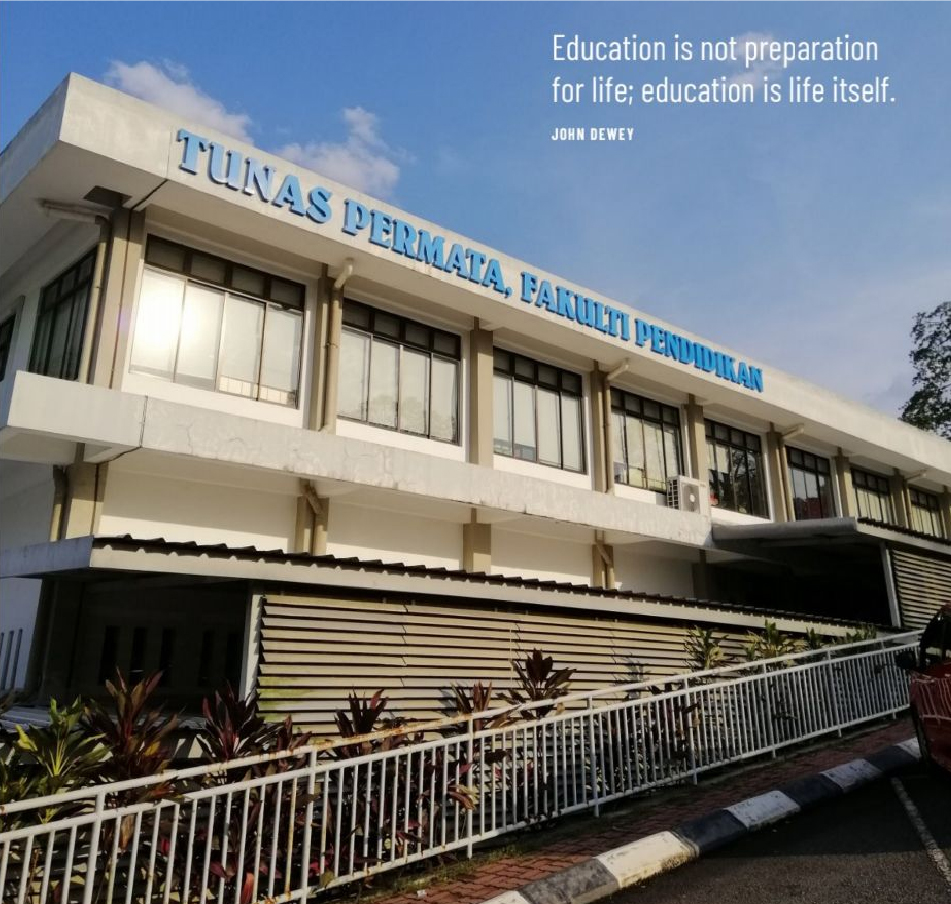
12. UKM, Tunas Permata
13. UKM Mosque
