
Strengthen the means of implementation and revitalize the Global Partnership for Sustainable Development
SDG 17 Indicator
17.4 – Education for the SDGs
17.4.3 – Education for SDGs in the wider community
Universiti Kebangsaan Malaysia (UKM) delivers dedicated educational outreach beyond campus through community-based programmes, open online courses and professional learning opportunities, extending university knowledge to local residents, alumni, indigenous communities and underserved populations. In 2025, these activities included environmental sustainability education for more than 120 participants in Kuala Kedah, robotics and inclusive learning activities for Orang Asli communities in Tasik Chini, and practical STEM education for 30 marginalised, undocumented and stateless children at Buku Jalanan Chow Kit. Outreach to refugee communities included food-security and hygiene knowledge sharing, complemented by a 250-participant symposium involving refugee representatives, government agencies and humanitarian organisations. Together, these initiatives connect accessible learning with sustainability awareness, practical skills, and community needs, advancing SDG 17: Partnerships for the Goals.
Summary of the programs
| No | List of the collaboration |
|---|---|
| 1 | Educational Outreach Activities for Alumni i. UKM MOOC System (UKM Massive Open Online Courses) ii. UKM Shape Professional Certificate |
| 2 | Educational Outreach Activities for Local Community i. SULAM ASLI – Pimpin Jalinan Mesra Watan @ Chini 2025 ii. Environmental Sustainability Literacy Programme iii. Community Education and Skills Outreach at Pos Lemoi, Pahang |
| 3 | Educational Outreach Activities for Displaced People i. Creative Recycling: Empowering Young Innovators – STEM Educational Outreach for Marginalised, Undocumented and Stateless Children ii. AROMA FSSK: Dari Dapur × KIZ – Community Food Security and Knowledge Transfer Programme for Refugee Families iii. Symposium on Alternatives to Detention for Unaccompanied and Separated Refugee Children in Malaysia iv. Community Service Programme at Buku Jalanan Chow Kit School, Kuala Lumpur: Enhancing Educational Access for Underprivileged Children |
1. Educational Outreach Activities for Alumni
i. UKM MOOC System (UKM Massive Open Online Courses)
UKM continues implementing an education for SDGs in the wider community in line with the university’s agenda to increase generation, the UKM MOOC system (UKM Massive Open Online Courses) has been developed. This initiative involves offering courses for internal students as well as external students who are not registered with UKM (alumni, local community, displaced people and refugees). Students are also exposed to global learning which in turn supports the university’s agenda to improve the marketability of graduates.
Source: https://mooc.ukm.my/
| No | Open Courses | Categories | Course synopsis |
| 1 | Academic courses | Social Science | – Professional Certificate in Social – Services MOOC UNESCO – UKM: Media and Information Literacy |
| Education | – Start Your MOOC (Student) – Start Your MOOC (Lecturer) – Redesign Learning Resources – Digital Learning with the Apple Ecosystem Academic Writing Skills | ||
| Health Science | – Osteoporosis, Prevention & Living Well – Knee Osteoarthritis and Self Management – Vestibular and Balance in Adults and Geriatrics – Neuroscience in Psychiatry (Neurophysiology) – Hearing Problems Among Children Non-specific Low Back Pain (NSLBP) – Dangerous Decibel Levels | ||
| Medical | – Mental Health Nursing – Physics of Ultrasound Imaging – Hypothesis Testing Using Medical Statistics | ||
| Engineering | – UKM-UDE 101 – Flow-induced vibration simulation – introduction – Data Foundations of Science in Transportation – Basics of Urban Transport | ||
| Islamic Studies | Islamic Media & Technology | ||
| Biology | Transcriptomics: Principles and Applications | ||
| Information Technology | Cybersecurity Capture-the-Flag (CTF) Training Program | ||
| Food Science | – Examination Methods in Food Microbiology – Identification of Foodborne Pathogens Using Imaging Techniques – Pathogenic Microorganisms in Food – Beneficial Microorganisms in Food Production | ||
| 2 | Competency courses | Modul Pembangunan KursusImmersive Learning with Metagogy and Metaverse | |
| 3 | General knowledge courses | i. Understanding of Human Helminths: From Life Cycle to Control ii. Understanding Dementia iii. Critical Appraisal in Nutrition And dietetics iv. Walk Better: Understanding Your Everyday Movement v. Discovering Generative Artificial Intelligence (AI) vi. Counselling Skills in Dietetics vii. Bibliographic Software: Mendeley viii. Protozoa and Humans |
ii. UKM Shape Professional Certificate
UKM Shape Professional Certificate is an initiative under Universiti Kebangsaan Malaysia’s (UKM) efforts to support lifelong learning and professional development. This program offers professional certificates in various fields, designed to provide practical skills and knowledge for both UKM students and the broader community.
Source: www.ukm.my/studyukm/professional-certificate
| No | Professional Certificates | Course synopsis |
|---|---|---|
| 1 | Professional Certificate in Medicolegal in Healthcare Practice | The purpose of the course is to provide an exposure and knowledge enhancement regarding medicolegal aspects of healthcare practices. The course contents which includes introduction to medicolegal, issues and risk in medicolegal as well as approach in handling complaints are suitable for medical and healthcare providers, as well as other healthcare professionals and administrators working directly or indirectly in the disciplines involving quality of healthcare, patient safety and clinical risk management. The course will be delivered via lectures, case discussions, and observation sessions. |
| 2 | Professional Certificate in Health Education through active learning | Discuss the framework activities and basic theories that form the basis of active This program aims to train lecturers who can practice active learning during Learning and Education activities in courses related to clinical skills and health sciences. The teaching learning methods will involve short concept videos, case based discussions and mini teaching appraisals. An introduction of scholarship of teaching learning will also be discussed. |
| 3 | Professional Certificate in Data Analytics | This program produces a new era human capital that has the following characteristics: • OPP1: sensitive to the knowledge of the field of data analytics to be applied to the world of work that underlies the development of the country according to the development of technology IR4.0. • OPP2: has high soft skills that are responsible, competent, and knowledgeable in performing work in the field of data analysis according to the needs of the country and the global community. • OPP3: creative in problem solving, communication as well as open -minded in entrepreneurs based on data analytics scientific approach. |
| 4 | Professional Certificate in Halal Pharmapreneur | The halal pharmaceutical industry gives Muslims the option to choose the most appropriate use of medicine accordingly. In line with this development, community pharmacies are also using a new approach in applying the concept of halal and shariah -compliant entrepreneurship in business, based on the term ‘Halal Pharmapreneur’. ‘Pharmapreneur’ refers to an entrepreneur in the field of community pharmacy. A ‘Pharmapreneur’ applies appropriate knowledge of pharmaceutical science, in performing patient care and problem solving, delving into healthcare laws, policy changes, innovating in the pharmaceutical business as well as strengthening the community pharmacy business. Halal Pharmapreneurs use the halal-centric concept in their business models. |
| 5 | Professional Certificate in Ageing & Geriatric | The objective of this course is to provide knowledge in the care of older adults to improve their independent skills. The course will be delivered through lectures, practical sessions, field works and visits. Assessments of the course will be done through continuous examination, practical examination, assignment and presentation. |
| 6 | Professional Certificate in Regulatory Affairs of Herbs Supplements & Cosmetics | The era of biotechnology has brought rapid development and progress in various industrial fields in Malaysia and around the world, this development includes the development of health products such as herbal medicines, health supplements, and cosmetics. The exponential regulatory system gives the impression that knowledge in the field of health product development is complex and difficult to understand. This causes many controversial issues regarding the results of health and cosmetic products. Therefore, the purpose of this course is to give exposure to researchers and industry in the registration of products at the National Pharmaceutical Regulatory Agency (NPRA) and to encourage the exchange of ideas among researchers and industry in the field of product registration so that negative perceptions related to the difficulty of registering health products such as herbal medicines, supplements and cosmetics can be reduced. |
| 7 | Professional Certificate in Medication Review Services | This program aims to equip participants with knowledge and skills necessary for excelling in Medication Review Services. Bridging theory with practice, it focuses on refining patient-centered clinical abilities, encompassing effective communication, thorough medication history acquisition, adept health screening, collaborative decision-making, motivational interviewing, and identifying drug-related problems or pharmaceutical care issues. Additionally, participants will learn intervention strategies crucial for addressing identified issues and preventing adverse events, ensuring optimal patient outcomes. Delving into diverse landscapes of Medication Review Services across multiple levels, from homes, clinics, and community pharmacies, to clinics, the program also explores various delivery methods, including telepharmacy. By seamlessly integrating theory and practice, this program empowers participants to navigate the complexities of community healthcare. |
| 8 | Professional Certificate in Chemical Pathology Laboratory Data Analysis | This course prepares students to understand pathophysiology and biochemical changes in relation to Chemical Pathology Laboratory data that are associated with pathological conditions. It enhances skills in interpreting Chemical Pathology Laboratory data, identifying abnormalities in organ function, recognizing the need to perform specialized tests as well as emphasizing laboratory management. The course also focuses on managing errors in laboratory data analysis and reporting as well as correlating biochemical changes with organ function for accurate laboratory data interpretation. |
| 9 | Professional Certificate in Breast Screening | The Professional Certificate in Breast Screening is a specialized six-month hybrid program designed to enhance the clinical competencies of healthcare professionals in the field of breast imaging. Delivered by expert academics and industry collaborators, the course focuses on advanced techniques in digital mammography, image interpretation, breast ultrasound, and management practices in breast screening services. With the rapid evolution of imaging technologies and the growing demand for early breast cancer detection, this program equips participants with the critical knowledge and practical skills required to meet current professional standards and contribute effectively to diagnostic imaging services. |
| 10 | Professional Certificate in Ultrasound Obstetrics & Gynaecology | • Basic principles of ultrasound machine & the medico-legal aspect • Application of basic science in O&G Ultrasound • Normal findings in obstetric ultrasound • Abnormal findings in obstetrics ultrasound • Multiple pregnancy & its management • Gynaecological Ultrasound |
| 11 | Professional Certificate in Macular Disease Counseling | • Build new skills to provide advisory services using a counseling approach, treatment methods and rehabilitative treatment, limited to patients related to macular disease. • Enhancing the capability of guiding in current or future positions in the provision of counseling and health services. |
| 12 | Professional Certificate in Tarannum Al-Qur’an | 1. Tarannum and Tajweed This course discusses all the chapters available in the Knowledge of Tajweed al-Quran according to tariq al-Shatibiyyah. The discussion and comparison of the procedure for reciting the qurra’ within the scope of Tajweed knowledge according to the tariq was also given attention. The emphasis on the history of the emergence of this knowledge, its works, figures and studies in the era of information technology will be discussed extensively. Meanwhile, the practical process will be given the proper exposure through face-to-face meetings. 2. Tarannum and Qiraat Sab’ah This course exposes students to the knowledge of Qira’at comprehensively from the perspective of its history, emergence and development. Discussion of the hadiths of Sab’ah Ahruf and the views of scholars on them, the pillars, types of Qira’at, characters, writing and descriptions of the term Qira’at Knowledge were also discussed. 3. Tarannum Arabiyyah This course is a program to improve the mastery and skills of reading the Quran in a tarannum. This course provides an explanation of three main approaches to further strengthen the recitation of the Quran which connects the sources of knowledge, theory and practical reading simultaneously. This course applies four important components in helping students achieve the maximum level of mastery and skill in the recitation of mujawwad and murattal, namely the implementation of the ruling of tajwid including waqf and ibtida’, usul qiraat ‘Asim, the method of maqam tarannum and voice application techniques. The content of this course is to explain the history of the development of Tarannum knowledge during the time of the Prophet SAW, Sahabat and Tabi’in, identify the method of reading tarannum by Qaris and practicing their tarannum method according to the context of the verse. The real ability of the course participants is to be able to practice and sing the rhythm of tarannum to all verses of the Quran spontaneously without being tied to a one tune. |
| 13 | Professional Certificate in Auditory – Verbal Therapy | Auditory-verbal therapy is a recognised approach that has been shown to be successful in providing positive spoken language outcomes for children with hearing loss wearing hearing aids or cochlear implant. However, in Asia the number of professionals skilled in AVT is limited. Universiti Kebangsaan Malaysia through the HEARS centre offers the Professional Certificate in Auditory-Verbal Therapy to equip professionals involved in the management of children with hearing loss with knowledge and skills in AVT. This is the only program of its kind in Southeast Asia that is offered by a university. This program offers two AVT learning packages: The Clinical Package, which follows a structured group mentorship approach, and the Theoretical Package, designed for those who do not have or are yet to have their own clients. |
| 14 | Professional Certificate In Telehealth | The Professional Certificate in Telehealth for Allied Health Professions equips allied health professionals with the knowledge and skills to conduct safe, effective patient assessment and management through telehealth. |
| 15 | Professional Certificate In Pulmonary Rehabilitation | The course is designed to enhance knowledge and clinical skills in pulmonary rehabilitation, which is a key specialization within physiotherapy practice. It incorporates a comprehensive approach through four integrated components: theoretical, practical, clinical, and evaluation. This holistic structure ensures a dynamic and effective learning experience for participants. |
2. Educational Outreach Activities for Community
i. SULAM ASLI – Pimpin Jalinan Mesra Watan @ Chini 2025
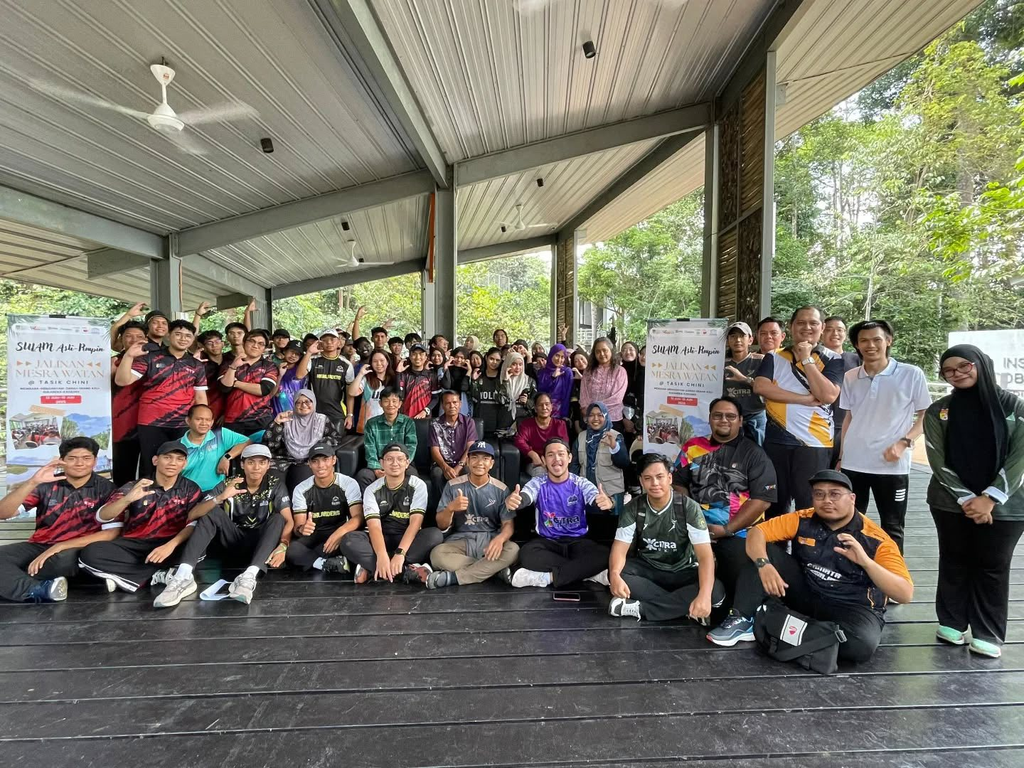
From 13 to 15 June 2025, Universiti Kebangsaan Malaysia (UKM) conducted the SULAM ASLI – Pimpin Jalinan Mesra Watan @ Chini 2025 programme in Tasik Chini, Pahang, as part of its commitment to extending educational opportunities beyond the university campus. The programme focused on engaging Orang Asli communities and local schoolchildren through community-based educational activities, practical learning experiences and knowledge-sharing initiatives.
Through the Service Learning Malaysia–University for Society (SULAM) approach, the programme connected university knowledge and student engagement with the educational needs of local communities. Among its key educational components were introductory robotics classes, motivational learning activities and sign-language learning sessions. The robotics activities introduced participants to basic technological concepts and encouraged interest in science, technology, engineering and mathematics (STEM), while motivational sessions aimed to strengthen students’ confidence, learning aspirations and interest in continuing their education. Sign-language activities also promoted awareness of inclusive communication and respect for individuals with different communication needs.
Beyond classroom-based learning, the programme created opportunities for interaction between UKM participants and the local community, facilitating knowledge exchange, cultural understanding and community participation. By bringing educational activities directly to communities outside the university, UKM demonstrated its role in improving access to informal education and supporting inclusive learning opportunities for underserved populations.
The SULAM ASLI programme provides evidence of UKM’s dedicated educational outreach to the wider community, particularly indigenous communities and local schoolchildren. It demonstrates how university expertise, educational resources and service-learning initiatives can be mobilised to improve access to knowledge, promote educational inclusion and strengthen university–community engagement. The programme contributes to SDG 4 (Quality Education), SDG 10 (Reduced Inequalities) and SDG 17 (Partnerships for the Goals).
Source: https://www.ukm.my/alafukm/program-sulam-asli-pimpin-jalinan-mesra-watan-chini-2025/
ii. Environmental Sustainability Literacy Programme
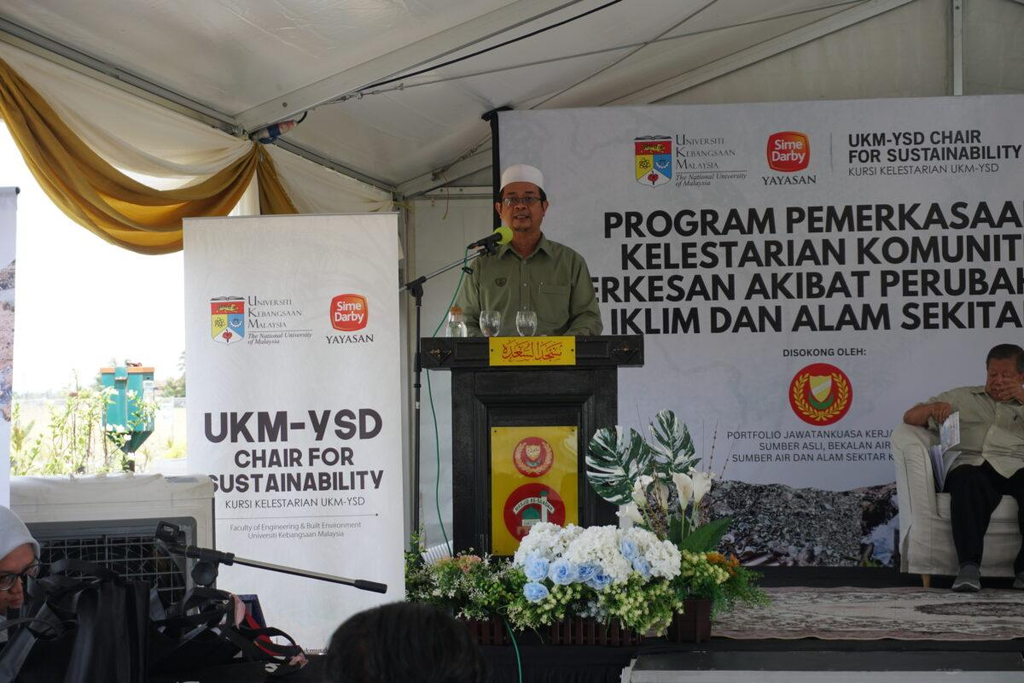
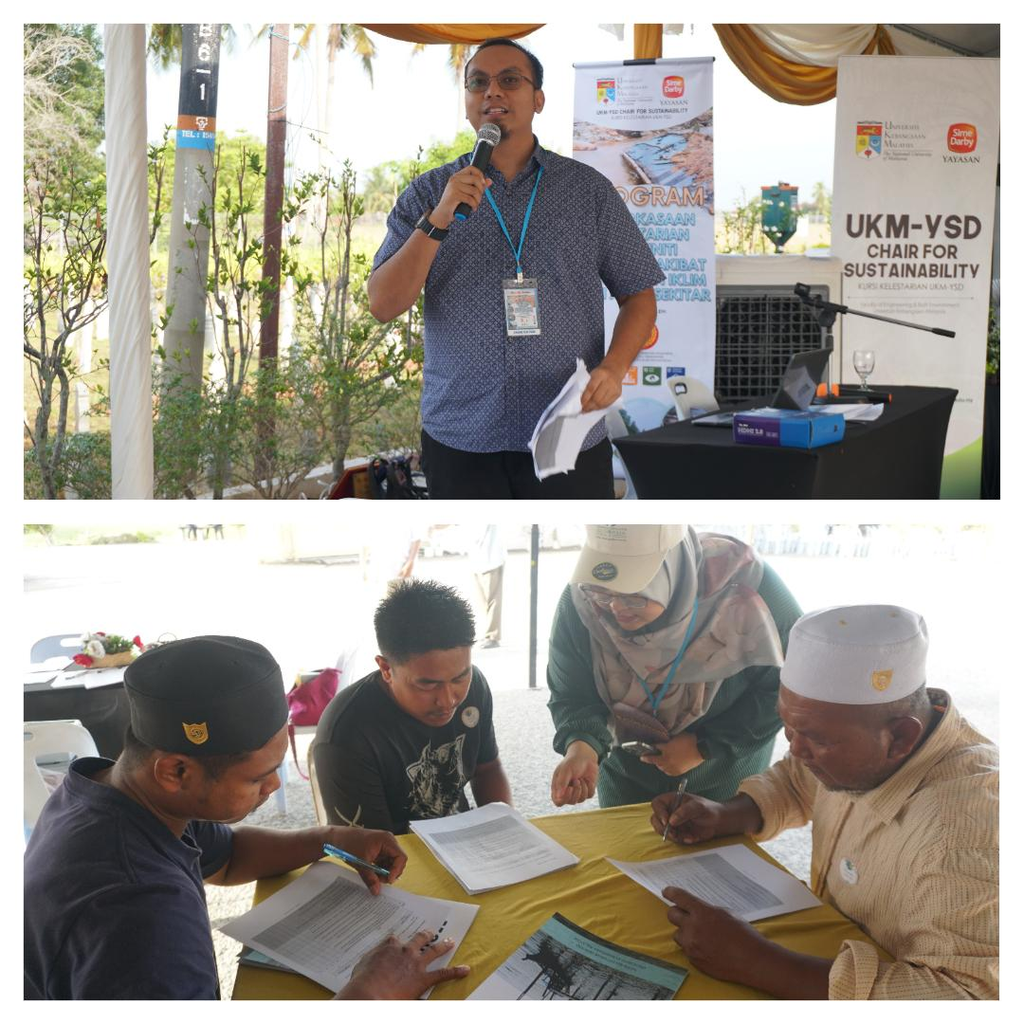
In 2025, Universiti Kebangsaan Malaysia (UKM), through the UKM–Yayasan Sime Darby (YSD) Sustainability Chair, organised the Environmental Sustainability Literacy Programme in Kuala Kedah, Kedah, as part of its commitment to promoting environmental education and sustainable lifestyles among local communities. Reported on 4 July 2025, the programme brought together more than 120 participants, including local residents, government agencies and higher education institutions, at Masjid Ar-Ma’rufi, Seberang Kota. The initiative particularly benefited B40 communities, including fishermen, rice farmers, livestock breeders and agricultural workers, by providing accessible environmental knowledge and practical sustainability education.
The programme was a continuation of the Community Sustainability Empowerment Intervention Programme on Climate Change and the Environment. Its educational activities included an energy-efficiency awareness talk delivered by the Sustainable Energy Development Authority (SEDA) Malaysia and several interactive learning stations. These stations covered water footprint awareness and daily water conservation practices through “Jimat Air Lebih Baik”; creative recycling and plastic waste reduction through “Dari Sisa ke Nilai”; climate change and food security through “Akar untuk Masa Depan”; and coastal erosion and ecosystem sustainability through “Kesedaran Pesisir Pantai”. These activities encouraged participants to understand environmental challenges and adopt practical sustainability measures in their daily lives.
The programme was implemented through collaboration with SEDA Malaysia, the Environmental Management Centre (EMC) of UKM’s Institute of Climate Change, local community leaders, the Seberang Kota Village Community Development Council (MPKK), the Masjid Ar-Ma’rufi Committee, UKM researchers led by Prof. Dr. Kamisah Osman, Universiti Teknologi MARA (UiTM) Perlis Branch and UKM’s Strategy Centre. This multi-stakeholder collaboration strengthened the delivery of environmental education directly to local communities.
The Environmental Sustainability Literacy Programme demonstrates UKM’s commitment to providing dedicated educational outreach activities beyond the university campus. By engaging more than 120 participants through environmental awareness talks, interactive learning stations and practical sustainability education, UKM facilitated knowledge transfer to local communities, particularly underserved B40 groups. The initiative supports lifelong learning, community empowerment and environmental responsibility while contributing to SDG 4 (Quality Education), SDG 7 (Affordable and Clean Energy), SDG 11 (Sustainable Cities and Communities), SDG 13 (Climate Action) and SDG 17 (Partnerships for the Goals).
iii. Community Education and Skills Outreach at Pos Lemoi, Pahang
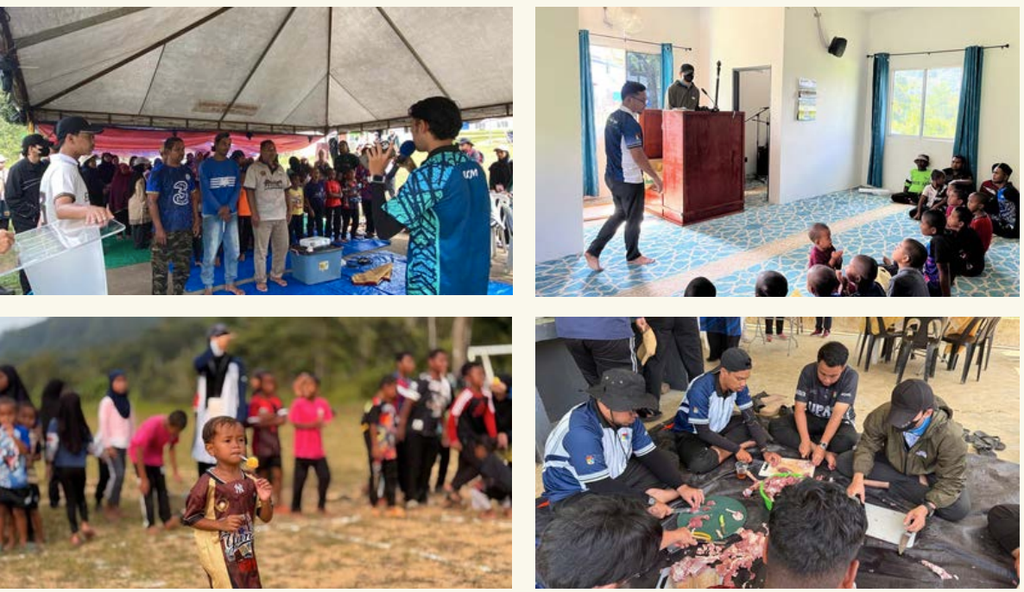
From 22 to 26 June 2025, Universiti Kebangsaan Malaysia (UKM), through the Centre for Da’wah and Leadership Studies, Faculty of Islamic Studies (FPI), conducted the Latihan Amali Dakwah Programme at Kampung Orang Asli Pos Lemoi, Pahang. The initiative aimed to strengthen community engagement and extend educational opportunities to indigenous communities through an integrated approach encompassing education, health, cultural understanding and social well-being.
The programme incorporated several dedicated educational activities, including Islamic fundamental education (fardu ain) modules, practical skills workshops and awareness talks. These activities provided opportunities for community members to acquire knowledge, develop practical skills and participate in informal learning outside conventional educational institutions. By delivering educational activities directly within the Orang Asli settlement, UKM facilitated community-based knowledge transfer and promoted inclusive learning opportunities.
In addition to educational outreach, the programme promoted community health and well-being through recreational activities, aerobics sessions and free medical and dental screenings. Social engagement activities, including foster-family visits, community care initiatives and intercultural exchanges, further strengthened relationships between UKM participants and the Orang Asli community while encouraging mutual understanding and social inclusion.
The Latihan Amali Dakwah Programme demonstrates UKM’s commitment to providing dedicated educational outreach activities for the wider community, particularly indigenous populations in rural areas. Through structured educational modules, skills workshops and awareness sessions, UKM extended university knowledge and resources beyond the campus, contributing to inclusive education, community empowerment and lifelong learning. The programme supports SDG 4 (Quality Education), SDG 3 (Good Health and Well-being) and SDG 10 (Reduced Inequalities), while reinforcing UKM’s role as a community-engaged university.
Source: https://www.ukm.my/fpi/wp-content/uploads/2025/12/Laporan-Kelestarian-SDG-%40-FPI-2025.pdf
3. Educational Outreach Activities for Displaced People
i. Creative Recycling: Empowering Young Innovators – STEM Educational Outreach for Marginalised, Undocumented and Stateless Children
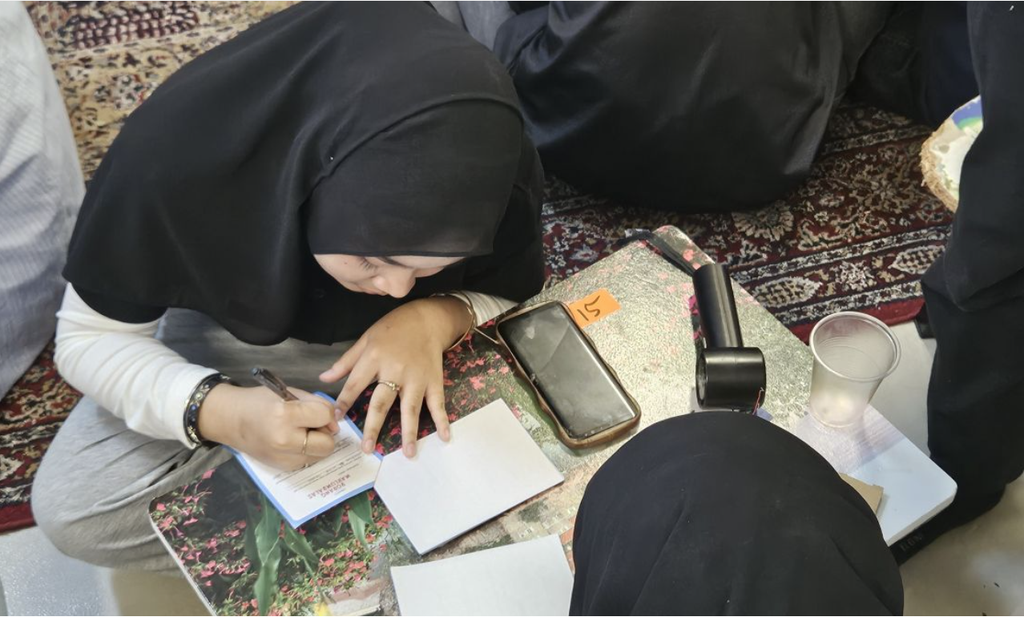
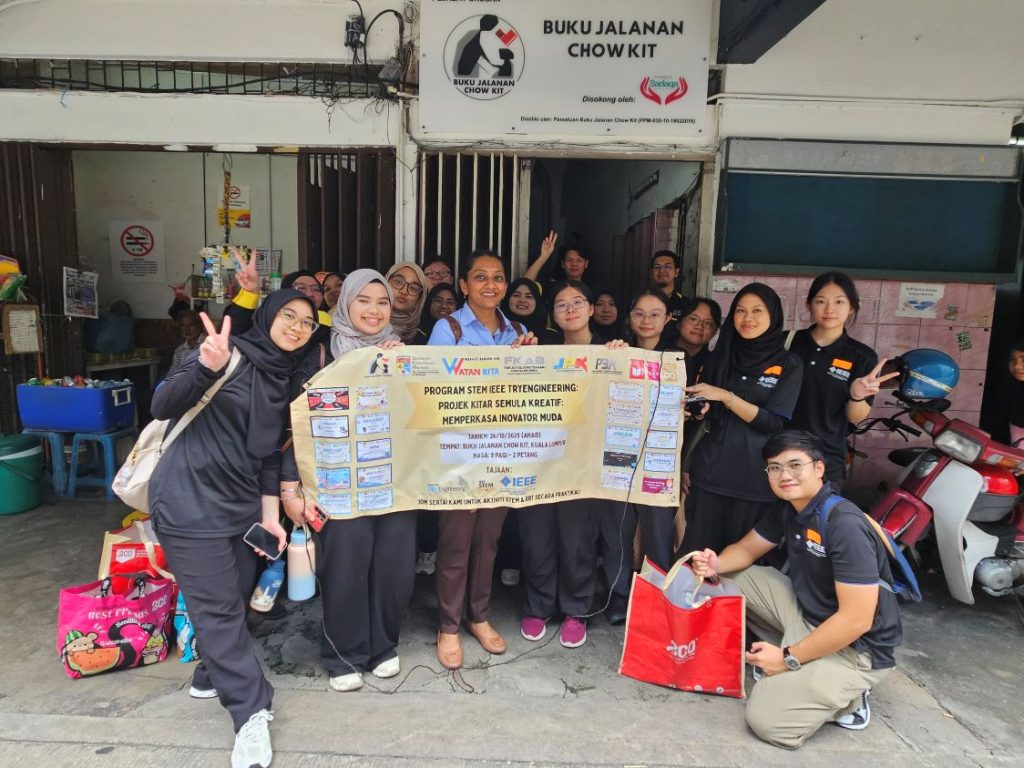
In 2025, Universiti Kebangsaan Malaysia (UKM), through the Department of Electrical and Electronic Engineering, Faculty of Engineering and Built Environment (FKAB), collaborated with IEEE Malaysia Section and IEEE UKM Student Branch to organise the Creative Recycling: Empowering Young Innovators Programme at Buku Jalanan Chow Kit (BJCK), Kuala Lumpur. Supported by the IEEE TryEngineering STEM Grant 2025, the initiative aimed to expand access to inclusive, practical Science, Technology, Engineering and Mathematics (STEM) education for marginalised, undocumented and stateless children who may face barriers to conventional educational opportunities.
The programme involved 21 UKM students and benefited 30 children aged between 6 and 17 years. Through experiential learning sessions, participants were introduced to fundamental concepts of renewable and non-renewable energy, engineering principles and environmental sustainability. A key educational activity involved constructing miniature wind turbines using interactive STEM learning kits, enabling participants to explore scientific concepts through hands-on experimentation and creative problem-solving. The kits were specifically adapted to participants’ learning needs and aligned with Malaysia’s secondary school Science and Design and Technology (RBT) curriculum.
The programme also integrated environmental education by encouraging participants to use recycled materials, including plastic bottle caps, old newspapers and discarded cardboard, in their engineering projects. This approach combined STEM learning with waste reduction and resource conservation, helping children understand the practical applications of sustainability while developing creativity, critical thinking and technical skills.
Beyond technical knowledge, the initiative promoted educational inclusion by delivering structured learning experiences through BJCK, a non-profit alternative learning centre established in 2015 to provide free educational opportunities for marginalised, undocumented and stateless children. Participants expressed enthusiasm for further STEM activities, demonstrating the programme’s potential to stimulate interest in science and technology among underserved learners.
The programme demonstrates UKM’s commitment to extending educational outreach beyond its campus to vulnerable and educationally underserved communities. By mobilising university students, engineering expertise, external grant funding and partnerships with a community-based learning organisation, UKM provided accessible STEM education to children who may otherwise have limited opportunities for practical scientific learning. The initiative contributes to SDG 4 (Quality Education), SDG 10 (Reduced Inequalities), SDG 12 (Responsible Consumption and Production) and SDG 17 (Partnerships for the Goals), while strengthening inclusive university–community educational engagement.
ii. AROMA FSSK: Dari Dapur × KIZ – Community Food Security and Knowledge Transfer Programme for Refugee Families
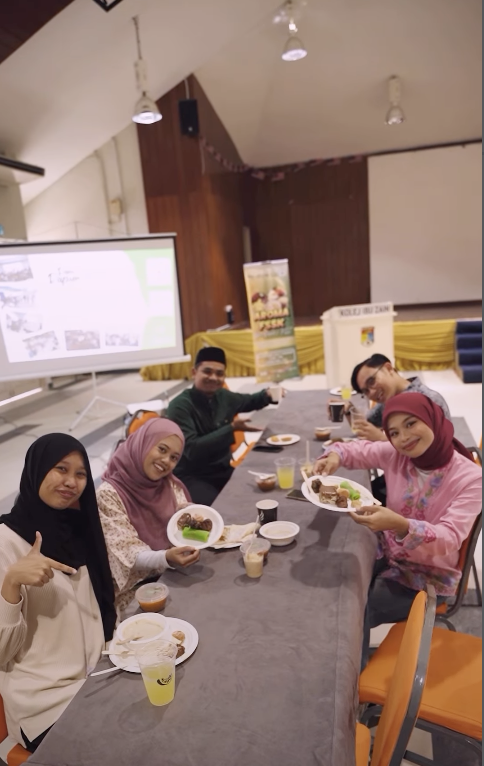
On 18 December 2025, Universiti Kebangsaan Malaysia (UKM), through Kolej Ibu Zain (KIZ) in collaboration with the Faculty of Social Sciences and Humanities (FSSK), organised the AROMA FSSK: Dari Dapur × KIZ programme to support marginalised refugee families experiencing food insecurity. The initiative combined humanitarian assistance, community engagement and basic educational outreach to promote food security, hygiene awareness and social inclusion among vulnerable communities.
The programme involved 15 UKM student volunteers who participated in preparing and distributing nutritious meals to refugee families. Beyond providing immediate food assistance, the initiative incorporated a knowledge-transfer component in which students shared basic food-security and hygiene practices with community representatives. This educational engagement aimed to strengthen awareness of safe food practices and promote long-term community well-being.
The programme also provided experiential learning opportunities for UKM students, allowing them to develop a deeper understanding of food insecurity, humanitarian challenges and the circumstances faced by refugee communities. Through direct interaction with vulnerable families, participants strengthened their social awareness, empathy and commitment to community service.
The AROMA FSSK: Dari Dapur × KIZ programme demonstrates UKM’s engagement with displaced and marginalised communities through community-based knowledge sharing. Its educational component, particularly the dissemination of food-security and hygiene knowledge to refugee community representatives, reflects UKM’s efforts to extend practical learning beyond the university campus. The initiative contributes primarily to SDG 2 (Zero Hunger), while also supporting SDG 3 (Good Health and Well-being), SDG 4 (Quality Education), SDG 10 (Reduced Inequalities) and SDG 17 (Partnerships for the Goals).
iii. Symposium on Alternatives to Detention for Unaccompanied and Separated Refugee Children in Malaysia
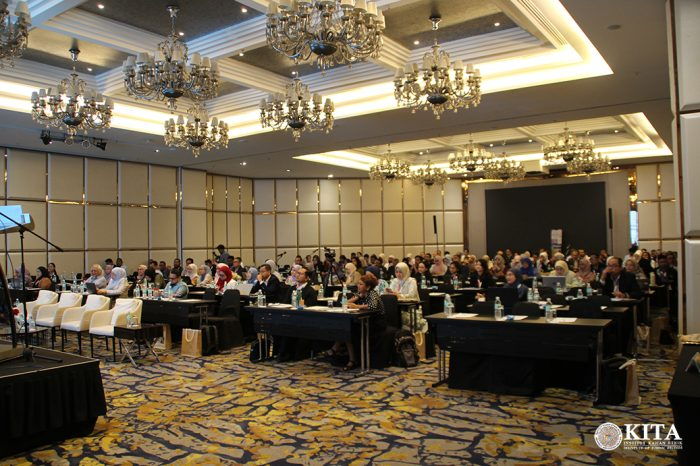
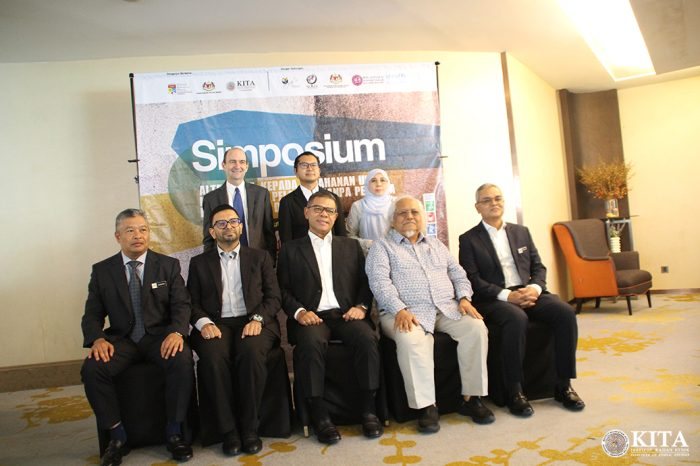
On 20–21 August 2025, Universiti Kebangsaan Malaysia (UKM), through its Institute of Ethnic Studies (KITA), organised the Symposium on Alternatives to Detention for Unaccompanied and Separated Refugee Children in Malaysia at Dorsett Hotel, Putrajaya. The symposium was conducted in strategic collaboration with Malaysia’s Ministry of Home Affairs (KDN), with support from the United Nations Children’s Fund (UNICEF), Yayasan Chow Kit, SUKA Society and Malaysian Humanitarian Aid and Relief (MAHAR). The initiative aimed to promote humanitarian awareness, strengthen knowledge exchange and facilitate discussions on the protection, rights and well-being of refugee children, particularly those without parental or guardian support.
The two-day symposium brought together 250 participants, including academics, government officials, international organisations, non-governmental organisations, civil society representatives and members of refugee communities. Through academic presentations, panel discussions and roundtable sessions, participants examined migration challenges, humanitarian protection, human rights and alternatives to immigration detention. These educational exchanges provided a platform for sharing research findings, professional expertise and community perspectives while strengthening understanding of the challenges faced by vulnerable refugee children.
The symposium was officiated by Malaysia’s Minister of Home Affairs, YB Datuk Seri Saifuddin Nasution Ismail, who also delivered the keynote address. The programme encouraged collaboration between policymakers, researchers, humanitarian organisations and refugee community representatives to identify practical and rights-based approaches to child protection. Discussions resulted in preliminary stakeholder consensus and strategic recommendations intended to inform future policy development and follow-up actions concerning unaccompanied and separated refugee children in Malaysia and the wider region.
The symposium demonstrates UKM’s commitment to extending educational engagement beyond the university through a multi-stakeholder knowledge-sharing platform addressing the needs of displaced and vulnerable populations. By facilitating academic dialogue, policy education and the participation of refugee community representatives, UKM contributed to raising awareness of refugee children’s rights and strengthening institutional understanding of humanitarian protection. The initiative supports SDG 4 (Quality Education), SDG 10 (Reduced Inequalities), SDG 16 (Peace, Justice and Strong Institutions) and SDG 17 (Partnerships for the Goals).
iv. Community Service Programme at Buku Jalanan Chow Kit School, Kuala Lumpur: Enhancing Educational Access for Underprivileged Children
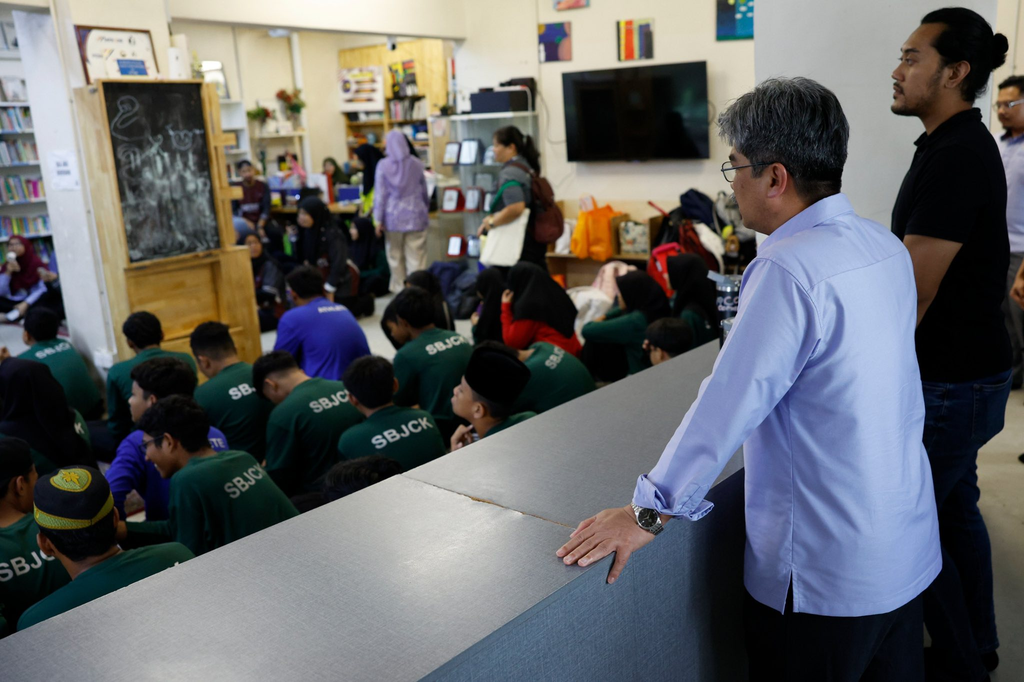
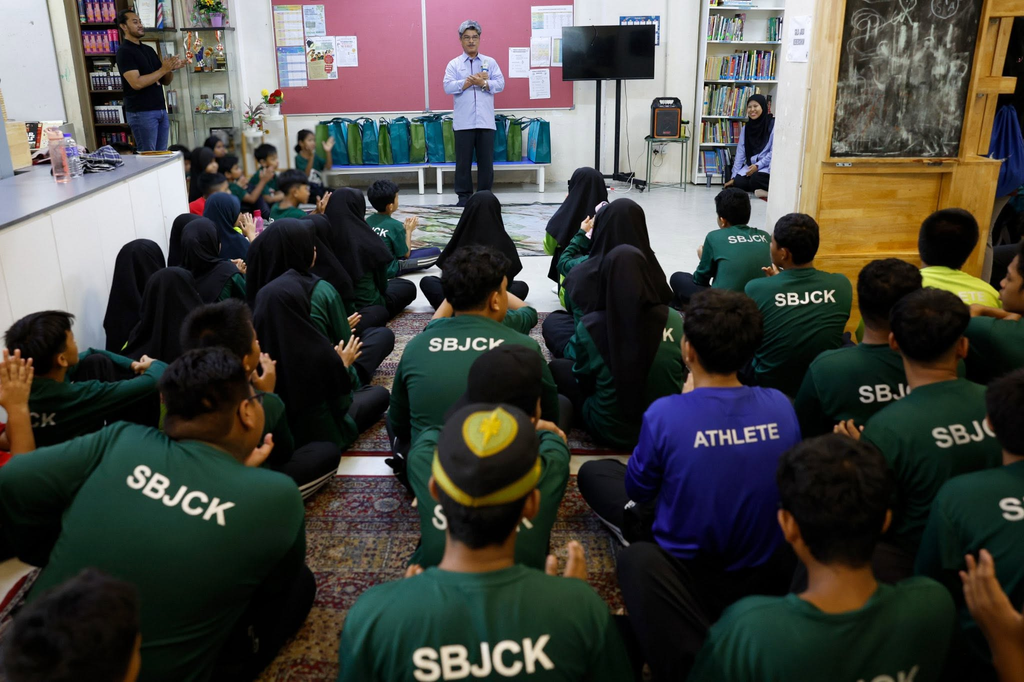
Universiti Kebangsaan Malaysia (UKM) demonstrated its commitment to inclusive education and community engagement through the Community Service Programme at Buku Jalanan Chow Kit (BJCK) School, Kuala Lumpur, reported in September 2025. The initiative supported educational opportunities for underprivileged children, particularly those from marginalised and economically disadvantaged communities, by improving access to learning resources and creating a more supportive educational environment.
The programme focused on strengthening the school’s learning facilities through community service activities, including organising and managing book collections, improving reading spaces, and providing essential supplies for children. These activities contributed to a more accessible and welcoming learning environment, encouraging reading habits, educational participation and continued learning among children who may face barriers to mainstream educational opportunities.
Through its engagement with Buku Jalanan Chow Kit, UKM extended its educational outreach beyond the university campus to benefit the wider community. By supporting a community-based learning centre, the programme helped strengthen the availability of educational resources and informal learning opportunities for children from underserved backgrounds. This initiative also demonstrated the importance of collaboration between higher education institutions and community organisations in addressing educational inequalities.
https://www.facebook.com/UKMOfficial/posts/1201420502018599?ref=embed_post
Collectively, UKM’s educational outreach reaches communities beyond its enrolled students through structured learning, practical knowledge transfer and sustained partnerships. By bringing environmental education, STEM activities, skills development and humanitarian knowledge exchange into community settings, UKM helps address barriers to learning and creates opportunities for participation among underserved groups. These efforts translate university expertise into community learning resources and experiences, strengthening sustainability literacy, educational inclusion and communities’ capacity to respond to shared challenges in support of SDG 4: Quality Education and SDG 17: Partnerships for the Goals.