
Policy on Plastic Waste Reduction
UKM is dedicated to leading by example in the effort to reduce plastic usage on campus as part of this commitment, UKM has implemented policies that discourage single-use plastics and actively promote sustainable alternatives, such as reusable containers, tiffin carriers, and eco-friendly packaging. These initiatives extend across all campus facilities, from administrative offices to cafeterias and student centers, fostering a culture of environmental responsibility within the university community. Through awareness campaigns, education, and accessible alternatives, UKM encourages students, staff, and visitors to embrace sustainable practices. By reducing plastic waste and supporting the principles of a circular economy, UKM contributes to Malaysia’s broader environmental objectives, aiming to protect natural ecosystems, reduce pollution, and pave the way for a sustainable future for generations to come.
1. The Malaysia Plastics Sustainability Roadmap 2021-2030
In 2021, the Ministry Of Environment & Water published the Malaysia Plastics Sustainability Roadmap 2021-2030, a comprehensive strategy to tackle plastic pollution and transition towards a circular plastics economy. This roadmap emphasizes recycling, reducing single-use plastics, eco-friendly design, extended producer responsibility (EPR), and public awareness to minimize plastic waste. By supporting this roadmap, UKM reinforces its commitment to reducing plastic waste, protecting aquatic ecosystems, and fostering a culture of sustainability on campus. This initiative not only minimizes pollutants but also raises awareness about the impact of plastic on marine life, inspiring students, staff, and the community to adopt practices that safeguard aquatic ecosystems for future generations. This roadmap also aligns with UKM Sustainability Strategic Plan 2030 (page 35), strengthening the management of food, solid and toxic waste. UKM is strengthening its management of food, solid, and toxic waste as part of its commitment to a sustainable campus. This initiative involves implementing guidelines for food waste separation in university cafeterias, ensuring cafeteria operators can effectively manage and segregate food waste for recycling or composting, thus reducing landfill contributions. Additionally, UKM is upgrading its Recycle Center to improve the handling of solid and potentially hazardous waste. By actively involving faculties, centers, institutes, and student associations in these sustainability efforts, UKM fosters a collaborative approach to responsible waste management. These actions reflect UKM’s dedication to reducing environmental impact and promoting sustainable practices across the campus community.
The Malaysia Plastics Sustainability Roadmap 2021-2030 provides actionable steps that UKM can adopt in its Policy on Plastic Waste Reduction, aligning with SDG 15: Life on Land. Here’s how each action plan from the roadmap can support UKM initiatives to minimize plastic waste, ultimately protecting terrestrial ecosystems and biodiversity:
- Phasing Out Problematic Single-Use Plastics (SUPs): By banning certain single-use plastics, such as plastic straws and bags, UKM can reduce the volume of plastic waste generated on campus, preventing these materials from contaminating land ecosystems. This helps protect soil quality and reduces plastic pollution that could harm local wildlife.
- Extended Producer Responsibility (EPR): UKM can work with its suppliers to implement EPR schemes on campus, making producers responsible for managing the waste generated from their products. This can lead to improved waste collection and recycling, reducing the environmental impact of plastics on land.
- Mandating Sustainable Design: By requiring that all products sold on campus use recyclable or biodegradable packaging, UKM can help ensure that plastics are less likely to accumulate as waste in the environment. Sustainable design minimizes the risk of plastic pollution affecting nearby terrestrial ecosystems and reduces harm to local biodiversity.
- Improving Plastic Recovery and Setting Minimum Collection-for-Recycling (CFR) Rates: UKM can set up recycling stations and establish specific plastic collection targets to ensure high recovery rates. This initiative would decrease the likelihood of plastic waste leaking into natural environments, supporting soil and ecosystem health by managing plastic waste more effectively.
- Increasing Demand for Recycled Materials: By prioritizing the purchase of products made from recycled materials, UKM supports the circular economy. Using recycled plastics in campus products reduces reliance on virgin plastics, conserving natural resources and decreasing plastic waste that could end up in land ecosystems.
- Training for SMEs in Circular Economy Practices: UKM can host training sessions for campus vendors, encouraging them to adopt circular practices in their operations. Educating vendors on plastic reduction and recycling aligns with UKM’s sustainability goals and reduces plastic waste across the supply chain, lessening the environmental footprint on land.
- Circular Economy Awards: UKM can recognize departments and vendors on campus for their efforts in minimizing plastic waste. This recognition motivates the campus community to adopt sustainable practices that contribute to land conservation by preventing plastic pollution.
- PLASTICBUSTERS Program: UKM can adapt this awareness program to educate the university community on reducing plastic usage and managing plastic waste responsibly. This initiative helps foster a culture of environmental stewardship on campus, encouraging actions that protect land ecosystems.
- INSPIRE Program: By showcasing success stories of departments or individuals who have made significant contributions to reducing plastic waste, UKM can inspire others to take similar actions. This narrative approach highlights the positive impacts of plastic waste reduction on land ecosystems.
- Communication, Education, and Public Awareness (CEPA): UKM can conduct ongoing education campaigns that highlight the impacts of plastic pollution on land biodiversity. These campaigns raise awareness within the campus community, emphasizing the need for responsible plastic use and proper waste disposal to protect natural habitats.
By adopting these strategies, UKM Policy on Plastic Waste Reduction would not only contribute to campus sustainability but also align with SDG 15 by protecting land ecosystems and promoting sustainable land use. These efforts help UKM play a proactive role in preserving biodiversity and mitigating the ecological impacts of plastic waste.
Policy Created: 2021
Policy Reviewed: 2028
Source: The Malaysia Plastics Sustainability Roadmap 2021-2030
2. UKM Sustainability Strategic Plan 2030
This roadmap also aligns with UKM Sustainability Strategic Plan 2030 which was developed in 2022 and had been reviewed in 2025, under page 35, strengthening the management of food, solid and toxic waste. UKM is strengthening its management of food, solid, and toxic waste as part of its commitment to a sustainable campus. This initiative involves implementing guidelines for food waste separation in university cafeterias, ensuring cafeteria operators can effectively manage and segregate food waste for recycling or composting, thus reducing landfill contributions. Additionally, UKM is upgrading its Recycle Center to improve the handling of solid and potentially hazardous waste. By actively involving faculties, centers, institutes, and student associations in these sustainability efforts, UKM fosters a collaborative approach to responsible waste management. These actions reflect UKM’s dedication to reducing environmental impact and promoting sustainable practices across the campus community.

Source: https://www.ukm.my/kelestarian/data/publications/UKM-SUSTAINABILITY-STRATEGIC-PLAN-2030.pdf
3. Directive Prohibiting the Use of Plastic Drinking Straws in Food Premises at UKM
The Circular ROSH No. 1/2019 Instruction Prohibiting the Use of Plastic Drink Straws, which came into effect on 1 April 2019 at UKM enforces a prohibition on plastic straw usage across all campus food premises, aligning with SDG 15: Life on Land. This order aims to reduce plastic waste, which poses significant threats to land ecosystems, wildlife, and biodiversity. By banning plastic straws, UKM minimizes plastic pollution that can harm soil and water quality and disrupt natural habitats when waste enters the environment. Beyond reducing plastic usage, this directive fosters environmental stewardship within the UKM community. It encourages students, staff, and vendors to adopt sustainable alternatives, supporting the preservation of terrestrial ecosystems and protecting biodiversity from the hazards of single-use plastics. This policy underlines UKM commitment to safeguarding natural habitats and promoting sustainable land management as part of its broader environmental responsibilities
The circular above titled “Instruction Prohibiting the Use of Plastic Drink Straws” from Universiti Kebangsaan Malaysia (UKM), dated February 28, 2019, addresses the ban on plastic straws in food premises across the campus. All parties involved in food supply on campus must comply with this prohibition by incorporating it into their practices. This ban is set to take effect on April 1, 2019. Faculty leaders and department heads are instructed to disseminate this directive to food premises managers, staff, and related parties within their respective areas. This initiative reflects UKM’s commitment to reducing plastic waste and promoting sustainable practices across campus.
Source: www.ukm.my/rosh/wp-content/uploads/2019/
4. Polystyrene-Free Campus Campaign

The document above is a memo from Universiti Kebangsaan Malaysia (UKM) announcing the launch of the “Kempen Kampus Sifar Polisterin” (Polystyrene-Free Campus Campaign), which was initiated in March 2015. Effective April 1, 2015, all cafeterias and food kiosks on campus are prohibited from using polystyrene or plastic bags for food and drink packaging. This measure encourages a cleaner and more sustainable campus environment. UKM community members are encouraged to dine in cafeterias without using takeaway containers. Staff and students are advised to bring their own containers when purchasing takeaway food or drinks. Cafeterias are required to promote and offer discounts or incentives for customers who bring their own containers. A minimum charge of RM0.20 will be applied to customers who do not bring their own containers, with proceeds going toward covering container costs.
5. UKM Program to reducing plastic waste
UKM Program to reduce the Use of plastic on Campus included a wide range of initiatives aimed at minimizing the environmental footprint of daily campus activities. Students and staff were encouraged to participate in reduced programs, and there was an active movement to replace harmful materials such as polystyrene with eco-friendly alternatives. As part of this initiative, the Sustainability Challenge 2023 featured a ban on polystyrene packaging for food containers, further reinforcing the university’s sustainable practices.
- Water refillable to reduce plastic bottle
The entire college campus and administrative buildings at UKM are equipped with water purifiers to ensure that all students, staff, and visitors have access to safe, clean drinking water, fostering a healthy and environmentally responsible campus. This initiative not only promotes public health by providing purified water but also actively discourages the use of single-use plastic bottles, particularly within administrative offices. By reducing reliance on plastic bottles, UKM is minimizing plastic waste and supporting its commitment to environmental sustainability. This approach aligns with broader sustainability goals, emphasizing waste reduction and resource conservation, and setting an example for sustainable practices within the campus community. Through these efforts, UKM encourages a culture of environmental awareness and responsible consumption among its members.

- Reduce uses of plastic packaging in Campus
As part of UKM’s plastic and polystyrene minimization campaign, the university promotes sustainable alternatives like using tiffin carriers to replace non-eco-friendly packaging. This initiative encourages students, staff, and visitors to bring their own reusable containers, reducing the campus’s reliance on single-use plastic and polystyrene products. By fostering a culture of reusability and eco-conscious choices, UKM aims to decrease waste, lessen environmental impact, and inspire the campus community to adopt sustainable practices that contribute to a greener future.

- Disposable drinking water
In 2023, UKM started to cultivate the use of mineral water in paper packaging for every meeting and event, which can simultaneously reduce the plastic waste generated by each responsibility center.
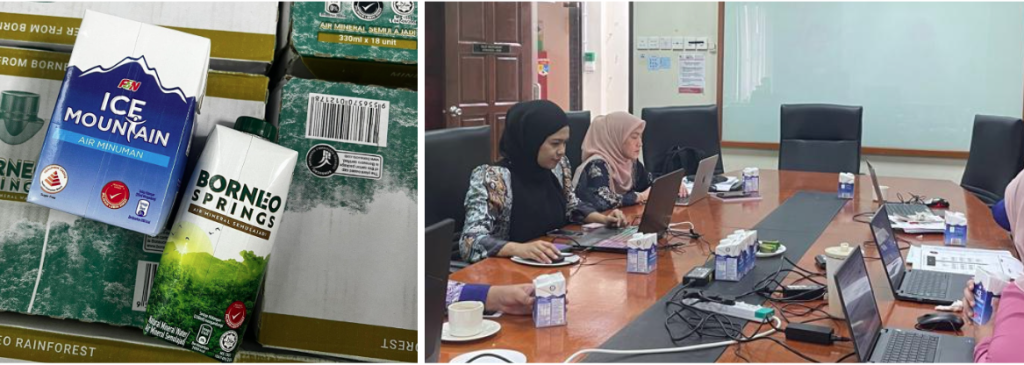
These impactful efforts supported UKM’s goal of achieving 100% implementation of SDG 12 through responsible plastic use policies, promoting recycling, and actively engaging the university community in sustainable waste management practices. This commitment ensured that UKM continued to lead the way in sustainable development, fostering a greener, healthier environment for future generations.