

Make cities and human settlements inclusive, safe, resilient and sustainable
SDG 11 Indicator
11.4 – Sustainable practices
11.4.9 – Building on brownfield sites
Universiti Kebangsaan Malaysia (UKM) supports sustainable land use by reinvesting in previously developed campus sites and repurposing existing buildings where practicable. In 2025, this approach included planning the upgrading of 14 ageing student accommodation blocks, rehabilitation of underutilised facilities at the FTSM Anjung Digital Building into lecture rooms and improvements to existing stadium, laboratory and faculty facilities. These initiatives demonstrate UKM’s commitment to meeting evolving accommodation, teaching, and operational needs through the regeneration of established built spaces, helping reduce pressure for development on previously undeveloped land.
| No. | Projects |
| 1. | Upgrading of 14 Ageing Student Accommodation Blocks (2025) |
| 2. | Optimisation of Existing Developed Sites i. Upgrading of UKM Stadium ii. Additional Laboratory Building and Pilot Plant at the Faculty of Science and Technology iii. Renovation and upgrading of Bilik Gerbang Minda at the Faculty of Education |
| 3. | Rehabilitation and Adaptive Reuse of the Abandoned Building, Faculty of Information Science and Technology (FTSM), UKM |
1. Redevelopment of Existing Residential Sites – Upgrading of 14 Ageing Student Accommodation Blocks (2025)
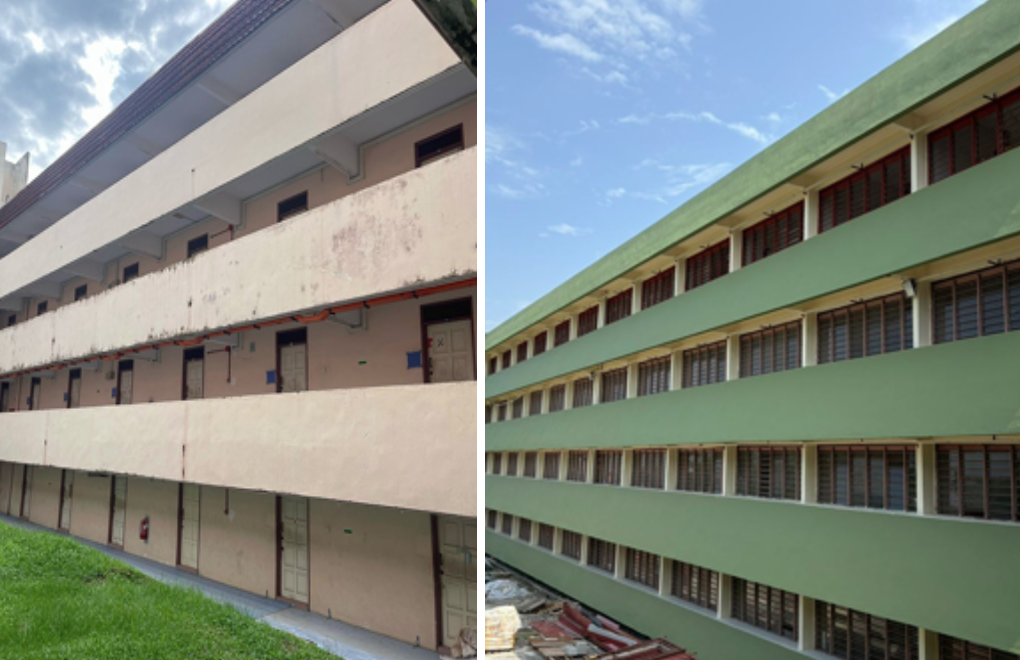
In 2025, Universiti Kebangsaan Malaysia (UKM) continued to prioritise the redevelopment and optimisation of previously developed areas within its campus. A key initiative was the planned upgrading of 14 ageing student accommodation blocks into executive residential blocks. On 3 February 2025, the UKM Student Housing Centre organised a planning workshop to coordinate the scope, implementation schedule and direction of the upgrading works. Rather than developing previously untouched land, the initiative focuses on improving and repurposing existing residential buildings and their established sites. This approach demonstrates UKM’s commitment to maximising the useful life of existing campus infrastructure, reducing pressure for greenfield development and supporting more efficient and sustainable land use in line with SDG 11
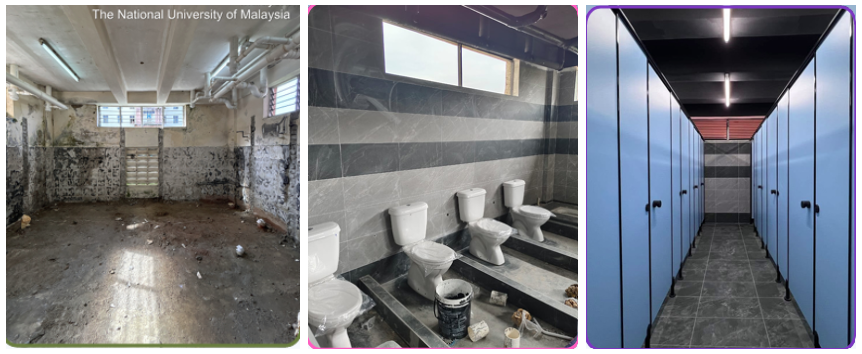
2. Optimisation of Existing Developed Sites
UKM’s approach to brownfield development is further supported by its continued investment in the reuse, rehabilitation and upgrading of existing buildings and previously developed areas. Throughout 2025, the University implemented several infrastructure projects that extended the useful life and functionality of existing campus assets rather than replacing them through development on previously undeveloped land.
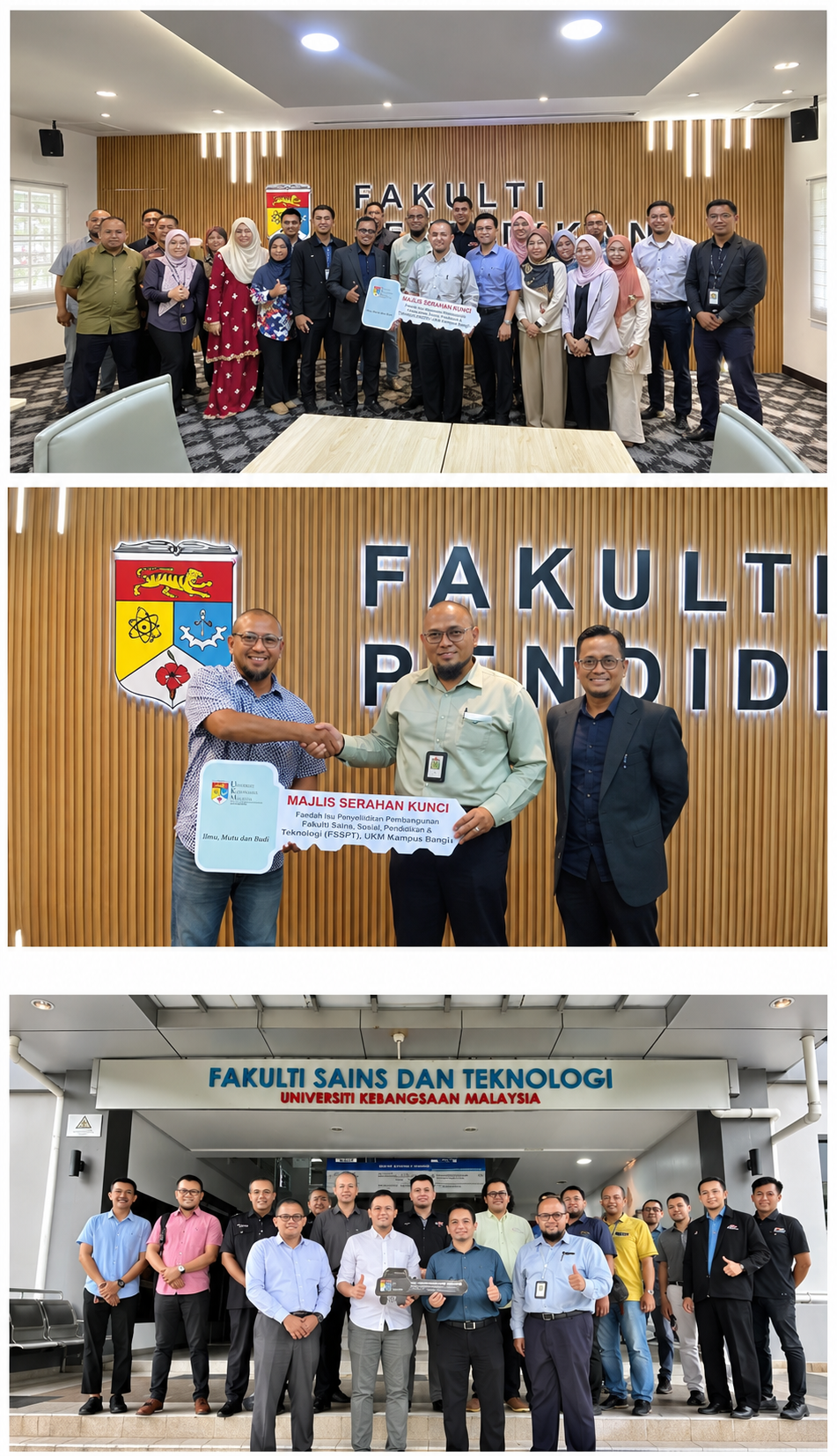
These included the upgrading of UKM Stadium, where the ageing roof was replaced and the existing facility refurbished; the upgrading and mould remediation of the Additional Laboratory Building and Pilot Plant at the Faculty of Science and Technology, involving existing laboratories across Levels 1–3; and the renovation and upgrading of Bilik Gerbang Minda at the Faculty of Education, where an existing meeting space was transformed into a modern facility accommodating up to 100 users. The projects were completed during 2025 and demonstrate continued investment in established built sites and existing building stock.
While these projects are more accurately classified as renovation, rehabilitation and adaptive upgrading rather than new brownfield construction, they provide supporting evidence of the same underlying land-use principle: UKM seeks to optimise previously developed sites and extend the life of existing infrastructure where practicable before creating demand for development on new land. Together with UKM’s established brownfield redevelopment projects and the 2025 upgrading of aging residential blocks, these initiatives demonstrate a broader institutional approach towards efficient land use, regeneration of existing built assets and reduced pressure for greenfield expansion.
3. Rehabilitation and Adaptive Reuse of the Abandoned Building, Faculty of Information Science and Technology (FTSM), UKM
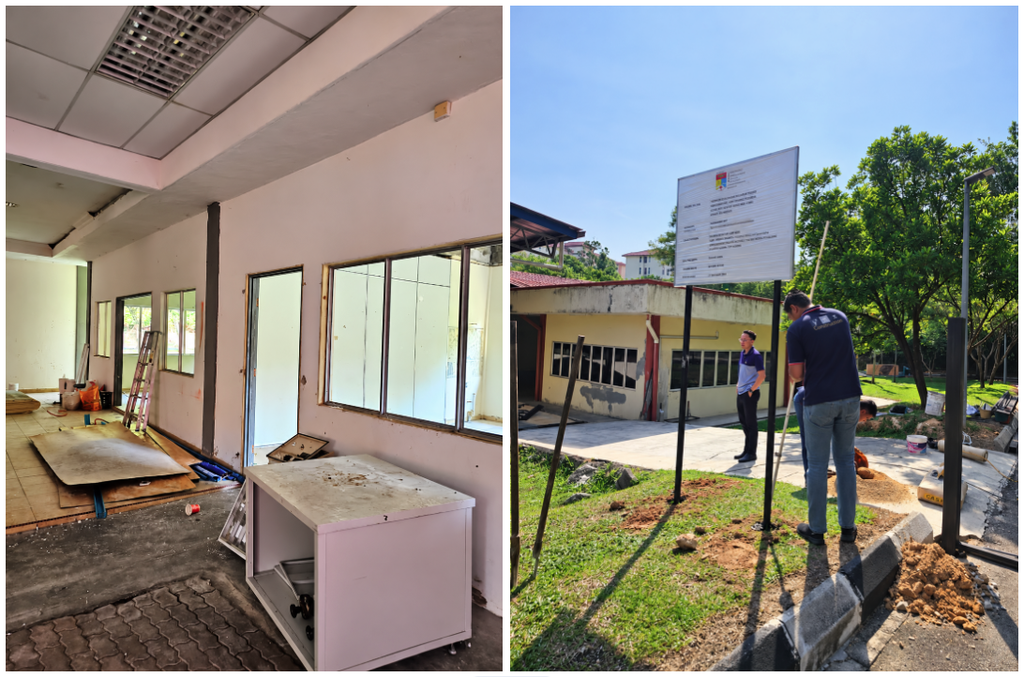
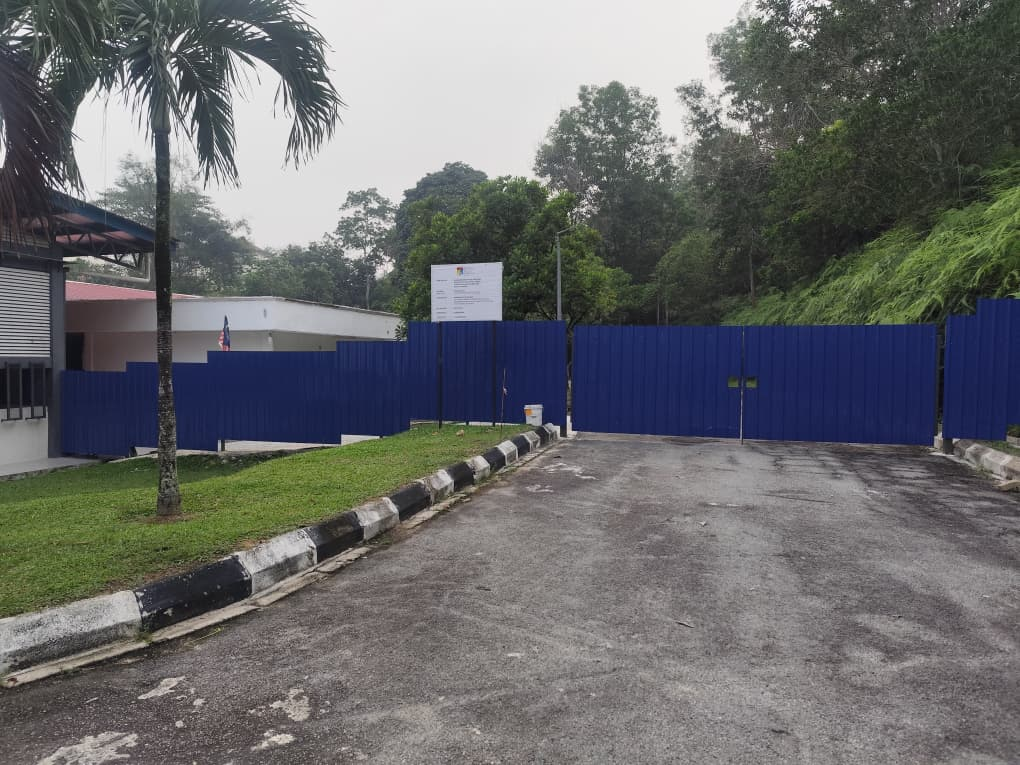
In 2025, Universiti Kebangsaan Malaysia (UKM), through its Faculty of Information Science and Technology (FTSM), undertook an initiative to rehabilitate and upgrade the previously abandoned facilities at the Anjung Digital Building, transforming the existing space into functional lecture rooms for teaching and learning activities.
The initiative focuses on adaptive reuse and the revitalisation of existing university infrastructure, prioritising the refurbishment of underutilised building spaces rather than constructing entirely new facilities. The upgrading works involve improving the condition and functionality of the existing building to provide a more conducive, safe and accessible learning environment for students and academic staff.
By repurposing the abandoned building into educational facilities, UKM demonstrates its commitment to sustainable infrastructure management, efficient utilisation of campus space and the extension of existing building lifespans. This approach can help minimise construction waste, reduce demand for new building materials and optimise the use of university resources.
The initiative contributes to SDG 11 (Sustainable Cities and Communities) by promoting sustainable building practices, adaptive reuse and responsible management of existing campus infrastructure, while enhancing the availability of teaching and learning facilities for the university community.